
$30.00
BioSleep Peptides is a targeted nighttime formula designed to support restful sleep and overnight recovery. Featuring a blend of bioactive peptides and calming nutrients, it works with the body’s natural sleep cycle to promote relaxation, deeper rest, and next-day refreshment. Ideal for adults experiencing occasional sleep disruption, BioSleep Peptides fits seamlessly into an evening routine without causing grogginess. Its science-backed approach helps address sleep quality at a foundational level, making it a reliable option for those seeking improved rest, recovery, and overall nighttime wellness.
Description
For many adults, getting a truly restful night’s sleep has become harder than it should be. Whether it’s stress from work, late-night screen time, caffeine that lingers too long, or simply a mind that won’t quiet down, poor sleep can negatively impact energy, mood, appetite control, and even fitness motivation. Restorative sleep is foundational to both physical and mental well-being, and when it’s missing night after night, even small daily goals can start to feel overwhelming.
That’s where targeted sleep support options come into play. Instead of turning immediately to strong sedatives, prescription drugs, or broad-spectrum sleep aids, many people prefer products that are gentle, non-habit forming, and designed to support the body’s natural mechanisms for cultivating rest. BioSleep Peptides is one such product that has been gaining attention within the wellness community. Promoted as a non-melatonin, peptide-based sleep support supplement, it’s positioned to help adults unwind more easily and experience deeper nighttime calm — without the next-day fog that heavier solutions can sometimes cause.
It’s worth noting upfront that supplements like BioSleep Peptides are not a cure for chronic insomnia, sleep apnea, restless leg syndrome, or other diagnosed sleep disorders. Sustained sleep challenges or symptoms that persist despite lifestyle changes should be evaluated by a qualified healthcare professional. Likewise, if you are pregnant, breastfeeding, taking medications, or managing complex health conditions, professional guidance is recommended before introducing any sleep support supplement.
In this comprehensive review, we’ll take a deep dive into BioSleep Peptides: what it is, how it’s formulated, what the ingredients do, who it may best serve, real user experiences, pricing and value, potential side effects, scientific context, and where to purchase it safely. The goal is to give you a balanced understanding of the product — so you can decide if it may be a fit for your sleep wellness journey.
Product Overview
Formulation:
BioSleep Peptides is a chewable sleep support supplement formulated without melatonin. It focuses on proprietary peptides intended to help promote calmness and more restorative sleep patterns.
Key Ingredients:
The primary ingredient is a peptide complex derived from brown rice protein hydrolysate. Other components include xylitol, natural flavor, microcrystalline cellulose, mannitol, vegetable stearate, and citric acid — ingredients that contribute to texture, taste, and tablet integrity.
Bottle Contents:
Typically sold as a 30-tablet supply. Chewable tablets are designed to be taken before bedtime, as part of a sleep support routine.
Guarantee:
Guarantee details may vary by seller. Consumers are encouraged to verify refund and return policies at checkout.
Cost:
Retail prices vary by retailer but often range in a mid-tier supplement bracket, reflecting its specialized peptide formulation.
What is BioSleep Peptides?
BioSleep Peptides is a sleep support supplement designed for adults who want help falling asleep more easily and improving the quality of rest — without relying on traditional sedatives or melatonin. Its formulation revolves around a proprietary peptide complex sourced from brown rice protein hydrolysate. Peptides are short chains of amino acids, and in this context, the particular peptide blend is thought to influence neural signaling pathways that help the body relax into sleep more naturally.
Unlike many sleep aids that lean on strong herbs, sedative combinations, or hormonal signals like melatonin, this product aims for a gentler, non-hormonal profile. This can make it a preferable option for people who are sensitive to melatonin, who experience grogginess afterward, or who simply want a calmer transition into sleep rather than an immediate knock-out effect.
It’s important to understand what the product is and what it isn’t. BioSleep Peptides is not marketed as a medical treatment for chronic sleep disorders. It doesn’t claim to cure insomnia or replace clinical evaluation. Instead, it’s positioned as a mass-market dietary supplement that may support nightly rest when paired with healthy sleep habits.
The chewable format is practical for those who dislike swallowing pills or who want a supplement that feels easier to take consistently. By supporting relaxation pathways, it may help reduce the mental tension or physiological arousal that often keeps people awake long after they intend to sleep.
Because everyone’s sleep biology is unique, results will vary. Some people may notice subtle improvements in ease of falling asleep or less tossing and turning, while others may feel more refreshed upon waking. However, expectations should remain anchored in realism: no supplement can replace the value of good sleep hygiene, a stable routine, and addressing lifestyle factors that disrupt rest.
Who is BioSleep Peptides Specifically For?
BioSleep Peptides is tailored for adults who want supportive nighttime calm — particularly those who:
- Prefer sleep support formulations without melatonin
- Have trouble winding down at night due to stress, anxiety, or racing thoughts
- Dislike heavy sedatives or hormone-based sleep aids
- Want a chewable nighttime supplement rather than capsules or powders
- Experience occasional poor sleep but do not have a diagnosed sleep disorder
- Seek support that can be paired with a consistent bedtime routine
Because this supplement avoids melatonin, it may appeal to individuals who feel overly sedated the next morning with melatonin products, or who want a gentler experience. It can also attract people who have tried common herbs like valerian or chamomile without desired results and are ready to explore peptide-based options.
However, it’s not intended for everyone. If you are pregnant, nursing, taking prescription medications, or have serious sleep challenges — especially sleep apnea or prolonged insomnia — this product should be discussed with a healthcare professional before use. Similarly, people with gastrointestinal sensitivities to sugar alcohols (such as xylitol or mannitol) may want to monitor tolerance carefully.
BioSleep Peptides is also not designed to replace behavioral sleep therapies, prescription medications for severe clinical insomnia, or lifestyle adjustments like managing caffeine intake and maintaining regular sleep schedules. For many people, the supplement is most effective when part of a broader sleep hygiene strategy — not a standalone solution.
Does BioSleep Peptides Work?
Assessing whether a sleep supplement “works” depends on what outcome you’re targeting. BioSleep Peptides is formulated to support the transition into sleep and suggestive calmness before rest — not to sedate the nervous system aggressively or enforce sleep instantly. In practical terms, many users report:
- Feeling calmer at bedtime
- Falling asleep with less mental tension
- Waking up feeling more refreshed and less groggy
- Smoother nighttime sleep with fewer disruptions
That said, sleep quality is influenced by multiple factors — including stress, light exposure, diet, caffeine, alcohol, screen time, and physical activity. A supplement like BioSleep Peptides may play a helpful role, but it’s rarely transformative on its own.
What makes this product unique is its peptide-based approach. Brown rice protein hydrolysate contains short peptide chains that some studies suggest may influence neurotransmitter systems and relaxation pathways. While research on specific peptide formulations is still emerging, the concept of using plant-derived peptides to support nervous system calm is aligned with broader research on how amino acids and nervous system signaling interact.
It’s also worth noting that supplements often yield the best results when users are consistent and evaluate outcomes over several weeks. One night of use may not be enough to observe meaningful sleep improvements — particularly if lifestyle factors remain unchanged.
From a practical perspective, BioSleep Peptides may feel most effective for adults who pair it with sleep habits such as:
- Keeping consistent sleep and wake times
- Creating a wind-down routine (dim lights, reduced screen time)
- Avoiding caffeine late in the day
- Limiting alcohol before bedtime
- Maintaining a cool, dark sleep environment
In other words, the product can be a supportive piece of a broader strategy. Over time, consistent use — especially alongside lifestyle adjustments — may help users transition into a calmer nighttime state and enjoy more restful sleep patterns.
BioSleep Peptides Real Customer Reviews and Testimonials
Real-world feedback from users of BioSleep Peptides reflects a range of experiences with a common pattern: many people appreciate its non-melatonin profile and gentle support. Typical reported benefits include feeling calmer at bedtime, reduced tossing and turning, and waking up more refreshed. Some users also comment that the chewable format is easy and pleasant to take before sleep.
However, as with any supplement, experiences vary. Some users notice changes within a week or two, while others report more subtle shifts over longer periods. A common theme among positive testimonials is that those who combined the product with consistent sleep routines felt the greatest benefit. Negative feedback, where it exists, often centers on minimal perceived effect — underscoring that supplements are most effective when part of a holistic sleep strategy.
What Are the Ingredients in BioSleep Peptides?
BioSleep Peptides includes several formulation components that contribute to texture, flavor, and tablet integrity. These ingredients are not “active sleep regulators” but matter for user tolerability and experience.
Xylitol
Xylitol is a sugar alcohol commonly used as a sweetener in chewable supplements. It delivers sweetness without the high glycemic impact of sugar and helps make the product more palatable. For most people, xylitol is well-tolerated, but in some individuals — particularly those sensitive to sugar alcohols — it can cause mild digestive discomfort such as gas or loose stools if consumed in larger quantities.
Microcrystalline Cellulose
Microcrystalline cellulose is a plant-derived fiber used as a binder and filler in tablets. It supports consistent tablet shape and aided chewability. It’s widely used in supplement manufacturing and generally has no direct physiological effects.
Mannitol
Mannitol is another sugar alcohol used for sweetness and texture. Like xylitol, it can cause digestive sensitivity in some individuals but is otherwise safe and commonly used in chewable products.
Natural Flavor
Natural flavorings are added to improve taste and make the chewable tablets more enjoyable. “Natural” can encompass plant-derived flavor compounds rather than artificial additives.
Vegetable Stearate
Vegetable stearate functions as a lubricant in tablet production, helping ingredients blend and preventing tablets from sticking to manufacturing equipment.
Citric Acid
Citric acid is a common food additive used to balance flavor and stability. It gives a touch of tartness to the chewable tablet and helps maintain shelf life.
While these ingredients don’t directly influence sleep mechanisms, they contribute to the overall user experience and tolerability of the product.
BioSleep Peptides Science
BioSleep Peptides is centered on a peptide complex derived from brown rice protein hydrolysate — commonly referred to in formulations as a proprietary peptide blend geared toward supporting nighttime calm. Scientific interest in plant-derived peptides has grown in recent years, particularly around how specific short amino acid chains may influence neurochemicals associated with relaxation and stress response.
Peptide research is still emerging, and many studies focus on foundational mechanisms rather than definitive sleep outcomes. However, the general concept is that certain peptides may interact with nervous system signaling pathways — potentially helping the body shift away from alertness into a more restful mode. Unlike melatonin, which directly signals the brain to adjust circadian rhythms, peptide-based ingredients aim to support nervous system balance through subtler mechanisms.
It’s important to interpret these scientific insights responsibly: while preliminary research shows potential, no peptide ingredient is clinically proven to guarantee sleep outcomes for every individual. Sleep quality remains influenced by a constellation of factors — from daily habits to underlying health conditions.
In addition, the other formulation components in BioSleep Peptides (sweeteners, fillers, etc.) are not active sleep regulators but make the product chewable and palatable. Extensive clinical trials comparing peptide sleep support to placebo or traditional sleep aids are limited, so consumer experience and individual variability are key pieces of assessment.
BioSleep Peptides Benefits
Non-Melatonin Sleep Support
For people who dislike melatonin or experience next-morning grogginess with it, a peptide-based formula can offer an alternative. By supporting calmness and nervous system balance rather than acting as a direct sleep hormone replacement, this product provides a gentler route into rest.
Chewable and Easy to Use
Many users find chewables more convenient and comfortable than capsules, especially before bedtime. A pleasant taste and simple dosing help improve consistency — a key element for any sleep support routine.
Calming Wind-Down Assistance
By focusing on peptides and nighttime calm rather than sedatives, BioSleep Peptides aims to help transition the body and mind into a restful state without heavy knock-down effects.
Supports Healthy Sleep Patterns When Paired With Sleep Hygiene
While not a cure for clinical sleep disorders, the product can be part of a broader strategy — helping individuals build consistency in sleep routines, avoid stimulants late in the day, and manage stress that interferes with rest.
BioSleep Peptides: Pros and Cons
Pros
- Non-melatonin, non-sedating sleep support option
- Chewable and accessible format
- Peptide-based ingredient targets calming pathways
- Often well-tolerated by adults looking for gentle support
- Can complement consistent sleep routines
Cons
- Not a guaranteed solution for chronic sleep disorders
- Scientific evidence for peptide sleep action is growing but not definitive
- Sugar alcohols may cause digestive sensitivity in some users
- Results can vary significantly by individual
- Not a medication or treatment for diagnosed sleep conditions
What is the Price of BioSleep Peptides?
BioSleep Peptides pricing can vary across retailers, but typical retail ranges fall into the mid-range supplement category, often aligned with quality peptide products:
- $40–$60 per 30-tablet bottle (subject to retailer pricing)
- Some sellers may offer bundle or practitioner-discount pricing, depending on checkout options
Pricing disclaimer: Always verify the final price, shipping options, and refund policy on the official seller checkout page before completing a purchase. Retail pricing and promotions can change at any time.
Usage
BioSleep Peptides is usually taken as a single chewable tablet nightly, ideally 30–60 minutes before bedtime. This gives the ingredients a chance to support nervous system calm as part of your wind-down routine.
For best results, it may help to:
- Avoid caffeine late in the day
- Reduce screen time 60 minutes before sleep
- Keep your bedroom cool, dark, and quiet
- Maintain consistent bedtime and wake time
- Avoid heavy meals or alcohol near bedtime
Taking the supplement consistently — rather than sporadically — provides a clearer picture of whether it’s supporting your sleep quality.
If you have sensitivities to sugar alcohols (like xylitol or mannitol), consider how your digestion responds and adjust timing accordingly (e.g., take after a light snack if needed).
More BioSleep Peptides User Reviews and Testimonials
Many users who prefer non-melatonin sleep aids appreciate BioSleep Peptides for its ease of use and gentler approach. Reports often mention feeling less “wired” at bedtime and more able to transition into rest without strong sedation. People who combine it with good sleep hygiene commonly report the most noticeable effects.
As always, individual experiences vary based on lifestyle, stress levels, and overall sleep health. Testimonials are personal reflections and not medical evidence.
Are There Side Effects to BioSleep Peptides?
Because BioSleep Peptides is non-melatonin and drug-free, it tends to be well-tolerated by many adults. However, side effects can still occur, particularly due to excipients (the non-active ingredients):
- Digestive sensitivity: Sugar alcohols like xylitol and mannitol can cause gas, bloating, or mild diarrhea in some people, especially in larger amounts.
- Flavor/acid sensitivity: Citric acid and natural flavoring may be noticeable for individuals sensitive to acidic ingredients.
- Allergic reactions: While rare, individuals with specific food sensitivities or allergies should check ingredient lists carefully.
- Medication interactions: If you are on sleep medications or drugs affecting the nervous system, consult a healthcare professional before adding this supplement.
If any adverse symptoms occur, discontinue use and speak with a qualified clinician.
Who Makes BioSleep Peptides?
BioSleep Peptides is distributed through various reputable supplement retailers and sometimes marketed through health-practitioner channels. A reliable manufacturer and supply chain help ensure consistent quality, accurate labeling, and transparency about dosing.
When choosing where to buy, look for:
- Clear label information
- Consistent ingredient descriptions
- Transparent refund or return policies
- Reputable seller reviews
Does BioSleep Peptides Really Work?
Supplements are not stand-alone fixes. The most successful sleep support strategies combine:
- Consistent sleep schedule
- Healthy diet choices
- Regular physical activity
- Stress management tools
- Reducing caffeine and alcohol before bedtime
BioSleep Peptides can be a supportive tool within this framework — especially for people who prefer a non-melatonin, non-sedative approach. It may help smooth the transition into rest and support consistent routines, but it works best as part of a broader lifestyle plan.
Is BioSleep Peptides a Scam?
No. Based on widespread availability through reputable supplement channels and consistent ingredient labeling, there’s no indication that the product is a scam. However, it’s essential to avoid hyperbolic claims (like guaranteed sleep or overnight cures). Realistic expectations and integration into a sleep routine are key.
Is BioSleep Peptides FDA Approved?
Like most dietary supplements, BioSleep Peptides is not FDA approved as a drug. The FDA regulates supplements differently than pharmaceuticals — manufacturers are responsible for product safety and truthful labeling, but the FDA doesn’t “approve” supplements in the way it approves medications.
This does not imply the product is unsafe — just that it’s regulated under the dietary supplement framework, not as an approved sleep medication.
Where to Buy BioSleep Peptides
BioSleep Peptides is typically available through authorized supplement retailers and professional wellness stores. Buying from legitimate sources ensures you receive authentic product, accurate labeling, and access to refund or return policies.
Is BioSleep Peptides Really on Amazon, eBay and Walmart?
BioSleep Peptides on Amazon
BioSleep Peptides is not commonly sold directly by the official brand on Amazon. Many manufacturers choose not to distribute through third-party marketplaces to reduce counterfeit risk and maintain quality control. For authenticity, buy through authorized retailers.
BioSleep Peptides on eBay
You won’t typically find officially licensed BioSleep Peptides listings on eBay. Because marketplace sellers may not guarantee proper storage or authenticity, purchasing through the official or authorized channels is the safer choice.
BioSleep Peptides on Walmart
BioSleep Peptides is generally not stocked on Walmart shelves or the Walmart online store. Most distribution occurs through specialty supplement retailers and practitioner-supported online shops.
Conclusion
BioSleep Peptides offers an interesting alternative for adults seeking sleep support without melatonin or heavy sedative ingredients. Its peptide-based approach, chewable format, and gentle nighttime support make it appealing for those who want a calmer wind-down and clearer next morning.
It’s not a magic sleep cure, and results will vary — but when combined with solid sleep hygiene and lifestyle habits, it can be a meaningful part of a comprehensive rest strategy. If you’re struggling to wind down at night or want a non-melatonin option to pair with your bedtime routine, BioSleep Peptides may be worth exploring — especially if taken consistently and within a broader plan to support sleep health.
BioSleep Peptides FAQs
1. Is it safe to take every night?
Many people use it nightly; follow label directions and monitor tolerance.
2. Does it contain melatonin?
No — it’s marketed as a non-melatonin sleep support.
3. Can I take it with sleep medications?
Consult a healthcare professional before combining products.
4. How long until I notice effects?
Individual responses vary — use consistently for several weeks for best evaluation.
5. Does it cause morning grogginess?
Most users report minimal next-day fog, but responses vary.
6. Can teenagers use it?
This product is designed for adults; consult a clinician for younger individuals.
7. Are there stimulants in it?
BioSleep Peptides is stimulant-free.
8. Can it be taken with caffeine earlier in the day?
Caffeine timing still matters — avoid late-day caffeine for best sleep support.
9. Should I avoid alcohol with it?
Alcohol can disrupt sleep patterns and reduce restorative rest.
10. What if it doesn’t help my sleep?
Review your overall sleep routine and consider speaking with a qualified professional for personalized guidance.
Related products
-
Sale!
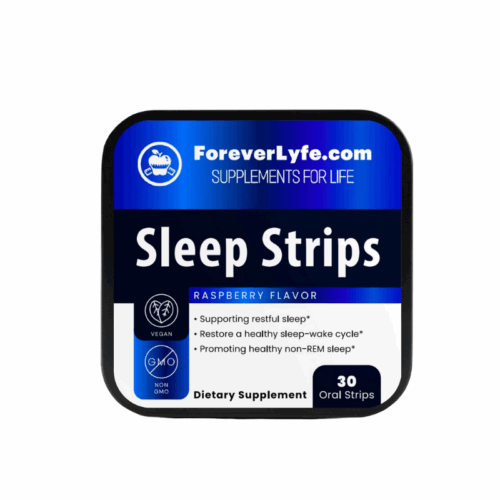
Lyfe Sleep Strips
Original price was: $36.50.$28.75Current price is: $28.75. Buy From The Official Website -
Sale!
Hiya Kids Bedtime Essentials
Original price was: $35.00.$22.75Current price is: $22.75. https://meridianmedicalcentre.com/ -
Sale!
FluffCo Zen Pillow
Original price was: $111.09.$49.99Current price is: $49.99. Buy From The Official Website -
Sale!
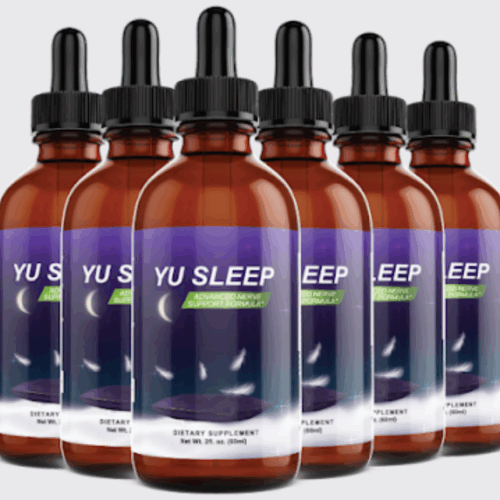
Yu Sleep
Original price was: $69.00.$39.00Current price is: $39.00. Buy From The Official Website