
Brain Tonic for Stress Relief is a calming wellness formula designed to support mental balance during demanding days. Created for individuals juggling work, responsibilities, and daily pressure, it helps promote relaxation, emotional steadiness, and clearer thinking without feeling sedated. This tonic fits easily into a daily routine and is ideal for those seeking natural support for stress management and mental resilience. By focusing on brain-centered wellness, it helps users feel more grounded, composed, and in control. Choose Brain Tonic for Stress Relief if you want gentle, consistent support for maintaining calm and focus in a fast-paced lifestyle.
Description
Stress has become one of the defining health challenges of modern life. Unlike acute stress, which can sharpen focus and improve short-term performance, chronic stress exerts a cumulative toll on the brain and body. Over time, it can affect mood, sleep quality, memory, metabolic health, immune function, and overall quality of life. As awareness of these effects has grown, so has interest in interventions that aim to support the brain’s resilience to stress.
One concept that has gained traction in recent years is the idea of a “brain tonic” for stress relief. The term appears across wellness literature, supplement marketing, and educational articles, often positioned as a way to nourish the nervous system, promote calm, and support mental balance. But what does “brain tonic” actually mean in a scientific sense? Is it a meaningful concept, or simply a modern label for older ideas about neurological support?
This research-based article takes a neutral, educational approach to the topic of brain tonics for stress relief. Rather than promoting any specific product, it examines the concept through the lens of neuroscience, physiology, and lifestyle medicine, exploring what science currently understands about stress, the brain, and interventions that may support resilience.
Understanding Stress From a Biological Perspective
Stress is not merely a psychological experience; it is a whole-body physiological response. When the brain perceives a threat—whether physical, emotional, or cognitive—it activates the hypothalamic-pituitary-adrenal (HPA) axis. This leads to the release of stress hormones such as cortisol and adrenaline, which prepare the body for action.
In short bursts, this response is adaptive. Problems arise when stress becomes chronic. Persistently elevated cortisol levels have been associated with changes in brain regions involved in memory, emotional regulation, and decision-making, particularly the hippocampus and prefrontal cortex.
Chronic stress has also been linked to:
- Increased neuroinflammation
- Disrupted neurotransmitter balance
- Altered sleep-wake cycles
- Reduced neuroplasticity
- Heightened anxiety and emotional reactivity
These findings help explain why prolonged stress often manifests as mental fatigue, irritability, difficulty concentrating, and disrupted sleep.
What Is a “Brain Tonic”?
The term “brain tonic” is not a formal medical classification. Historically, tonics were substances believed to strengthen or invigorate bodily systems. In modern wellness language, a brain tonic generally refers to nutritional or botanical interventions intended to support cognitive function, mood regulation, and neurological balance.
From an educational standpoint, a brain tonic for stress relief can be understood as any intervention—nutritional, behavioral, or lifestyle-based—that supports the brain’s ability to adapt to stress without becoming dysregulated.
This broad framing is important. Stress resilience is not determined by a single chemical or pathway, but by the interaction of multiple systems working together.
Neurochemistry and Stress Regulation
At the neurochemical level, stress affects several key signaling systems. Understanding these systems helps clarify why certain nutrients and lifestyle practices are often discussed in the context of stress relief.
Key players include:
- Cortisol, the primary stress hormone, which helps mobilize energy but can impair cognition when chronically elevated
- Gamma-aminobutyric acid (GABA), an inhibitory neurotransmitter that promotes calm and reduces neural excitability
- Serotonin, involved in mood regulation and emotional stability
- Dopamine, associated with motivation and reward processing
- Norepinephrine, which influences alertness and arousal
Stress does not simply increase or decrease one neurotransmitter; it shifts the balance between them. Effective stress support strategies tend to focus on restoring equilibrium rather than suppressing the stress response entirely.
Nutritional Factors in Brain Stress Resilience
Nutrition plays a foundational role in how the brain responds to stress. The brain is metabolically demanding and sensitive to nutrient availability. Several nutrients have been studied for their role in supporting neurological function under stress.
Research has explored the role of:
- B-vitamins, which support energy metabolism and neurotransmitter synthesis
- Magnesium, involved in neural signaling and stress response modulation
- Omega-3 fatty acids, which contribute to neuronal membrane integrity and may influence inflammatory pathways
- Amino acids, such as tryptophan and tyrosine, which serve as precursors to neurotransmitters
While these nutrients do not eliminate stress, adequate intake appears to support the brain’s capacity to respond adaptively rather than maladaptively.
Botanical Compounds and Stress Adaptation
Many discussions of brain tonics include botanical compounds traditionally associated with calm and resilience. In scientific literature, some of these are categorized as adaptogens—substances believed to help the body adapt to stress.
Research on adaptogenic herbs has examined their potential effects on:
- Cortisol regulation
- Fatigue perception
- Cognitive performance under stress
- Mood stability
It is important to note that while some studies show promising results, findings are often context-dependent and vary based on dosage, extract quality, and individual response. Botanical compounds should be viewed as supportive tools rather than standalone solutions.
The Gut-Brain Axis and Stress
One of the most significant developments in neuroscience over the past two decades has been recognition of the gut-brain axis. This bidirectional communication system links the central nervous system with the gastrointestinal tract through neural, hormonal, and immune pathways.
Chronic stress can alter gut motility, permeability, and microbiota composition. Conversely, gut health can influence stress perception and emotional regulation.
This has led to growing interest in dietary patterns and nutrients that support gut health as indirect contributors to stress resilience. A brain tonic, viewed holistically, may involve supporting gut integrity as much as targeting the brain directly.
Sleep, Stress, and Cognitive Recovery
Sleep is one of the most powerful moderators of stress. During sleep, the brain engages in processes critical for emotional regulation, memory consolidation, and neural repair.
Chronic stress often disrupts sleep, and poor sleep in turn amplifies stress sensitivity. This creates a feedback loop that can be difficult to break.
From an educational perspective, any discussion of brain tonics for stress relief must acknowledge sleep as a central pillar. Nutritional or botanical supports may help, but without addressing sleep hygiene, their impact is likely limited.
Psychological and Behavioral Context
Stress is not solely a biochemical phenomenon. Cognitive appraisal—how an individual interprets and responds to stressors—plays a crucial role in determining physiological outcomes.
Practices shown to support stress resilience include:
- Mindfulness and meditation
- Cognitive behavioral strategies
- Physical activity
- Social connection
- Time spent in restorative environments
These interventions influence brain function through measurable changes in neural activity and stress hormone regulation. In many cases, their effects rival or exceed those of nutritional interventions.
Risks and Limitations of “Quick Fix” Approaches
One reason the concept of a brain tonic is appealing is the desire for simplicity. Chronic stress is exhausting, and people naturally seek solutions that feel manageable.
However, research cautions against overreliance on any single intervention. Potential risks include:
- Masking underlying causes of stress
- Neglecting lifestyle factors
- Unrealistic expectations
- Inconsistent results due to individual variability
Educational approaches emphasize that stress resilience is built over time, through layered and consistent practices.
Individual Variability in Stress Response
One of the most robust findings in stress research is variability. Two individuals exposed to the same stressor can have vastly different physiological and psychological responses.
Factors influencing this variability include:
- Genetics
- Early life experiences
- Current lifestyle habits
- Social support
- Baseline health status
This variability explains why a brain tonic approach that benefits one person may have little effect for another. It also underscores the importance of personalization.
Evaluating Brain Tonic Claims Critically
From a research literacy standpoint, it is useful to distinguish between supportive language and deterministic claims. Phrases such as “supports calm” or “promotes balance” reflect a probabilistic understanding of biology. Claims implying guaranteed outcomes do not.
When evaluating educational content about brain tonics for stress relief, useful questions include:
- Is the mechanism plausible based on current science?
- Are limitations acknowledged?
- Is lifestyle context included?
- Is individual variability recognized?
These markers help distinguish education from oversimplification.
Integrating Brain Tonics Into a Broader Framework
The most evidence-aligned interpretation of a brain tonic for stress relief is not as a product category, but as a framework. Within this framework, multiple elements work together to support neurological resilience.
These elements include:
- Adequate nutrition
- Regular physical activity
- Restorative sleep
- Psychological coping skills
- Social and environmental support
Nutritional or botanical supports may enhance this framework, but they do not replace it.
Why the Concept Resonates Today
The popularity of brain tonics reflects broader societal conditions. Many people experience sustained cognitive and emotional pressure without adequate recovery. Traditional healthcare systems often focus on acute symptoms rather than resilience.
The brain tonic concept resonates because it speaks to prevention, nourishment, and balance—ideas that feel empowering in contrast to crisis-driven care.
A Balanced, Research-Based Perspective
From an educational standpoint, brain tonics for stress relief are best understood as supportive strategies rather than definitive solutions. They draw from legitimate areas of neuroscience and nutrition, but their effectiveness depends heavily on context.
Science does not currently support the idea of a single substance that neutralizes stress. What it does support is a systems-based approach that strengthens the brain’s capacity to adapt.
Conclusion
Stress is an unavoidable part of modern life, but chronic stress does not have to dictate mental well-being. The concept of a brain tonic for stress relief reflects growing interest in proactive, supportive approaches to neurological health.
When grounded in science, this concept emphasizes nourishment, balance, and resilience rather than suppression or escape. Nutrition, lifestyle practices, psychological skills, and—where appropriate—supportive compounds all play roles in helping the brain navigate stress more effectively.
The most reliable path to stress resilience is not found in any single intervention, but in thoughtful integration of evidence-based practices tailored to individual needs. In that context, brain tonics are not cures, but potential contributors to a broader strategy for long-term cognitive and emotional health.
Related products
-
Sale!

Whyff Rebal Herbal Inhaler
Original price was: $14.99.$11.99Current price is: $11.99. Buy From The Official Website -
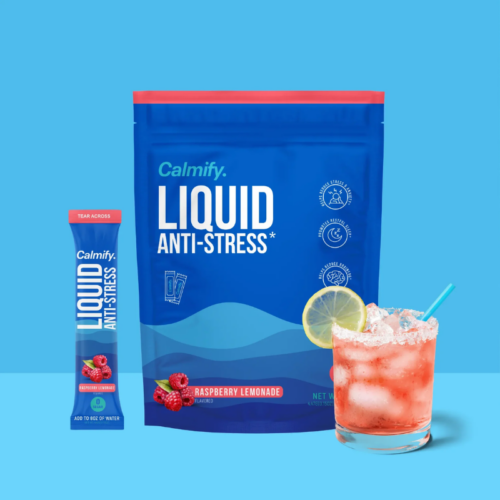
Calmify Drink
$29.95 Buy From The Official Website -
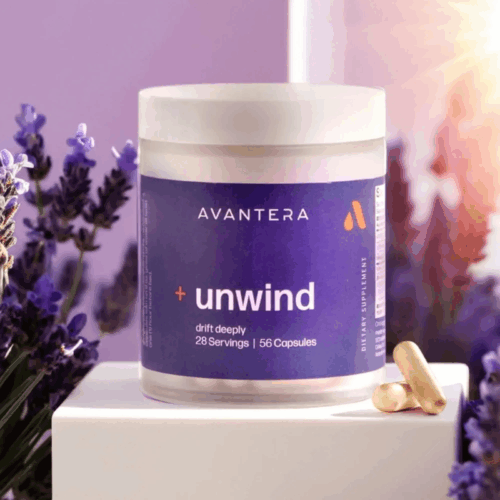
Avantera Unwind
$39.95 Buy From The Official Website -
Sale!

New Day Rising Rise
Original price was: $69.00.$39.00Current price is: $39.00. Buy From The Official Website