
The 7-Day Metabolic Nano Microneedle Patch is a wearable wellness patch designed for users who prefer a simple, hands-free approach to daily routines. Applied directly to the skin, it offers a discreet alternative to pills or powders and fits easily into busy lifestyles. Lightweight and easy to use, the patch is designed for short-term wear without disrupting normal activities. Ideal for individuals exploring modern wellness formats, this product emphasizes convenience, consistency, and ease of application for those seeking a low-maintenance addition to their daily routine.
Description
The promise is seductive. A small patch placed on the skin, working quietly in the background, allegedly “activating metabolism,” triggering fat loss, and delivering visible results in just seven days. No dieting overhaul. No intense workouts. No injections or pills. Just stick it on and let “nano microneedle technology” do the rest.
For many people frustrated by years of failed weight-loss attempts, claims like these feel like a lifeline.
But when a product leans heavily on scientific-sounding language while offering very little verifiable evidence, it raises an important question: what’s really going on behind the marketing?
This research blog takes a careful, non-sensational look at the so-called 7-Day Metabolic Nano Microneedle Patch — examining how it is promoted, what the science actually says about microneedle technology, and why consumer-protection experts have raised serious concerns.
This is not a hit piece. It’s a reality check.
The Appeal of “Effortless” Weight-Loss Solutions
Weight management is emotionally charged. People don’t just want results — they want relief from constant effort, self-blame, and disappointment. Products that promise simplicity tap directly into that emotional exhaustion.
The 7-Day Metabolic Nano Microneedle Patch positions itself around several highly attractive ideas:
- Passive fat loss without lifestyle changes
- Fast results within a specific, short timeframe
- Advanced technology that feels “medical” or cutting-edge
- A non-oral alternative for people who dislike pills or powders
These elements aren’t accidental. They are carefully chosen because they address common objections people have toward traditional weight-loss methods.
The problem isn’t the desire for innovation. The problem is when innovation is claimed without evidence.
What the Patch Claims to Do
Across promotional materials and advertorial-style pages, the patch is commonly described using phrases such as:
- “Activates dormant metabolism”
- “Uses nano microneedles to deliver fat-burning compounds”
- “Targets stubborn fat areas”
- “Works even while you sleep”
- “Clinically inspired technology”
At a glance, this language creates the impression of legitimacy. Microneedles are, after all, a real technology used in some medical and cosmetic applications.
But credibility isn’t about vocabulary — it’s about verifiable context.
Understanding Microneedle Technology (In Reality)
Microneedles are tiny needle-like structures designed to penetrate the outermost layer of the skin without reaching deeper tissues. In regulated settings, they have been explored for:
- Vaccine delivery
- Certain dermatological treatments
- Controlled drug delivery under strict supervision
However, there are important limitations:
- Microneedles do not magically “activate metabolism”
- They require precise formulation, dosage, and testing
- Approved microneedle products are regulated and transparent
- Effects are localized, not systemic, unless rigorously designed
In legitimate medical research, microneedle systems undergo years of testing, including pharmacokinetics, safety profiling, and clinical trials.
None of this evidence is publicly provided for the 7-Day Metabolic Nano Microneedle Patch.
The Problem With “Nano” as a Buzzword
“Nano” has become one of the most misused terms in modern product marketing. While nanotechnology is a real scientific field, its use in consumer advertising often serves a different purpose: authority signaling without explanation.
In this case:
- No particle size specifications are disclosed
- No delivery mechanism is clearly explained
- No ingredient absorption data is provided
- No peer-reviewed studies are cited
When a product relies on “nano” as a standalone selling point, without measurable parameters, it’s a red flag — not a breakthrough.
Where Are the Ingredients?
One of the most striking issues surrounding the patch is the lack of transparent ingredient disclosure.
In credible health-related products, you expect to see:
- A full ingredient list
- Exact dosages or concentrations
- Known mechanisms of action
- Safety warnings or contraindications
With the 7-Day Metabolic Nano Microneedle Patch, ingredient information is often vague, hidden, or entirely absent.
This matters because delivery method does not replace substance. A patch can only work if what it delivers is both effective and safe — and consumers have the right to know what they’re putting on their bodies.
The Seven-Day Claim: Why Time-Bound Promises Matter
One of the most persuasive elements of the product’s marketing is the specific time frame: seven days.
Short timelines create urgency and hope. But biologically speaking, meaningful metabolic changes rarely happen that quickly — especially without changes in diet, activity, or hormonal regulation.
Metabolism is influenced by:
- Genetics
- Muscle mass
- Hormonal balance
- Caloric intake
- Long-term behavioral patterns
No credible research suggests that a topical patch can override these systems in a week.
When marketers attach a precise timeline to a complex biological process, skepticism is warranted.
Borrowed Authority and Manufactured Credibility
Another pattern seen in promotions for this patch is the use of:
- Stock images of people in lab coats
- Vague references to “doctors” or “scientists”
- Claims of being “used overseas” or “banned elsewhere”
- Testimonials without verifiable identities
These techniques are commonly flagged by consumer-protection analysts because they simulate trust rather than earning it.
Real medical products identify:
- The research institution
- The clinical team
- The regulatory pathway
- The published evidence
None of these are clearly provided here.
Why Scam-Watchdog Sites Took Notice
Consumer-protection platforms tend to focus on patterns, not isolated complaints. Products like the 7-Day Metabolic Nano Microneedle Patch often raise attention due to overlapping warning signs:
- Aggressive advertising funnels
- Limited-time countdowns
- Rebranded copies of similar products
- Claims that shift depending on the audience
- Difficult refund processes
These are not indicators of innovation. They are indicators of high-pressure marketing ecosystems.
Psychology Behind the Marketing
Understanding why these products sell helps explain why they persist.
They often target:
- People who feel stuck after repeated failures
- Consumers overwhelmed by conflicting health advice
- Individuals looking for “one last solution”
- Those drawn to tech-driven narratives
The patch isn’t just selling weight loss. It’s selling relief from effort — and that’s a powerful emotional lever.
What Responsible Weight-Management Solutions Look Like
Legitimate weight-management approaches, whether medical or lifestyle-based, tend to share certain characteristics:
- Realistic timelines
- Clear explanations of how they work
- Transparent risks and limitations
- Encouragement of sustainable habits
- Professional oversight when appropriate
They don’t promise shortcuts. They don’t guarantee outcomes. And they don’t hide behind jargon.
Frequently Asked Questions
- Is microneedle technology real?
Yes, microneedle technology exists in regulated medical and cosmetic contexts. However, its use requires rigorous testing, clear formulations, and professional oversight. The existence of the technology does not validate every consumer product that claims to use it. - Can a patch really boost metabolism in seven days?
There is no credible evidence showing that a topical patch can meaningfully alter metabolic function within a week without broader physiological changes. - Are these patches approved by health authorities?
There is no publicly available evidence indicating regulatory approval or clinical validation for this specific product. - Why don’t they list ingredients clearly?
Lack of ingredient transparency is a common red flag in questionable health products. Consumers should always know what they are using. - Are testimonials reliable proof?
Testimonials alone are not scientific evidence. Without verification, they should be treated as marketing content, not data. - What should consumers do before trying products like this?
Research the product thoroughly, consult qualified professionals, and be cautious of claims that sound too good to be true.
Final Thoughts: Innovation Requires Evidence
The idea of a painless, effortless solution to weight management is understandably appealing. And innovation in health technology is real and ongoing.
But real innovation leaves a paper trail — studies, disclosures, regulation, and accountability.
The 7-Day Metabolic Nano Microneedle Patch, as currently marketed, relies far more on persuasive language than on transparent science. Until credible evidence is presented, consumers would be wise to approach such claims with caution and curiosity rather than blind trust.
Related products
-
Sale!
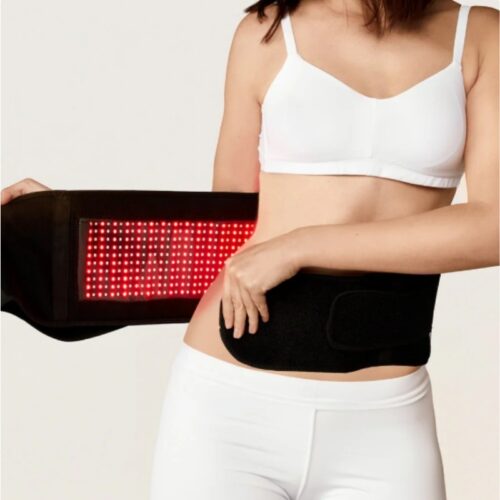
LumaLean Pro
Original price was: $249.95.$109.95Current price is: $109.95. Buy From The Official Website -
Sale!

HepatoBurn
Original price was: $79.00.$49.00Current price is: $49.00. Buy From The Official Website -
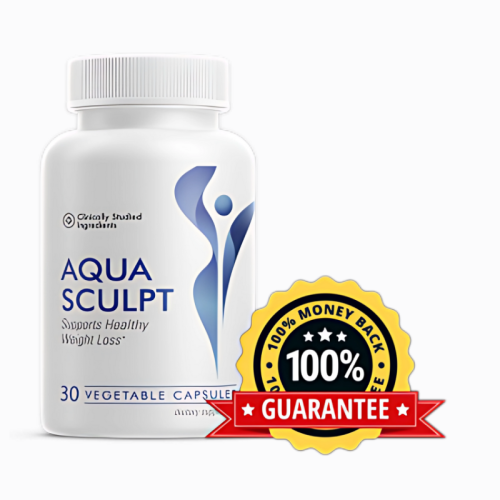
AquaSculpt
$39.00 Buy From The Official Website -
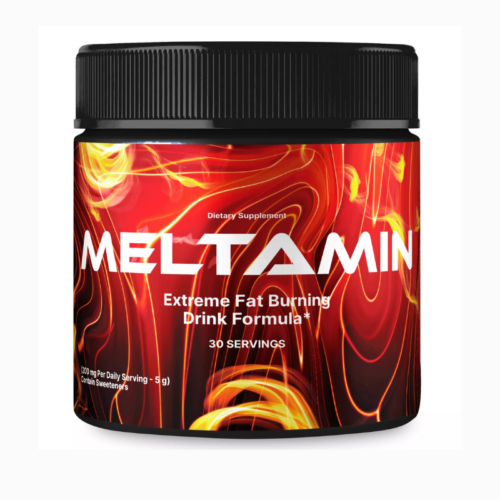
Meltamin
$39.95 Buy From The Official Website