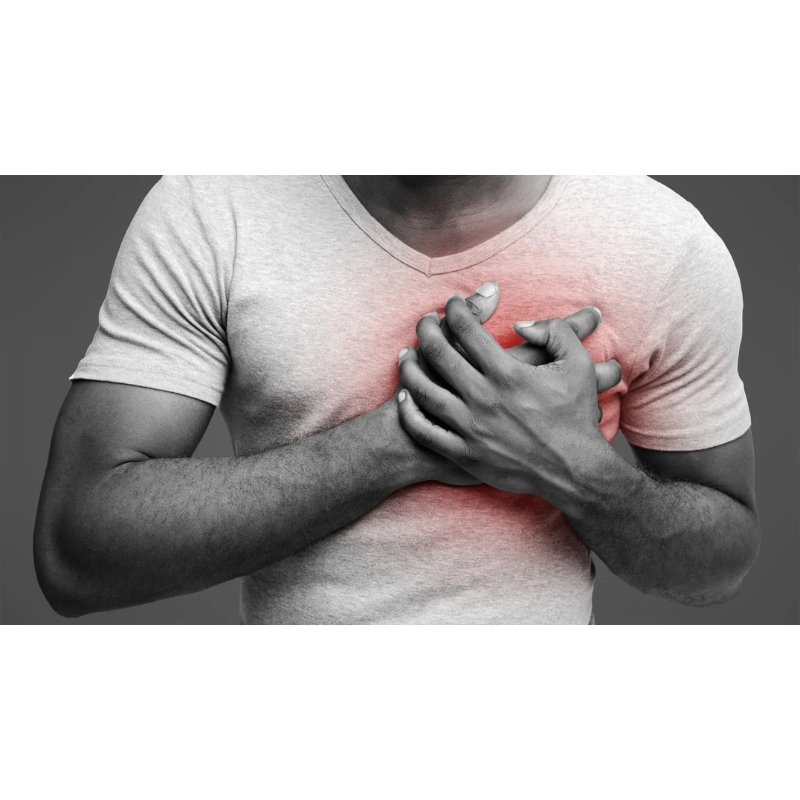
Unlock a healthier heart with the revolutionary 7 Second Trick to Prevent Heart Attack. This practical guide teaches simple, quick techniques designed to enhance your heart health, reduce stress, and stimulate circulation. Learn effective deep breathing, muscle tensing, and grounding methods that can be integrated into your daily routine. Emphasizing real prevention strategies, this product offers insights from medical professionals to help you recognize symptoms and take action. Choose this essential tool to empower yourself with knowledge and proactive measures against heart disease. Invest in your heart health today and embrace a lifestyle of wellness!
Description
Heart disease remains the top cause of death around the world. It claims millions of lives each year and affects people across all ages and lifestyles. In India, heart-related illnesses cause over a quarter of all deaths. As awareness grows, more people are looking for quick, practical ways to protect their hearts. One viral trend making rounds online is the “7-second trick to prevent heart attack.”
This blog looks at what this trick involves, what science says about it, and what methods truly keep your heart strong and healthy.
Understanding the Idea Behind the 7-Second Trick
The “7-second trick” refers to a short breathing or movement exercise said to support blood circulation and calm the nervous system. It usually includes:
-
Deep breathing for several seconds
-
Coughing to stimulate the heart
-
Tensing muscles to push blood flow
-
Grounding or focusing exercises to reduce stress
These techniques claim to give the heart a quick “reset,” especially in stressful moments or at the first signs of chest discomfort. But the question remains: can such a short trick really prevent a heart attack?
The Truth About the 7-Second Trick
There is no scientific evidence that a single trick or exercise can stop or prevent a heart attack. A heart attack happens when blood flow to part of the heart muscle is blocked. This requires medical care, not a quick breathing or coughing routine.
Still, some 7-second methods have indirect benefits. Deep breathing and muscle relaxation help regulate heart rhythm and reduce stress. These effects, over time, may lower risk factors for heart disease.
Let’s break down two common versions of this trick that often circulate online.
1. The “Cough CPR” Technique
You may have seen social media posts claiming that forceful coughing every few seconds during a heart attack can keep blood flowing to the brain. This method is called “Cough CPR.”
How it’s done:
-
Take a deep breath.
-
Cough hard every two seconds.
The claim: Coughing helps maintain blood circulation during a heart rhythm issue.
The reality: Cough CPR has limited use. Doctors may guide patients to use it only in certain hospital situations while under medical supervision. It is unsafe for home use and can delay proper emergency action.
If you suspect a heart attack, you should never rely on coughing or breathing tricks. Call emergency services right away.
2. Deep Breathing and Stress Regulation
Deep breathing exercises are different. They are proven to lower stress, blood pressure, and heart rate over time.
Try this 7-second breathing cycle:
-
Inhale for 4 seconds.
-
Hold for 1 second.
-
Exhale for 3 seconds.
Repeat this 10 times each morning or whenever you feel anxious. This pattern activates the parasympathetic nervous system, which helps calm the body and balance blood pressure.
While it won’t stop a heart attack in progress, this daily habit supports heart health in the long run.
Why the 7-Second Trick Went Viral
The idea of saving your life in a few seconds sounds appealing. It’s simple, shareable, and gives people a sense of control. But heart health doesn’t depend on one quick fix. It depends on long-term habits that strengthen your heart and arteries over years.
The 7-second trick gained attention because it mixes real medical ideas—like breathing control and circulation—with catchy claims. The truth is more practical: breathing exercises help reduce stress and blood pressure but don’t act as emergency treatments.
Understanding Real Heart Attack Prevention
Prevention is a lifestyle. You protect your heart by managing daily habits, regular check-ups, and early recognition of symptoms. Let’s explore what works and what doesn’t.
Know the Early Warning Signs
Recognizing the first signs of a heart attack is vital. The faster you act, the higher the chance of survival.
Common symptoms include:
-
Pressure, squeezing, or fullness in the chest
-
Pain spreading to the jaw, neck, or left arm
-
Sudden shortness of breath
-
Dizziness, nausea, or cold sweat
-
Fatigue, especially in women
If you notice these signs, stop your activity, stay calm, and call emergency services immediately. Do not drive yourself to the hospital.
Practice Daily 7-Second Breathing Sessions
You don’t need a “trick” to improve heart function. You need consistency. Set aside 5–10 minutes daily for deep breathing or mindfulness.
Benefits include:
-
Lower blood pressure
-
Reduced heart rate
-
Lower cortisol levels (stress hormone)
-
Better oxygen flow
Regular breathing exercises help the heart recover faster after stress. Pair this with light stretching or short walks for best results.
The Role of Regular Health Screenings
Preventive screenings are one of the most effective ways to detect hidden heart risks before symptoms appear. Many heart problems build silently for years.
Get checked for the following:
-
Blood pressure every 6 months
-
Cholesterol and lipid profile once a year
-
Blood sugar (fasting and post-meal) every 6–12 months
-
Electrocardiogram (ECG) or treadmill test annually after age 40
-
Body mass index and waist circumference at every visit
If you have a family history of heart disease, ask your doctor about advanced tests such as CT coronary angiogram or echocardiogram.
Build a Heart-Healthy Diet
You can prevent most heart attacks with food and lifestyle changes. What you eat has a direct impact on your blood vessels, cholesterol, and blood pressure.
Follow these dietary rules:
Eat More of:
-
Leafy greens like spinach, kale, and fenugreek
-
Fruits rich in antioxidants such as berries, pomegranate, and oranges
-
Whole grains including oats, quinoa, and brown rice
-
Omega-3 rich fish like salmon, sardine, or mackerel
-
Nuts such as walnuts and almonds
-
Garlic and turmeric for their natural anti-inflammatory effects
Eat Less of:
-
Processed meats such as sausages and bacon
-
Sugary snacks, desserts, and soft drinks
-
Fried foods and trans fats
-
Excess salt and refined oils
Nutrition experts recommend following the DASH diet—short for Dietary Approaches to Stop Hypertension. It focuses on whole foods, low sodium, and balanced nutrients proven to reduce heart disease risk.
Drink plenty of water, limit alcohol, and avoid smoking. These small choices protect your arteries and keep your blood vessels flexible.
Keep Your Body Active Every Day
Lack of movement is one of the strongest predictors of heart attack. The heart is a muscle—it needs regular exercise to stay strong.
You don’t need a gym to protect your heart. Start with small steps:
-
Brisk walking for 30 minutes daily
-
Light yoga or stretching for 15 minutes
-
Strength training twice a week
-
Taking stairs for 5–10 minutes
Even short bursts of effort, like a 7-second stair climb or brief sprint, improve blood flow and activate the heart muscle.
For best results:
-
Exercise at least 150 minutes a week.
-
Avoid sitting for long hours.
-
Include movement breaks during work.
Consistency matters more than intensity.
Manage Stress Before It Manages You
Chronic stress triggers inflammation, high blood pressure, and irregular heartbeat. These conditions increase your risk of heart disease.
You can manage stress with simple daily actions:
-
Practice deep breathing for a few minutes each morning.
-
Spend time outdoors or in sunlight.
-
Maintain healthy sleep habits.
-
Stay connected with family and friends.
-
Meditate or pray if it helps calm your thoughts.
Mind-body connection plays a strong role in heart health. When your mind is calm, your body follows.
Quit Smoking and Limit Alcohol
Smoking is one of the fastest ways to damage your arteries. It reduces oxygen supply and raises blood pressure. Quitting lowers your risk of heart disease within months.
If you drink, do so in moderation. Excess alcohol leads to weight gain, liver problems, and irregular heart rhythm. Experts suggest no more than one drink per day for women and two for men.
Get Enough Quality Sleep
Sleep restores your heart and regulates hormones that control stress and blood pressure. Lack of sleep increases inflammation and insulin resistance.
Aim for 7–8 hours of sleep each night. Keep a consistent schedule and limit screens before bedtime.
If you snore loudly or wake up tired, talk to a doctor about sleep apnea, a condition linked to high blood pressure and heart disease.
Maintain a Healthy Weight
Being overweight strains your heart and raises cholesterol and blood sugar. Losing even a few kilos makes a big difference.
To maintain healthy weight:
-
Eat balanced meals with smaller portions.
-
Avoid late-night eating.
-
Drink water before meals to control appetite.
-
Combine cardio and strength exercises.
A healthy body mass index (BMI) between 18.5 and 24.9 lowers your long-term heart risk.
Keep Your Blood Pressure and Sugar Under Control
High blood pressure and diabetes silently damage arteries over time. Regular monitoring helps prevent complications.
Tips to manage blood pressure:
-
Reduce salt to less than one teaspoon daily.
-
Avoid packaged snacks and sauces.
-
Include potassium-rich foods like bananas and spinach.
Tips to manage blood sugar:
-
Eat at consistent times.
-
Choose whole grains instead of refined carbs.
-
Add fiber-rich vegetables to each meal.
Both conditions improve with exercise and a balanced diet.
What to Do During a Suspected Heart Attack
Every second matters during a heart emergency. Acting fast can save a life.
If you think you or someone near you is having a heart attack:
-
Stop all activity and sit down.
-
Chew one full aspirin (325 mg) slowly if not allergic.
-
Stay calm and breathe deeply.
-
Call emergency services immediately.
-
Loosen tight clothing and avoid driving yourself.
Do not delay help or rely on unverified online “tricks.” A hospital with emergency care is the safest place to be.
Myths About Quick Heart Attack Fixes
Many viral tips sound helpful but can be dangerous. Here are common myths to avoid:
-
Myth 1: You can prevent a heart attack by coughing hard.
-
Fact: This works only in rare medical settings and not during sudden cardiac arrest.
-
-
Myth 2: Drinking water or taking deep breaths can reverse a heart attack.
-
Fact: These actions do not open blocked arteries. Only medical treatment does.
-
-
Myth 3: Heart attacks only affect older men.
-
Fact: Women and younger adults also face rising risk, especially with stress and poor lifestyle habits.
-
-
Myth 4: If pain passes quickly, it’s not serious.
-
Fact: Even short chest discomfort can signal a partial blockage. Always check with a doctor.
-
Real-World Habits That Protect the Heart
To build long-term heart strength, focus on habits that work every day.
-
Eat whole foods and cook at home often.
-
Get at least seven hours of quality sleep.
-
Keep stress levels in check.
-
Move your body daily.
-
Go for routine medical tests even if you feel fine.
-
Avoid smoking and heavy drinking.
Heart disease prevention works best when you combine these habits, not when you look for shortcuts.
The Science Behind Breathing and Heart Health
Even though the 7-second trick doesn’t prevent heart attacks directly, controlled breathing has measurable benefits.
Research shows slow, deep breathing can:
-
Lower systolic and diastolic blood pressure
-
Improve oxygen exchange in the lungs
-
Increase heart rate variability (a sign of cardiovascular resilience)
-
Support better sleep and emotional stability
Try the 4-1-3 pattern daily:
-
Inhale through your nose for 4 seconds.
-
Hold for 1 second.
-
Exhale through your mouth for 3 seconds.
Repeat for 5–10 minutes. Do this before sleep or during stress. Over time, your body learns to recover faster from tension.
Building a Daily Heart-Care Routine
Consistency matters more than intensity. Create a small daily plan that fits your schedule.
Morning:
-
Start with deep breathing for five minutes.
-
Stretch your body or walk outside.
Midday:
-
Eat a balanced meal rich in vegetables and healthy fats.
-
Take short breaks if you sit long hours.
Evening:
-
Avoid caffeine or heavy meals close to bedtime.
-
Spend quiet time without screens.
These steps lower daily stress and improve blood flow naturally.
When to See a Cardiologist
See a specialist if you experience:
-
Frequent chest tightness or shortness of breath
-
Irregular heartbeat or palpitations
-
Swelling in legs or ankles
-
Unexplained fatigue
-
Family history of early heart disease
Early medical advice can prevent serious damage. Many heart problems can be treated when found early.
Modern Technology in Heart Care
Advances in medical technology make heart health monitoring easier than ever. Smartwatches, fitness bands, and portable ECG devices track heart rate, oxygen levels, and activity.
These tools are helpful, but they don’t replace professional care. Use them to stay informed, not self-diagnose. Always consult a doctor if readings seem abnormal.
Key Takeaways
The 7-second trick to prevent heart attack may sound clever, but it’s not a proven medical method. Breathing or coughing techniques might calm your body, yet they cannot stop a heart attack once it starts.
True prevention relies on:
-
Healthy diet
-
Regular exercise
-
Stress control
-
Routine check-ups
-
Quick action during emergencies
Focus on lifestyle, not shortcuts. A healthy heart grows stronger through daily care, not viral tricks.
Final Thoughts
The idea of saving yourself in seven seconds appeals to everyone, but real protection takes daily commitment. Deep breathing, short movement breaks, and mindfulness can support your cardiovascular system. Still, prevention is not a single act—it’s a lifelong effort.
Start small. Move more. Eat whole foods. Sleep well. Stay calm under stress. These are the real “tricks” that work every time.
Your heart beats about 100,000 times a day. Each beat keeps you alive. Treat it with respect, and it will reward you with strength, energy, and longevity.
Related products
-
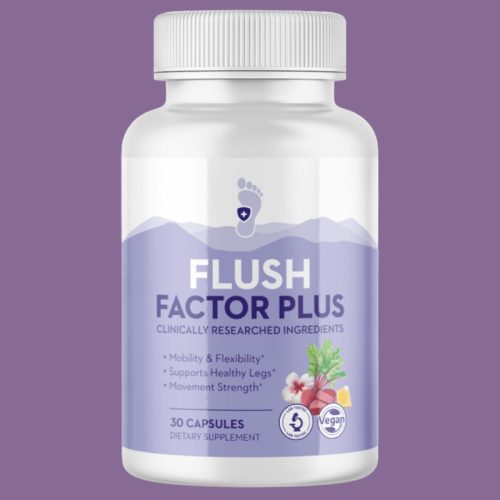
Flush Factor Plus Supplement
$69.00 Buy From The Official Website -
Sale!

Flush Factor Plus
Original price was: $99.00.$69.00Current price is: $69.00. Buy From The Official Website -
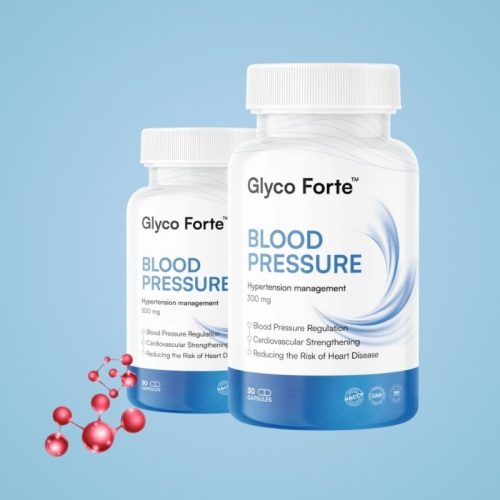
Glyco Forte Blood Pressure
$77.84 Buy From The Official Website -

Clear Flux Supplement
$69.00 Buy From The Official Website