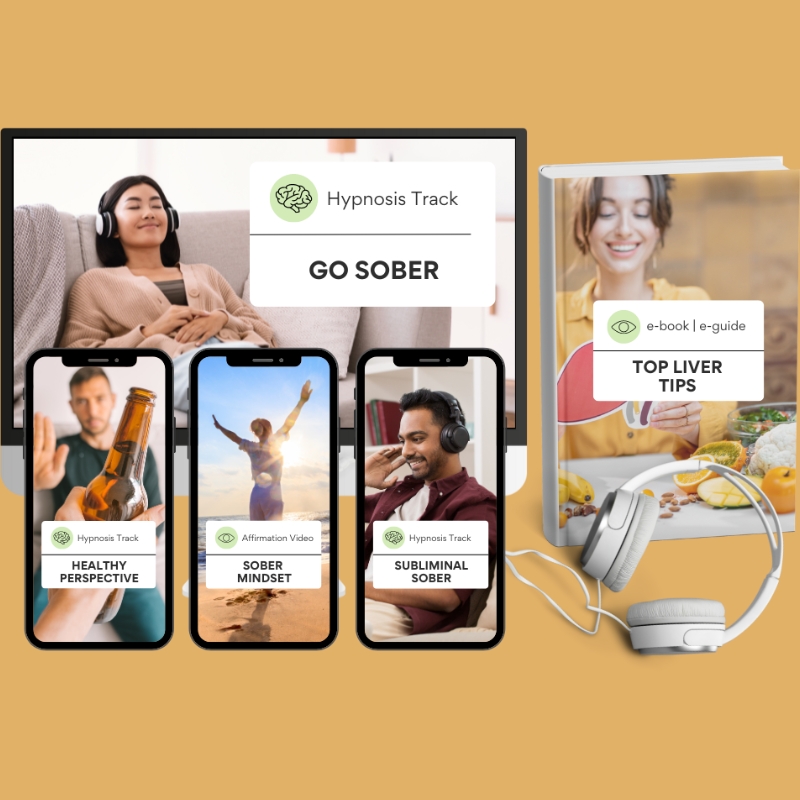
Alcohol Free Month is a structured, mindset-focused digital program designed to help individuals take a confident break from alcohol for 30 days. Instead of relying on sheer willpower, it uses practical psychological techniques to support habit change, reduce cravings, and make the alcohol-free experience feel more manageable. Ideal for people who want a reset, greater clarity, and a healthier relationship with drinking, this program fits seamlessly into everyday life. Alcohol Free Month is a supportive, self-guided approach for anyone looking to regain control, feel more balanced, and explore alcohol-free living with confidence—without pressure, judgment, or extreme measures.
Description
Each January, millions worldwide take on a simple yet potentially transformative challenge: go alcohol-free for a full month. Often tied to cultural movements like Dry January and popular wellness trends, the concept of an Alcohol Free Month has become both an individual goal and a global phenomenon.
One particular version of this concept — a structured plan labeled Alcohol Free Month associated with hypnotherapist Georgia Foster — attracts attention for its behavioral focus and storytelling about overcoming habitual drinking. Understanding this brand and the broader context of alcohol-free challenges can help readers make informed decisions about their own health goals.
This article examines:
-
What an Alcohol Free Month is and why people pursue it
-
The evidence-based benefits of abstaining from alcohol for 30 days
-
Psychological and behavioral frameworks that support success
-
How the Alcohol Free Month offering fits into this landscape
-
Practical guidance for anyone considering an alcohol-free challenge
What Is an “Alcohol Free Month”?
At its core, an Alcohol Free Month is a self-initiated period during which a person abstains from consuming alcohol for approximately 30 or 31 days. While Dry January (which began in the United Kingdom in 2013) is the most widely recognized iteration, similar initiatives occur year-round and carry different names such as Sober October or Alcohol-Free August.
The aim of an alcohol-free month can vary by individual:
-
A health-focused reset after festive seasons
-
A behavioral experiment to reassess drinking habits
-
A structured challenge to improve wellbeing
-
A stepping stone to longer-term moderation
From a public health perspective, these initiatives are not necessarily about never drinking again; they’re about taking a period of abstinence to reflect on one’s relationship with alcohol and, importantly, reduce harm associated with excessive drinking.
Alcohol Free Month as a Brand
The Alcohol Free Month brand (found at offers.georgiafoster.com/alcoholfreemonth/) presents a structured approach to completing a dry month — particularly in January — using a mind-based framework. According to the provided source, the program:
-
Promotes a “Brain Switch” method to make the abstinence period feel easier and less reliant on willpower
-
Claims to help participants achieve an alcohol-free month “without pain, extraordinary willpower, and fear of giving in”
-
Emphasizes benefits such as improved liver health, clearer sleep, reduced weight, and more energy
-
Frames itself as a scientifically supported plan to assist people regardless of how long they’ve been drinking
The brand narrates this challenge through motivational language and anecdotal success stories, positioning the method as a tool to help people succeed where prior attempts may have failed.
While widespread scientific validation for any singular “brain switch” method is limited, the broader concept of using psychological techniques — including mindset shifts and behavior change strategies — is aligned with research on habit formation and addiction psychology. (We’ll explore this more below.)
Scientific and Practical Benefits of a Month Off Alcohol
Even without structured coaching, there is credible evidence that abstaining from alcohol for a sustained period — such as a month — can yield measurable benefits for many people. Research and health organizations highlight several areas of improvement:
1. Improved Sleep Quality
Alcohol disrupts normal sleep architecture, reducing the restorative stages of sleep despite initially sedating effects. After about a month without alcohol, many people report deeper, more consistent sleep.
2. Better Mental Clarity and Mood
In a 30-day alcohol-free period, mood stabilization and clearer cognition are commonly noted. These changes are linked not only to the absence of alcohol’s depressant effects but also to improved regulation of neurotransmitters involved in mood.
3. Physical Health Markers
Taking a break from alcohol can reduce calorie intake and decrease liver burden, contributing to modest weight loss and reduced fat deposition around the liver. Over time, lower alcohol exposure may ease inflammation and improve metabolic markers.
4. Financial and Lifestyle Benefits
Participants often experience financial savings and greater engagement in alternative social activities or hobbies. The absence of alcohol can shift how free time is spent and how stress is managed — with potential health and social benefits.
It’s important to note that these outcomes are trends identified across many individuals; results vary based on baseline drinking patterns, overall health, and concurrent lifestyle factors.
Why a Month Is Meaningful: Behavior Change Principles
Understanding why an alcohol-free month can be a powerful reset requires insight into how habits form and break. Behavioral science suggests that:
Short-term, achievable goals are more likely to be completed and maintained over time than vague or distant targets.
Habits are context-dependent — environmental cues and routines often trigger drinking behavior. Interrupting those triggers for a set period can weaken their automatic pull.
Positive reinforcement experienced during a break (better sleep, more energy) can motivate continued healthy behavior even after the month ends.
Structured programs often lean on these principles by providing:
-
Daily guidance
-
Reminders and tracking
-
Cognitive tools to reframe cravings
-
Supportive community or coaching
These approaches are similar in spirit to evidence-based behavior change interventions used in psychology, such as cognitive-behavioral strategies, mindfulness, and motivational enhancement. Programs that incorporate such elements are generally more effective than unsystematic attempts to quit alone.
The Context of Hypnotherapy and Mind-Based Techniques
The Alcohol Free Month brand references a psychological framework for altering one’s mindset toward alcohol. Techniques like hypnosis and cognitive reframing are designed to access deeper cognitive processes to change unwanted behaviors. Indeed, some research supports the use of hypnotherapy for habit and addiction management, although evidence varies in quality and effect size.
Hypnotherapy is not a guaranteed cure, but when delivered responsibly by trained professionals, it can be a complementary tool alongside other behavior-change strategies. Any claims of guaranteed success or “zero willpower needed” should be interpreted cautiously, especially in the absence of independent clinical trials specific to that method.
If someone has a history of heavy drinking or alcohol dependency, structured clinical support, counseling, or medical consultation should be sought. Psychological tools are most effective when part of a comprehensive strategy tailored to individual needs.
How to Approach a Successful Alcohol Free Month
Whether someone engages a structured program or goes it alone, evidence-based strategies for success include:
Set a Clear Intention and Timeline
Decide why the challenge matters to you and document your reasons. This provides motivation on tougher days.
Track Progress
Journaling, apps, or daily check-ins help maintain momentum.
Replace Rituals
Identify alternative activities that fulfill the emotional or social role alcohol once held — like herbal tea with friends, exercise, or creative hobbies.
Anticipate Challenges
Social events, stress triggers, or habits tied to specific times (like after work) can challenge abstinence. Planning alternatives or support helps.
Seek Support
Some people benefit from peer groups, coaching, or digital communities that offer encouragement and accountability.
These practical steps align with principles of self-management and habit change widely recommended by health professionals for behavior modification.
Alcohol Free Month and Liver Health
One reason many people attempt an alcohol-free month is to reduce liver stress. Alcohol metabolism primarily occurs in the liver, and chronic drinking can contribute to fatty liver changes and inflammation.
Even a month without alcohol can ease the metabolic strain on the liver and support improvements in liver enzymes — although the degree of change depends on baseline health and drinking patterns.
It’s crucial to clarify that reversing clinical liver disease is a medical issue and should be overseen by healthcare professionals. An alcohol-free month can be a meaningful health milestone, but it does not replace medical evaluation or treatment for diagnosed liver conditions.
Risks and Considerations
Abstaining from alcohol for a month is generally safe for many people. However:
-
Heavy drinkers or those with alcohol dependence may experience withdrawal symptoms. If someone consumes alcohol heavily on a regular basis, abrupt cessation can cause serious symptoms requiring medical oversight.
-
Psychological support may be necessary for individuals with co-occurring conditions like depression or anxiety.
-
Medical conditions and medication interactions should always be discussed with a healthcare provider before making significant changes to alcohol consumption.
For anyone with concerns about alcohol use or related health conditions, consulting a qualified medical professional is recommended.
Conclusion
Alcohol Free Month — both as a concept and as the structured brand offering discussed here — sits at the intersection of personal wellbeing goals and broader cultural movements around mindful drinking.
Abstaining from alcohol for a defined period can offer measurable benefits for many individuals. The behavioral and psychological frameworks that support these challenges — including goal setting, habit formation, and mindset shifts — are rooted in established principles of health psychology.
When approached with realistic expectations, support where needed, and an evidence-informed strategy, an alcohol-free month can serve as a valuable reset — regardless of whether someone continues with lifelong moderation or returns to mindful, balanced consumption afterward.
If you’re reading this on meridianmedicalcentre.com because you’re contemplating a month without alcohol, remember this: success isn’t defined by perfection but by reflection, progress, and well-informed intention.
Related products
-
Sale!
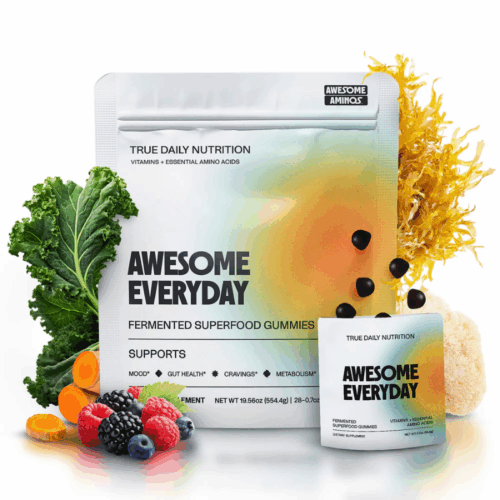
Awesome Aminos Awesome Everyday
Original price was: $70.00.$59.00Current price is: $59.00. Buy From The Official Website -
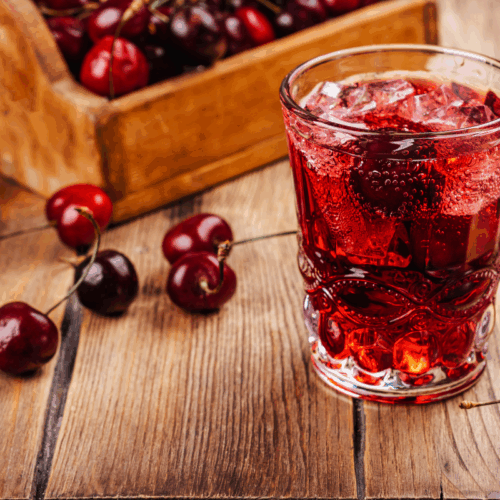
Moon Juice Sleepy Girl Mocktail
Buy From The Official Website -
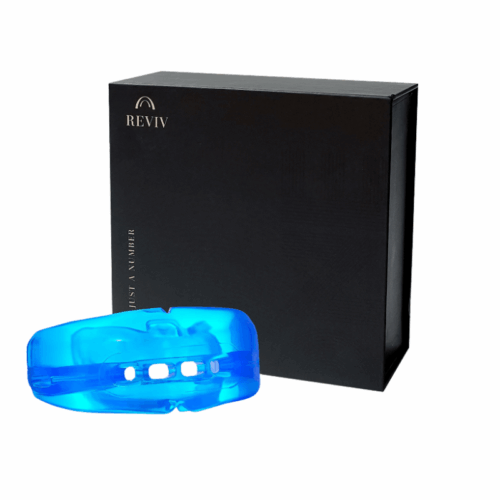
Reviv MouthGuard
$100.00 Buy From The Official Website -
Sale!
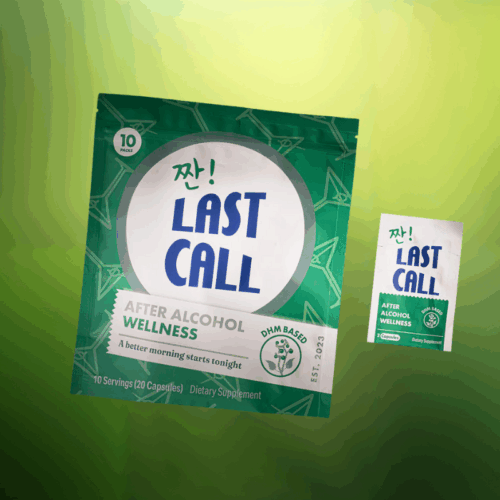
Last Call Hangover Supplement
Original price was: $34.99.$29.74Current price is: $29.74. Buy From The Official Website