
Description
Sleep is one of the most fundamental biological processes supporting brain and body health. Yet for millions of people, restful sleep is increasingly difficult to achieve. Modern lifestyles—characterized by chronic stress, irregular schedules, artificial light exposure, and constant cognitive stimulation—place significant strain on the brain’s natural sleep-regulating systems. In response, interest has grown in approaches described as “brain tonics for sleep support.”
At its core, this concept reflects a shift away from viewing sleep problems as isolated nighttime issues and toward understanding them as outcomes of daytime neurological regulation. Rather than forcing sedation, a brain tonic framework emphasizes supporting the brain systems that initiate, maintain, and regulate healthy sleep.
This article explores the idea of brain tonics for sleep support from a neutral, research-oriented perspective. It examines the neuroscience of sleep, the mechanisms that disrupt it, and the lifestyle and nutritional factors that may help restore balance—without promoting any specific product or guaranteeing outcomes.
Understanding Sleep as a Brain-Regulated Process
Sleep is not a passive shutdown of consciousness. It is an active, highly regulated process orchestrated by the brain. Key regions involved include the hypothalamus, brainstem, thalamus, and cortex, all working in coordinated cycles.
Two major systems regulate sleep:
- The circadian rhythm, which aligns sleep-wake cycles with light and darkness
- The homeostatic sleep drive, which builds pressure to sleep based on time awake
Disruptions to either system can lead to difficulty falling asleep, staying asleep, or achieving restorative rest.
Importantly, sleep quality depends not only on nighttime conditions but also on how the brain is regulated throughout the day.
Neurochemistry of Sleep and Wakefulness
Several neurotransmitters and hormones play central roles in sleep regulation:
- Melatonin, which signals darkness and promotes sleep onset
- GABA, which reduces neural activity and facilitates relaxation
- Orexin, which promotes wakefulness and alertness
- Serotonin, involved in sleep architecture and mood regulation
- Adenosine, which builds sleep pressure during waking hours
Sleep problems often arise when the balance among these signals is disrupted. Chronic stress, irregular schedules, caffeine use, and artificial light exposure can all alter neurochemical signaling.
A brain tonic for sleep support, conceptually, aims to promote balance rather than suppress wakefulness.
Stress, Hyperarousal, and Sleep Disruption
One of the most common causes of sleep difficulty is hyperarousal—a state in which the brain remains alert even when the body is physically tired. Hyperarousal is closely linked to chronic stress and anxiety.
From a neurological standpoint, stress activates the sympathetic nervous system and elevates cortisol levels. Elevated nighttime cortisol interferes with melatonin release and delays sleep onset.
Research has shown that individuals with insomnia often exhibit heightened brain activity during rest, suggesting that sleep problems are less about fatigue and more about the brain’s inability to downshift.
Supporting stress regulation is therefore central to any sleep-support framework.
Circadian Rhythm Misalignment in Modern Life
The circadian rhythm evolved in response to natural light-dark cycles. Modern environments, however, expose the brain to artificial light well into the evening, particularly blue light from screens.
This exposure can suppress melatonin production and shift circadian timing, leading to later sleep onset and fragmented sleep.
Research suggests that consistent light exposure patterns, morning daylight, and reduced evening screen use are among the most powerful non-pharmacological tools for sleep regulation.
A brain tonic approach to sleep prioritizes circadian alignment over sedation.
The Role of Nutrition in Sleep Regulation
Nutrition influences sleep both directly and indirectly. Blood sugar fluctuations, nutrient deficiencies, and timing of meals can all affect sleep quality.
Research has explored the role of:
- Magnesium, which supports relaxation and neural signaling
- B-vitamins, involved in energy metabolism and neurotransmitter synthesis
- Amino acids, such as tryptophan, which contributes to serotonin and melatonin production
- Stable glucose levels, which reduce nighttime awakenings
Rather than acting as sleep inducers, nutritional factors help create internal conditions conducive to sleep.
Gut-Brain Interactions and Sleep Quality
The gut-brain axis also plays a role in sleep regulation. Gut microbes influence neurotransmitter production, immune signaling, and inflammation—all of which can affect sleep architecture.
Disrupted gut health has been associated with poor sleep quality, increased nighttime awakenings, and altered circadian rhythms.
Emerging research suggests that dietary patterns supporting gut diversity may indirectly improve sleep, though this area remains under active investigation.
Sleep Architecture and Brain Restoration
Sleep is composed of multiple stages, including non-REM and REM sleep, each serving distinct neurological functions. Deep non-REM sleep supports physical restoration and immune function, while REM sleep is critical for emotional processing and memory consolidation.
Chronic sleep disruption can alter sleep architecture, reducing time spent in restorative stages. This can lead to cognitive fog, emotional instability, and impaired stress tolerance.
A brain tonic framework focuses on improving sleep quality and structure—not just duration.
Lifestyle Factors That Influence Sleep Neurobiology
Beyond nutrition and stress, several lifestyle factors strongly influence the brain’s sleep-regulating systems:
- Physical activity, which increases sleep drive and improves sleep efficiency
- Consistent routines, which reinforce circadian timing
- Evening wind-down practices, which signal safety and rest to the nervous system
- Environmental cues, such as darkness, quiet, and cool temperatures
These factors often have stronger effects on sleep than any single supplement or intervention.
Risks of Over-Reliance on Sleep Aids
While sleep aids can provide short-term relief, research cautions against long-term reliance on interventions that override natural sleep mechanisms. Potential concerns include:
- Tolerance and diminishing effectiveness
- Disruption of sleep architecture
- Masking underlying causes of sleep disturbance
Educational approaches emphasize addressing root contributors to sleep problems rather than solely focusing on symptom suppression.
Individual Variability in Sleep Needs
Sleep needs and patterns vary widely. Genetic differences influence circadian timing, sleep duration requirements, and sensitivity to environmental cues.
What constitutes “good sleep” for one individual may differ for another. This variability reinforces the importance of personalized approaches rather than universal prescriptions.
A brain tonic perspective respects this diversity and encourages experimentation within evidence-based boundaries.
Evaluating Sleep Support Claims Critically
When encountering claims about brain tonics for sleep, research literacy is essential. Helpful questions include:
- Does the approach support natural sleep regulation or override it?
- Are lifestyle factors emphasized alongside any interventions?
- Are limitations and variability acknowledged?
- Is long-term sleep health prioritized over immediate sedation?
These criteria help distinguish supportive education from oversimplified promises.
Integrating Brain Support Into Sleep Health
From a scientific standpoint, sleep support works best when approached as a system rather than a single solution. Brain support strategies aim to reduce hyperarousal, reinforce circadian rhythms, and support neurochemical balance.
Integrated approaches often include:
- Daytime stress management
- Consistent light exposure patterns
- Nutrient-dense eating
- Evening routines that promote calm
- Cognitive strategies to reduce rumination
In this context, the brain is not an obstacle to sleep—it is the regulator that must be supported.
Why the Brain Tonic Concept Appeals in Sleep Discussions
The appeal of brain tonics for sleep reflects frustration with quick-fix sleep aids that fail to address underlying dysregulation. Many people sense that their sleep problems are tied to mental overstimulation rather than physical fatigue.
A brain-centered framework validates this experience and reframes sleep as a neurological process that can be gently guided back into balance.
A Balanced Research Perspective
From an educational perspective, brain tonics for sleep support are best understood as supportive frameworks rather than standalone solutions. They draw from neuroscience, chronobiology, and behavioral medicine, emphasizing regulation over force.
Sleep is not something the brain can be commanded into; it emerges when conditions are right.
Conclusion
Sleep is a cornerstone of brain health, emotional regulation, and long-term well-being. The concept of a brain tonic for sleep support reflects growing recognition that sleep problems often originate in daytime neurological dysregulation rather than nighttime behaviors alone.
When grounded in science, this framework prioritizes stress reduction, circadian alignment, nutritional adequacy, and supportive routines. Rather than promising instant sleep, it focuses on restoring the brain’s natural capacity to transition into rest.
Sustainable sleep improvement is rarely achieved through shortcuts. It is built through consistent, evidence-based practices that support the brain’s regulatory systems over time. In that broader context, brain tonics are not cures—but they may play a supportive role in a holistic approach to restorative sleep.
Related products
-
Sale!

FluffCo Zen
Original price was: $111.09.$49.99Current price is: $49.99. Buy From The Official Website -
Sale!

Snore Away Anti-Snoring Solution
Original price was: $99.98.$49.99Current price is: $49.99. Buy From The Official Website -
Sale!
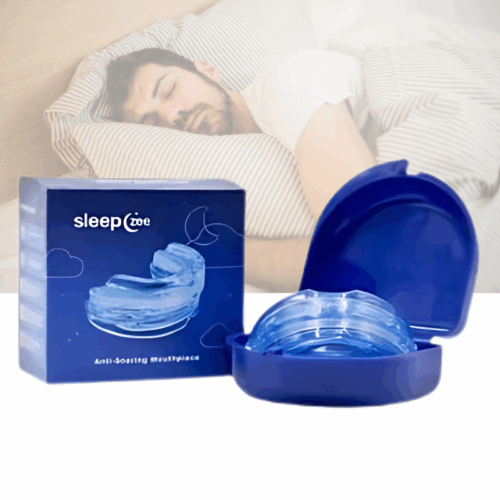
SleepZee
Original price was: $79.98.$24.37Current price is: $24.37. Buy From The Official Website -

Breathing For Sleep
$79.00 Buy From The Official Website