
Discover the pure essence of nature with BrainCept Himalayan Honey. Sourced from the pristine Himalayan valleys, this exquisite honey is rich in antioxidants, vitamins, and minerals. Its unique blend of floral sources offers a delightful taste that enhances your wellness routine. Packed with natural energy-boosting properties, this honey supports immune health and aids digestion, making it perfect for a healthy lifestyle. Choose BrainCept Himalayan Honey for its superior quality and commitment to sustainability, ensuring you enjoy a product that’s as beneficial for you as it is for the environment. Elevate your health with every delicious spoonful!
Description
The rise of viral “miracle memory” remedies has become one of the most aggressive trends in online health marketing. Among the most prominent examples circulating across social media, native ads, and video platforms is the BrainCept “Himalayan Honey” narrative—a claim that a specific honey-based formulation can dramatically restore memory, sharpen cognition, or reverse age-related cognitive decline.
At first glance, the story appears harmless. Honey is natural. The Himalayas evoke purity. The promise of supporting brain health feels intuitive. But when examined closely, the BrainCept honey narrative follows a familiar and deeply concerning pattern: exaggerated claims, emotional manipulation, and marketing structures that do not align with established medical science.
This article takes a research-driven, compliance-first look at what BrainCept “Himalayan Honey” actually represents, why these claims spread so rapidly, and what consumers should understand before placing trust in viral cognitive remedies.
Understanding the BrainCept Honey Narrative
The BrainCept “Himalayan Honey” story typically begins with a dramatic hook. It may reference ancient remedies, secret discoveries, or overlooked nutritional traditions. In many cases, the narrative suggests that modern medicine has ignored or suppressed this simple solution—often framing honey as a forgotten key to memory restoration.
The language is intentionally emotional. It often appeals to fear of aging, concern for loved ones, or frustration with complex medical systems. The promise is not subtle: sharper thinking, restored recall, improved focus, or even reversal of serious cognitive conditions.
What is notably absent from these narratives is credible scientific grounding. The claims are usually presented without peer-reviewed studies, controlled trials, or transparent methodology. Instead, they rely on storytelling techniques designed to feel authoritative without actually being verifiable.
Why Memory and Cognitive Health Are High-Risk Claims
Memory loss and cognitive decline are among the most sensitive areas in health communication. Conditions such as Alzheimer’s disease, dementia, and mild cognitive impairment involve complex neurological processes that science is still actively studying.
There is no single food, supplement, or natural ingredient that has been proven to reverse or cure these conditions. Even approved medical treatments focus on symptom management, not restoration of lost brain tissue or guaranteed cognitive recovery.
Because of this, regulators treat memory-related claims as high-risk. Any product or substance positioned as a solution must meet an extremely high evidentiary bar. The BrainCept honey narrative does not meet that bar.
What Science Actually Says About Honey and the Brain
Honey is a natural food composed primarily of carbohydrates, small amounts of antioxidants, trace minerals, and bioactive compounds. It has been studied for general nutritional properties, antimicrobial effects, and antioxidant activity.
Some research has explored whether antioxidant-rich foods may support overall brain health by reducing oxidative stress. However, this is a far cry from claims of memory restoration or cognitive reversal. Supporting general wellness is not the same as treating neurological disease.
No credible scientific body recognizes honey—Himalayan or otherwise—as a therapeutic intervention for memory loss. The leap from “contains antioxidants” to “restores memory” is a classic example of exaggerated inference.
The Problem With ‘Himalayan’ Labeling
The use of “Himalayan” in product narratives is not accidental. It evokes purity, elevation, and ancient wisdom. However, geographic labeling does not inherently indicate superior health effects.
In many cases, the origin of the honey is not independently verified, and even if it were, geography alone does not confer neurological benefits. This form of branding is a psychological tactic, not a scientific argument.
Consumers should be cautious whenever geographic mystique is used to replace evidence.
Fake Authority and Borrowed Credibility
One of the most troubling aspects of the BrainCept honey ecosystem is the use of implied authority. Some ads reference well-known doctors, media outlets, or scientific institutions—either directly or indirectly.
This technique is known as borrowed credibility. It creates the impression of endorsement without providing proof. In some cases, the individuals referenced have no connection whatsoever to the product or claims being made.
In compliant health communication, endorsements must be explicit, verifiable, and truthful. Anything else is misleading.
Why Testimonials Are Not Evidence
Another pillar of the BrainCept narrative is anecdotal testimony. Stories of sudden clarity, recovered memories, or dramatic improvements are often presented as proof.
From a scientific perspective, testimonials are not evidence. They cannot establish causation, control for placebo effects, or account for natural fluctuations in cognition. In high-YMYL categories, testimonials must be treated cautiously and framed appropriately.
Without controlled studies, personal stories—no matter how compelling—do not validate medical claims.
The Emotional Funnel Behind Viral Health Remedies
The marketing structure surrounding BrainCept honey follows a predictable funnel. It begins with fear: memory loss, aging, loss of independence. It then introduces hope: a simple, natural solution. Finally, it creates urgency: limited access, hidden secrets, or time-sensitive discoveries.
This emotional arc is powerful, especially for older adults or caregivers. But it is not how legitimate medical information is communicated.
Real science moves slowly, acknowledges uncertainty, and avoids guarantees.
Separating Food From Medicine
One of the most important distinctions consumers must understand is the difference between food and medicine. Honey is a food. It can be part of a balanced diet. It can contribute to caloric intake and enjoyment.
Food does not become medicine simply because it is marketed that way. When a food is positioned as a treatment, cure, or intervention for disease, it crosses into regulatory territory that requires evidence.
BrainCept honey blurs this line in a way that benefits marketing but misleads consumers.
Why ‘Natural’ Does Not Mean ‘Effective’
Natural substances are often perceived as inherently safe and effective. While many natural foods support general health, “natural” is not a synonym for “clinically proven.”
Many potent drugs are derived from natural compounds, but they undergo rigorous testing before being approved. Honey has not undergone such testing for memory restoration.
Using nature as a proxy for efficacy is a logical fallacy that marketers exploit.
What Responsible Brain Health Messaging Looks Like
Responsible communication about brain health focuses on evidence-based factors such as physical activity, sleep quality, cardiovascular health, social engagement, and cognitive stimulation. These areas have been studied extensively and show associations with cognitive resilience over time.
Even then, responsible messaging avoids promises. It emphasizes support, not reversal. It acknowledges individual variability and encourages professional guidance.
The BrainCept honey narrative does none of this.
Why These Claims Persist Online
Despite repeated debunking, narratives like BrainCept honey continue to circulate because they are optimized for virality. They exploit algorithmic incentives, emotional triggers, and low barriers to ad placement.
The complexity of neuroscience makes it difficult for consumers to immediately recognize false claims. This asymmetry allows misinformation to spread faster than corrections.
How Consumers Can Protect Themselves
Consumers evaluating any memory-related product should ask a few simple questions:
- Are claims framed as guarantees or miracles?
- Is evidence cited transparently?
- Are endorsements verifiable?
- Is the language emotional rather than scientific?
- Does the product claim to do what medicine currently cannot?
If the answer to these questions raises concern, skepticism is warranted.
The Role of Education in Reducing Harm
Articles like this exist not to shame consumers, but to reduce harm. Memory decline is frightening. People deserve accurate information, not hope engineered for profit.
Education remains the most effective defense against health misinformation.
Final Perspective on BrainCept “Himalayan Honey”
BrainCept “Himalayan Honey” is best understood not as a breakthrough in cognitive science, but as a marketing narrative that stretches far beyond what evidence supports. Honey, regardless of origin, has not been shown to restore memory or reverse cognitive decline.
Separating wellness foods from medical claims is essential for consumer safety. When that boundary is crossed, the risk of misinformation rises sharply.
Related products
-
Sale!
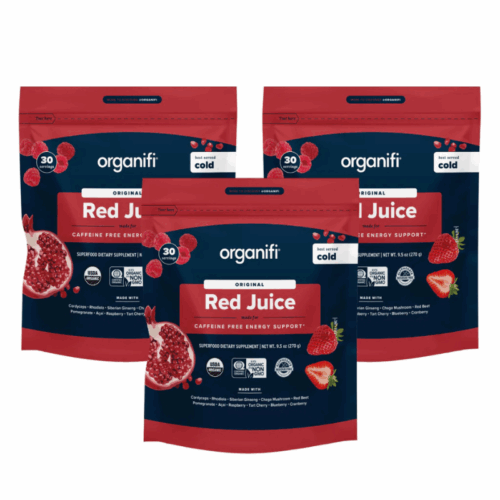
Organifi Red Juice
Original price was: $80.40.$69.95Current price is: $69.95. Buy From The Official Website -
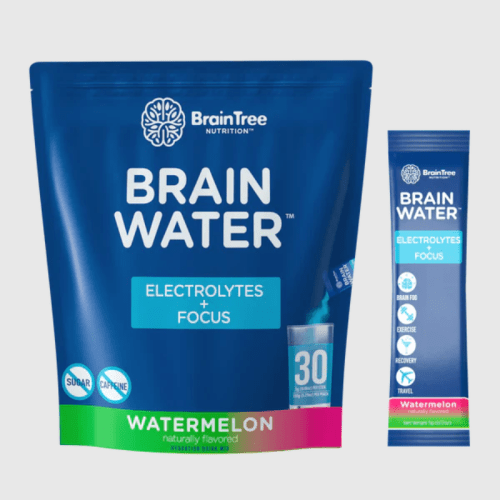
Brain Water
$48.00 Buy From The Official Website -
Sale!
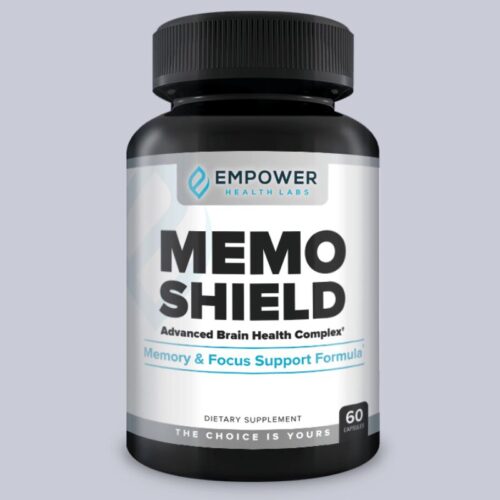
MemoShield
Original price was: $120.00.$69.00Current price is: $69.00. Buy From The Official Website -

Healing Wave
$39.00 Buy From The Official Website