$8.25
Take control of your health with Catch Bio, your personalized cancer risk management solution. Our membership provides a comprehensive risk assessment, analyzing over 500 factors, and delivers tailored screening protocols and actionable lifestyle recommendations. With Catch, you can discover your unique cancer risk score and access real-time tracking to monitor your progress. Join now for just $8.25/month, and empower yourself with knowledge and tools to reduce your cancer risk by up to 65%. Choose Catch Bio for peace of mind and proactive health management—because understanding your risk is the first step toward a healthier future.
Description
In today’s world, our healthcare systems are largely reactive—focused on diagnosing and treating diseases after they emerge. When it comes to cancer, a disease steeped in fear and uncertainty, this approach often comes too late. Catch Bio, however, is changing that narrative. Built on powerful science and data, Catch offers a proactive pathway: understand your personal cancer risk and take real steps to reduce it.
Here’s how—and why—knowing your cancer risk can truly change your life.
1. Cancer Is Shockingly Common—but Often Overlooked
One in two Americans will receive a cancer diagnosis during their lifetime, and around one in six will die from it.
This stark reality underscores a silent epidemic: despite being widespread, many people assume cancer is rare—or exclusive to “high-risk” groups. Early detection—coupled with informed prevention—has the power to reshape these outcomes.
2. Early Detection = Survival
Catching cancer in its early stages can lead to survival rates of up to 90%, making treatment more effective and less invasive. Most stage 1 cancers are highly treatable, while most stage 4 cancers have five-year survival rates below 10%.
Yet, traditional screening guidelines are often generic and based only on age, missing the nuance of personalized risk. Catch’s model helps change that by enabling earlier, more actionable detection tailored to your individual profile.
3. Screenings Should Be Personalized—Not One-Size-Fits-All
Catch designs screening protocols that are tailored to your specific genetics, lifestyle, and medical history.
Most healthcare guidelines rely only on age, failing to account for individual risk—despite rising trends like early-onset colorectal cancer among younger people. For example, national task forces update screening guidelines only every 5-15 years, far slower than the pace of evolving risk patterns.
Catch flips this static model on its head by offering dynamic, risk-informed screening recommendations, ensuring potential cancers are detected early and appropriately.
4. The Majority of Cancer Risk Is Modifiable
Only about 10–20% of cancer risk stems from genetic factors, while over 60% is influenced by lifestyle and environmental factors you can change.
Catch’s personalized action plans empower you to address diet, exercise, environmental exposures, and more, helping you quickly reduce your risk. On average, members can reduce their cancer risk by up to 60% by following these recommendations.
This isn’t hypothetical—it’s tangible, backed by research and built into a system that evolves with you.
5. Knowledge Brings Peace of Mind—and Action
Understanding your unique risk factors brings clarity and calm. It equips you with the confidence to take meaningful, targeted action.
Catch provides a risk map and score in just 10–20 minutes, with real-time tracking and an adaptive plan that responds to your progress or new information. At less than $9 per month (billed annually), users gain access to comprehensive tools:
-
A risk assessment across hundreds of factors
-
Lifetime risk scores for 21 cancers
-
Personalized screening and testing plans
-
Action plans and progress monitoring
The peace of mind comes from knowing you're doing all you can—and that the plan evolves with you.
6. Powered by Science—Built on Data
Catch is grounded in robust, peer-reviewed research.
The risk model analyzes over 500 clinically validated risk factors, drawn from more than 10,000 studies and the world’s largest longitudinal cancer datasets. It uses biostatistical modeling and machine learning to forecast your cancer risk across 21 major cancers. As you implement changes, your risk estimate, action steps, and screening plan automatically update to reflect the latest data and your own progress.
It’s not just a tool—it’s a science-backed ecosystem that evolves alongside you.
7. A Membership, Because Prevention Is Ongoing
Cancer risk isn’t static—it accumulates over time, and early-onset cancers are on the rise. Catch’s membership model ensures that your risk profile, screening protocol, and action plan stay aligned with new research, life changes, and updated insights.
This isn’t a one-off assessment—it’s a sustained strategy that supports your long-term health journey.
8. Transformative Member Stories
Numbers tell the story; people live it.
“Colon cancer runs in my family… Catch flagged it… then helped me lower that risk.” — Maria
“I’ve cut my overall cancer risk by almost 30%… more peace of mind than any doctor ever gave me.” — Danial
Other members report risk reductions across specific cancers—breast (39.5%), prostate (45.1%), colon (32.4%), cervical (40.5%), neck (35.7%), and overall risk drops around 29%–30%.
These narratives are proof that Catch doesn’t just estimate risk—it helps people take control and see results.
9. A Smart Investment for Your Health
Catch offers thousands of dollars’ worth of value—including risk assessment, screening plans, action plans, and more—for just $60 per year.
Health is priceless—but having a strategic, data-driven ally in reducing cancer risk makes investment in prevention both practical and impactful.
10. Why It Matters Now, More Than Ever
Traditional healthcare remains largely reactive, focused on treatment rather than prevention. That approach hasn't stemmed rising cancer rates. Meanwhile, many cancers—especially early-onset ones—are increasing, but guidelines lag; for example, screening age for colorectal cancer was lowered only recently despite rising incidence.
Catch’s personalized, evolving model responds directly to these shifts—empowering individuals with proactive, adaptive tools.
Conclusion: Your Future, in Your Hands
Knowledge is powerful. When you understand your individual cancer risk, the fear that comes with uncertainty dissipates—and you're empowered to act.
Early detection saves lives. Personalized screening means catching cancer early, when it’s most treatable.
Lifestyle matters. A huge portion of cancer risk is in your control—Catch provides the roadmap to change it.
Adaptability is key. As science evolves and your life changes, so does your plan—and that ongoing alignment is Catch’s strength.
Catch isn’t just a platform—it’s a personalized cancer prevention partner. It invites you to step away from the reactive norm and embrace a smarter, evidence-based approach to health—one that centers you, your risk, and the power of informed action.
Featured Member Spotlight
Maria (Colon Cancer Risk)
“Colon cancer runs in my family… Catch broke down my plan with screenings, supplements, even recipe changes—and helped me lower that risk.”
34% reduction achieved, actionable steps demystified.
Danial (Overall Cancer Risk)
“I’ve cut my overall cancer risk by almost 30%. That’s more peace of mind than any doctor ever gave me.”
Demonstrates the power of early, personalized prevention.
Frequently Asked Questions (FAQs)
1. What is Catch Bio?
Catch Bio is a science-based cancer prevention platform that uses your personal health data, genetics, and lifestyle information to create a personalized cancer risk assessment. It then provides customized screening schedules, prevention strategies, and action plans to help you reduce your cancer risk.
2. How does Catch Bio calculate my cancer risk?
Catch Bio’s model analyzes over 500 clinically validated risk factors from more than 10,000 peer-reviewed studies. It uses advanced statistical modeling and machine learning to determine your lifetime and current risk for 21 major cancer types.
3. Is Catch Bio a genetic testing service?
No. While it can integrate genetic data if you have it, Catch Bio focuses on a holistic view of cancer risk. It considers lifestyle, environmental exposures, family history, and medical history alongside any genetic information.
4. How often should I update my risk profile?
Your cancer risk changes over time based on lifestyle habits, environment, and health events. Catch Bio’s membership is designed for ongoing updates so your screening plan and prevention strategies always match your current risk.
5. Can Catch Bio replace my doctor?
No. Catch Bio is a prevention and early detection tool, not a substitute for medical care. It complements your doctor’s guidance by providing data-driven insights and personalized screening recommendations you can share with your healthcare provider.
6. How much does Catch Bio cost?
A Catch Bio membership costs less than $9 per month (billed annually). This includes full access to your risk assessment, personalized screening plan, action steps, and ongoing updates as your risk factors change.
7. What cancers does Catch Bio cover?
Catch Bio provides risk estimates and prevention plans for 21 major cancers, including breast, colon, prostate, cervical, lung, skin, and others. It focuses on both common and high-impact cancer types.
8. How soon will I see results from following the action plan?
Members have reported measurable reductions in their cancer risk scores within months. Many see 20–40% reductions by following targeted lifestyle, screening, and prevention recommendations.
9. Can younger people benefit from Catch Bio?
Yes. Cancer risk is no longer only a concern for older adults. Early-onset cancers are on the rise, and personalized prevention strategies can help younger individuals detect issues early or prevent them altogether.
10. Is my data secure with Catch Bio?
Catch Bio uses industry-standard encryption and privacy protocols to protect your personal health information. Your data is never sold, and you have full control over what information you share with healthcare providers.
Related products
-
Sale!

GrowndingWell BedSheet
Original price was: $1,519.00.$769.00Current price is: $769.00. Buy From The Official Website -
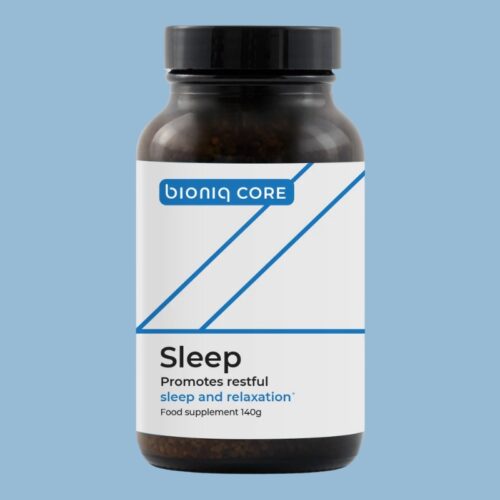
Bioniq Sleep
$75.00 Buy From The Official Website -
Sale!

RFID Armor Wallet
Original price was: $49.99.$24.99Current price is: $24.99. Buy From The Official Website -
Sale!
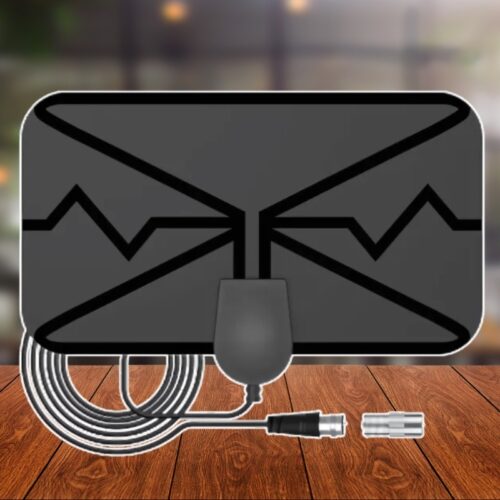
WaveLyte Digital TV Antenna
Original price was: $111.08.$49.99Current price is: $49.99. Buy From The Official Website