Discover Fudi Protein — the groundbreaking, alfalfa-based egg white alternative designed for clean, sustainable nutrition. Using advanced extraction technology, Fudi isolates RuBisCo, the world’s most abundant and functional plant protein, to create a pure white, odorless, and flavorless ingredient that whips, gels, and foams just like real egg whites. Perfect for bakers, chefs, and health-conscious consumers, Fudi Protein offers complete plant-based nutrition with zero cholesterol and reduced environmental impact. Choose Fudi for a high-performance, eco-friendly protein solution that supports your wellness goals and a healthier planet—without compromising taste, texture, or quality.
Description
In an age where food innovation intersects with planetary health, few developments feel as timely as Fudi Protein’s alfalfa-based egg white alternative. Announced in mid-2025, this emerging startup’s discovery represents more than another plant-based product launch—it symbolizes a scientific milestone in functional protein extraction, sustainable food systems, and the future of clean nutrition.
Founded by Udi Lazimy and Aniket Kale, both alumni of major alternative-protein companies Eat Just and Impossible Foods, Fudi Protein operates with a remarkably lean team of two. Yet through partnerships with farmers, investors, and scientific collaborators, the duo is rapidly moving toward commercializing what could become one of the world’s most sustainable and functional protein sources: RuBisCo derived from alfalfa leaves.
From the Lab to the Field: The Science Behind RuBisCo
The World’s Most Abundant Protein
RuBisCo (Ribulose-1,5-bisphosphate carboxylase/oxygenase) is often described as the planet’s most abundant protein. Found in virtually every green plant, it plays a crucial role in photosynthesis by fixing carbon dioxide into organic molecules. Despite this ubiquity, harnessing RuBisCo for human nutrition has long been considered impractical. Its extraction from leafy greens typically results in a green-brown, chlorophyll-rich mixture with off-flavors and poor sensory qualities.
Fudi Protein’s innovation lies in cracking this long-standing biochemical challenge. According to Lazimy, co-founder and CEO, their process yields a colorless, odorless, and flavorless protein that is pure white, fully functional, and mimics egg white behavior—including foaming, gelling, and emulsification. These properties make it not just a nutritional ingredient but a technological substitute capable of replicating eggs’ behavior in baking, whipping, and binding applications.
What Makes This Different from Other Plant Proteins
Traditional plant proteins—soy, pea, mung bean—have powered much of the plant-based revolution. However, each has limitations: textural inconsistencies, allergenicity concerns, and often a “beany” taste. RuBisCo offers a potentially neutral sensory profile, complete amino acid composition, and remarkable solubility.
From a medical nutrition standpoint, this could have major implications. If digestibility and amino acid bioavailability remain intact after extraction, RuBisCo might qualify as a “high biological value” plant protein—a rare status among plant sources. This could benefit individuals following vegetarian, vegan, or flexitarian diets seeking to maintain optimal protein intake without animal-derived products.
Building a Smarter Food System: Collaboration as the Core Ingredient
A Founder Philosophy Rooted in Partnership
In a conversation with FoodNavigator-USA, Lazimy emphasized a philosophy deeply aligned with modern systems thinking: “One of the most important things as a founder is understanding how other people can help you get where you need to go.”
This mindset reflects more than business acumen—it underscores a biomedical truth often mirrored in healthcare systems: complex problems require interdisciplinary collaboration. Whether in hospitals or food innovation, the synergy of diverse expertise accelerates safe, sustainable outcomes.
Dual Expertise in Technology and Supply Chain
Fudi’s founders exemplify complementary skill sets:
- Udi Lazimy, a 25-year veteran in food systems, sustainability, and policy, previously led supply chain and sustainability efforts at Eat Just.
- Aniket Kale, formerly a senior engineer at Impossible Foods and Director of Technology at EVERY Company, brings deep process-engineering expertise.
Together, they combine systems-level sustainability thinking with the technical precision required to scale biochemical extractions safely and efficiently—an intersection crucial for any food technology intended for human consumption.
Field-Level Innovation: Partnering Directly with Farmers
Why the Alfalfa Supply Chain Matters
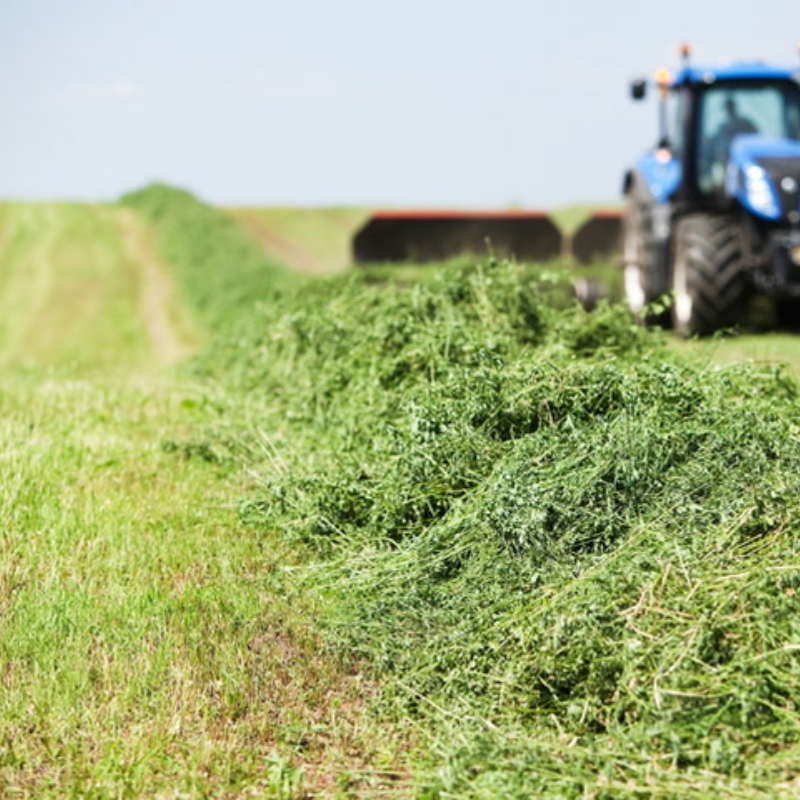
Fudi Protein’s supply model represents a circular-economy approach that could redefine agricultural efficiency. Rather than sourcing alfalfa as a commodity input, the startup works directly with farmers, embedding mobile extraction units that process the plant near or within fields.
This dual-output system creates:
- RuBisCo protein isolate for food use.
- High-value animal feed co-products, developed to specification.
Because the byproduct is nutritionally rich and desirable for animal feed markets, farmers gain value rather than lose crop volume. Many are thus incentivized to sell alfalfa at reduced cost or even provide it freely, lowering Fudi’s cost of goods (COGs) and increasing sustainability.
Environmental and Nutritional Ripple Effects
From an environmental health perspective, this model minimizes:
- Transportation emissions by localizing processing.
- Waste, through total biomass utilization.
- Chemical inputs, since alfalfa grows with relatively low nitrogen requirements compared to typical protein crops like soy.
If scaled successfully, such a system could strengthen rural agricultural economies, reduce supply-chain carbon intensity, and stabilize plant protein prices—each an indirect determinant of public health and food security.
Funding with Purpose: The Dual-Track Investment Model
Fudi Protein’s two-pronged fundraising strategy blends traditional finance with democratized participation:
- SAFE Note (Simple Agreement for Future Equity):
Targeting investors with deep industry expertise and networks capable of guiding commercial integration. - Crowdfunding Campaign via WeFunder (launching August 5, 2025):
Allowing smaller investors and sustainability enthusiasts to participate in early-stage innovation.
This approach ensures that funding comes not just with capital, but with diverse perspectives and stakeholder alignment—echoing trends in modern healthcare research where public and institutional investment converge to accelerate progress responsibly.
Funds will fuel:
- Pilot-scale production and sample distribution.
- GRAS (Generally Recognized As Safe) regulatory approval.
- Patent filings for intellectual property protection.
- Team expansion for technical, safety, and market development roles.
Lazimy predicts that within two years, Fudi will be collaborating with major protein producers, both animal and plant-based, to integrate RuBisCo protein into global supply chains—a vision that aligns well with evidence-based food system transformation.
Nutritional and Functional Implications for Human Health
1. A Complete Amino Acid Profile—Pending Validation
Scientific literature suggests RuBisCo contains all nine essential amino acids, potentially qualifying it as a complete protein source. However, digestibility-corrected amino acid scores (PDCAAS) and digestible indispensable amino acid scores (DIAAS)—metrics used in clinical nutrition—must still confirm its equivalence to egg protein.
If validated, RuBisCo could rival whey and albumin in nutritional quality while offering plant-based origin, an advantage for populations avoiding animal products for medical, ethical, or religious reasons.
2. Allergenicity and Digestive Tolerance
Egg allergy remains one of the most common food allergies, particularly in children. A plant-derived substitute could expand dietary inclusivity. Nonetheless, novel proteins always require rigorous allergenicity testing, as even plant isolates can contain unique epitopes that trigger immune responses.
Meridian Medical Centre advises that individuals with multiple food sensitivities consult a clinician before introducing any new protein concentrate or isolate.
3. Cholesterol-Free, Naturally Low in Saturated Fat
Because the extraction isolates protein without accompanying fats, Fudi’s ingredient would be cholesterol-free and likely low in saturated fat—aligning with cardiovascular dietary recommendations from major health organizations.
4. Micronutrient Considerations
While eggs contribute choline, selenium, and vitamin B12—nutrients essential for neurological and metabolic health—plant proteins like RuBisCo may lack these cofactors. Thus, clinicians should continue to emphasize dietary diversity or supplementation for patients replacing multiple animal-based foods.
5. Digestibility and Gut Interaction
Preliminary research on leaf protein concentrates suggests generally good digestibility when purified properly. However, the removal of chlorophyll and phenolic compounds is key to preventing gastrointestinal irritation. Fudi claims their method produces a fully purified, neutral isolate—a statement that, if confirmed through clinical testing, could make it a gut-friendly protein option suitable even for sensitive populations.
Sustainability Meets Functional Food: Broader Health Connections
Linking Environmental and Human Health
Fudi Protein’s project underscores an emerging reality: sustainable food systems are public health systems. Agricultural practices influence not only ecological balance but also human exposure to pollutants, nutritional security, and chronic disease patterns.
By reducing agricultural waste, optimizing nitrogen use, and offering farmers a regenerative revenue stream, the Fudi model aligns with the One Health framework—a global health concept recognizing that the health of people, animals, and ecosystems are interdependent.
The Role of Alfalfa in Regenerative Agriculture
Alfalfa is a perennial legume known for enriching soil nitrogen and improving soil structure. Its integration into protein production could reduce dependence on resource-intensive monocultures, supporting biodiversity and soil microbiome health—both of which ultimately benefit long-term human food security.
Integration into Modern Diets: Culinary and Clinical Potential
Functional Performance in Food Applications
Fudi’s RuBisCo isolate can emulsify, gel, foam, and whip, mimicking egg whites in both texture and stability. This means it could serve as:
- A binding agent in baked goods.
- A foaming agent in meringues or protein beverages.
- A gelling component in dairy alternatives, desserts, or nutritional bars.
Such versatility bridges the culinary gap between natural and engineered nutrition, offering practical, healthy replacements that don’t compromise taste or texture.
Applications in Medical Nutrition Therapy
If future trials validate its digestibility and amino acid score, RuBisCo could find uses in:
- Clinical nutrition formulas for patients needing hypoallergenic protein.
- Senior nutrition, supporting muscle maintenance with lower fat and cholesterol.
- Plant-based enteral feeding formulations, where neutral taste and solubility are critical.
These applications should, however, remain under professional guidance until more peer-reviewed clinical data emerge.
Challenges and Ethical Considerations
Regulatory Hurdles
Before any food reaches clinical or consumer use, it must undergo:
- GRAS evaluation (for the U.S. market).
- Toxicological and allergenicity testing.
- Manufacturing consistency audits to ensure batch safety.
This process ensures not only consumer protection but also the ethical integrity of food technology—a priority shared by both the FDA and clinical nutrition professionals.
Avoiding the Hype Trap
While media excitement around “the next superfood” often drives awareness, responsible communication requires balance. Fudi Protein’s potential is vast, but its claims—like any new food science—must be validated through peer-reviewed evidence and regulatory approval. Meridian Medical Centre emphasizes scientific humility: emerging innovations should be celebrated for their promise, not prematurely marketed as panaceas.
The Human Element: Lessons in Leadership and Collaboration
Launching a startup, as Lazimy noted, “can be lonely—even with a co-founder.” Fudi Protein’s rapid progress illustrates the power of shared purpose, drawing parallels with multidisciplinary healthcare teams.
Just as physicians, dietitians, and researchers collaborate to improve patient outcomes, food innovators, farmers, and investors must unite to solve the intertwined challenges of nutrition, sustainability, and accessibility.
Their model—of direct collaboration with experts, open-minded farmers, and investors who share ethical goals—serves as a case study in responsible innovation. It shows that technology, when coupled with integrity and transparency, can yield breakthroughs that benefit not just markets, but entire communities.
Outlook: The Next Two Years
Fudi Protein’s near-term roadmap includes:
- Scaling mobile extraction units for commercial output.
- Finalizing GRAS status and safety validation.
- Establishing industrial partnerships with protein manufacturers.
- Expanding their scientific advisory team for human trials and sensory optimization.
If successful, this could position RuBisCo as a foundational ingredient in the next generation of clean-label, functional foods. In the long term, it may also pave the way for nutritionally complete, minimally processed plant proteins that bridge the gap between natural health and technological innovation.
A Balanced Medical-Wellness Perspective
At Meridian Medical Centre, we view innovations like Fudi Protein not as isolated market stories, but as opportunities to explore how science and sustainability converge to promote human health. A few guiding principles emerge from this case:
- Evidence over enthusiasm – Novel foods must pass clinical, toxicological, and nutritional scrutiny before widespread recommendation.
- Integration, not replacement – Sustainable proteins complement dietary diversity; they should not substitute whole foods or physician-guided nutrition therapy.
- Planetary wellness equals human wellness – Responsible sourcing, regenerative agriculture, and low-impact food technology are integral to long-term public health.
- Consult professionals – Individuals considering high-intensity dietary shifts or introducing novel isolates should seek guidance from registered dietitians or physicians.
Conclusion: A Step Toward the Future of Ethical Nutrition
Fudi Protein’s journey—from a two-person startup to a potentially game-changing innovator—embodies the intersection of food technology, medical ethics, and sustainability. Their success could signal a paradigm shift: food designed not only for taste and texture but for clinical viability and ecological stewardship.
By extracting one of nature’s most abundant yet underused proteins, they may help redefine how humanity nourishes itself—sustainably, scientifically, and ethically.
As research advances and clinical data accumulate, Meridian Medical Centre will continue to monitor such developments, ensuring our readers remain informed, empowered, and guided by evidence—not hype—on the path to optimal health.
References:
- Crawford, E. “Do more with less: How the right partners can supercharge small teams.” FoodNavigator-USA, July 24, 2025.
- Lazimy, U. & Kale, A. Founders, Fudi Protein. Presentation at IFT FIRST, Chicago, July 2025.
- FAO/WHO Protein Quality Evaluation Report, 2023.
- “RuBisCo and Functional Leaf Proteins in Sustainable Nutrition.” Journal of Food Science & Technology, 2024.