
$15.99
Achieve a flawless, natural-looking glow without the mess or UV damage using the Hiskin Sunless Instant Bronze Patch. Featuring an innovative transdermal micro-needle design, this patch delivers active tanning ingredients deep into the skin for an even, streak-free tan that lasts. Packed with nourishing ingredients like sea algae hydrogel, hyaluronic acid, and vitamin complexes, it provides a safe, DHA-free bronze without orange hands or harsh chemicals. Simply apply one patch daily to enjoy a radiant, sun-kissed look in as little as seven days. Experience the future of effortless, skin-friendly tanning!
Description
Sunless tanning has come a long way from streaky mousses and orange-tinged self-tanners, but most people who have tried the category still associate it with a familiar set of frustrations: patchy application, an unmistakable self-tanner smell, stained sheets, and a color that looks more traffic-cone than beach vacation. Against that backdrop, a newer category of sunless tanning products has started gaining attention: microneedle patches that claim to deliver tanning actives beneath the surface of the skin rather than simply coating it, in theory producing a more even, longer-lasting result with less mess. The Hiskin Sunless Instant Bronze Patch is one of the more visible entries in this space, marketed as a “transdermal tanning micro-needle patch” that uses tiny, dissolvable microneedles to deliver its ingredient complex past the outermost layer of skin. In this article, we take a close look at what this product actually is, what ingredients it contains, and — importantly — where the line sits between reasonable cosmetic marketing and claims that go further than the available evidence supports. Some of the language used to market this category of product, including references to melanin-stimulating peptides, deserves a more skeptical read than typical self-tanner marketing, and we address that directly rather than repeating it uncritically. Nothing in this article should be read as medical advice, and this is not a substitute for guidance from a dermatologist, particularly for anyone with a personal or family history of skin cancer or atypical moles. What follows is a full breakdown of the Hiskin patch’s ingredients, its pricing, its usage directions, and the questions worth asking before buying.
Product Overview
Formulation: A dissolvable microneedle patch designed to deliver a cosmetic tanning and hydration complex beneath the skin’s outer layer, worn on dry skin or the upper arm
Key Ingredients: Sea algae hydrogel microneedle matrix, tyrosinase cofactor, beta-carotene, astaxanthin, hyaluronic carrier, niacinamide complex, and a vitamin A, C, and E complex
Bottle Contents: 7 patches per box, intended for one patch per day
Guarantee: The brand references a refund policy on its official storefronts; specific terms vary by seller and should be confirmed directly at the point of purchase
Cost: Priced between roughly $15.99 and $39.99 depending on quantity and retailer
What Is the Hiskin Sunless Instant Bronze Patch?
The Hiskin Sunless Instant Bronze Patch is a cosmetic self-tanning product built around a microneedle patch format rather than the lotions, mousses, and sprays that have historically dominated the sunless tanning category. Each patch is described by the brand as containing over a thousand tiny, dissolvable microneedles made from a sea algae hydrogel, designed to pass through the outermost layer of skin, known as the stratum corneum, without pain, and then dissolve while releasing the patch’s ingredient complex closer to the deeper, living layers of skin. The stated goal is a more even, longer-developing bronze tone compared to surface-only tanning products, along with the avoidance of the orange cast and uneven staining associated with DHA-based self-tanners, since this product does not contain DHA.
Where things require a more careful read is in how the brand describes what those ingredients actually do once delivered beneath the skin. Hiskin’s own marketing describes the patch as containing “α-MSH analogues” and an “MC1R peptide,” language borrowed directly from the biology of melanocyte-stimulating hormone and the melanocortin 1 receptor, the actual receptor and signaling pathway your body uses to regulate melanin production. This is legitimate, well-studied biology — but it is also the same pathway targeted by prescription melanocortin agonist drugs, which are regulated medications with documented systemic side effects and are not something typically found in an over-the-counter cosmetic patch at meaningful, physiologically active doses. We were not able to independently verify that this product delivers active melanocortin-pathway compounds in a form or dose that meaningfully triggers melanin synthesis the way a prescription agonist would, and this specific mechanism language does not appear anywhere in the same brand’s own Amazon listings for the identical product, which describe it in far more conventional cosmetic terms — a hydrating, gradual, streak-free glow. That inconsistency is worth knowing about upfront: treat the peptide/hormone-pathway language as ambitious brand marketing copy rather than an independently confirmed mechanism, and treat the product, as sold, as a cosmetic bronzing and skin-hydrating patch rather than anything resembling a hormone-based tanning treatment.
What is more straightforwardly verifiable is the cosmetic side of the formula: beta-carotene and astaxanthin are pigment-adjacent compounds long used in cosmetics and supplements for their color and antioxidant properties, hyaluronic acid is a well-established hydrating ingredient, and niacinamide is a widely used, well-tolerated skin-barrier ingredient. Those components support the product’s more modest, better-supported claims around hydration and skin appearance, separate from the more aggressive melanin-activation language.
Who Is This Patch Specifically For?
Based on how Hiskin markets the product, it is aimed at people who want a sunless bronze tone without UV exposure, without the mess and odor of traditional self-tanning lotions or sprays, and without the orange-tinted, uneven results that DHA-based tanners can sometimes produce, particularly on drier skin. The patch format is positioned as a low-effort, travel-friendly option: one patch applied daily to a discreet area like the inner arm or thigh, rather than a full-body application process. This makes it a reasonable fit for people who tan periodically for events or vacations and want a simpler routine than mixing, applying, and waiting on a traditional self-tanner, as well as people who have had frustrating experiences with streaking or staining from mousse and spray tan products in the past.
It is also worth being clear about who this product is not well suited for, or who should approach it with extra caution. Anyone with a personal or family history of melanoma, atypical moles, or other pigmented skin lesions should be cautious about any product marketed around “activating melanin production,” even at the cosmetic-marketing level, and should raise the product with a dermatologist before use, since melanocyte activity and pigmented lesion monitoring are genuinely connected topics in dermatology. Similarly, anyone who is pregnant, nursing, or managing a diagnosed skin condition should check with a healthcare provider before introducing a new transdermal product, given the limited independent data available on this specific patch’s active ingredient delivery. For the average person simply looking for a low-maintenance, streak-free bronze tone for cosmetic purposes, with realistic expectations that this is a self-tanning cosmetic rather than a clinically studied treatment, the product is more reasonably suited.
Does the Hiskin Patch Work?
This is the section where we draw the clearest line between what can be said with confidence and what cannot. On the cosmetic side, patches containing pigment-adjacent compounds like beta-carotene and astaxanthin, combined with hydrating ingredients like hyaluronic acid and niacinamide, can plausibly contribute to a subtle warming of skin tone and improved skin hydration and texture over time — these are well-understood cosmetic ingredient categories, and user reviews across multiple retail listings consistently describe a gradual, buildable bronze effect developing over roughly a week of daily use, which lines up with how these ingredient categories typically perform.
What we cannot confirm is the brand’s more elevated framing around microneedle-delivered “α-MSH analogues” and “MC1R peptide” triggering genuine melanin synthesis from within, the way a prescription melanocortin agonist would. We found no independently published clinical trial data supporting that specific mechanism for this specific product, and as noted above, the same product’s listings on major marketplaces describe it using much more conventional cosmetic language, without the hormone-pathway claims. Given that gap, the responsible read is that this is a cosmetic self-tanning and skin-hydrating patch that may produce a genuine gradual color change through its pigment-adjacent and skin-conditioning ingredients, rather than a product with a clinically demonstrated hormonal tanning mechanism. Buyers going in with cosmetic expectations — a subtle, buildable bronze tone with less mess than traditional self-tanners — are more likely to have their expectations met than buyers expecting a clinically verified, hormone-driven transformation.
Hiskin Patch Real Customer Reviews and Testimonials
Individual results vary, and skin tone changes described by other users are not a guarantee of the same outcome for every buyer.
Reviews for Hiskin’s tanning patches across major retail listings tend to focus on ease of use and the absence of the mess associated with traditional self-tanners, with reviewers commonly describing a subtle golden tone appearing within the first few days and a fuller, more even color building by around a week of consistent daily use. Several reviewers specifically call out the lack of the orange cast or uneven patchiness they associated with previous self-tanning products, and appreciate the simplicity of applying a single small patch rather than managing a full-body lotion application. As with any self-tanning product, results are inherently tied to individual skin tone, skin type, and consistency of use, so these testimonials should be read as individual experiences rather than a promise of a specific outcome.
What Are the Ingredients in the Hiskin Patch?
Sea Algae Hydrogel
This is the biocompatible material the microneedles themselves are made from. Hydrogel-based microneedles are designed to dissolve after penetrating the outer skin layer, releasing their payload gradually rather than all at once. Sea algae-derived hydrogels are commonly chosen in microneedle cosmetics for being gentle and biodegradable on the skin.
Tyrosinase Cofactor
Tyrosinase is the enzyme responsible for the first step of natural melanin production in the body, and cofactors are compounds that support an enzyme’s activity. In the context of this product, this ingredient is marketed as supporting the skin’s own natural pigment-production process rather than introducing an external pigment, though as with the broader mechanism claims discussed above, the degree to which a cosmetic-dose cofactor meaningfully accelerates this process has not been independently studied for this specific product.
Beta-Carotene
Beta-carotene is a plant-derived pigment compound long used in both supplements and topical cosmetics for its orange-red coloring properties and antioxidant activity. It’s a well-established, food-safe ingredient with a long history of cosmetic use for warming skin tone.
Astaxanthin
Astaxanthin is a carotenoid antioxidant, often derived from algae, recognized for its antioxidant properties and its use in skincare aimed at supporting skin’s appearance against everyday environmental stress. It is frequently paired with other carotenoids like beta-carotene in cosmetic formulations for a complementary antioxidant and tone-supporting effect.
Hyaluronic Carrier
Hyaluronic acid is one of the most well-studied hydrating ingredients in skincare, capable of holding significant moisture relative to its own weight. In a microneedle patch, it is often used both as a hydrating ingredient in its own right and as a delivery carrier that helps other actives move through the dissolving needle matrix.
Niacinamide Complex
Niacinamide, a form of vitamin B3, is a well-documented skin-barrier-supporting ingredient widely used across skincare for improving the look of skin texture and tone and for its generally excellent tolerability across skin types. Its inclusion here is positioned as prepping and conditioning the skin around the application site.
Vitamin Complex A + C + E
Vitamins A, C, and E are well-established antioxidant and skin-conditioning ingredients frequently combined in skincare formulations to support the skin’s appearance and help counter everyday environmental exposure.
As referenced earlier in this article, the brand’s own marketing also describes “α-MSH analogues” and an “MC1R peptide” as part of the formula. We are including that language here for completeness since it appears in the brand’s official product description, but we want to be direct that this framing borrows terminology from a hormone-signaling pathway associated with regulated prescription treatments, and we have not found independent verification of this specific mechanism for this specific patch. Treat this portion of the ingredient story as unverified brand marketing language rather than a confirmed active mechanism.
Hiskin Patch Science
The general biology behind skin pigmentation is well understood: melanin, the pigment responsible for skin, hair, and eye color, is produced by cells called melanocytes through a process that begins with the enzyme tyrosinase and can be influenced by melanocyte-stimulating hormone acting on the melanocortin 1 receptor. This pathway is genuinely why prescription treatments targeting it exist, and it is why sun exposure itself increases melanin production as a protective skin response. Where the science becomes murkier is in translating that real biology into a claim about what a specific over-the-counter cosmetic microneedle patch actually delivers and activates at the skin level. Microneedle technology itself is a legitimate and increasingly studied method for delivering compounds past the stratum corneum, and dissolvable hydrogel microneedles are used in a range of cosmetic and even some medical applications. However, the specific combination of claims made here — a cosmetic-dose “α-MSH analogue” and “MC1R peptide” meaningfully triggering melanin synthesis via a self-administered patch — is not something we found supported by independently published, peer-reviewed research specific to this product. The more conservative and better-supported explanation for any color change users experience is the combined effect of the formula’s pigment-adjacent compounds (beta-carotene, astaxanthin) and its skin-conditioning ingredients (hyaluronic acid, niacinamide, vitamins A, C, and E), which is consistent with how the same product is described in its own marketplace listings that omit the hormone-pathway language entirely.
Hiskin Patch Benefits
Reduced mess and streaking compared to traditional self-tanners. One of the most consistently repeated points across user feedback is how much simpler the patch format is compared to lotions, mousses, and sprays that require careful blending to avoid streaks, transfer onto clothing and sheets, and drying time before getting dressed. A single small patch applied to a discreet area sidesteps most of that friction entirely.
No DHA and no orange cast. Because the formula does not rely on DHA, the active ingredient responsible for the color (and occasional orange tint) in most traditional self-tanners, users report a more natural-looking bronze tone rather than the telltale orange or overly warm cast associated with some surface-tanning products.
Hydration alongside color. The inclusion of hyaluronic acid and niacinamide means the product is doing double duty as a lightweight hydrating treatment at the application site, rather than purely delivering color the way a traditional self-tanner does.
Low-effort daily routine. Applying one patch per day is a meaningfully lower-effort routine than a full-body self-tanner application, which appeals to people who want a gradual, buildable tan without dedicating significant time to their tanning routine.
Antioxidant support. Beta-carotene, astaxanthin, and vitamins C and E all bring antioxidant properties to the formula, which is a reasonable complementary benefit alongside the product’s core tanning and hydration positioning, even though it is a secondary rather than headline benefit.
Hiskin Patch: Pros and Cons
The Hiskin Sunless Instant Bronze Patch is a microneedle-based cosmetic tanning and hydration patch marketed as a DHA-free, mess-free alternative to traditional self-tanners.
Pros:
- Simple, low-mess daily application compared to lotions, mousses, and sprays
- Does not rely on DHA, avoiding the orange cast some users associate with traditional self-tanners
- Includes well-established hydrating and antioxidant ingredients like hyaluronic acid, niacinamide, and vitamins A, C, and E
- User reviews across multiple retail listings consistently describe a gradual, buildable, streak-free tone
- Convenient, travel-friendly format requiring no blending or drying time
Cons:
- The brand’s “α-MSH analogue” and “MC1R peptide” melanin-activation claims are not independently verified and use language borrowed from regulated hormone-pathway medications, which we believe warrants real skepticism
- The same product is marketed with notably more conservative, conventional cosmetic language on major marketplace listings, suggesting the hormone-pathway claims are marketing embellishment rather than a confirmed mechanism
- No independently published clinical trial data specific to this product was found
- Anyone with a history of atypical moles or skin cancer should discuss any “melanin-activating” marketed product with a dermatologist before use, given the genuine clinical relevance of melanocyte activity to pigmented lesion monitoring
- Results, as with any sunless tanning product, will vary based on individual skin tone and type
What Is the Price of the Hiskin Patch?
Pricing for the Hiskin Sunless Instant Bronze Patch ranges from approximately $15.99 to $39.99, depending on the quantity purchased and the specific retailer or bundle selected. Smaller single-box quantities sit at the lower end of that range, while multi-box bundles, which provide a larger overall supply of the seven-patch boxes, sit toward the higher end. As with most cosmetic subscription and bundle-based products, buying in bulk tends to reduce the effective per-patch cost, which is worth factoring in for anyone planning to use the product on an ongoing basis rather than for a single event or vacation.
Pricing is accurate as of this writing but is subject to change at any time. Always check the official website or your chosen retailer for the most current pricing before purchasing.
Usage
According to the brand’s directions, each box contains seven patches, intended for one patch applied daily. The patch is designed to be applied to dry skin, commonly on the inner arm, inner thigh, or another area with thinner, more permeable skin, since these areas are described as optimal for the microneedle delivery process. Users are directed to apply the patch and allow it to remain in place so the dissolvable microneedles can fully release their contents, after which most users report noticing an initial subtle tone shift within two to three days, with a fuller, more even color developing after roughly six to eight days of consistent daily use. As with any new topical or transdermal product, a patch test on a small area before regular use is a sensible precaution, particularly for anyone with sensitive skin or a history of skin reactions. Consistency appears to matter more than any single application, based on how the product is described and how user feedback tends to track, so buyers should expect a gradual buildable process rather than an instant, one-application transformation.
More Hiskin Patch Actual User Reviews and Testimonials
As with all testimonials, individual experiences vary and are not a guarantee of results for every user.
Beyond the initial impressions covered earlier, longer-term user feedback across retail listings tends to focus on the cumulative, buildable nature of the tan, with several reviewers noting they extended use over multiple boxes to maintain a consistent bronze tone rather than using a single box as a one-time treatment. Reviewers also frequently compare the experience favorably to spray tans and mousse-based self-tanners specifically on the point of mess and clothing transfer, citing the patch’s contained, no-mess application as a meaningful quality-of-life improvement over their previous sunless tanning routine. As always, skin tone response varies by individual, and these accounts should be read as personal experiences rather than a predictor of universal results.
Are There Side Effects to the Hiskin Patch?
The brand describes the formula as dermatologist-tested, alcohol-free, and free of parabens and synthetic dyes, and positions it as gentle enough for all skin types, including sensitive skin. On the more straightforwardly cosmetic side of the formula — the hydrating and antioxidant ingredients like hyaluronic acid, niacinamide, and vitamins A, C, and E — these are ingredient categories with a long, well-tolerated track record in skincare, with mild irritation at the application site being the most commonly reported concern for microneedle-based cosmetic products generally.
Where more caution is warranted is around the product’s melanin-activation marketing language. If a product genuinely delivered active melanocortin-pathway compounds at a physiologically meaningful dose, the associated side-effect profile from real-world use of that drug class includes nausea, changes in blood pressure, and changes to the appearance of existing moles or pigmented lesions — effects that are well documented for regulated melanocortin agonist medications. We have not been able to confirm that this specific cosmetic patch delivers active compounds at a dose capable of producing those effects, and the more conventional marketplace descriptions of the same product suggest it does not. Still, out of an abundance of caution, anyone with a personal or family history of melanoma, atypical moles, or other pigmented skin lesions should discuss this product with a dermatologist before use, given how directly the marketing language touches on melanocyte activity — a genuinely relevant topic in dermatologic skin cancer screening, independent of whether this specific patch delivers a meaningful hormonal effect. As with any new skincare product, discontinuing use and consulting a healthcare provider is the appropriate response to any unexpected skin reaction.
Who Makes the Hiskin Patch?
The Hiskin Sunless Instant Bronze Patch is sold under the Hiskin brand, which markets the product through its own branded storefronts as well as through major third-party marketplaces. The brand’s official marketing references ISO9001 and GMP manufacturing certifications, which relate to quality management and manufacturing practice standards rather than a specific claim about the clinical efficacy of the product’s ingredients. Hiskin markets the product specifically around the microneedle delivery format and positions itself within the broader “sun free glow” category of transdermal tanning patches, a category that includes a number of similarly formatted competitor products from other brands sold through the same marketplaces. As with any product in this fast-growing category, buyers should evaluate specific brand claims on their own merits, since manufacturing certifications speak to consistency and quality control rather than to whether a specific marketed mechanism, such as the melanin-activation language discussed throughout this article, has been independently proven.
Does the Hiskin Patch Really Work? Why Realistic Expectations Matter
It’s worth stepping back and putting a product like this in context the same way you would with any cosmetic or wellness product: no single item, patch, or supplement operates in a vacuum, and the products that tend to deliver the most satisfying, sustainable results are the ones used with realistic expectations and good supporting habits, rather than as a stand-alone miracle fix. This is true of skincare broadly, and it applies directly here. A cosmetic tanning and hydration patch, even a well-formulated one, works within the context of your existing skin, your baseline hydration and skincare routine, and your consistency of use — it is not a substitute for broader skin health basics like adequate hydration, a reasonably balanced diet that supports skin health, and sun protection for the skin that isn’t being treated with the product.
The most consistent positive feedback for this category of product tends to come from users who treat it as a gradual, maintenance-oriented cosmetic routine rather than a single-use transformation tool — applying patches consistently over the recommended window, keeping skin generally well hydrated in parallel, and understanding that the buildable tone described in the brand’s own directions (an initial subtle shift over two to three days, with fuller color by six to eight days) reflects a cumulative process rather than an instant result. Users who expect a single patch to produce dramatic, immediate, and long-lasting color are more likely to be disappointed than users who understand this as a gradual, consumable cosmetic product requiring ongoing use, much the same way a supplement’s benefits are generally most noticeable when paired with consistent healthy habits rather than treated as a one-time fix. Given the unresolved questions around the brand’s more aggressive melanin-activation marketing discussed earlier in this article, we would also encourage buyers to set their expectations around the product’s clearer, better-supported cosmetic and hydrating benefits, rather than the hormone-pathway language, when deciding whether it’s likely to meet their needs.
Is the Hiskin Patch a Scam?
Based on the available evidence, there is no indication that the Hiskin Sunless Instant Bronze Patch is an outright scam in the sense of a nonexistent product or a company taking payment without delivering anything. The product is a real, manufactured item sold across multiple established marketplaces, including major listings on Amazon under the Hiskin brand name, with a consistent ingredient list, transparent pricing, and a substantial base of user reviews describing real, received products and real, if individually variable, cosmetic results.
That said, “not a scam” in the sense of order fulfillment is a different question from “are all of the marketing claims accurate,” and we think that second question deserves genuine scrutiny here. The brand’s more elevated marketing language around melanocyte-stimulating peptides activating melanin production from within reaches further than what we could independently verify, and the fact that the same product’s marketplace listings describe it in much more conventional cosmetic terms is a meaningful inconsistency. We’d characterize this less as a scam and more as a case of marketing outrunning substantiated evidence — a genuine cosmetic product whose core hydrating and tone-building ingredients are legitimate and well precedented, wrapped in some ingredient-naming and mechanism language that borrows credibility from a different, more clinically regulated category of product than what is actually being sold here.
Is the Hiskin Patch FDA Approved?
The Hiskin Sunless Instant Bronze Patch is marketed and sold as a cosmetic product, and cosmetics are not subject to the same FDA drug approval pathway that applies to prescription medications. The FDA does not “approve” cosmetics in the way it approves drugs; cosmetic products are instead subject to labeling and safety regulations without a formal pre-market approval requirement for each specific formulation. This distinction matters directly here, because the brand’s own marketing language borrows terminology closely associated with regulated melanocortin agonist medications, which have gone through actual prescription drug approval and monitoring processes specifically because of their systemic hormonal effects. A cosmetic patch marketed with that kind of language has not gone through, and is not required to go through, that same regulatory process. Buyers should understand this product as an unapproved-as-a-drug, FDA-unregulated-in-that-sense cosmetic product, and should not interpret “activates melanin production” marketing copy as carrying the same clinical weight as an FDA-reviewed drug claim. Anyone seeking an actual clinically studied treatment for a pigmentation-related condition should speak with a dermatologist about regulated options rather than relying on cosmetic marketing language.
Where to Buy the Hiskin Patch
The Hiskin Sunless Instant Bronze Patch is available through the brand’s own branded storefronts as well as through major third-party marketplaces, including multiple active listings on Amazon under the Hiskin name. Buying through an official brand storefront or a clearly labeled brand-operated marketplace listing is generally the most reliable way to ensure an authentic, properly stored product and access to the seller’s stated refund policy. Given that this product category includes a number of similarly formatted competitor patches sold under different brand names through the same marketplaces, it’s worth double-checking that a listing is genuinely the Hiskin-branded product before purchasing if brand-specific formulation matters to you.
Is the Hiskin Patch Really on Amazon, eBay, and Walmart?
The Hiskin Patch on Amazon.com: Unlike some specialty cosmetic brands, Hiskin’s tanning patches are actively sold through multiple Amazon listings under the Hiskin name, making Amazon a legitimate purchase option alongside the brand’s own website.
The Hiskin Patch on eBay.com: We did not find a confirmed, brand-operated Hiskin storefront on eBay. Buyers considering third-party eBay listings for this or similar tanning patches should verify seller legitimacy before purchasing, since unofficial resellers carry more uncertainty around storage and authenticity.
The Hiskin Patch on Walmart.com: We did not find confirmed direct sales of this specific Hiskin product through Walmart at the time of writing. Buyers should default to the brand’s official channels or verified Amazon listings for the most reliable purchasing experience.
Conclusion
The Hiskin Sunless Instant Bronze Patch is a genuinely novel entry in the sunless tanning category, using a dissolvable microneedle format to deliver a cosmetic tanning and hydration complex with less mess and less orange-cast risk than traditional DHA-based self-tanners. Its hydrating and antioxidant ingredients — hyaluronic acid, niacinamide, beta-carotene, astaxanthin, and vitamins A, C, and E — are well-established, well-tolerated cosmetic ingredient categories, and user feedback across multiple marketplaces consistently describes a gradual, buildable bronze tone developing over about a week of daily use. Where we’d urge real caution is around the brand’s more aggressive marketing language describing melanocyte-stimulating peptides “activating melanin production” via microneedle delivery — language borrowed from a regulated drug category that we could not independently verify for this specific cosmetic product, and language that notably disappears from the same product’s own marketplace listings. Approached as a cosmetic bronzing and hydrating patch, with realistic expectations and in consultation with a dermatologist for anyone with a personal or family history of pigmented skin lesions, the Hiskin patch appears to be a legitimate, if over-marketed, entry in the sunless tanning space rather than a product built on nothing at all.
Hiskin Patch FAQs
How many patches come in a box, and how often should I use one?
Each box contains 7 patches, intended for one patch applied daily.
Where should I apply the patch?
The brand recommends the inner arm, inner thigh, or another area of thinner, more permeable skin, and notes you don’t need to apply it to every area you want to appear tanned.
How long until I see results?
Most users report a subtle tone shift within 2 to 3 days, with a fuller, more even color developing after about 6 to 8 days of consistent daily use, according to the brand’s own directions.
Does this patch contain DHA?
No. The brand markets this specifically as a DHA-free formula, which is part of why it avoids the orange cast associated with some traditional self-tanners.
Does it really “activate melanin production” the way the brand describes?
We were not able to independently verify that claim for this specific product, and the same product’s marketplace listings describe it in more conventional cosmetic terms. We’d treat the color change as most likely driven by its pigment-adjacent and skin-conditioning ingredients rather than a confirmed hormonal mechanism.
Is it suitable for sensitive skin?
The brand describes the formula as dermatologist-tested, alcohol-free, and free of parabens and synthetic dyes, and markets it as suitable for all skin types, including sensitive skin. Anyone with a known skin sensitivity should still patch test first.
Should I be concerned about the mole- and melanoma-related language sometimes associated with melanin-stimulating products?
Out of caution, anyone with a personal or family history of atypical moles or skin cancer should discuss this product with a dermatologist before use, given how the marketing language touches on melanocyte activity.
Is the Hiskin Patch FDA approved?
It is marketed and sold as a cosmetic product, which is not subject to the FDA drug approval process that applies to prescription medications.
Is this product a scam?
No evidence suggests it’s a nonexistent product or an order-fulfillment scam — it’s an actively sold, reviewed product. Some of its mechanism marketing, however, outpaces independently verified evidence.
Where’s the safest place to buy it?
The brand’s official storefronts and verified Amazon listings under the Hiskin name are the most reliable purchase channels currently available.
How much does it cost?
Pricing ranges from approximately $15.99 to $39.99 depending on quantity and retailer. Always confirm current pricing at the point of purchase, as it is subject to change.
This article is for informational purposes only and does not constitute medical advice. Anyone with a personal or family history of skin cancer, atypical moles, or other dermatologic concerns should consult a licensed dermatologist before using any product marketed around melanin or pigmentation changes.
Related products
-
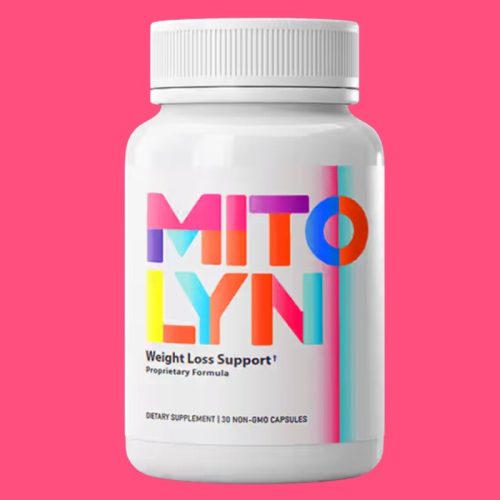
Mitolyn
$59.00 Buy From The Official Website -
Sale!
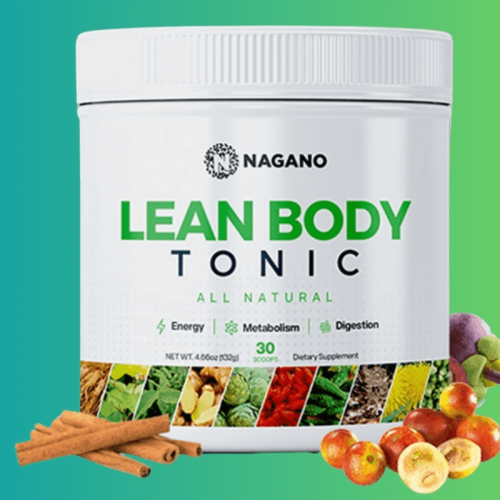
Nagano Lean Body Tonic
Original price was: $127.00.$79.00Current price is: $79.00. Buy From The Official Website -
Sale!
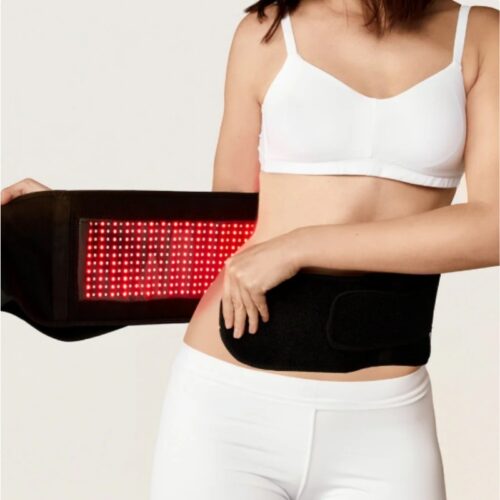
LumaLean Pro
Original price was: $249.95.$109.95Current price is: $109.95. Buy From The Official Website -
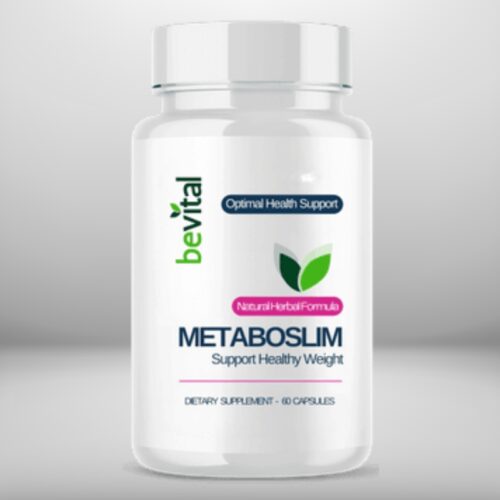
BeVital Metaboslim
$59.00 Buy From The Official Website