Original price was: $79.00.$49.00Current price is: $49.00.
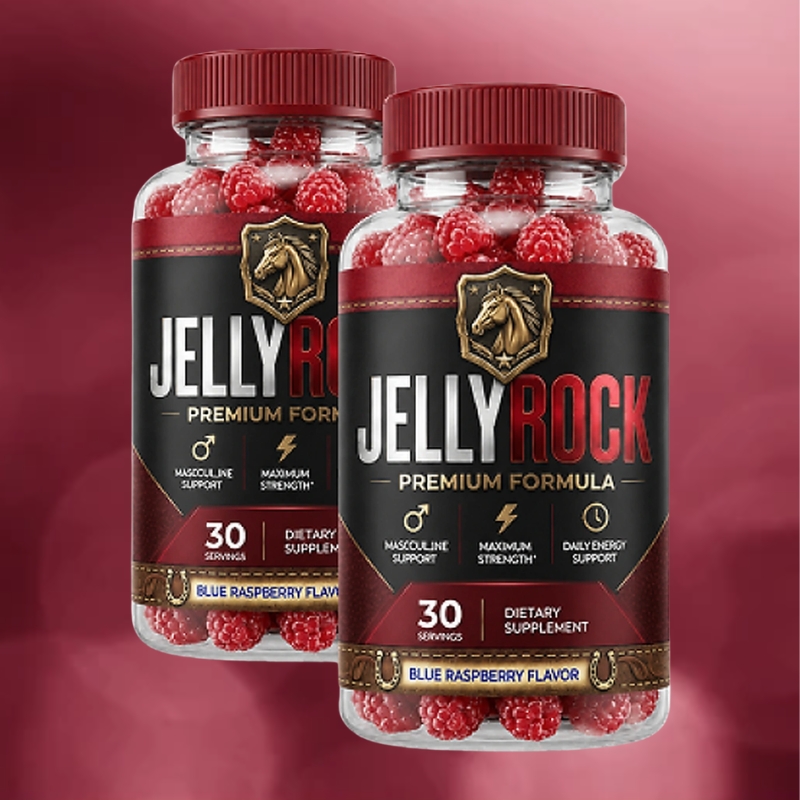
Jelly Rock | JellyRock is a convenient daily gummy supplement designed for adult men who want a simple addition to their wellness routine. Its formula combines Panax ginseng, Tongkat Ali, L-citrulline, B-complex vitamins, and zinc—ingredients commonly associated with energy metabolism, vitality, circulation support, and overall male wellness. The easy-to-take gummy format makes JellyRock a practical alternative to capsules or powders, fitting naturally alongside balanced nutrition, regular exercise, proper hydration, and healthy sleep habits. Ideal for men seeking a straightforward, lifestyle-focused supplement, Jelly Rock offers an accessible way to support everyday wellness and maintain a consistent daily routine.
Description
Jelly Rock, also marketed as JellyRock or Jelly Rock Gummies, is a dietary supplement developed for adult consumers interested in male wellness, everyday vitality, and convenient nutritional supplementation. Rather than being presented as a medication or treatment for a particular condition, Jelly Rock sits within the increasingly popular category of lifestyle-oriented men’s supplements. Its appeal centers partly on convenience: the current product materials describe a flavored gummy that combines several nutritional and botanical ingredients into one daily routine.
Interest in Jelly Rock has increased following the September 2026 announcement introducing the product as a multi-ingredient dietary supplement for male wellness. The announcement takes a relatively measured approach, emphasizing responsible supplementation, careful label review, and the importance of maintaining healthy nutrition, physical activity, sleep, hydration, and other foundational habits alongside supplement use.
That distinction matters. Men’s wellness supplements frequently attract promotional language involving energy, performance, circulation, hormones, stamina, and sexual health. Research on individual ingredients may provide useful scientific context, but ingredient research cannot automatically demonstrate that a finished commercial supplement produces the same effects. Dose, ingredient standardization, population, duration of use, and the complete formulation all matter.
There is another important consideration with JellyRock: ingredient information currently available across Jelly Rock-related websites is not entirely consistent. One current product presentation identifies five principal ingredients—Panax ginseng, Tongkat Ali, L-citrulline, a vitamin B-complex, and zinc—while earlier or alternative promotional materials list different formulations. Exact amounts for the five ingredients are also not publicly provided on the product page reviewed for this article.
For that reason, this Jelly Rock research guide separates verified product information from marketing claims and from research concerning individual ingredients. Anyone purchasing JellyRock should ultimately compare the physical bottle’s Supplement Facts panel with the current seller information before use.
Product Overview
Formulation: Jelly Rock is promoted as a multi-ingredient gummy dietary supplement designed for adult male wellness. Current product materials reviewed for this article describe a blue-raspberry-flavored gummy containing Panax ginseng, Tongkat Ali, L-citrulline, vitamin B-complex nutrients, and zinc. Because Jelly Rock information found elsewhere online has not always presented an identical formula, purchasers should verify the current physical label rather than relying exclusively on third-party descriptions.
Key Ingredients: Panax ginseng, Tongkat Ali (Eurycoma longifolia), L-citrulline, vitamin B-complex nutrients, and zinc are the five ingredients currently named in the product information reviewed. Individual ingredient amounts were not disclosed on that page, limiting direct comparisons between Jelly Rock and doses evaluated in clinical research.
Bottle Contents: Current materials state that one bottle provides 30 servings and instruct users to take one gummy daily. The gummy base is described as gelatin-derived, meaning the formulation is not appropriate for people following vegan or vegetarian diets.
Guarantee: Jelly Rock is currently advertised with a 60-day money-back guarantee. The seller states that this period begins from the original purchase date rather than the delivery date. Buyers should review the complete current refund terms before purchasing.
Cost: Advertised multi-bottle pricing ranges from $79 per bottle in the two-bottle package to $49 per bottle when purchasing six bottles. Prices and shipping promotions can change and should always be confirmed directly at checkout.
What Is Jelly Rock?
Jelly Rock is a gummy-format dietary supplement marketed toward adult men who want to incorporate nutritional and botanical ingredients into a simple wellness routine. The September 2026 product announcement characterizes JellyRock as a multi-ingredient supplement rather than a pharmaceutical product and explicitly positions it as complementary to—not a replacement for—healthy lifestyle practices or professional healthcare.
The gummy format is an important component of the product concept. Supplements designed for men’s wellness have traditionally been offered as tablets, capsules, powders, or liquid extracts. Jelly Rock instead packages several named ingredients into a flavored chewable serving. Current product materials describe one gummy per day and 30 servings per bottle.
From an evidence-based perspective, however, the product needs to be considered on two different levels.
The first is ingredient plausibility. Several ingredients currently associated with JellyRock—including Panax ginseng, Tongkat Ali, L-citrulline, B vitamins, and zinc—have been investigated scientifically for various nutritional or physiological roles.
The second is finished-product evidence. Evidence involving an isolated ingredient does not establish that Jelly Rock itself produces the same result. Studies may use different doses, extracts, formulations, populations, and treatment periods. Without publicly disclosed amounts for each active ingredient, it is particularly difficult to determine how closely Jelly Rock corresponds with formulations investigated in published research.
Consequently, JellyRock is best understood as a men’s dietary supplement built around several familiar wellness ingredients—not as an established treatment for erectile dysfunction, testosterone deficiency, chronic fatigue, cardiovascular disease, or any other medical condition.
Anyone experiencing persistent sexual-performance concerns, unusual fatigue, hormonal symptoms, or cardiovascular problems should seek professional evaluation rather than attempting to diagnose or treat the problem through supplements alone.
Who Is Jelly Rock Specifically For?
Jelly Rock appears primarily designed for adult men interested in a convenient daily supplement centered on general male wellness and vitality. Its gummy format may particularly appeal to people who dislike swallowing capsules or managing several individual supplements.
The product may also interest adults who already maintain a structured wellness routine involving balanced nutrition, regular exercise, adequate sleep, hydration, and stress management and simply want a supplement that can sit alongside those habits.
Importantly, Jelly Rock should not be viewed as appropriate for every person simply because it is sold as a dietary supplement.
Adults taking prescription medications should discuss the formula with a physician or pharmacist before use. The same applies to people managing cardiovascular conditions, blood-pressure issues, endocrine disorders, liver or kidney conditions, or other chronic health concerns. Botanical ingredients can have pharmacological effects and can potentially interact with medications.
People with allergies or dietary restrictions should examine the complete ingredient statement as well. Current materials indicate that the gummy base is gelatin-derived and therefore unsuitable for vegans and vegetarians.
Jelly Rock also should not be purchased as a substitute for medical evaluation of erectile dysfunction or another persistent sexual-health concern. Such symptoms sometimes have underlying causes that deserve clinical assessment.
The most reasonable audience is therefore an informed adult who understands what dietary supplements can—and cannot—reasonably be expected to accomplish.
WHY Jelly Rock™
Designed for a Modern Wellness Routine
Made with care
Jelly Rock is promoted around a quality-focused manufacturing approach. Current promotional materials state that the product is manufactured in the United States in a GMP-certified, FDA-registered facility. These manufacturing descriptions should not be confused with FDA approval of Jelly Rock itself.
Quality-minded
The formula combines several ingredients commonly encountered in nutritional and men’s wellness products. The gummy format may make consistent use more convenient for adults who prefer chewable supplements.
Manufacturing focus
Good Manufacturing Practice requirements are intended to help maintain manufacturing and quality standards. However, manufacturing standards do not prove that a supplement delivers a particular health outcome.
Wellness lifestyle
Jelly Rock makes the most sense when viewed as one small component of a larger routine involving nutrition, movement, recovery, sleep, hydration, and appropriate medical care.
Does Jelly Rock Work?
Whether Jelly Rock “works” depends first on what a consumer expects it to accomplish.
If “work” means provide a convenient way of consuming the ingredients identified on its label, JellyRock offers a straightforward gummy format. If the question instead means whether Jelly Rock has been clinically demonstrated to substantially improve sexual performance, testosterone, circulation, energy, or another specific outcome, the available evidence does not justify such a conclusion.
This distinction is crucial.
Research exists for individual ingredients, but studies on ingredients cannot automatically be transferred to a commercial combination product. Panax ginseng, for example, has been investigated extensively. A systematic review examining Panax species and fatigue identified modest evidence of benefit while emphasizing the need for stronger research.
Tongkat Ali has also attracted scientific attention. A systematic review and meta-analysis reported evidence suggesting that Eurycoma longifolia supplementation may influence testosterone, particularly in men with hypogonadism, while also emphasizing that additional research is necessary before clinical use can be firmly established.
L-citrulline presents an equally useful example of why evidence should not be oversimplified. Although its biological relationship with nitric oxide makes it scientifically interesting, systematic reviews of exercise performance have produced mixed or limited findings. A 2022 meta-analysis found no statistically significant benefit across several aerobic-performance outcomes.
Jelly Rock itself therefore should not be portrayed as clinically proven merely because some ingredients have been studied.
Individual experiences may vary considerably according to diet, nutritional status, health, activity level, medication use, sleep, expectations, and the actual quantities of ingredients consumed.
HOW IT FITS
A Lifestyle-First Wellness Philosophy
Use Jelly Rock™ as directed on the current product label and keep the rest of your routine strong.
01 — Nourish
Prioritize balanced meals containing adequate protein, vegetables, fruits, whole-food carbohydrate sources, beneficial fats, and essential micronutrients. Supplements are intended to supplement a diet rather than compensate for consistently poor nutrition.
02 — Move
Regular physical activity supports cardiovascular fitness, muscular health, mobility, metabolic health, and overall well-being. A supplement cannot reproduce these benefits.
03 — Recover
Sleep, hydration, recovery time, and stress management are foundational components of physical performance and everyday wellness.
04 — Repeat
Long-term habits generally matter more than occasional bursts of motivation. If JellyRock is used, it should become only one small component of a sustainable routine rather than the foundation of that routine.
Jelly Rock Real Customer Reviews and Testimonials
Testimonials surrounding men’s wellness products require careful interpretation. They represent individual experiences rather than controlled scientific evidence, and results reported by one customer should never be assumed to predict another person’s outcome.
Independent review information for jellyrock.shop was limited at the time of this research. Trustpilot showed only four reviews and an overall TrustScore of 2.9/5, which is far too small a sample to draw strong conclusions about typical customer satisfaction or product effectiveness.
Consumers may also encounter highly enthusiastic testimonials on promotional Jelly Rock pages. Such testimonials should be interpreted as anecdotal marketing material unless their authenticity and circumstances can be independently verified.
For evaluating JellyRock, ingredient transparency, the physical Supplement Facts label, refund terms, manufacturing information, and independent research are more useful than dramatic individual success stories.
Testimonial disclaimer: Customer experiences are subjective and do not establish that Jelly Rock will produce the same effects for other users. Individual results vary.
What Are the Ingredients in Jelly Rock?
Panax Ginseng
Panax ginseng is one of the better-known botanical ingredients in traditional East Asian wellness practices. Its characteristic compounds, called ginsenosides, have been investigated in relation to numerous physiological processes.
For Jelly Rock, Panax ginseng fits most naturally within the product’s general vitality and energy positioning. Research into ginseng and fatigue has produced some encouraging findings, but the evidence should not be exaggerated. A systematic review covering ten qualifying studies characterized the evidence as modest and called for larger and methodologically stronger research.
This means it is reasonable to say Panax ginseng is scientifically studied, but not reasonable to promise that Jelly Rock will eliminate fatigue or reliably improve physical performance.
The relevance of those studies to JellyRock is additionally uncertain because the current product materials reviewed do not disclose the amount or standardization of Panax ginseng supplied per gummy.
Tongkat Ali
Tongkat Ali, botanically known as Eurycoma longifolia, is a Southeast Asian plant with a long history of traditional use. Modern supplements frequently market it toward male vitality, stress resilience, libido, and hormonal wellness.
Scientific interest has focused partly on testosterone. A systematic review and meta-analysis of clinical trials found evidence supporting a possible effect on testosterone production, with potentially greater relevance among men with hypogonadism. However, the researchers also emphasized the need for additional evidence before Tongkat Ali can be considered established clinical therapy.
That limitation is particularly important for Jelly Rock. Consumers should not interpret the presence of Tongkat Ali as proof that the finished gummy will meaningfully raise testosterone. The quantity and extract characteristics matter, and the current public product page does not provide sufficient information to compare JellyRock directly with research formulations.
L-Citrulline
L-citrulline is a nonessential amino acid involved in the body’s arginine–nitric oxide pathway. After ingestion, citrulline can contribute to circulating arginine, which in turn participates in nitric oxide production. Nitric oxide is involved in normal blood-vessel relaxation and circulatory physiology.
This biological pathway explains why L-citrulline frequently appears in sports-performance and men’s wellness supplements.
Clinical outcomes, however, are not guaranteed simply because the biochemical pathway is established. A systematic review and meta-analysis evaluating citrulline supplementation and aerobic exercise did not find statistically significant improvements in aerobic performance, perceived exertion, oxygen kinetics, or lactate outcomes overall. Another meta-analysis examining endurance performance similarly found no significant improvement in the evaluated young healthy adults.
Consequently, L-citrulline is a biologically relevant ingredient, but research does not justify portraying JellyRock as guaranteed to improve stamina or sexual performance.
Vitamin B-Complex
“B-complex” generally refers to a group of water-soluble vitamins involved in essential metabolic processes. Different B vitamins participate in energy metabolism, red blood-cell formation, neurological function, DNA synthesis, and numerous enzymatic reactions.
This does not mean B vitamins operate like stimulants or automatically create extra energy in someone whose nutritional intake is already adequate. Their primary role is supporting normal physiological processes, and benefits from supplementation can depend substantially on nutritional status.
Another transparency limitation is relevant here: the Jelly Rock product information reviewed identifies a vitamin B-complex but does not provide enough detail on the page to independently evaluate the amounts of individual B vitamins against established dietary reference values.
Consumers should therefore inspect the physical Supplement Facts panel for the exact vitamins and quantities present.
Zinc
Zinc is an essential mineral involved in hundreds of enzymatic processes, immune function, protein synthesis, cellular metabolism, reproduction, and normal endocrine physiology.
Its association with male hormonal health has generated considerable interest. A systematic review examining zinc and testosterone concluded that zinc status and testosterone are related and that deficiency can negatively affect testosterone levels. The magnitude of supplementation effects, however, appears dependent on baseline zinc status, dose, formulation, and other variables.
That nuance is essential. Correcting zinc deficiency is not the same as claiming that increasingly large doses will continually increase testosterone. Excessive zinc intake can itself cause adverse effects and nutritional imbalances.
Jelly Rock’s inclusion of zinc therefore has a plausible nutritional rationale, but the product should not be marketed as a testosterone treatment.
Jelly Rock Science
The scientific case for Jelly Rock should be divided into ingredient-level evidence and finished-product evidence.
Ingredient-level evidence exists. Panax ginseng has undergone clinical research concerning fatigue and related outcomes, with systematic-review evidence suggesting possible modest effects while emphasizing substantial research limitations. Tongkat Ali has clinical literature examining testosterone-related outcomes, although additional research is required. Zinc is an essential nutrient with a documented relationship to normal endocrine physiology, particularly when deficiency exists. L-citrulline has a well-established biochemical connection to the arginine–nitric oxide pathway, although controlled research examining performance outcomes has produced inconsistent findings.
What is currently missing is equally important.
Research on an ingredient cannot establish the effectiveness of a proprietary finished product unless the tested formulation, ingredient quantities, population, duration, and outcomes are sufficiently comparable.
No published randomized controlled trial of the complete Jelly Rock gummy formulation was identified in the materials reviewed for this article.
Furthermore, the lack of publicly disclosed ingredient quantities makes research comparison difficult. If a clinical trial uses several grams of an ingredient while a commercial gummy provides an unknown amount, citing that trial does not demonstrate equivalent effectiveness.
The scientifically appropriate conclusion is therefore that Jelly Rock contains ingredients with varying degrees of research interest, but the finished supplement itself should not be characterized as clinically proven based solely on those studies.
Jelly Rock Benefits
01 — Daily Vitality
Jelly Rock is positioned around everyday male vitality rather than treatment of disease. Panax ginseng and Tongkat Ali are especially relevant to this positioning because both have histories of traditional use and modern research related to aspects of vitality.
The realistic interpretation is “support,” not transformation. Daily energy is influenced by sleep duration, calorie intake, hydration, physical fitness, stress, medical conditions, medication use, and nutritional status.
Someone experiencing persistent or unexplained fatigue should therefore seek professional medical advice rather than assuming a supplement will address the underlying cause.
02 — Whole-Person Habits
One of the more responsible ways to approach JellyRock is to integrate it into an existing healthy lifestyle rather than expect the gummy to compensate for poor habits.
Balanced nutrition supplies macronutrients and micronutrients. Exercise contributes to cardiovascular and musculoskeletal health. Sleep facilitates recovery. Hydration supports normal physiological function.
Jelly Rock can be an optional component of this larger system, but the strongest wellness strategy remains the system itself.
03 — Confident Consistency
Convenience is one of Jelly Rock’s clearest practical advantages. A gummy format removes the need for water, powder mixing, or swallowing multiple capsules.
That does not make gummies inherently more effective. It simply means some consumers may find the format easier to incorporate consistently into a daily routine.
Consistency is useful only when the underlying product is appropriate for the individual, so label directions and healthcare guidance remain important.
04 — Active Lifestyle Support
Several JellyRock ingredients are commonly associated with active-lifestyle supplements. L-citrulline in particular has been investigated in sports-nutrition research because of its relationship with nitric oxide physiology.
The evidence is mixed, however. Meta-analyses have not consistently demonstrated meaningful endurance-performance improvements.
For active adults, Jelly Rock therefore makes more sense as an optional nutritional supplement than as a substitute for training, adequate protein and calories, hydration, sleep, or evidence-based exercise programming.
05 — Simple Daily Ritual
The one-gummy-per-day format currently advertised is arguably Jelly Rock’s most straightforward consumer benefit.
Convenience matters because complicated supplement routines are easier to abandon. A single flavored gummy may appeal particularly to people who dislike tablets.
Still, convenience should never outweigh ingredient evaluation. Consumers should verify the complete Supplement Facts panel, allergens, serving instructions, and warnings before use.
06 — Long-Term Mindset
Sustainable health rarely comes from instant transformations. Jelly Rock fits better within a long-term wellness philosophy that emphasizes repeatable habits.
Consumers should remain skeptical of advertisements suggesting immediate, dramatic changes in sexual performance, testosterone, physical strength, or other physiological outcomes.
If a supplement contributes anything meaningful, it should be evaluated alongside—and never instead of—the fundamentals of health.
Jelly Rock: Pros and Cons
Pros
- Convenient gummy format may suit adults who dislike capsules.
- Current product information describes only one gummy per day.
- Contains several ingredients with existing scientific literature.
- Panax ginseng, Tongkat Ali, L-citrulline, B vitamins, and zinc have plausible nutritional or physiological roles.
- 30 servings are advertised per bottle.
- Multi-bottle options reduce the advertised per-bottle cost.
- A 60-day money-back guarantee is currently advertised.
- Current promotional materials describe U.S. manufacturing in a GMP-certified facility.
- The product’s September 2026 announcement explicitly states that Jelly Rock is not intended as a replacement for professional healthcare or foundational wellness habits.
Cons
- Exact ingredient amounts are not publicly disclosed on the current product page reviewed.
- Ingredient lists found across Jelly Rock-related web materials have been inconsistent.
- Ingredient studies do not establish that the finished JellyRock formulation produces equivalent results.
- No finished-product randomized controlled clinical trial was identified during this research.
- The gelatin-derived gummy is unsuitable for vegans and vegetarians.
- Multi-bottle purchases require a larger upfront payment.
- Supplements may interact with medications or be unsuitable for some medical conditions.
- Independent customer-review data currently appear limited.
- The 60-day guarantee reportedly begins on the purchase date rather than delivery date.
What Is the Price of Jelly Rock?
Jelly Rock is currently advertised in three multi-bottle packages, with the displayed price per bottle decreasing as the quantity increases. Based on the supplied pricing, the two-bottle Starter package costs $79 per bottle, the three-bottle Popular package costs $69 per bottle, and the six-bottle Value package reduces the advertised cost to $49 per bottle.
The displayed Jelly Rock pricing includes:
- 2 Bottles – Starter: $79 per bottle
- $158 total
- Advertised as a 60-day supply
- 60-day guarantee advertised
- Shipping may apply
- 3 Bottles – Popular: $69 per bottle
- $207 total
- Advertised as a 90-day supply
- 60-day guarantee advertised
- Free-shipping offer advertised
- Seller labels this package “Most Popular”
- 6 Bottles – Value: $49 per bottle
- $294 total
- Advertised as a 180-day supply
- 60-day guarantee advertised
- Seller labels this package “Best Value”
From a purely mathematical perspective, the six-bottle package has the lowest advertised unit price. That does not necessarily make it appropriate for every first-time purchaser. Buyers should consider whether they want several months of a product before committing to the largest bundle.
Pricing disclaimer: Prices, package configurations, shipping charges, discounts, bonuses, and guarantee terms can change at any time. Always check the official Jelly Rock website and checkout page for the final current price and terms before ordering.
Usage
Jelly Rock should be used according to the directions printed on the current physical product label. Current promotional information reviewed for this article describes a serving of one gummy daily, with 30 servings per bottle.
Users should not increase the serving merely because they want faster or stronger effects. More is not automatically better with dietary supplements, especially multi-ingredient products containing botanicals and micronutrients.
Consistency is generally more sensible than improvisation. Someone choosing to use JellyRock could connect the daily serving with an established routine such as breakfast, provided the product’s current label does not specify otherwise.
Consumers should also inspect the physical package when it arrives. Verify the Supplement Facts panel, serving size, expiration information, allergen statements, warnings, and storage instructions before taking the first serving.
Anyone using prescription or over-the-counter medication should consider showing the label to a physician or pharmacist. This is especially appropriate for people using cardiovascular, blood-pressure, endocrine, or other medications potentially affected by supplement ingredients.
If an unexpected reaction occurs, discontinue use and seek appropriate medical guidance. Serious symptoms require prompt medical attention.
More Jelly Rock Actual User Reviews and Testimonials
Because Jelly Rock is relatively new, robust independent customer-review evidence remains limited. The Trustpilot profile available during this research contained only four reviews, making its 2.9/5 TrustScore unsuitable for drawing broad conclusions about either effectiveness or customer satisfaction.
This limited sample is itself useful information for prospective purchasers. Consumers should be cautious about articles that present a handful of testimonials as proof that JellyRock reliably produces particular results.
When reading future Jelly Rock reviews, look for verified-purchase indicators, specific descriptions of ordering and customer-service experiences, disclosure of incentives, and balanced accounts rather than dramatic transformation stories.
Testimonial disclaimer: Testimonials and consumer reviews reflect individual experiences and are not clinical evidence. They do not guarantee that another customer will experience the same outcome.
Are There Side Effects to Jelly Rock?
Any dietary supplement containing multiple active ingredients has the potential to cause unwanted effects, although individual responses vary.
Panax ginseng can produce adverse effects in some individuals and may interact with certain medications. Tongkat Ali also deserves caution, particularly because botanical preparations can differ substantially in concentration and quality.
L-citrulline participates in pathways affecting vascular physiology, which makes professional guidance sensible for people using medications that influence blood pressure or cardiovascular function.
Zinc is essential, but excessive supplemental zinc can be problematic. Chronically excessive intake may contribute to gastrointestinal symptoms and interfere with copper status, among other concerns.
B vitamins are likewise not automatically harmless at unlimited doses simply because they are water-soluble. Safety depends on the particular vitamin, dose, duration, and individual circumstances.
The major Jelly Rock-specific limitation is that exact ingredient amounts were not available on the product page reviewed. Without knowing quantities, it is harder to conduct a complete dose-specific safety evaluation.
Potential users should therefore read the current physical Supplement Facts panel carefully.
Adults taking medication, living with chronic health conditions, preparing for surgery, or using other supplements containing overlapping ingredients should speak with a qualified healthcare professional before adding JellyRock.
If unusual symptoms appear after starting the product, stop taking it and seek appropriate professional advice. Supplements should never be used to self-treat persistent erectile dysfunction, hormonal problems, unexplained fatigue, cardiovascular symptoms, or another suspected medical condition.
Who Makes Jelly Rock?
Jelly Rock is presented as a dietary supplement brand focused on multi-ingredient products for adult consumers interested in specific wellness categories. Its September 2026 product announcement describes the launch as an expansion into adult male wellness and emphasizes product labeling, responsible supplementation, and informed consumer decisions.
The current product materials reviewed also state that Jelly Rock is made in the United States and manufactured in a GMP-certified, FDA-registered facility.
Those phrases require careful interpretation.
GMP certification or compliance concerns manufacturing practices and quality systems. Likewise, an “FDA-registered facility” should never be interpreted as meaning the FDA has approved or endorsed Jelly Rock.
The FDA explicitly states that dietary supplements are not FDA approved for safety and effectiveness before marketing. Manufacturers and distributors are generally responsible for ensuring their products comply with applicable safety, manufacturing, and labeling requirements.
Prospective customers should evaluate Jelly Rock based on the actual label, ingredient transparency, manufacturing information, refund terms, and credible research rather than assuming that regulatory-sounding manufacturing terminology proves effectiveness.
Does Jelly Rock Really Work?
Dietary supplements are generally most rational when they fill a defined nutritional or lifestyle role rather than being treated as shortcuts around diet, exercise, sleep, and medical care.
That principle is especially relevant to Jelly Rock.
The product combines ingredients associated with several areas of wellness research, but an adult’s perceived vitality or physical performance depends on far more than a gummy.
Nutrition comes first. Adequate calories, protein, essential fats, vitamins, minerals, fruits, vegetables, and minimally processed foods provide the raw materials required for normal physiological function. Someone with a genuine nutritional deficiency may respond differently to supplementation than someone whose diet already supplies adequate nutrients.
Exercise is another major component. Regular resistance and cardiovascular exercise can support physical fitness, body composition, cardiovascular health, metabolic function, muscular strength, and general well-being. No dietary supplement reproduces the adaptations created by consistent training.
Sleep deserves equal attention. Chronic sleep deprivation can affect energy, mood, exercise performance, appetite regulation, and other aspects of health. Someone sleeping four or five hours each night should not reasonably expect a supplement to compensate completely for inadequate recovery.
The same applies to hydration, stress management, smoking, excessive alcohol intake, and other lifestyle variables.
Ingredient evidence adds another layer.
Panax ginseng has demonstrated some promising findings in fatigue research, but systematic-review evidence remains limited rather than definitive. Tongkat Ali has shown possible testosterone-related effects in research, particularly in specific populations, but researchers continue to call for more evidence.
L-citrulline illustrates the problem with assuming that a biologically plausible mechanism guarantees a noticeable result. Citrulline participates in nitric-oxide physiology, yet systematic reviews have produced inconsistent findings for exercise performance.
Zinc is unquestionably essential, but its relationship with testosterone is strongly influenced by baseline zinc status and other variables. Correcting inadequate zinc status and consuming excess zinc are fundamentally different scenarios.
Most importantly, none of these ingredient studies proves that Jelly Rock itself produces the studied effect.
Clinical research normally evaluates defined doses. If JellyRock does not publicly disclose the amount of each active ingredient, researchers and consumers cannot reliably determine whether a daily gummy resembles doses used in published studies.
Consequently, a reasonable expectation is modest: Jelly Rock may provide a convenient source of several nutritional and botanical ingredients, but results cannot be guaranteed.
People who choose to use it should simultaneously maintain sensible nutrition, exercise regularly, prioritize adequate sleep and recovery, and address persistent medical symptoms with healthcare professionals.
That approach treats Jelly Rock as what it is—a dietary supplement—rather than asking it to function as a substitute for the fundamentals of health.
Is Jelly Rock a Scam?
There is insufficient evidence to responsibly characterize Jelly Rock categorically as a scam simply because questions remain about its formulation or effectiveness.
A more useful consumer evaluation asks several separate questions: Does an identifiable product exist? Are ingredients disclosed? Are ingredient quantities disclosed? Are marketing claims proportionate to the evidence? Are refund terms clearly available? Is there meaningful independent customer feedback? Does the checkout correspond to the product advertised?
Jelly Rock has an identifiable product presentation, advertised package pricing, a 60-day guarantee, named ingredients, and a September 2026 product announcement.
There are nevertheless transparency limitations worth knowing.
Exact ingredient quantities were not disclosed on the current product information reviewed, and other Jelly Rock-related marketing pages have presented inconsistent ingredient formulations. Independent consumer feedback is also currently limited.
None of those facts independently proves fraud. They simply mean buyers should exercise normal due diligence.
Before purchasing, save the current product page and refund terms, inspect the checkout total carefully, verify whether shipping or recurring billing applies, and compare the physical bottle against what was advertised.
Most importantly, avoid interpreting aggressive male-enhancement claims found on third-party sites as established medical facts about JellyRock.
Is Jelly Rock FDA Approved?
No dietary supplement should be described as “FDA approved” in the way an FDA-approved prescription medication is.
The FDA states explicitly that it does not approve dietary supplements for safety and effectiveness before they are marketed. Under U.S. law, supplement companies are responsible for ensuring that their products meet applicable safety, manufacturing, and labeling requirements.
This distinction matters because Jelly Rock promotional materials may mention an “FDA-registered facility.”
FDA registration of a manufacturing facility is not FDA approval of Jelly Rock.
Likewise, GMP manufacturing terminology concerns production standards and does not constitute FDA endorsement or clinical validation of the supplement’s effectiveness.
The FDA continues to regulate dietary supplements after they reach the marketplace, including through inspections, labeling oversight, adverse-event monitoring, and enforcement where appropriate.
Consumers should therefore evaluate JellyRock using its Supplement Facts panel, manufacturer information, ingredient evidence, safety considerations, and personal healthcare needs—not an assumption that manufacturing registration means government approval.
Where to Buy Jelly Rock
The safest purchasing approach is to use the seller’s current official Jelly Rock website and carefully verify the destination before submitting payment information.
Buying directly allows consumers to review the current package options, advertised guarantee, ingredient information, shipping terms, and checkout total together.
Because online supplement marketing can involve affiliate pages, redirects, and similarly named websites, buyers should confirm that the checkout corresponds specifically to the Jelly Rock product they intend to purchase.
Save the order confirmation and a copy or screenshot of the advertised guarantee and product information. When the product arrives, compare the physical label with the formula advertised at the time of purchase.
Is Jelly Rock Really on Amazon, eBay and Walmart?
Can You Buy Jelly Rock on Amazon.com?
We could not verify an authorized Jelly Rock Amazon listing from the source materials reviewed for this article. Marketplace availability can change, so consumers should not assume that similarly named products are genuine JellyRock. Check the manufacturer’s current website for authorized purchasing information before ordering from a third-party seller.
Is JellyRock Sold Through eBay.com?
An authorized JellyRock eBay distribution channel was not established by the sources reviewed here. Because marketplace listings can be created or removed independently, verify any seller and product label carefully. Purchasing information from Jelly Rock’s current official seller remains the more appropriate reference for authorized availability.
Does Walmart.com Sell Jelly Rock Gummies?
We could not substantiate an official Jelly Rock listing through Walmart from the product sources used for this research. Availability may change, so buyers should check current manufacturer information rather than assuming that similarly branded men’s gummies sold through Walmart are the same JellyRock formulation.
Conclusion for Jelly Rock
Jelly Rock enters a crowded men’s wellness market with a relatively simple proposition: combine several recognizable nutritional and botanical ingredients into a convenient flavored gummy that can become part of an adult’s daily wellness routine.
Its strongest practical selling point is simplicity. Current product information describes one gummy per day, 30 servings per bottle, several bundle choices, and a 60-day guarantee. The named formulation includes Panax ginseng, Tongkat Ali, L-citrulline, vitamin B-complex nutrients, and zinc.
Several of these ingredients have genuine scientific research behind them.
Panax ginseng has been studied in fatigue research. Tongkat Ali has been investigated for male hormonal outcomes. L-citrulline has an established role in nitric-oxide physiology and substantial sports-nutrition research, although clinical performance results are inconsistent. Zinc is an essential nutrient involved in numerous biological processes and has an established relationship with normal endocrine function.
Those facts provide a more meaningful foundation than exaggerated promises, but they do not establish that Jelly Rock itself is clinically proven.
The most significant research limitation is ingredient-dose transparency. Without published quantities for the active ingredients, direct comparisons with clinical studies remain difficult. The existence of inconsistent Jelly Rock formulations across online promotional materials is another reason purchasers should rely on the current physical Supplement Facts label.
For an adult who prefers gummies and understands these limitations, JellyRock may represent a convenient addition to an established wellness routine. It should nevertheless remain an addition—not the foundation.
Balanced nutrition, physical activity, sufficient sleep, hydration, stress management, and appropriate healthcare remain considerably more important than any single supplement.
Medical disclaimer: Jelly Rock is a dietary supplement, not a medication, and should not be used to diagnose, treat, cure, or prevent disease. Individual responses vary. Consult a qualified healthcare professional before using a new dietary supplement if you take medication, have a medical condition, or have concerns about whether its ingredients are appropriate for you.
Jelly Rock FAQs
1. What is Jelly Rock?
Jelly Rock is a gummy dietary supplement marketed to adult men interested in daily nutritional supplementation and male wellness.
2. What ingredients are in JellyRock?
Current product information reviewed identifies Panax ginseng, Tongkat Ali, L-citrulline, vitamin B-complex nutrients, and zinc. Check the physical Supplement Facts label because online ingredient information has not always been consistent.
3. How many Jelly Rock gummies should you take?
Current promotional information states one gummy daily. Always follow the directions printed on the product you actually receive.
4. How many servings are in one bottle?
The current product information advertises 30 servings per bottle.
5. Is Jelly Rock FDA approved?
No. FDA does not approve dietary supplements for safety and effectiveness before marketing. An FDA-registered manufacturing facility is not the same thing as FDA product approval.
6. Does Jelly Rock treat erectile dysfunction?
Jelly Rock should not be regarded as an ED medication or treatment. Persistent erectile dysfunction should be discussed with a qualified healthcare professional.
7. Is Jelly Rock clinically proven?
Research exists for individual ingredients, but this is not equivalent to a clinical trial demonstrating effectiveness of the complete JellyRock formulation.
8. Does Jelly Rock disclose ingredient doses?
The current product page reviewed identifies the principal ingredients but does not publish individual milligram quantities.
9. Is Jelly Rock vegan?
Current product information states that the gummy base is gelatin-derived, so it is not suitable for vegans or vegetarians.
10. Does Jelly Rock have a money-back guarantee?
A 60-day money-back guarantee is currently advertised. The seller states that the period is calculated from the original purchase date. Review the current terms before ordering.
11. How much does Jelly Rock cost?
Based on the supplied pricing, two bottles cost $158 ($79 each), three bottles cost $207 ($69 each), and six bottles cost $294 ($49 each). Prices and promotions are subject to change.
12. Can Jelly Rock replace exercise and a healthy diet?
No. Dietary supplements should complement rather than replace balanced nutrition, regular physical activity, sleep, hydration, and appropriate healthcare.
13. Can JellyRock be taken with prescription medication?
Because the formula contains multiple botanical and nutritional ingredients, anyone taking medication should discuss it with a physician or pharmacist before use.
14. How quickly does Jelly Rock work?
There is no scientifically established universal timeframe for JellyRock results. Responses to dietary supplements can vary substantially among individuals.
15. Are Jelly Rock results guaranteed?
No. No specific physiological or wellness result should be guaranteed from a dietary supplement.
16. Is Jelly Rock safe?
Suitability depends on the individual, formulation, dose, medications, allergies, and health status. Review the complete physical label and seek professional guidance when appropriate.
17. Where should Jelly Rock be purchased?
Consumers should consult the current Jelly Rock seller website for authorized purchasing information and verify all pricing, refund, shipping, and product details before checkout.
18. Does research support Jelly Rock’s ingredients?
Several individual ingredients have been scientifically studied, but results vary and those studies cannot establish the effectiveness of the finished Jelly Rock gummy.
19. Is Jelly Rock a substitute for testosterone therapy or ED medication?
No. Jelly Rock is marketed as a dietary supplement and should not be substituted for medically indicated treatments.
20. What should I check when my Jelly Rock order arrives?
Compare the physical Supplement Facts panel, ingredients, serving directions, warnings, manufacturer information, expiration details, and bottle count with what was advertised when you ordered.
Related products
-
Sale!

Erodus Formula For Men
Original price was: $120.00.$69.00Current price is: $69.00. Buy From The Official Website -
Sale!
PrimeBoost
Original price was: $180.00.$69.00Current price is: $69.00. Buy From The Official Website -
Nucentix VMAX Male Enhancement
$39.95 Buy From The Official Website -

FORZIX
$49.00 Buy From The Official Website