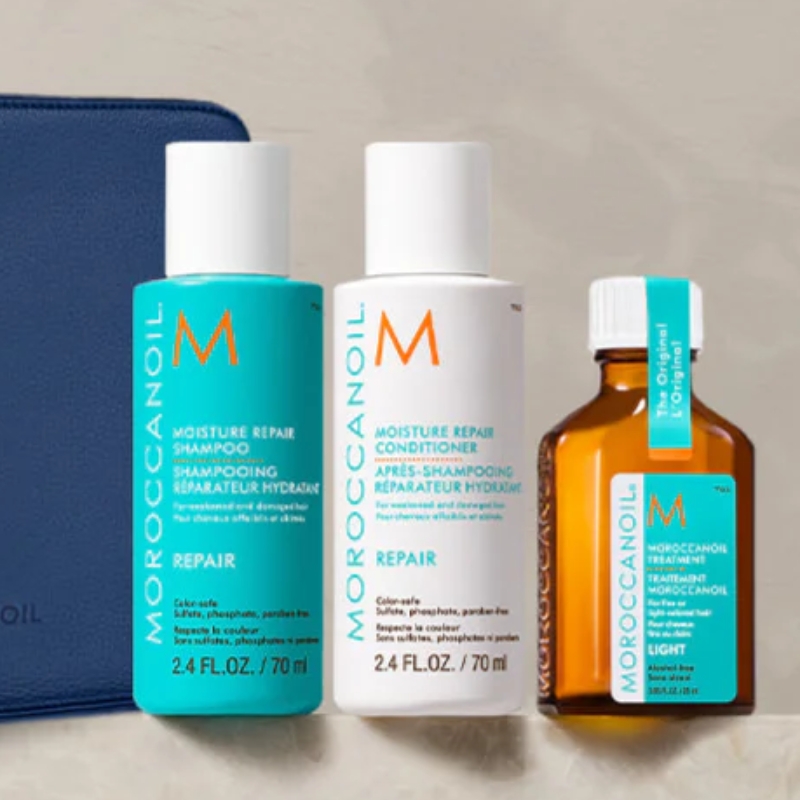
$20.00
Description
Moroccanoil is best known as “the argan oil brand in the turquoise bottle” – a staple in salons, bathrooms, and beauty editor lists worldwide. But from a medical and wellness standpoint, where does a luxury hair and body brand like this fit into an evidence-based approach to overall well-being?
At MeridianMedicalCentre.com, we look at natural products through a clinical lens:
-
What does the science say about the key ingredient (in this case, argan oil)?
-
How realistic are the claims around shine, smoothness, or “repair”?
-
Where can products like Moroccanoil support comfort, confidence, and self-care – and where should medical treatments still take the lead?
This engaging study-style post takes a closer look at Moroccanoil as a brand, the research behind argan oil, and how these products may align with a holistic but medically responsible approach to wellness.
This article is for educational purposes only and is not a substitute for medical advice, diagnosis, or treatment. Always consult your healthcare provider or dermatologist for personal recommendations, especially if you have scalp or skin conditions.
1. Who Is Moroccanoil?
Moroccanoil is a private cosmetics company best known for its argan-oil-infused hair treatments. The brand was formally founded in 2008 by Carmen Tal and Ofer Tal, originally in Montreal, and has grown into an international company headquartered in New York City.
From one “miracle” treatment to a full product line
According to the brand’s own story, Moroccanoil began with a single professional treatment that transformed severely damaged hair in a Tel Aviv salon. That experience inspired the founders to bring argan-oil-based hair care to a wider audience.
Over the past decade-plus, that one product has expanded into:
-
Argan oil–infused haircare (shampoos, conditioners, masks, oils, styling products)
-
Body care (body oils, lotions, body butters, scrubs, mists)
-
Professional hair color and salon-only formulations
The iconic Moroccanoil Treatment Original – a silicone- and argan-oil-based styling oil – remains its best-known product globally and has received repeated recognition from major beauty outlets. For example, it was listed as the “Hair Oil” winner in Allure’s Readers’ Choice Awards, where readers highlighted it for addressing dryness and frizz with just a few drops.
A global, cruelty-free, sustainability-aware brand
Beyond the “luxury hair oil” image, Moroccanoil also emphasizes sustainability and ethics in its public communications:
-
A strong focus on argan oil and long-term partnerships with Moroccan suppliers.
-
Statements about cruelty-free standards and collaborations with animal and environmental organizations.
-
Efforts to reduce single-use plastics and use solar-powered manufacturing at major facilities.
From a wellness perspective, these aspects don’t change the way products behave on hair or skin – but they may matter to patients and consumers who value ethical sourcing and environmental responsibility as part of their personal health philosophy.
2. Argan Oil: The Science Behind the Signature Ingredient
To understand Moroccanoil, you have to understand argan oil. The brand’s identity is built around this single natural ingredient – often referred to as “liquid gold” – which comes from the kernels of the argan tree (Argania spinosa), native to Morocco.
What’s in argan oil?
Modern analyses show that argan oil is rich in:
-
Fatty acids (especially oleic and linoleic acids)
-
Vitamin E (tocopherols)
-
Polyphenols and other antioxidant compounds
Together, these components give argan oil:
-
Emollient properties – helping soften hair and skin.
-
Occlusive/conditioning action – forming a light film that helps reduce moisture loss.
-
Antioxidant activity – counteracting some oxidative stress at the skin and hair surface.
Evidence for cosmetic and skin barrier support
Scientific reviews and experimental studies have evaluated argan oil’s role in both cosmetic and complementary medicine contexts:
-
A 2024 review discussed argan oil’s potential to hydrate skin, support lipid balance, and offer antimicrobial and anti-inflammatory effects, though most data are preclinical or from small human trials.
-
Clinical and observational data suggest argan oil may help improve skin hydration, elasticity, and appearance of dryness or photoaging when used topically over time.
Importantly, these studies generally assess pure or well-characterized argan oil, not necessarily the specific blends used in commercial products.
Argan oil and hair: what the research suggests
Argan oil is widely used in haircare, but the scientific literature is still developing:
-
Dermatology and cosmetic health sources note that argan oil can help moisturize hair and reduce frizz, thanks to its fatty acids and antioxidant content.
-
A health review from 2024 highlights that while there is no large-scale evidence that argan oil directly speeds hair growth, it may indirectly support healthy hair growth by improving moisture, managing breakage, and protecting against environmental damage.
From a medical perspective, argan oil is best viewed as a supportive cosmetic ingredient: it may help hair feel softer, smoother, and more manageable, and may improve the comfort of the scalp. It is not a treatment for hair loss, scalp disease, or systemic conditions.
3. What Makes Moroccanoil Formulas Distinct?
Moroccanoil does not sell pure argan oil alone; its products are typically sophisticated blends that combine argan oil with silicones, conditioning agents, fragrances, and other cosmetic ingredients.
Argan oil as a highlight, not the whole formula
Looking at product descriptions and typical ingredient lists:
-
The Moroccanoil Treatment Original combines argan oil with silicones such as cyclopentasiloxane and dimethicone, which help smooth the hair shaft and reduce immediate frizz.
-
Shampoos like the Extra Volume Shampoo pair argan oil with surfactants (cleansers), glycerin for hydration, and plant-derived extracts to add bounce and shine.
This means the in-use benefits come from a synergy of:
-
Argan oil (emollient + antioxidant)
-
Silicones (slip, shine, reduced friction)
-
Humectants like glycerin (water-attracting hydration)
-
Other conditioning polymers and botanicals
From a medical point of view, this is an important nuance: Moroccanoil’s effects cannot be attributed to argan oil alone. The total formulation, how it’s used (leave-in vs rinse-out), and the individual’s hair/scalp type all influence the outcome.
Sensory profile: fragrance and texture
Moroccanoil is also known for:
-
Its signature sweet, ambery, slightly spicy scent, often described as a “luxury salon” fragrance.
-
Lightweight yet richly conditioning textures that aim to provide slip without heavy greasiness when used correctly.
From a wellness standpoint, this sensory experience can be meaningful. Pleasant fragrance and texture can:
-
Make self-care routines more enjoyable.
-
Encourage consistent conditioning and gentle styling practices.
-
Provide a small but real psychological boost in confidence and comfort.
However, strong fragrance can be problematic for patients with fragrance sensitivity, migraine triggers, or certain skin conditions – an issue we’ll discuss more in the safety section.
4. Key Product Families and Their Potential Role in Everyday Wellness
Moroccanoil’s range is extensive, but most products fall into a few broad categories: hair oils and treatments, shampoos/conditioners, styling aids, and body care.
Hair oils and leave-in treatments
Products like Moroccanoil Treatment Original and Moroccanoil Treatment Light are designed to be used on damp or dry hair to reduce frizz, boost shine, and protect hair from daily styling.
From a wellness perspective, their main roles are:
-
Improving manageability – reducing tangling and breakage during brushing, which can be helpful for fragile or chemically processed hair.
-
Enhancing comfort – by reducing roughness and dryness, hair can feel smoother against the skin and less brittle.
-
Supporting gentle haircare habits – when hair is easier to comb, people may be less likely to pull aggressively, which can benefit overall hair health.
These are cosmetic benefits, but they can still contribute to a person’s daily comfort and self-image.
Shampoos, conditioners, and masks
Lines like:
-
Extra Volume
-
Repair/Restorative
-
Hydration/Moisture
are formulated for different hair concerns (fine hair, color-treated hair, dry/damaged hair, etc.).
Potential roles in well-being:
-
Maintaining a clean, comfortable scalp with appropriately chosen surfactants and conditioning agents.
-
Helping people feel more confident about their hair’s appearance (shine, softness, movement).
-
Encouraging at-home “treatment rituals” (e.g., once-weekly mask) as part of stress-relieving routines.
Again, these products are not designed to treat medical scalp conditions like psoriasis, seborrheic dermatitis, or fungal infections; they are primarily cosmetic and supportive.
Body oils, lotions, and mists
Moroccanoil’s body line includes products such as:
-
Night body serum
-
Dry body oil
-
Body butter
-
Hair & Body Fragrance Mist
These body products aim to:
-
Moisturize the skin’s surface
-
Improve softness and luminosity
-
Provide the familiar Moroccanoil scent in a body-care format
For patients and consumers, such products can complement a medically guided skincare routine by supporting skin comfort and hydration – especially in individuals without active inflammatory skin disease.
5. What Does Independent Beauty & Consumer Feedback Say?
While medical studies focus on ingredients, real-world feedback offers another layer of perspective.
-
Moroccanoil Treatment Original has gained ongoing popularity and recognition in major media, including being named a top hair oil by Allure’s Readers’ Choice Awards and appearing in roundups of “best hair oils” in Vogue alongside other professional brands.Allure+1
-
Editorial reviews highlight aspects like:
-
Smoother hair texture
-
Reduced frizz
-
Enhanced shine
-
Long-lasting fragrance
-
These experiences are subjective and vary widely between individuals, but they suggest that – for many users – Moroccanoil products deliver the sensory and cosmetic benefits they promise.
From a clinical wellness point of view, user satisfaction matters: feeling good about one’s appearance can positively influence self-esteem and overall quality of life, even though it does not replace medical treatment for underlying health issues.
6. Safety, Sensitivities, and When to Be Cautious
For most healthy individuals, Moroccanoil products are designed to be safe when used as directed. However, as with any cosmetic, there are important considerations.
Fragrance sensitivity
Moroccanoil’s signature scent is distinctive and relatively strong. For some people, this is a major positive. For others – particularly those with:
-
Migraine or headache disorders
-
Allergic rhinitis or asthma triggered by fragrances
-
Sensitive or reactive skin
strong fragrance may provoke symptoms or discomfort.
If you know that scents trigger symptoms for you, you may want to:
-
Test products in a small amount first.
-
Avoid applying heavily near the face.
-
Use fragrance-free alternatives for days when symptoms are more active.
Acne-prone or very oily skin
Argan oil is generally considered a “lighter” plant oil, and many sources describe it as non-comedogenic or low-comedogenic.
However:
-
Moroccanoil’s products also contain silicones and other occlusive ingredients that can trap oils on the skin surface if used on facial skin or body areas prone to acne.
-
People with acne-prone skin may want to limit Moroccanoil products to hair lengths and avoid frequent contact with the facial skin, chest, or back – especially with heavier oils or body butters.
Allergies and patch testing
As with any cosmetic, allergic reactions are possible:
-
Argan oil comes from a tree nut; while argan allergies are rare compared to other nuts, they are documented.
-
Fragrance components, preservatives, and other ingredients can also trigger contact dermatitis in susceptible individuals.
A simple preventive strategy:
-
Apply a small amount of the product to the inner forearm or behind the ear once daily for 2–3 days.
-
Watch for redness, itching, burning, or rash.
-
If irritation occurs, discontinue and discuss with a healthcare provider or dermatologist.
Scalp or skin disease
If you have:
-
Psoriasis
-
Eczema (atopic dermatitis)
-
Seborrheic dermatitis
-
Fungal infections
-
Significant hair loss or sudden shedding
it’s important to view Moroccanoil as adjunctive, not curative. While argan oil-based products may feel soothing for some, they do not replace:
-
Prescription topical therapies
-
Medically guided shampoos (e.g., with ketoconazole, salicylic acid, corticosteroids, etc.)
-
A full evaluation for underlying causes of hair loss or scalp inflammation.
Always check with your dermatologist or physician before adding any cosmetic formulation on top of active treatment areas.
7. Sustainability, Ethics, and Wellness Values
Many individuals who seek natural or holistic products also care about sustainability and ethical sourcing. Moroccanoil positions itself as a brand that:
-
Works with high-quality argan oil suppliers in Morocco
-
Maintains cruelty-free standards
-
Partners with organizations such as PETA, ocean and wildlife groups, and animal-rescue charities
-
Implements environmental initiatives like solar-powered facilities and reduced single-use plastics
From a clinical wellness lens, these aspects don’t directly influence hair or skin health, but they can align with a person’s broader health values:
-
Reducing environmental load and supporting ethical treatment of animals.
-
Feeling confident that their beauty choices reflect their personal ethics.
This can contribute, in a subtle but meaningful way, to psychological well-being and a sense of integrity in daily habits.
8. How Moroccanoil Fits Into an Integrative Wellness Approach
At Meridian Medical Centre, we view products like Moroccanoil as part of a broader, integrative picture of health.
Where Moroccanoil may complement conventional care
-
Everyday comfort and self-care
-
Softer, smoother hair and well-moisturized skin can reduce daily discomfort (tugging, dryness, tightness) and enhance body confidence.
-
Pleasant routines – such as a weekly hair mask or an evening body oil ritual – can serve as small, calming moments in a stressed schedule.
-
-
Support for gentle hair practices
-
Conditioning oils and treatments may help reduce breakage when combined with:
-
Gentle detangling
-
Reduced heat styling
-
Protective styles for fragile hair
-
-
This can function alongside medically guided care for hair and scalp, not instead of it.
-
-
Non-medical styling support during treatment
-
Patients undergoing medical treatments (e.g., for chronic illness) sometimes want to feel more “like themselves.” While you must always check with your care team, certain cosmetic products can safely help maintain a sense of normalcy and self-expression.
-
Where medical care must take the lead
Moroccanoil products are not suitable as stand-alone treatments for:
-
Scalp infections
-
Autoimmune or inflammatory scalp diseases
-
Serious hair loss conditions
-
Systemic health problems affecting hair and skin
In those cases, professional evaluation is key. Cosmetic products may be layered into a routine after a diagnosis is made and a treatment plan is in place, with your healthcare team’s guidance.
9. Practical Tips for Patients and Consumers Considering Moroccanoil
If you or your patients are interested in using Moroccanoil products, a few practical, medically informed guidelines can help maximize benefit and minimize risk.
1. Match product type to hair and scalp needs
-
Fine, easily weighed-down hair
-
Try lighter formulations (e.g., Treatment Light or small amounts of the original treatment applied only to mid-lengths and ends).
-
-
Thick, curly, or very dry hair
-
May tolerate richer treatments, masks, and repeated leave-in conditioning.
-
-
Color-treated or chemically processed hair
-
Look for ranges marketed for repair or protection, but remember: these are cosmetic supports, not structural cures.
-
2. Introduce products gradually
-
Start with a single product (e.g., oil or conditioner) rather than multiple new items at once.
-
Use a small amount, 1–2 times per week at first, watching for:
-
Itching, redness, or rash
-
Increased scalp greasiness or breakouts
-
Worsening of any underlying condition
-
If no issues arise, frequency can be adjusted according to personal preference.
3. Protect the face and acne-prone areas
-
When applying hair oils or leave-in products, avoid contact with the face, particularly if you’re prone to acne or clogged pores.
-
Consider loosely tying or pinning hair up away from the face while sleeping after application.
4. Use as a complement, not a replacement
-
If you are under the care of a dermatologist or physician for a scalp or skin condition, do not discontinue prescribed treatments in favor of cosmetic products.
-
Share ingredient lists with your healthcare provider if you’re unsure whether a product is compatible with your treatment plan.
5. Listen to your body’s feedback
-
Some people experience excellent cosmetic results and a positive self-care experience with Moroccanoil products.
-
Others may find them too heavy, too scented, or not well-tolerated.
Both responses are valid. The most important factor is how your own scalp, skin, and general comfort respond over time.
10. A Balanced Verdict: Moroccanoil Through the Meridian Medical Centre Lens
When we look at Moroccanoil from an evidence-based wellness perspective, several key points emerge:
-
Argan oil has real, documented cosmetic value.
Research supports its role in improving hydration, providing antioxidant protection, and supporting the appearance of skin and hair, though evidence is stronger for cosmetic outcomes than for medical disease treatment. -
Moroccanoil’s products are thoughtful cosmetic formulations, not pure argan oil.
Benefits arise from the blend of argan oil, silicones, humectants, and conditioners – which can be very helpful for shine, smoothness, and manageability, but should not be mistaken for medication. -
The brand’s global popularity and awards suggest high satisfaction for many users.
Recognition in beauty awards and editorial coverage indicates that Moroccanoil products often deliver the performance people expect within the cosmetic realm. -
Safety is generally good, but not absolute.
As with all fragranced, oil- and silicone-containing products, there are considerations for fragrance-sensitive, acne-prone, or highly reactive individuals. Patch testing and thoughtful use are essential. -
Moroccanoil aligns with many holistic values without replacing medical care.
The brand’s emphasis on argan oil, sensory experience, and sustainability may resonate with patients who value natural wellness. At the same time, these products are best used as adjuncts to, not substitutes for, appropriate medical evaluation and treatment.
Final Thoughts
For individuals seeking a luxurious, argan-oil-based approach to hair and body care, Moroccanoil can be a meaningful part of a broader self-care routine. When used thoughtfully – alongside evidence-based medical guidance, healthy nutrition, stress management, and appropriate treatment of scalp or skin conditions – these products may support comfort, confidence, and daily well-being.
If you’re considering Moroccanoil and currently live with a chronic skin or scalp condition, a simple next step is to:
-
Bring the product (or its ingredient list) to your next appointment.
-
Ask your dermatologist or healthcare provider how it may fit safely into your treatment plan.
That way, you can enjoy the benefits of modern cosmetic science and natural ingredients like argan oil while still prioritizing your health – the central goal of integrative care at MeridianMedicalCentre.com.
Related products
-

Mobile AI Monopoly
$47.00 Buy From The Official Website -
Sale!

Dark Force Night Vision BinoCulars
Original price was: $999.99.$70.00Current price is: $70.00. Buy From The Official Website -

Black Bullet Light
$29.00 Buy From The Official Website -

Unlock The Scrambler
$79.00 Buy From The Official Website