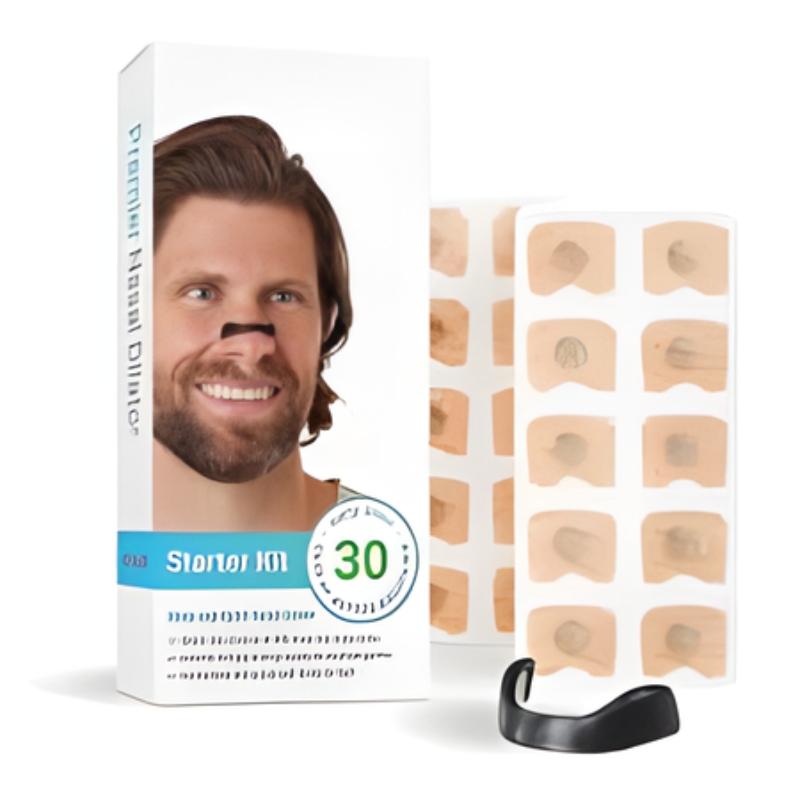
Breathe easier and sleep better with the NASAIR Magnetic Nasal Breathing Dilator — a breakthrough solution designed to naturally open nasal passages for improved airflow. Using gentle magnetic technology, it helps reduce snoring, congestion, and nighttime breathing discomfort without medication or invasive devices. Lightweight, reusable, and discreet, NASAIR fits comfortably for all-day or nighttime wear. Ideal for anyone seeking clearer breathing during sleep, exercise, or daily activities. Experience enhanced oxygen flow, deeper rest, and greater comfort with every breath. Choose NASAIR — the simple, effective way to support better breathing and overall well-being, backed by smart, science-inspired design.
Description
Breathing is the foundation of life — an effortless rhythm that sustains every cell of the body. Yet, for millions of people worldwide, airflow restriction through the nasal passages can turn this simple act into a daily challenge. Blocked airways, chronic snoring, deviated septum, or nasal inflammation can all contribute to shallow breathing, restless sleep, and reduced oxygen intake.
Over the past decade, an increasing number of individuals have sought non-invasive solutions to promote better airflow and sleep quality. One such emerging innovation is the NASAIR Magnetic Nasal Breathing Dilator, a small device designed to open the nasal passages using gentle magnetic force and mechanical dilation.
But does this minimalistic-looking solution actually work — and is there any science to support it? At MeridianMedicalCentre.com, our objective is not to promote or criticize products but to provide clear, evidence-based analysis of how such tools align with human physiology, current research, and holistic health outcomes.
Understanding Nasal Breathing: A Cornerstone of Health
The human body is designed for nasal breathing, not mouth breathing. The nasal passages filter, warm, and humidify incoming air while releasing nitric oxide — a molecule that improves oxygen absorption and blood flow. When nasal airflow is restricted, the body compensates by breathing through the mouth, which can lead to:
-
Increased dryness and throat irritation
-
Poorer oxygen exchange
-
Disturbed sleep cycles and snoring
-
Higher stress on cardiovascular and respiratory systems
Studies published in journals such as Chest and Sleep and Breathing have repeatedly shown that improving nasal airflow correlates with improved sleep efficiency and reduced upper airway resistance.
It’s within this physiological context that devices like NASAIR Magnetic Nasal Breathing Dilator seek to make a difference — not by introducing medications or surgical interventions, but by gently enhancing natural airflow.
What Is NASAIR?
The NASAIR Magnetic Nasal Breathing Dilator is a small, reusable nose clip that fits into the nostrils and utilizes mild magnetic force to expand nasal passageways. The design combines soft silicone pads and embedded magnets that work together to maintain an open airway while remaining discreet and comfortable enough for overnight wear.
According to promotional materials and independent reviewers, the product’s goals include:
-
Supporting clearer breathing by mechanically widening nasal passages
-
Helping reduce snoring and mild nasal obstruction
-
Promoting restful sleep and oxygen balance
-
Providing a drug-free, non-invasive alternative to breathing strips or nasal sprays
Unlike adhesive strips that pull the skin externally, NASAIR operates internally — creating a more stable dilation effect that theoretically maintains airway openness even as facial muscles relax during sleep.
How Magnetic Nasal Dilation Works
Magnetic therapy has a long, controversial history in complementary medicine. While strong scientific consensus is lacking, low-intensity magnets are theorized to stimulate blood circulation, reduce inflammation, and improve muscle relaxation in localized tissues.
In NASAIR’s case, the magnets are not intended for deep therapeutic penetration; rather, they may help maintain positioning and stabilize dilation during movement or sleep. The primary mechanism remains mechanical nasal expansion — a principle well-established in medical research.
A study in The Laryngoscope (2015) demonstrated that internal nasal dilators can improve airflow resistance by 17–27% compared to baseline measurements. Another paper in Clinical Biomechanics (2019) found that even minimal internal dilation improved inspiratory efficiency and reduced perceived effort during exercise and sleep.
These findings suggest that while the magnetic aspect of NASAIR may add a unique twist, the core function — gentle, sustained airway expansion — is physiologically sound and evidence-backed.
User Experiences and Reported Benefits
According to the Flipo Div review (2025) and other online testimonials, NASAIR users frequently mention:
-
Ease of use: simple to insert, comfortable after a few nights of adjustment
-
Noticeable reduction in snoring for some users and partners
-
Improved nasal airflow when experiencing congestion
-
Enhanced sleep quality after consistent use
However, as emphasized in the reviewer’s disclaimer, results vary based on anatomy, nasal health, and consistency of use. The product does not claim to cure sleep apnea, chronic sinusitis, or structural nasal deformities.
From a professional standpoint, these anecdotal improvements align with the broader body of evidence supporting nasal dilation devices — particularly for individuals with mild airway restriction, seasonal congestion, or posture-related snoring.
Comparing NASAIR to Other Airflow Aids
The market for nasal breathing aids is vast, including:
-
External strips (e.g., Breathe Right®): work externally but can lose adhesion and cause skin irritation.
-
Nasal sprays: offer temporary relief but may lead to rebound congestion or dependency.
-
CPAP therapy: highly effective for diagnosed sleep apnea, but bulky and clinical.
-
NASAIR Magnetic Nasal Dilator: aims to bridge the gap — portable, drug-free, and minimally invasive.
While NASAIR is not a medical-grade device for obstructive sleep apnea, it presents a practical adjunct for individuals seeking mild to moderate nasal relief during rest or exercise.
The Role of Nitric Oxide and Airway Expansion
One overlooked benefit of nasal breathing is the production of nitric oxide (NO), a gaseous molecule synthesized in the paranasal sinuses. NO acts as a vasodilator, widening blood vessels to improve oxygen delivery to tissues.
When nasal passages are constricted, nitric oxide production and delivery drop, potentially affecting cardiovascular and cognitive function. By mechanically opening these airways, devices like NASAIR may indirectly help restore optimal NO flow, supporting vascular health and respiratory efficiency.
Emerging research even links improved nasal breathing to enhanced focus, athletic performance, and reduced anxiety, as oxygen balance influences both brain activity and autonomic nervous regulation.
Safety and Comfort Considerations
From a medical perspective, safety is paramount. The NASAIR device uses medical-grade silicone and low-grade magnets, designed for comfort and minimal irritation. Most users tolerate them well, though individual sensitivity can occur.
Potential considerations include:
-
Mild nasal irritation during initial use
-
Uncomfortable fit in cases of deviated septum or structural narrowing
-
Incompatibility with nasal piercings or injuries
Healthcare professionals recommend cleaning reusable nasal devices regularly to prevent microbial buildup. Those with chronic respiratory or sinus conditions should consult an otolaryngologist before introducing any intranasal product.
Integrating NASAIR Into a Holistic Wellness Routine
At Meridian Medical Centre, we emphasize that no single device replaces comprehensive care. Breathing health depends on a constellation of factors, including posture, hydration, nutrition, and emotional regulation.
To complement the use of a nasal dilator like NASAIR, consider:
-
Saline rinses or humidifiers to maintain mucosal hydration
-
Anti-inflammatory diets rich in omega-3s and antioxidants
-
Breath retraining exercises, such as the Buteyko or diaphragmatic breathing techniques
-
Stress management practices like mindfulness and yoga, which enhance parasympathetic breathing patterns
By integrating mechanical aids with lifestyle and clinical support, users can experience more sustainable improvements in respiratory comfort and sleep quality.
Medical Perspectives: ENT and Sleep Medicine Insights
Otolaryngologists (ENT specialists) often recommend nasal dilators as first-line non-invasive interventions for mild airflow restriction. Dr. Edward McCoul, a leading sleep researcher, notes in Sleep Medicine Reviews that “internal dilators improve nasal airflow significantly without altering the nasal structure, making them ideal for early-stage management.”
Sleep specialists further highlight that consistent nasal breathing devices may reduce mouth breathing, improving oxygen saturation and decreasing the frequency of awakenings during sleep.
From a clinical wellness standpoint, this reinforces the idea that mechanical support and habit training can together yield meaningful improvements in sleep hygiene and cardiovascular health.
The Magnet Factor: Evidence and Skepticism
Magnetic therapy remains scientifically debated. Some studies suggest low-intensity magnets may influence microcirculation or neural excitability, while others find negligible effects.
For NASAIR, the magnet’s strength is minimal and primarily functional — helping the device stay in place. Nonetheless, proponents argue that biomagnetic fields could subtly enhance airflow dynamics by relaxing local smooth muscle tissues.
In reviewing available literature, Meridian Medical Centre emphasizes a balanced interpretation: while magnets may not be a standalone therapeutic tool, their role in comfort and device stability may enhance compliance — which ultimately drives positive outcomes.
Accessibility, Cost, and Ethical Use
The NASAIR Magnetic Nasal Breathing Dilator is generally available online through the manufacturer and independent retailers. Pricing often ranges from modest single-pack options to bundled sets, making it an accessible alternative to higher-cost interventions.
However, ethical marketing practices must remain central. Consumers should view NASAIR as a wellness aid, not a medical cure, and verify authenticity when purchasing. As highlighted by the Flipo Div review, third-party educational reviews exist to guide awareness, not endorsement.
The Connection Between Breathing and Sleep Quality
Modern research continues to affirm that sleep quality and respiratory efficiency are inseparable. Even minor nasal restriction can trigger micro-arousals that fragment sleep and reduce REM duration.
By facilitating smoother nasal airflow, NASAIR may help users transition into deeper, uninterrupted sleep cycles. This improvement, though subtle, can lead to measurable differences in daytime energy, focus, and emotional regulation — areas increasingly recognized as key markers of holistic wellness.
The Broader Implications for Holistic Health
Breathing well affects everything — from digestion to cognitive clarity. In holistic medicine, oxygenation and energy flow (known as Qi or Prana in traditional disciplines) are foundational to vitality.
By supporting unobstructed airflow, NASAIR aligns with both Western respiratory physiology and Eastern wellness philosophy, offering an intersection where natural and clinical perspectives meet.
This integrated approach exemplifies what Meridian Medical Centre advocates — evidence-based yet open-minded healthcare that respects both empirical data and human experience.
Professional Guidance and Realistic Expectations
Before adopting any nasal dilation product, individuals should:
-
Consult a healthcare provider, especially if symptoms include chronic congestion, allergies, or sleep apnea.
-
Begin gradually, using the dilator for short periods to assess tolerance.
-
Pair use with broader respiratory care — hydration, environmental control, and allergy management.
-
Monitor results using sleep tracking or partner feedback.
It’s essential to maintain realistic expectations: while devices like NASAIR may offer comfort and symptom relief, they are not substitutes for professional diagnosis or treatment.
Conclusion: Breathing Easier Through Balanced Innovation
The NASAIR Magnetic Nasal Breathing Dilator represents a growing shift toward personalized, non-invasive health technology. Its design — blending soft dilation mechanics with subtle magnetic stabilization — reflects innovation grounded in simplicity.
Scientific literature supports the principle of nasal dilation for improving airflow and sleep quality. While magnetic effects remain less certain, user-reported outcomes suggest real comfort and breathing benefits for many.
At MeridianMedicalCentre.com, our position remains measured yet optimistic:
-
Devices like NASAIR can serve as valuable adjuncts to respiratory wellness.
-
They should be used responsibly, informed by clinical understanding and individual health context.
-
The most sustainable outcomes arise from integrating such tools with lifestyle habits and medical consultation.
In essence, NASAIR may not be a miracle cure — but it represents a step forward in democratizing respiratory support through accessible, evidence-aligned innovation. For those seeking to breathe more freely, sleep more deeply, and live more vibrantly, the journey begins not with complexity, but with something as simple — and profound — as a clear breath.
Related products
-
Sale!

NiteHush Pro
Original price was: $99.00.$69.00Current price is: $69.00. Buy From The Official Website -
Sale!
Yu Sleep
Original price was: $69.00.$39.00Current price is: $39.00. Buy From The Official Website -

Sip2Sleep
$44.99 Buy From The Official Website -
Sale!
Lyfe Sleep Strips
Original price was: $36.50.$28.75Current price is: $28.75. Buy From The Official Website