
This listing is provided for educational and consumer-awareness purposes only. The so-called “Red Root Hack for Eyes” has been widely flagged in independent reviews and scam investigations for making unsupported vision-improvement claims without credible clinical evidence. Marketing materials often rely on fear-based messaging, exaggerated testimonials, and misleading medical language to pressure consumers into purchasing unverified products. There is no reliable proof that this method can restore eyesight or treat eye conditions, and it should not replace professional eye care. Consumers are strongly encouraged to consult licensed eye-care professionals and rely on evidence-based solutions when addressing vision health concerns.
Description
There is a specific moment when fear quietly sets in.
You notice the text on your phone looks softer than it used to. Street signs seem harder to read at night. Your eyes feel strained after tasks that never bothered you before. You blink, rub your eyes, adjust the lighting—hoping it’s just fatigue.
But the question lingers.
“What if this is permanent?”
Vision isn’t just another health concern. It’s deeply tied to independence, safety, and identity. Losing clarity feels like losing control. And when fear meets uncertainty, people search for answers—fast.
This is the psychological environment where viral vision “hacks” thrive. And few examples illustrate this better than the so-called Red Root Hack for Eyes.
To understand why claims like this spread so rapidly—and why they are so dangerous—we need to look beyond the surface and examine how misinformation operates at the intersection of fear, biology, and digital persuasion.
Why Eye Health Is a Perfect Target for Viral Scams
Vision problems often develop gradually. They’re subtle. Easy to rationalize. Easy to ignore—until they’re not.
Unlike acute pain, declining eyesight doesn’t always trigger an urgent medical response. People delay checkups. They self-monitor. They Google symptoms. And when they do, they’re often met with alarming possibilities mixed with miracle solutions.
Eye health is particularly vulnerable to scams because:
- Many conditions worsen slowly, creating anxiety without immediate answers
- Treatment options can be expensive or ongoing
- Some vision changes are irreversible, increasing desperation
- People fear surgery, prescriptions, or “bad news”
This creates a psychological opening. When someone promises a “natural,” “hidden,” or “ancient” fix—especially one framed as suppressed by doctors—it feels like relief rather than risk.
The Red Root Hack exploits this opening expertly.
What the “Red Root Hack” Claims—and Why It Sounds Convincing
At its core, the Red Root Hack narrative follows a familiar formula.
A little-known ingredient—often framed as ancient or forgotten—is presented as the missing link to restoring eyesight. The story usually includes a dramatic personal transformation, claims of medical suppression, and urgent language implying that acting now is the only way to prevent irreversible damage.
The simplicity is intentional.
Complex biological processes are reduced to a single cause and a single solution. This feels comforting to a worried mind. It offers certainty in a space filled with ambiguity.
But biology doesn’t work this way.
Vision loss is not a single-problem system. It involves neurological processing, blood flow, ocular structure, cellular health, and systemic factors such as aging, metabolic health, and genetics. Any claim suggesting one root, drink, or trick can reverse multiple eye conditions should immediately raise skepticism.
The Critical Lack of Scientific Evidence
The most important issue with the Red Root Hack is not that it promotes natural ingredients. It’s that it presents unsupported medical claims as fact.
There is no credible, peer-reviewed clinical evidence demonstrating that a “red root” ingredient can restore vision, reverse degenerative eye conditions, or eliminate the need for professional eye care.
What often exists instead are:
- Anecdotes framed as proof
- Misinterpreted or unrelated studies
- General antioxidant claims exaggerated into therapeutic outcomes
This distinction matters. Many nutrients support overall health. That does not mean they cure disease.
Consumer watchdog investigations have repeatedly highlighted that Red Root Hack promotions rely on deceptive framing rather than legitimate research. The goal is not education—it is conversion.
How Fear-Based Marketing Overrides Rational Thinking
One of the most troubling aspects of Red Root Hack promotions is emotional manipulation.
The messaging frequently uses:
- Countdown timers
- Warnings of imminent blindness
- Claims that doctors “won’t tell you this”
- Emotional testimonials without verification
These tactics are not accidental. They are designed to bypass critical thinking by triggering urgency and fear.
Psychologically, when people feel threatened, they seek certainty. Scammers exploit this by offering simple answers and immediate action steps—usually involving a purchase.
This is why such campaigns often discourage medical consultation, subtly or explicitly. Professional evaluation introduces nuance. Nuance weakens urgency. Urgency weakens skepticism.
The Real Danger: Delayed Diagnosis and Treatment
Financial loss is frustrating. Vision loss is devastating.
The most serious harm caused by scams like the Red Root Hack is delayed care. When individuals believe they’ve found a cure, they may postpone seeing an optometrist or ophthalmologist.
Conditions such as glaucoma, macular degeneration, diabetic retinopathy, and cataracts require early detection. Delays can result in irreversible damage.
No supplement, root, or hack can replace early diagnosis.
This is why credible health guidance consistently emphasizes regular eye exams—especially as people age or experience changes in vision.
Why “Natural” Does Not Mean “Safe” or “Effective”
Another common misconception exploited by Red Root Hack marketing is the idea that “natural” equals safe and effective.
Natural substances can interact with medications. They can cause side effects. And they can provide false reassurance.
The issue isn’t nature—it’s misuse.
Responsible wellness guidance presents natural approaches as supportive, not curative. It acknowledges limits. It encourages integration with professional care. Red Root Hack narratives do the opposite.
They position the product as a replacement, not a complement.
The Illusion of Suppressed Truth
Few tactics are more powerful than the idea of hidden knowledge.
Red Root Hack promotions often claim that pharmaceutical companies or doctors suppress natural cures for profit. This narrative taps into existing distrust and reframes skepticism as enlightenment.
But this logic collapses under scrutiny.
If a single root could reliably restore vision, it would not be hidden—it would be studied, refined, and widely adopted. Medical research thrives on breakthroughs. Suppression is not how science works.
This conspiracy framing is designed to inoculate the claim against criticism. Anyone who questions it is framed as “uninformed” or “part of the system.”
How Credible Eye Health Guidance Actually Works
Real eye health education looks very different.
It emphasizes:
- Regular eye exams
- Evidence-based interventions
- Lifestyle factors such as nutrition, screen habits, and sleep
- Realistic expectations
It avoids absolutes. It acknowledges variability. It encourages professional oversight.
This doesn’t mean people are powerless. It means empowerment comes from knowledge, not shortcuts.
Supporting eye health may include nutrition, managing blood sugar, protecting against UV exposure, and reducing digital strain—but none of these are instant fixes, and none replace diagnosis.
Why These Scams Keep Returning Under New Names
Even as individual scams are exposed, new versions appear.
Why?
Because the underlying emotional drivers don’t change.
People fear losing vision.
They want control.
They want hope.
As long as these needs exist—and they always will—opportunistic marketing will attempt to exploit them.
This makes media literacy and skepticism essential health skills, not optional ones.
How to Evaluate Vision Claims Responsibly
A useful mental filter for eye health claims includes asking:
- Does this discourage professional care?
- Are claims supported by peer-reviewed studies?
- Is urgency emphasized over explanation?
- Are testimonials used instead of evidence?
- Does it promise universal results?
If the answer is yes to several of these, caution is warranted.
Health decisions should reduce risk—not introduce it.
The Bigger Lesson Behind the Red Root Hack
The Red Root Hack is not just about one misleading claim. It’s a case study in how fear, misinformation, and digital marketing intersect.
It reminds us that:
- Health anxiety makes people vulnerable
- Simplicity can be deceptive
- Skepticism is not cynicism—it’s care
Protecting vision starts with protecting truth.
Final Thoughts: Hope Should Never Require Blind Faith
Hope is essential. But hope grounded in misinformation is fragile—and dangerous.
Real progress in eye health doesn’t come from secrets. It comes from science, consistency, and informed action.
The promise of an easy fix is seductive. But when it comes to eyesight, the smartest choice is almost always the most grounded one: professional care, evidence-based guidance, and patience.
Your vision deserves nothing less.
Related products
-
Sale!

Blissia OptiClear Pro
Original price was: $324.95.$139.95Current price is: $139.95. Buy From The Official Website -
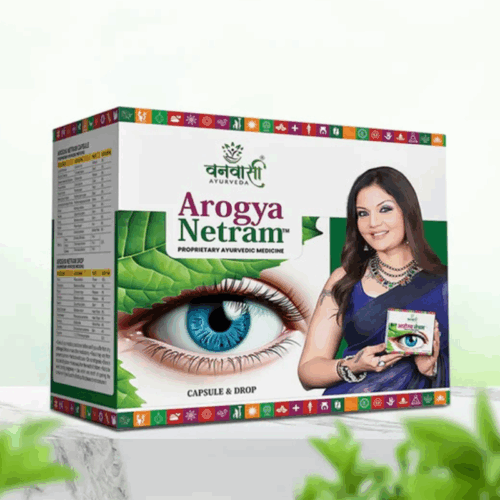
Arogya Netram Eye Drops
$24.08 Buy From The Official Website -
Sale!
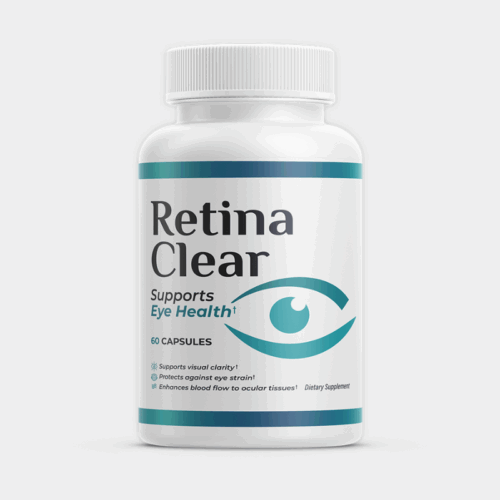
Retina Clear
Original price was: $69.00.$49.00Current price is: $49.00. Buy From The Official Website -
Sale!
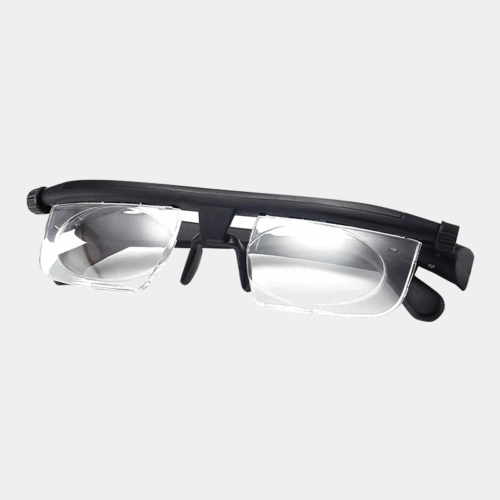
FocusPro Glasses
Original price was: $39.95.$29.95Current price is: $29.95. Buy From The Official Website