
Description
The internet has become a powerful source of health information, but it has also become a breeding ground for dangerous misinformation campaigns targeting vulnerable consumers. One of the latest and most alarming examples is the so-called “Shark Tank Alzheimer Cure” phenomenon — a wave of deceptive advertisements claiming that a revolutionary memory supplement capable of reversing Alzheimer’s disease was endorsed on the hit television show Shark Tank.
These ads have spread rapidly across Facebook, YouTube, TikTok, search engines, and fake medical news websites. Many feature fabricated celebrity endorsements, AI-generated videos, manipulated interviews, and counterfeit news reports designed to convince consumers that a miracle cure for memory loss has finally been discovered.
In reality, there is no verified Alzheimer’s cure associated with Shark Tank, and medical experts continue to emphasize that Alzheimer’s disease remains a complex neurological condition without a known cure.
This article examines how the “Shark Tank Alzheimer Cure” scam works, why these deceptive campaigns are spreading so aggressively online, what science actually says about Alzheimer’s disease and cognitive decline, and how consumers can protect themselves from misleading supplement marketing.
Understanding the “Shark Tank Alzheimer Cure” Claims
The phrase “Shark Tank Alzheimer Cure” refers to a growing category of misleading online advertisements promoting unverified memory supplements using false claims connected to the television show Shark Tank.
These campaigns typically claim that:
- A breakthrough Alzheimer’s treatment appeared on Shark Tank
- Celebrity investors secretly funded the product
- Doctors discovered a “hidden cause” of dementia
- A natural supplement can reverse memory loss
- Pharmaceutical companies are hiding the truth
- Medical professionals do not want consumers to know about the remedy
Many of the advertisements are intentionally emotional. They often feature elderly individuals struggling with memory problems, concerned family members, dramatic before-and-after stories, and urgent warnings suggesting viewers must “act immediately” before the information is removed.
According to investigations published by MalwareTips, scammers frequently use fabricated “as seen on Shark Tank” narratives to sell questionable memory supplements online.
Why Alzheimer’s Disease Is Frequently Targeted by Scammers
Alzheimer’s disease affects millions of families worldwide and remains one of the most emotionally devastating neurological conditions. Because there is currently no definitive cure, many families desperately search for hope, solutions, and treatments that might improve cognitive function or slow decline.
Scammers exploit this emotional vulnerability.
They understand that people dealing with dementia, memory loss, or cognitive decline are more likely to engage with emotionally charged promises involving:
- “Natural cures”
- “Secret breakthroughs”
- “Doctor-hidden solutions”
- “Rapid memory restoration”
- “Brain detox methods”
- “Ancient remedies”
The emotional pressure becomes even stronger when fake authority figures are introduced into the advertisements.
Some campaigns falsely imply support from:
- Neuroscientists
- Television doctors
- Harvard researchers
- Medical journalists
- Celebrities
- Public figures
Fact-checkers have repeatedly found that many of these endorsements are fabricated or manipulated using AI-generated content and deceptive editing techniques.
The Role of Fake Shark Tank Endorsements
One of the most common tactics used in these scams is falsely associating products with Shark Tank.
The show carries significant public trust because viewers associate it with entrepreneurship, innovation, and investor scrutiny. Scammers exploit that reputation to make questionable supplements appear legitimate.
These fake ads may include:
- Edited screenshots from Shark Tank
- Fabricated investor quotes
- Manipulated interviews
- Fake headlines claiming a deal was made
- Deepfake videos of investors promoting supplements
However, investigations have found no credible evidence that Shark Tank investors endorsed an Alzheimer’s cure supplement promoted in these ads.
Consumers should understand that the mere appearance of a celebrity image or television logo in an online advertisement does not verify authenticity.
How the Scam Ecosystem Works
The “Shark Tank Alzheimer Cure” scam is not usually a single website or product. Instead, it operates as a constantly changing network of misleading domains, social media advertisements, affiliate marketers, and deceptive sales funnels.
Step 1: Emotional Advertising
The process usually begins with emotionally manipulative advertisements appearing on:
- TikTok
- YouTube
- Search engine ads
- Sponsored article networks
These ads often contain sensational headlines such as:
- “Doctors Shocked by Memory Discovery”
- “Shark Tank Investors Back Alzheimer’s Breakthrough”
- “This Daily Ritual Restores Brain Function”
- “Big Pharma Wants This Banned”
The language is intentionally designed to trigger urgency and emotional engagement.
Step 2: Fake News Websites
After clicking the ad, users are redirected to fake news-style pages designed to imitate:
- CNN
- Fox News
- Healthline
- Medical blogs
- Research publications
Some pages feature fake comment sections filled with fabricated testimonials claiming dramatic improvements in memory and cognition.
Investigators have noted that many of these sites are built specifically to mimic trusted journalism outlets.
Step 3: Aggressive Supplement Sales Pages
Eventually, the reader is pushed toward a supplement sales page featuring:
- Countdown timers
- “Limited stock” warnings
- Bulk-buy discounts
- Auto-renew subscription offers
- Exaggerated customer reviews
The products themselves often contain generic ingredients marketed under new brand names.
Common Ingredients Found in Memory Supplements
Not every cognitive support supplement is fraudulent. Some ingredients commonly studied for general brain health include:
- Omega-3 fatty acids
- Bacopa monnieri
- Ginkgo biloba
- Phosphatidylserine
- Vitamin B12
- Lion’s mane mushroom
However, the existence of research surrounding general cognitive support does not mean a supplement can cure Alzheimer’s disease.
This distinction is critically important.
A product may contain ingredients that are being studied for cognitive wellness while still making exaggerated or unsupported marketing claims.
Consumers should be cautious whenever a supplement claims to:
- Reverse dementia
- Cure Alzheimer’s disease
- Restore lost memories
- Replace medical treatment
- Produce guaranteed neurological results
Such claims may create serious compliance and consumer safety concerns.
What Science Actually Says About Alzheimer’s Disease
Alzheimer’s disease is a progressive neurological condition associated with changes in brain structure and function. Researchers continue to investigate potential contributing factors involving:
- Amyloid plaques
- Tau proteins
- Inflammation
- Genetics
- Cardiovascular health
- Lifestyle influences
Current medical treatment approaches primarily focus on:
- Symptom management
- Slowing progression in some patients
- Cognitive support strategies
- Quality-of-life improvements
Medical organizations continue to state that no verified cure currently exists.
This is why any advertisement claiming a simple supplement can completely reverse Alzheimer’s disease should be approached with skepticism.
Deepfake Technology and AI Manipulation
One of the most concerning developments in recent years is the growing use of AI-generated deception in health scams.
Some fraudulent campaigns now use:
- AI-generated celebrity voices
- Synthetic video manipulation
- Fake interviews
- Fabricated doctor endorsements
- Altered news footage
Investigations involving memory supplement scams have documented the use of manipulated media to falsely imply endorsement by public figures and physicians.
This technology makes scams appear increasingly believable, especially to older adults unfamiliar with modern AI editing capabilities.
Why Older Adults Are Frequently Targeted
Scammers frequently focus on older consumers because they may:
- Spend more time on Facebook
- Search online for health solutions
- Be managing chronic conditions
- Trust authority-based messaging
- Be less familiar with digital deception tactics
Family caregivers are also targeted because they are actively searching for information related to dementia care, cognitive support, and memory decline.
The emotional burden surrounding Alzheimer’s disease creates an environment where hope can sometimes override skepticism.
The Financial Risks Behind These Scams
Beyond misleading health claims, many memory supplement scams involve questionable billing practices.
Consumers have reported:
- Unexpected recurring charges
- Hidden subscription terms
- Difficulty canceling orders
- Unauthorized billing
- Poor customer service
- International payment processing complications
Some websites intentionally obscure their refund policies or use vague terms hidden in fine print.
This is one reason why health professionals and consumer protection investigators urge consumers to research companies carefully before purchasing supplements online.
Red Flags Consumers Should Watch For
There are several warning signs commonly associated with deceptive memory supplement campaigns.
Miracle Cure Language
Claims involving:
- “Guaranteed reversal”
- “Permanent cure”
- “Instant memory restoration”
- “Rapid dementia recovery”
should be approached cautiously.
Fake Celebrity Endorsements
If an advertisement claims:
- A television investor promoted the product
- A famous doctor secretly endorses it
- A celebrity discovered the treatment
verify the information independently.
Fake News Formatting
Many scam websites intentionally imitate real media organizations to create false legitimacy.
Urgency Tactics
Warnings such as:
- “Only available today”
- “Before the government removes this”
- “Limited bottles remaining”
are commonly used to pressure consumers into quick decisions.
Lack of Scientific Transparency
Legitimate healthcare research generally includes:
- Clinical trial references
- Transparent ingredient information
- Qualified medical discussion
- Regulatory disclaimers
Social Media’s Role in the Spread of Health Misinformation
Social media platforms have dramatically accelerated the spread of health misinformation.
Researchers studying online misinformation have found that emotionally charged health claims spread rapidly through engagement-driven algorithms.
Because many scam advertisements are framed as:
- Personal stories
- Health “discoveries”
- Hidden truths
- Suppressed breakthroughs
they often attract high engagement rates before moderators can remove them.
This creates a dangerous cycle where misinformation spreads faster than corrections.
The Psychology Behind Scam Success
The success of the “Shark Tank Alzheimer Cure” scam relies heavily on psychological manipulation.
Key tactics include:
Authority Bias
People naturally trust:
- Doctors
- Television personalities
- Investors
- Scientists
- Medical institutions
Scammers exploit this trust by falsely associating products with authority figures.
Scarcity Pressure
Limited-time warnings increase impulsive purchasing behavior.
Emotional Storytelling
Stories involving parents, grandparents, or emotional recoveries can bypass rational skepticism.
Confirmation Bias
Consumers searching for hope may focus more heavily on positive claims while overlooking warning signs.
Can Supplements Support Brain Health?
Some supplements are being researched for their potential role in supporting general wellness, cognitive function, or nutritional balance. However, research outcomes vary significantly, and supplements should not be viewed as replacements for professional medical care.
Consumers considering cognitive support supplements should:
- Consult licensed healthcare professionals
- Review ingredient transparency
- Evaluate scientific evidence carefully
- Avoid exaggerated marketing claims
No supplement should be assumed to diagnose, treat, cure, or prevent Alzheimer’s disease unless specifically approved by appropriate regulatory authorities.
Responsible Brain Health Strategies
While no guaranteed prevention strategy exists for Alzheimer’s disease, medical professionals often discuss lifestyle factors associated with overall cognitive wellness.
These may include:
- Regular physical activity
- Balanced nutrition
- Cognitive engagement
- Social interaction
- Sleep quality
- Cardiovascular health management
- Stress reduction
These approaches are generally supported within broader wellness discussions rather than marketed as miracle solutions.
How Meridian Medical Centre Encourages Evidence-Based Wellness
At Meridian Medical Centre, responsible health education means separating evidence-based information from exaggerated online marketing.
Consumers deserve accurate, transparent information about:
- Cognitive wellness
- Brain health research
- Supplement limitations
- Medical treatment realities
- Online scam awareness
When evaluating any supplement or wellness product, especially those marketed using emotionally charged claims, consumers should prioritize:
- Scientific credibility
- Professional medical guidance
- Transparent research
- Verified safety information
How to Verify Health Claims Online
Before trusting any viral health advertisement, consider the following steps:
Check Trusted Medical Sources
Consult recognized organizations such as:
- National Institute on Aging
- Alzheimer’s Association
- Mayo Clinic
- Cleveland Clinic
- World Health Organization
Search for Independent Investigations
Fact-checking websites and cybersecurity investigators frequently analyze scam campaigns.
Look for Peer-Reviewed Research
Scientific claims should be supported by credible studies rather than anonymous testimonials.
Be Cautious with Viral Social Media Ads
High engagement does not equal scientific legitimacy.
The Future of AI-Driven Health Scams
Experts warn that AI-generated misinformation may continue becoming more sophisticated.
Future scam campaigns may include:
- Personalized AI-generated videos
- Realistic celebrity voice cloning
- Hyper-targeted advertising
- Automated fake testimonials
As digital deception evolves, consumer awareness becomes increasingly important.
Final Thoughts on the “Shark Tank Alzheimer Cure” Phenomenon
The “Shark Tank Alzheimer Cure” trend highlights a growing problem in digital health marketing: the blending of emotional manipulation, artificial intelligence, fake authority, and deceptive advertising.
There is currently no verified Alzheimer’s cure associated with Shark Tank, and consumers should approach miracle-style memory supplement claims with extreme caution.
Families affected by Alzheimer’s disease and cognitive decline deserve compassionate, evidence-based guidance rather than manipulative marketing campaigns designed to exploit fear and hope.
As online health misinformation continues to evolve, consumers can protect themselves by prioritizing scientific transparency, consulting qualified healthcare professionals, and remaining cautious of viral “miracle cure” narratives promoted through social media and deceptive advertising networks.
Related products
-
Sale!
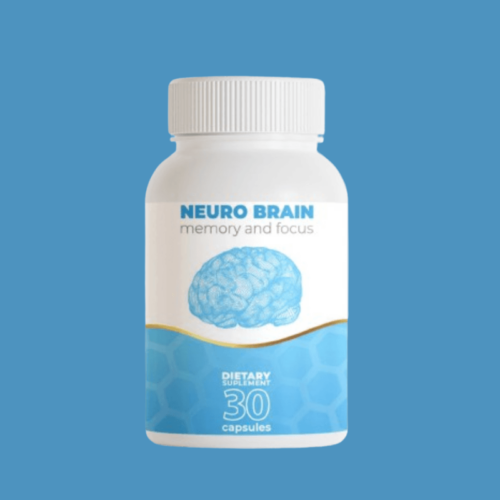
Neuro Brain
Original price was: $69.00.$49.00Current price is: $49.00. Buy From The Official Website -

New Day Rising Clear
$39.00 Buy From The Official Website -
Sale!
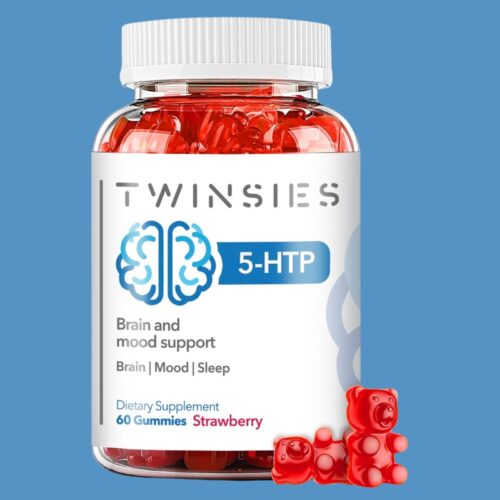
Twinsies 5-HTP Gummies
Original price was: $18.99.$17.09Current price is: $17.09. Buy From The Official Website -
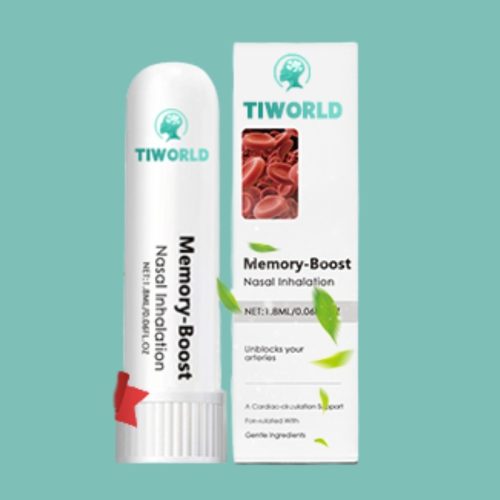
Tiworld
$49.99 Buy From The Official Website