
Unlock your health potential with our “Zombie Cells and Diabetes” formula, designed to combat chronic inflammation and support healthy insulin sensitivity. This unique blend combines powerful senolytic compounds and anti-inflammatory herbs to help eliminate zombie cells, reducing their impact on your body. Experience improved energy levels, enhanced metabolic function, and better overall well-being. Ideal for those struggling with diabetes or looking to manage blood sugar levels, this product empowers you to reclaim your vitality. Choose “Zombie Cells and Diabetes” for a proactive approach to your health, and take the first step towards a healthier, more vibrant life!
Description
In the silent corridors of aging and chronic disease, a new culprit is emerging—zombie cells, also known as senescent cells. These are cells that have stopped dividing but refuse to die. Instead, they linger in the body, releasing inflammatory signals that affect nearby healthy cells. While zombie cells have been associated with aging, neurodegeneration, and cardiovascular disease, their role in diabetes is gaining serious attention from researchers and clinicians alike.
Diabetes is a complex, multifactorial condition characterized by blood sugar dysregulation, insulin resistance, and chronic inflammation—all of which have been directly or indirectly linked to the accumulation of senescent cells. This blog will explore the fascinating intersection of zombie cells and diabetes, backed by emerging scientific research and practical strategies to mitigate the damage.
Section 1: The Biology of Zombie Cells—A Cellular Breakdown
Zombie cells are the result of cellular senescence, a process triggered when cells are damaged by stress, toxins, aging, or metabolic disturbances. Normally, such cells undergo apoptosis—a programmed form of cell death. However, senescent cells escape apoptosis, entering a state of dormancy where they no longer replicate but remain metabolically active.
These cells secrete inflammatory compounds collectively known as the Senescence-Associated Secretory Phenotype (SASP). SASP includes cytokines, chemokines, growth factors, and proteases that alter the tissue microenvironment and promote chronic inflammation, a key driver of many chronic diseases—including diabetes.
Key Characteristics of Zombie Cells:
- Permanent growth arrest
- Resistance to apoptosis
- Increased metabolic activity
- Inflammatory secretions (SASP)
- Damage to surrounding healthy cells
- Promotion of cellular aging and dysfunction
Section 2: The Link Between Zombie Cells and Insulin Resistance
Insulin resistance is a hallmark of type 2 diabetes and metabolic syndrome. It occurs when cells become less responsive to insulin, the hormone responsible for transporting glucose into cells. This leads to elevated blood sugar and compensatory overproduction of insulin.
Zombie cells play a pivotal role in this dysfunction:
- Pro-inflammatory cytokines such as IL-6 and TNF-α from senescent cells impair insulin signaling pathways.
- The oxidative stress generated by zombie cells damages insulin receptors and promotes mitochondrial dysfunction.
- SASP components promote lipid accumulation in liver and muscle tissues, further exacerbating insulin resistance.
Scientific Insight: A 2015 study in the journal Diabetes revealed that senescent cells accumulate in visceral fat tissues of obese mice and impair insulin sensitivity. Clearing these cells improved glucose tolerance and insulin action.
Section 3: Zombie Cells and Beta Cell Dysfunction in the Pancreas
Beyond insulin resistance, zombie cells also affect the pancreatic beta cells, which are responsible for producing insulin.
- Chronic SASP exposure can cause beta cell apoptosis or dysfunction, leading to inadequate insulin production.
- Inflammatory mediators damage pancreatic islets, interfering with glucose homeostasis.
- Telomere shortening—a common feature in senescent cells—is observed in beta cells of diabetic patients, hinting at a cellular aging mechanism behind insulin failure.
This double assault—reduced insulin sensitivity in peripheral tissues and diminished insulin production in the pancreas—forms the metabolic bottleneck seen in advanced type 2 diabetes.
Section 4: Inflammaging, Zombie Cells, and Diabetic Complications
Inflammaging is a term used to describe the chronic, low-grade inflammation that characterizes aging—and it’s largely driven by zombie cells. In diabetics, this inflammaging process is amplified due to:
- High glucose levels, which induce cellular stress and premature senescence.
- Obesity, which creates a pro-inflammatory environment rich in senescent immune and fat cells.
- Oxidative stress, which accelerates cellular damage and zombie cell accumulation.
Diabetic complications linked to inflammaging and zombie cells:
- Neuropathy: Inflammatory damage to nerve endings.
- Nephropathy: Kidney fibrosis and dysfunction.
- Retinopathy: Inflammatory cytokines damage blood vessels in the retina.
- Cardiovascular disease: Atherosclerosis fueled by senescent vascular cells and oxidative stress.
Section 5: Lab Markers and Diagnostic Tools for Zombie Cell Activity
While there’s no single commercial test for zombie cells, several biomarkers can indirectly reflect their presence and inflammatory activity:
- HbA1C: Long-term blood glucose regulation.
- Fasting Insulin: Insight into insulin resistance.
- LDH: A mitochondrial enzyme elevated in cellular stress.
- Red Cell Distribution Width (RDW): Correlates with inflammation and methylation imbalance.
- GlycA: A new biomarker indicating systemic inflammation and chronic disease risk.
A Comprehensive Blood Analysis (CBA) can help assess these parameters in the context of metabolic health and zombie cell burden.
Section 6: Clearing Zombie Cells—3 Core Strategies for Diabetics
1. Achieve Healthy Insulin Sensitivity
- Embrace a low-carb, nutrient-dense diet.
- Avoid processed foods, refined sugars, and high-glycemic carbohydrates.
- Focus on clean proteins and healthy fats: grass-fed meats, wild-caught fish, avocados, olive oil.
2. Activate Autophagy via Intermittent Fasting
- Fasting stimulates autophagy, the body’s way of clearing out damaged cells.
- Use 16:8 intermittent fasting or consider the Fasting Mimicking Diet (FMD®).
3. Enhance Mitochondrial Health
- Exercise regularly, especially strength training and HIIT.
- Reduce environmental toxin exposure.
- Prioritize sleep and circadian rhythm balance.
Section 7: Senolytics—Supplements That Target Zombie Cells
Senolytics are natural compounds that selectively clear senescent cells. They may be especially beneficial for individuals with diabetes or metabolic syndrome.
Top Senolytic Nutrients:
- Quercetin – Flavonoid that reduces inflammation and improves insulin sensitivity.
- Curcumin – Turmeric compound that inhibits NF-kB signaling and SASP.
- Resveratrol – Polyphenol that supports mitochondrial function and glucose metabolism.
- EGCG – Found in green tea, helps reduce oxidative stress.
- Berberine – Mimics metformin in glucose control; supports autophagy.
- 6-Shogaol – From ginger, known for potent anti-inflammatory effects.
Proteolytic enzymes like bromelain and papain also help break down inflammatory proteins and cellular debris.
Supplements such as Inflam Defense™ and Immunocharge™ combine many of these ingredients to target inflammation, promote immune resilience, and support metabolic health.
Section 8: Lifestyle Interventions to Reduce Zombie Cells in Diabetics
- Optimize Sleep: Aim for 7–9 hours. Avoid blue light and high-carb meals before bed.
- Use Infrared Saunas: Promote detox, reduce inflammation, and enhance circulation.
- Cold Therapy: Cold plunges or showers can promote resilience and stimulate cellular repair.
- Grounding and Nature Time: Walking barefoot, sunlight, and fresh air help regulate inflammation and stress hormones.
- Mind-Body Practices: Meditation, prayer, breathwork, and community engagement can lower chronic stress and immune suppression.
Conclusion: Toward a Healthier, Zombie-Free Metabolism
Zombie cells may be invisible, but their impact on diabetic health is very real. From promoting insulin resistance to accelerating complications, these senescent cells represent a major obstacle to achieving metabolic balance.
The good news? Through smart nutrition, intermittent fasting, regular exercise, and senolytic support, you can reduce zombie cell burden and improve your body’s ability to heal and regulate blood sugar naturally.
By understanding and addressing this hidden root cause, you not only gain better control over diabetes—you move toward a longer, healthier, and more vibrant life.
Related products
-

Glucocyn
$64.99 Buy From This Official Website -
Sale!

Sugar Guardian
Original price was: $69.00.$39.00Current price is: $39.00. Buy From The Official Website -

Sugarix Glucobalance Complex
$19.95 Buy From The Official Website -
Sale!
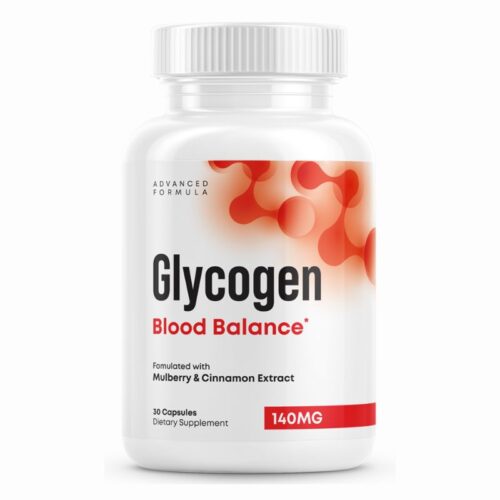
Glycogen Blood Balance
Original price was: $89.99.$39.99Current price is: $39.99. Buy From The Official Website