$39.00
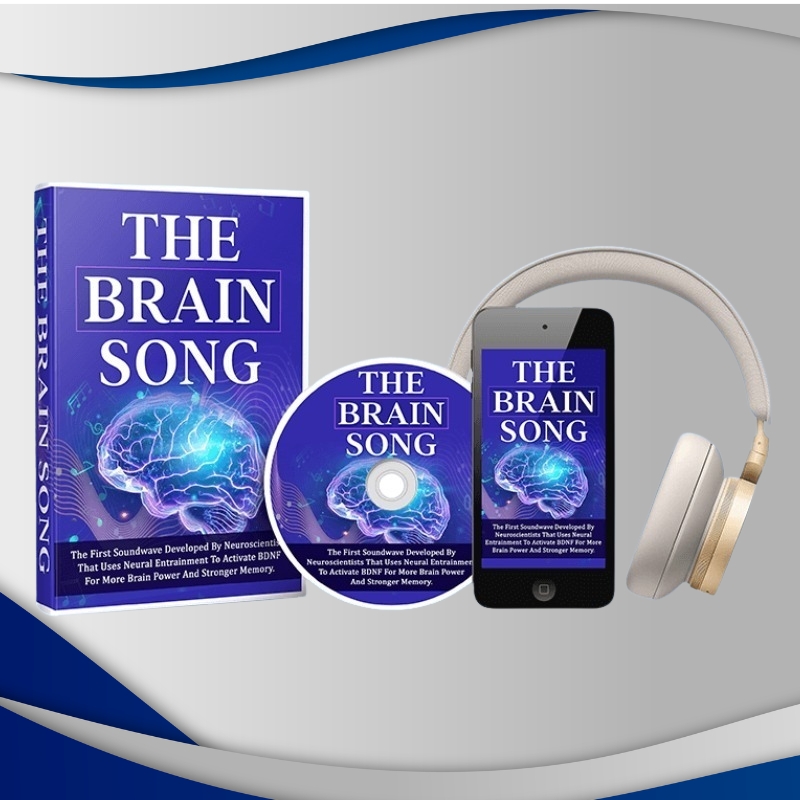
Discover the 10-Second Audio Biohack, a convenient digital audio experience designed to help you create a moment of calm and focus in your daily routine. This easy-to-use audio track can be enjoyed anywhere, making it ideal for busy professionals, students, and anyone seeking a simple wellness tool. With quick accessibility and a user-friendly format, it fits seamlessly into your lifestyle without requiring complicated programs or equipment. Whether you’re looking to support relaxation, improve mindfulness, or establish a positive daily habit, the 10-Second Audio Biohack offers a practical and enjoyable listening experience that helps you stay centered and focused throughout your day.
Description
10-Second ‘Audio Biohack’ Claims: What Consumers Should Know About Memory Enhancement Soundtracks
Across social media and online advertisements, consumers are increasingly encountering promotions for so-called “audio biohacks” that claim to improve memory, sharpen focus, and support brain health through specialized sound frequencies. Some advertisements suggest that listening to a short audio track for just a few seconds each day can trigger powerful cognitive benefits.
But how much of this is supported by science?
This article examines what researchers currently know about audio-based cognitive enhancement techniques, the role of brain health in memory function, and the warning signs consumers should watch for when evaluating memory-improvement products.
Understanding the Appeal of Audio Biohacks
The term “audio biohack” generally refers to recordings that use specific tones, frequencies, beats, or sound patterns intended to influence mental states.
Marketers often promote these recordings as a convenient alternative to traditional approaches for supporting cognitive health. Common claims include:
- Improved memory recall
- Enhanced concentration
- Better mental clarity
- Reduced brain fog
- Increased learning ability
- Support for healthy aging
Many products position themselves as requiring minimal effort, sometimes suggesting benefits after only seconds or minutes of listening.
What Does the Science Say?
Researchers have studied several forms of sound-based interventions, including:
Binaural Beats
Binaural beats occur when slightly different frequencies are played in each ear, creating the perception of a third frequency inside the brain.
Some studies have explored whether binaural beats may influence:
- Relaxation
- Attention
- Mood
- Cognitive performance
While certain research findings have been promising, scientific results remain mixed. Current evidence does not establish binaural beats as a proven treatment for memory loss or cognitive impairment.
Music and Cognitive Performance
Music can affect mood, motivation, and attention. For some individuals, listening to music may improve focus during specific tasks.
However, researchers generally distinguish between temporary improvements in concentration and long-term changes in memory function.
Auditory Stimulation Research
Scientists continue investigating how sound influences brain activity. Although certain auditory stimulation methods are being explored in research settings, many commercial products make claims that extend far beyond the available evidence.
The Role of BDNF in Brain Health
Some memory-related audio products reference Brain-Derived Neurotrophic Factor (BDNF), a naturally occurring protein involved in neuronal growth and plasticity.
BDNF plays an important role in:
- Learning
- Memory formation
- Neural adaptation
- Brain development
Researchers have identified several lifestyle factors associated with healthy BDNF levels, including:
- Regular physical activity
- Adequate sleep
- Balanced nutrition
- Stress management
While BDNF is an active area of scientific research, consumers should be cautious of products claiming that a particular sound frequency directly increases BDNF levels without robust clinical evidence.
Red Flags to Watch For
When evaluating memory-enhancement products, consumers should carefully review marketing claims.
Potential warning signs include:
Miracle-Like Promises
Claims such as:
- “Restore memory instantly”
- “Reverse cognitive decline”
- “Activate hidden brain power”
- “Boost IQ in seconds”
should be approached with skepticism.
Lack of Published Clinical Research
Legitimate health-related claims are typically supported by peer-reviewed research involving human participants.
Overreliance on Scientific Buzzwords
Terms such as:
- Neural entrainment
- Quantum frequencies
- Brain activation codes
- Neuro-acoustic technology
may sound impressive, but scientific terminology alone does not validate a product’s effectiveness.
Testimonials as Primary Evidence
Personal success stories can be compelling, but they do not replace controlled scientific studies.
Evidence-Based Ways to Support Memory
While no single intervention can guarantee improved memory, research supports several healthy habits associated with cognitive function:
Exercise Regularly
Physical activity is consistently linked to brain health and healthy aging.
Prioritize Sleep
Sleep plays a critical role in memory consolidation and cognitive performance.
Stay Mentally Active
Activities such as reading, learning new skills, and engaging in problem-solving may help maintain cognitive function.
Manage Cardiovascular Health
Heart health and brain health are closely connected.
Maintain Social Engagement
Social interaction may contribute to cognitive resilience as people age.
The Bottom Line
Audio-based relaxation and focus tools may provide an enjoyable listening experience and could help some individuals feel more relaxed or attentive. However, consumers should remain cautious of products that promise dramatic memory improvements, instant cognitive transformation, or scientifically unproven biological effects.
Before purchasing any memory-enhancement product, consider reviewing available research, consulting qualified healthcare professionals when appropriate, and focusing on evidence-based lifestyle habits that support long-term brain health.
As with many wellness products, extraordinary claims require extraordinary evidence. Consumers are best served by approaching “10-second audio biohack” marketing with a healthy dose of critical thinking and scientific skepticism.