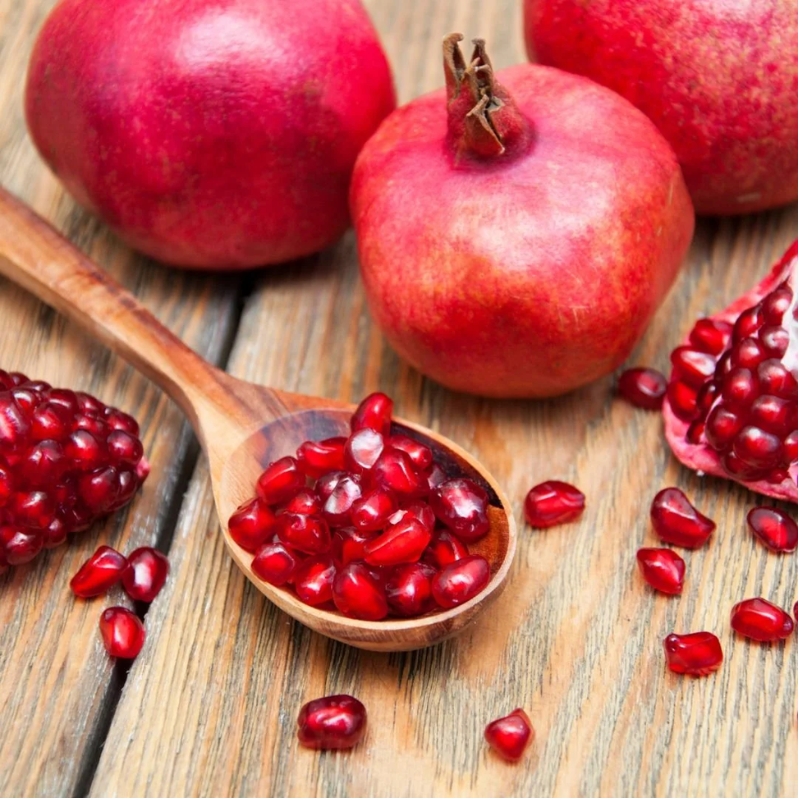
Aforia Pomegranate Extract is a pomegranate-based dietary supplement promoted as a convenient way to add concentrated botanical compounds to a daily wellness routine. Source materials describe the formula as using fermented pomegranate extract and position it around antioxidant, urinary, metabolic, and healthy-aging support. Pomegranate naturally contains polyphenols that continue to attract scientific research, making this supplement an option for wellness-focused adults interested in plant-based nutritional support. Its capsule format offers an easy alternative to regularly consuming pomegranate juice. Customers should verify the current Supplement Facts, serving size, ingredient standardization, and manufacturer information before purchasing, particularly when using medications or managing a health condition.
Description
Pomegranate has moved far beyond its familiar role as a ruby-red fruit. Extracts made from Punica granatum now appear throughout the supplement market, often positioned around antioxidant activity, metabolic wellness, cardiovascular health, and healthy aging.
Aforia Pomegranate Extract—referred to as “Aphforia” in source material reviewed for this article—appears to take that broader pomegranate story and place it into a concentrated supplement format. The source material describes fermented pomegranate extract capsules promoted for areas including kidney filtration, urinary wellness, blood sugar support, antioxidant protection, and healthy aging.
Those are significant claims to examine carefully.
At Meridian Medical Centre, our interest is not simply whether pomegranate contains interesting plant compounds. It clearly does. The more important questions are whether research on pomegranate can be translated to a specific commercial extract, whether the proposed benefits have been demonstrated in humans, and whether consumers are being given enough information about the finished formula to make an informed decision.
That distinction becomes especially important with claims involving the kidneys or blood glucose. A dietary supplement should not be confused with medical treatment for chronic kidney disease, diabetes, urinary disorders, or any other diagnosed condition.
This review therefore examines Aforia Pomegranate Extract through two separate lenses: what is being said about the product and what research actually tells us about pomegranate.
Medical disclaimer: This article is provided for general educational purposes and is not medical advice. Dietary supplements are not substitutes for diagnosis or treatment. Anyone with kidney disease, diabetes, urinary symptoms, pregnancy, allergies, or prescription medication use should discuss supplements with an appropriately qualified healthcare professional.
What Is Aforia Pomegranate Extract?
Based on the source material provided for this review, Aforia is presented as a fermented pomegranate extract supplement in capsule form.
The source describes a 72-hour fermentation process and states that the extract contains “40% punicens.” It also associates the formula with kidney filtration, urinary wellness, blood sugar support, antioxidant protection, and healthy aging.
There is an immediate verification problem, however.
We were unable to independently establish from reliable public documentation reviewed for this article that the current Aforia formula contains a particular standardized amount of a constituent described as “punicens,” nor could we verify a current Supplement Facts panel confirming the serving size and ingredient dose.
The terminology itself deserves attention. Scientific literature on pomegranate commonly discusses compounds called punicalagins, a family of ellagitannins found prominently in pomegranate. For example, published research has examined extracts standardized to punicalagins, and contemporary scientific reviews identify punicalagin as an important pomegranate polyphenol.
That does not establish that “punicens” in the source transcript means punicalagins.
It would be inappropriate to correct a product specification by assumption.
Until the manufacturer’s current label or other reliable documentation is available, the safest interpretation is that the 40% statement remains an unverified product claim.
The same standard applies to the claimed 72-hour fermentation process. Fermentation can change the chemical profile of foods and botanical ingredients, but merely describing an ingredient as fermented does not demonstrate that the resulting commercial supplement produces superior clinical outcomes.
Why Pomegranate Attracts So Much Scientific Interest
Pomegranate is considerably more interesting scientifically than the usual “superfruit” marketing language might suggest.
The fruit contains multiple classes of phytochemicals, including polyphenols and ellagitannins. Punicalagins are particularly well known in pomegranate research.
The National Center for Complementary and Integrative Health (NCCIH) notes that pomegranate has been studied in humans for several health-related outcomes. At the same time, the agency emphasizes an important limitation: many studies involve pomegranate juice rather than dietary supplements.
That distinction matters when evaluating Aforia.
Research involving 100% pomegranate juice cannot automatically establish that a concentrated capsule, fermented extract, peel extract, or proprietary formulation has the same effect.
Different pomegranate preparations can vary in their phytochemical concentrations, processing, extraction methods, serving sizes, and bioavailability.
This is one reason ingredient-level research should be considered supporting context rather than proof of a finished product.
Punicalagins: The Compound Consumers May Be Hearing About
Punicalagins belong to the ellagitannin family and are among the compounds responsible for much of the scientific interest surrounding pomegranate.
An experimental safety study published on a standardized pomegranate fruit extract described an extract containing 30% punicalagins. The researchers identified punicalagins as active ellagitannins contributing substantially to the antioxidant potential of pomegranate juice. Importantly, that study involved a particular standardized extract and animal safety testing—it did not evaluate Aforia.
A 2025 scientific review likewise examined punicalagin’s potential biological properties. It described extensive experimental investigation into antioxidant, inflammatory, metabolic, and other biological pathways, while also concluding that randomized human trials are still needed to better establish bioavailability, effective dosing, safety, and mechanisms.
This is an important example of how supplement research can be misunderstood.
A molecule demonstrating an interesting biological action in a cell culture or animal model is not the same as a capsule being clinically proven to improve a health condition in humans.
The progression of evidence generally moves from laboratory plausibility to animal studies, human observational research, controlled human trials, and eventually replication and systematic review.
Aforia should be judged according to where its finished formula falls on that evidence ladder.
Does Fermentation Make Pomegranate Extract Better?
The “fermented” part of Aforia’s positioning is potentially interesting, but it requires evidence rather than inference.
Fermentation can transform plant compounds through microbial and enzymatic processes. In some foods, these transformations can influence digestibility, chemical composition, or the availability of certain compounds.
But “fermented for 72 hours” is a manufacturing description, not a clinical outcome.
To establish that a fermented pomegranate supplement is superior to conventional pomegranate extract, researchers would ideally compare standardized preparations in humans while measuring meaningful endpoints.
Questions we would want answered include:
What microorganisms are involved in the fermentation?
What changes occur in the phytochemical profile?
What compounds are standardized after fermentation?
How much of the extract does one serving provide?
Does fermentation improve absorption in humans?
Has the finished Aforia formula been compared with a non-fermented pomegranate extract?
Do those differences translate into measurable health outcomes?
Without such evidence, fermentation may be an interesting formulation characteristic, but it should not be treated as proof of greater effectiveness.
Aforia Pomegranate Extract and Kidney Health Claims
Kidney-related supplement marketing deserves an especially high standard of evidence.
The kidneys perform essential physiological functions, including filtering blood, regulating fluid and electrolyte balance, contributing to acid-base regulation, and removing metabolic waste through urine.
When kidney function is impaired, treatment decisions can become medically complex.
The source material says Aforia is promoted for “kidney filtration.” Consumers should not interpret that language to mean that a pomegranate supplement has been demonstrated to restore impaired kidney filtration or treat chronic kidney disease.
There has been human research involving pomegranate in people undergoing hemodialysis, but the results do not establish a kidney-restoring effect.
A randomized crossover pilot trial involving 24 maintenance-hemodialysis patients evaluated pomegranate juice and extract primarily for safety and effects on oxidative stress, inflammation, and blood pressure. The participants received either 100 mL of pomegranate juice before dialysis sessions or 1,050 mg of extract daily during intervention periods. Both preparations were reported as generally safe and well tolerated in the study, but investigators found no significant effects on the measured inflammatory and oxidative-stress markers or predialysis blood pressure.
Another randomized study involving hemodialysis patients reported changes in several cardiovascular and oxidative-stress-related measurements after pomegranate juice consumption.
A separate six-month trial of pomegranate polyphenol extract in hemodialysis patients reported an increase in paraoxonase-1 activity, but most other assessed markers were not significantly improved.
These studies are scientifically interesting, but none should be transformed into the statement that Aforia improves kidney filtration.
Hemodialysis populations are also medically distinct from healthy adults taking a wellness supplement.
Could Pomegranate Support Urinary Wellness?
“Urinary wellness” is broad language.
It might refer to anything from normal urinary function to urinary comfort, bladder health, prostate-related urinary symptoms, kidney stones, or urinary tract infections. These are not interchangeable outcomes.
Some laboratory research has explored antimicrobial properties of pomegranate compounds, and pomegranate has been studied in broader areas of urological health. However, much of the rationale remains mechanistic, preclinical, condition-specific, or based on preparations that are different from Aforia.
That means a consumer should be cautious about translating general pomegranate research into an expectation that a capsule will prevent urinary tract infections or resolve persistent urinary symptoms.
Urinary frequency, urgency, pain, blood in the urine, difficulty urinating, fever, or changes in urinary output can have many causes and warrant appropriate medical assessment.
A supplement should not delay that evaluation.
Aforia Pomegranate Extract and Blood Sugar
The blood-sugar discussion is somewhat stronger scientifically because pomegranate has been evaluated in numerous randomized controlled trials.
It is also a perfect example of why scientific nuance matters.
A 2024 systematic review and meta-analysis included 32 randomized controlled trials. The pooled analysis reported modest reductions in fasting blood glucose, fasting insulin, HbA1c, and HOMA-IR following pomegranate consumption. The researchers nevertheless called for additional long-term studies.
A newer meta-analysis published in 2025 analyzed 34 randomized clinical trials involving approximately 1,500 participants. It found statistically significant pooled changes in fasting blood sugar, insulin, HOMA-IR, and QUICKI, while the pooled HbA1c change was not statistically significant. The authors also noted substantial heterogeneity for several outcomes and concluded that larger, longer randomized trials remain necessary.
Earlier evidence was less encouraging.
A 2017 meta-analysis of 16 randomized trials involving 538 participants found no significant effects on fasting glucose, fasting insulin, HOMA-IR, or HbA1c and concluded that the evidence at that time did not support pomegranate as a therapeutic strategy for glycemic management.
Taken together, this is not a story of “pomegranate reverses high blood sugar.”
It is a developing research area in which newer pooled analyses suggest potentially modest effects on some metabolic markers while uncertainties remain.
NCCIH summarizes the evidence conservatively, stating that studies suggest pomegranate may reduce blood glucose to a small extent.
For Aforia specifically, another limitation remains: evidence about pomegranate generally is not equivalent to clinical evidence for Aforia’s finished formula.
People taking insulin or glucose-lowering medication should be especially careful about adding supplements specifically promoted around blood sugar. Medication should never be reduced, discontinued, or replaced because of a dietary supplement without guidance from the clinician managing the condition.
Antioxidant Protection: What Does That Actually Mean?
“Antioxidant” may be one of the most overused terms in supplement marketing.
Oxidation is a normal part of biology. The body continuously generates reactive molecules and also maintains antioxidant defense systems. Oxidative stress refers broadly to an imbalance in these processes and is studied in connection with many diseases and aging-related biological changes.
Pomegranate contains antioxidant-associated polyphenols, so there is a legitimate scientific basis for studying its effect on oxidative stress biomarkers.
A systematic review and meta-analysis of 21 randomized controlled trials found that pomegranate consumption was associated with improvements in some measured oxidative-stress indicators, including total antioxidant capacity, superoxide dismutase, and malondialdehyde. Other biomarkers did not show statistically significant changes. The researchers called for additional well-designed randomized trials.
This distinction is essential.
An improvement in a laboratory biomarker is not automatically evidence that a supplement prevents disease, slows aging, “detoxifies” the body, or makes a person healthier in a clinically meaningful way.
The evidence can support discussion of pomegranate’s antioxidant-related biological activity.
It cannot justify unlimited downstream health claims.
What About “Healthy Aging”?
Healthy aging is another broad concept.
If the phrase means maintaining good nutrition, physical activity, metabolic health, cardiovascular health, cognitive engagement, sleep quality, and appropriate preventive care as people get older, no single botanical extract can reasonably stand in for that larger picture.
Pomegranate research intersects with several biological processes relevant to aging, including oxidative stress and inflammatory pathways. Contemporary reviews continue to investigate those relationships.
But it would be premature to conclude that taking Aforia slows human aging or extends lifespan.
A more evidence-aligned interpretation is that pomegranate provides bioactive plant compounds that are being actively researched in multiple areas of human health.
That is interesting enough without turning it into an anti-aging promise.
Why Research on Pomegranate Is Not Automatically Research on Aforia
This may be the most important section of this review.
Suppose researchers conduct a randomized trial using 1,000 mg of a carefully standardized pomegranate polyphenol extract.
A different company then sells a fermented pomegranate capsule.
Can the second company claim the trial proves its product works?
Not necessarily.
We would need to know whether the two preparations are meaningfully comparable.
Differences could include:
The part of the fruit used.
Extraction method.
Fermentation process.
Amount per serving.
Polyphenol concentration.
Punicalagin content.
Ellagic acid content.
Other active constituents.
Purity and contaminants.
Bioavailability.
Daily dosage.
Duration of use.
These details are why a Supplement Facts panel matters so much.
The strongest evidence for a commercial dietary supplement would generally involve controlled human trials conducted on the finished formulation itself.
Without that evidence, research on pomegranate should be described as ingredient-level evidence rather than direct proof of Aforia’s outcomes.
What We Could and Could Not Verify About Aforia
For this review, we examined the supplied source description and independently searched for evidence concerning pomegranate and relevant health outcomes.
The scientific literature confirms that pomegranate is a genuine subject of human clinical research. Punicalagins and other pomegranate polyphenols are also well-established areas of scientific investigation.
However, we could not independently verify from reliable current documentation reviewed for this article several important product-specific details.
These include the exact current Supplement Facts panel, ingredient dose per serving, the claimed 72-hour fermentation specification, independent testing documentation, and the meaning and validity of the stated “40% punicens” concentration.
We also did not identify finished-product randomized clinical evidence demonstrating that Aforia itself improves kidney filtration, urinary function, glucose control, or healthy aging.
This does not prove the product lacks those specifications.
It means they should remain unverified until suitable documentation establishes them.
For consumers, that distinction is worth more than confident-sounding marketing copy.
What Should You Look for on the Supplement Facts Panel?
Before buying a concentrated botanical supplement, turn the bottle around.
The front label tells you how the manufacturer wants the product positioned. The Supplement Facts panel tells you considerably more about what you are actually taking.
For Aforia, we would want to see the exact ingredient name, extract amount per serving, recommended serving size, botanical part used, standardization information, and any other active or inactive ingredients.
If the product advertises a 40% concentration of a particular constituent, the label or supporting technical documentation should clearly identify that constituent.
That point is particularly important here because “punicens” could not be reconciled confidently with the terminology commonly encountered in the pomegranate literature reviewed for this article.
Consumers should not have to guess what a standardization statement means.
Testing and Manufacturing Transparency Matter
A botanical extract can have an impressive theoretical profile while still raising practical questions about quality.
Useful manufacturer transparency can include identity testing, contaminant screening, microbial testing, heavy-metal testing, manufacturing information, lot-level documentation, and clear contact information.
A “third-party tested” badge is more useful when consumers can understand what was tested, who performed the testing, and whether documentation applies to the actual batch being sold.
Similarly, terms such as “high potency,” “premium,” “advanced,” and “scientifically formulated” are marketing descriptions unless they are tied to measurable specifications.
A strong supplement evaluation therefore asks two questions separately:
Is the ingredient scientifically interesting?
And is this particular product well characterized?
Pomegranate comfortably satisfies the first question.
More product-specific documentation would be needed to answer the second confidently for Aforia.
Aforia Pomegranate Extract Safety and Side Effects
Pomegranate as a food has a long history of consumption, but concentrated extracts deserve their own safety consideration.
NCCIH states that pomegranate juice is believed to be safe and that pomegranate extract may also be safe. Digestive symptoms can occur, and allergic reactions have been reported. NCCIH also notes that there is relatively little information about the safety of non-juice pomegranate forms during pregnancy and breastfeeding.
One controlled human pharmacokinetic study investigated whether pomegranate juice or extract affected CYP2C9 activity using flurbiprofen as a probe. Despite effects observed in laboratory testing, investigators did not find an effect on CYP2C9 activity in the human participants under the study conditions.
That is reassuring for that particular pathway and experiment, but it should not be generalized into “pomegranate has no drug interactions.”
People taking prescription medications should discuss concentrated botanical extracts with a pharmacist or clinician when there is uncertainty.
That advice becomes more important for people with kidney disease or diabetes because medication regimens and laboratory values can require close management.
Who Should Speak With a Healthcare Professional Before Using It?
Extra caution is appropriate for people with diagnosed kidney disease, diabetes or unstable blood glucose, significant urinary symptoms, multiple prescription medications, known pomegranate allergy, pregnancy, or breastfeeding.
Anyone preparing for surgery should also disclose supplement use to their healthcare team.
A dietary supplement should not be used to self-treat a significant change in kidney function, persistent urinary symptoms, or abnormal glucose readings.
These are areas where identifying the underlying cause matters more than choosing a supplement.
How to Evaluate Aforia Before Buying
The smartest way to evaluate Aforia is not to ask whether pomegranate is “good for you.”
That question is too broad.
Instead, ask whether the manufacturer provides enough information to connect its particular formula with the science being referenced.
Start with the Supplement Facts panel.
Confirm how much pomegranate extract is present in each serving and what the extract is standardized to.
Then investigate the fermentation claim.
If a 72-hour process is central to the product’s value proposition, look for an explanation of what fermentation changes and whether those changes have been measured.
Next, examine the “40%” claim.
The constituent should be named clearly and consistently. Ideally, there should be testing or specification documentation supporting the concentration.
Then look at finished-product research.
Ingredient studies are useful, but a randomized controlled trial on the actual commercial formula carries considerably more weight.
Finally, examine the claims themselves.
“Supports antioxidant defenses” and “restores kidney filtration” are very different statements. The second would require far stronger clinical substantiation and could be interpreted medically.
The more serious the claimed outcome, the stronger the evidence consumers should demand.
Is Aforia Pomegranate Extract Worth Considering?
Pomegranate is not an invented wellness trend.
It is a well-studied fruit containing biologically active polyphenols, and randomized human research has investigated its effects on blood pressure, glucose-related measurements, oxidative-stress biomarkers, and other outcomes.
That gives a pomegranate extract more scientific plausibility than a supplement built around an ingredient with virtually no human research.
But plausibility is only the beginning.
For Aforia specifically, the major unanswered questions concern the finished formula.
We would want verified answers about the exact dose, standardization, fermentation process, “40% punicens” terminology, quality testing, and whether clinical research exists on this particular preparation.
Until those details are independently established, consumers should avoid assuming that every finding from general pomegranate research applies directly to Aforia.
The blood-sugar evidence illustrates this particularly well. Newer meta-analyses suggest modest effects on some glycemic measurements, but the literature has been inconsistent, effects are not equivalent across every marker, and those studies encompass different pomegranate preparations.
The kidney evidence requires even more restraint. Trials in hemodialysis populations have explored pomegranate preparations and cardiovascular, inflammatory, or oxidative-stress endpoints, but this does not establish that Aforia improves kidney filtration.
That distinction should shape any purchasing decision.
The Meridian Medical Centre Perspective
The most compelling thing about pomegranate is that we do not need to exaggerate it.
Its polyphenols are scientifically interesting. Punicalagins have been extensively investigated. Human randomized trials exist. Meta-analyses have examined multiple outcomes.
At the same time, scientific interest is not synonymous with clinical proof.
Aforia Pomegranate Extract may ultimately prove to be a well-characterized pomegranate supplement, but the product-specific evidence needs to catch up with the specificity of its marketing.
Claims about kidney filtration should not be interpreted as evidence that the supplement restores kidney function.
Urinary wellness language should not be interpreted as treatment for infection, prostate disease, kidney stones, or other urinary disorders.
Blood-sugar research on pomegranate does not make the supplement a substitute for diabetes medication, glucose monitoring, nutrition therapy, or medical care.
And antioxidant activity should not be transformed into a promise of disease prevention or slower aging.
Those boundaries do not diminish pomegranate research.
They make the discussion more scientifically useful.
Final Verdict on Aforia Pomegranate Extract
Aforia Pomegranate Extract sits in an interesting position.
The underlying ingredient—pomegranate—has a credible scientific research base. Pomegranate polyphenols, particularly punicalagins, have attracted substantial experimental and clinical interest. Human research suggests possible modest effects in areas such as certain oxidative-stress and glycemic markers, although findings vary and additional research remains warranted.
What remains less clear is how closely Aforia’s finished formula matches the preparations used in that research.
The source material describes a fermented extract, a 72-hour production process, and a “40% punicens” specification. Those details require direct manufacturer documentation or other reliable verification before we would treat them as established product facts.
The same applies to the broader health positioning.
Current evidence does not justify describing Aforia as a treatment for kidney disease, impaired kidney filtration, urinary disease, diabetes, or another medical condition.
For a healthy adult who simply wants a pomegranate-derived polyphenol supplement, Aforia may be a product to investigate further once the current label, dose, testing, and standardization are confirmed.
For someone considering it specifically because of kidney problems, urinary symptoms, or abnormal blood glucose, the priority should be professional medical assessment rather than supplementation.
The most useful takeaway is therefore straightforward: pomegranate has legitimate scientific interest, but the evidence for an ingredient should never be allowed to outrun the evidence for the finished product.
That is the standard by which Aforia Pomegranate Extract—and any other concentrated botanical supplement—should be evaluated.
Medical disclaimer: Information in this article is educational and is not intended to diagnose, treat, cure, or prevent disease or replace individualized medical advice. Research involving pomegranate juice, extracts, individual constituents, or other formulations should not be interpreted as proof of efficacy for Aforia Pomegranate Extract. Product formulations and specifications may change. People with medical conditions or those taking medications should consult an appropriately qualified healthcare professional before starting a dietary supplement.
Related products
-
Sale!
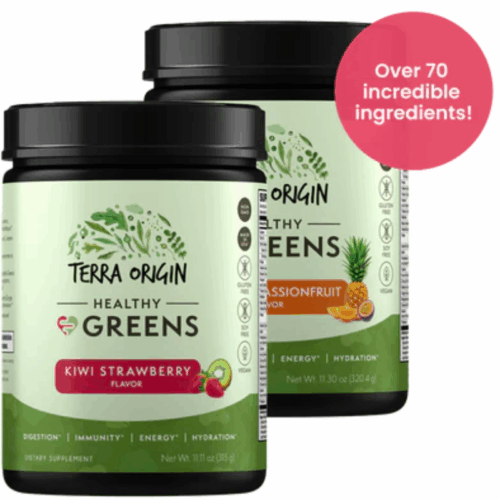
Terra Origin Healthy Greens
Original price was: $29.99.$23.99Current price is: $23.99. Buy From The Official Website -
Sale!
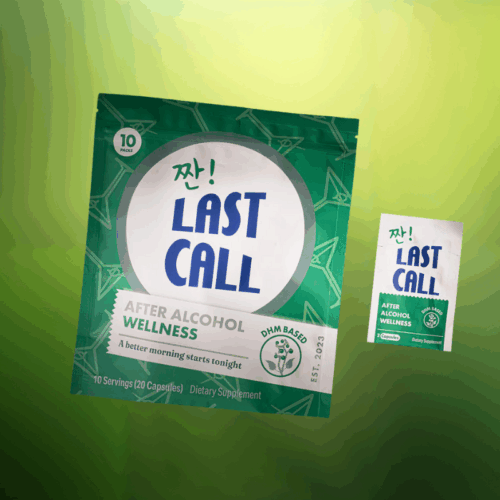
Last Call Hangover Supplement
Original price was: $34.99.$29.74Current price is: $29.74. Buy From The Official Website -
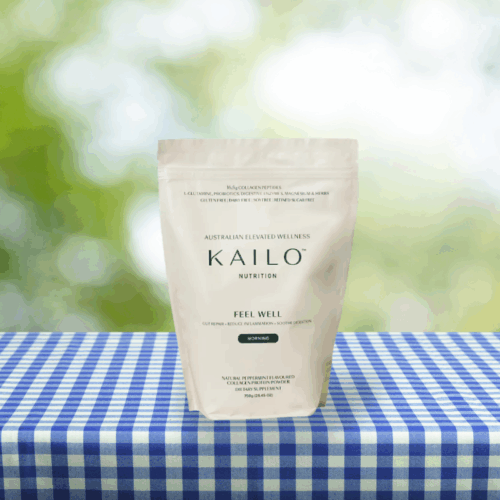
Kailo Nutrition
$129.00 Buy From The Official Website -
Sale!
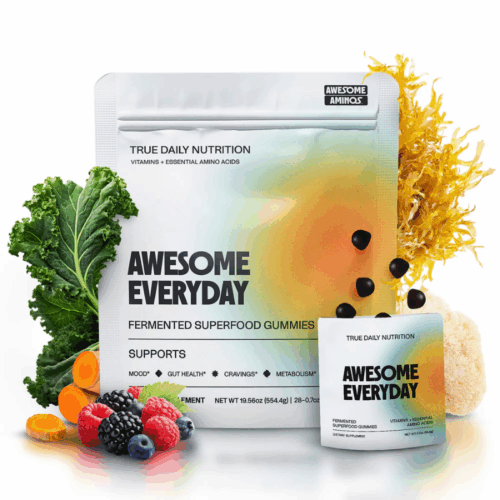
Awesome Aminos Awesome Everyday
Original price was: $70.00.$59.00Current price is: $59.00. Buy From The Official Website