Discover the Ancient Cocoa & Honey Ritual, a fascinating exploration of one of history’s most celebrated natural pairings. This research-based guide examines the rich cultural heritage, nutritional insights, and modern wellness interest surrounding cocoa and honey, two ingredients valued by civilizations for centuries. Readers will learn about their historical significance, naturally occurring compounds, and how this simple ritual has found a place in contemporary wellness routines. Perfect for health-conscious individuals seeking evidence-informed information, this engaging resource separates fact from hype while promoting mindful lifestyle habits. A compelling read for anyone interested in nutrition, wellness traditions, and the enduring wisdom of natural foods.
Description
Throughout human history, some of the most enduring wellness traditions have not emerged from laboratories or pharmaceutical breakthroughs. Instead, they have come from simple foods that cultures valued for generations. Among these longstanding combinations, cocoa and honey stand out as a fascinating pairing that has crossed continents, civilizations, and centuries.
Today, social media wellness trends often present cocoa and honey as a newly discovered ritual. Yet historical records suggest that both ingredients have been used independently for thousands of years, while various cultures incorporated them into ceremonial, culinary, and daily wellness practices. Modern interest in this combination reflects a broader movement toward minimally processed foods, intentional eating habits, and sustainable wellness routines.
The Ancient Cocoa & Honey Ritual is not about miraculous transformations or overnight results. Rather, it represents a return to simple nutritional traditions centered around whole foods and mindful consumption. While modern research continues to investigate the biological properties of cocoa and honey, many people are drawn to the ritual itself—a small daily practice that combines flavor, nourishment, and consistency.
This article examines the history, science, cultural significance, nutritional profile, and practical applications of the cocoa and honey ritual while separating evidence-based information from exaggerated claims.
The Ancient Origins of Cocoa
The story of cocoa begins long before modern chocolate bars existed.
Cacao trees (Theobroma cacao) originated in tropical regions of Central and South America. Archaeological evidence suggests that ancient civilizations including the Olmec, Maya, and Aztec peoples cultivated and consumed cacao centuries before European contact. In many of these societies, cacao held cultural, economic, and ceremonial importance.
Among the Maya, cacao beverages were consumed during religious ceremonies, celebrations, and social gatherings. Historical accounts indicate that cacao was often prepared as a bitter drink rather than the sweet chocolate products familiar today. Some preparations included spices, herbs, and natural sweeteners depending on regional traditions.
The Aztecs similarly regarded cacao as a valuable commodity. Cacao beans were sometimes used as currency and were associated with prestige and ritual significance. Historical records describe cacao beverages consumed by warriors, nobles, and merchants.
Although the exact combinations varied across regions and time periods, the cultural importance of cacao demonstrates that its role extended beyond simple nutrition. It was woven into the social and ceremonial fabric of daily life.
Honey: One of Humanity’s Oldest Foods
Honey’s history stretches even further back.
Archaeological discoveries indicate that humans have harvested honey for thousands of years. Ancient cave paintings depicting honey gathering date back approximately 8,000 years. Throughout history, honey has appeared in Egyptian, Greek, Roman, Ayurvedic, Chinese, and Middle Eastern traditions.
Ancient Egyptians valued honey as both a food and a cultural resource. Historical texts suggest it was used in offerings, culinary preparations, and traditional wellness practices.
In classical Greece, honey was considered an important dietary staple. Philosophers and physicians wrote about its role in everyday nutrition, while athletes often consumed honey-containing foods before competitions.
Traditional Ayurvedic texts also reference honey as a component of various dietary and wellness practices, emphasizing moderation and balance.
Unlike refined sugar, which became widespread only in more recent centuries, honey served as one of humanity’s primary natural sweeteners for much of recorded history.
When Two Ancient Foods Meet
The combination of cocoa and honey may seem modern, but the pairing aligns naturally with historical food traditions.
Cocoa offers earthy, slightly bitter notes, while honey contributes sweetness and complexity. Together, they create a flavor profile that many people find satisfying without requiring highly processed ingredients.
Modern wellness discussions often describe the pairing as a “cocoa and honey ritual” because it involves more than simply mixing two foods. It represents a deliberate daily habit—one that encourages people to slow down and make intentional dietary choices.
This ritual approach may explain why the practice continues to gain attention. Research in behavioral science frequently highlights the importance of sustainable habits. Wellness routines that are enjoyable are often easier to maintain than restrictive or unpleasant practices.
Understanding Cocoa’s Nutritional Profile
Modern nutritional research has identified several naturally occurring compounds within cocoa.
Flavanols and Polyphenols
Cocoa contains flavanols, a class of plant compounds belonging to the broader polyphenol family. Researchers continue to investigate how dietary flavanols may contribute to overall health when consumed as part of a balanced diet.
The concentration of these compounds varies depending on processing methods. Generally, less processed cocoa products retain higher levels of naturally occurring flavanols.
Theobromine
One of cocoa’s most distinctive compounds is theobromine.
Unlike caffeine, theobromine tends to produce a gentler stimulation effect. Many individuals describe it as providing a more gradual sense of alertness and focus. Researchers continue to study how theobromine interacts with the body’s cardiovascular and nervous systems.
Minerals
Unsweetened cocoa also contains naturally occurring minerals, including magnesium, copper, iron, and manganese.
These minerals participate in numerous biological processes and contribute to the nutritional value of cocoa-containing foods.
Understanding Honey’s Nutritional Profile
Honey is more than a natural sweetener.
Its composition varies depending on floral sources, geographic region, and processing methods.
Natural Carbohydrates
Honey primarily consists of fructose and glucose. These naturally occurring sugars provide energy and contribute to honey’s distinctive flavor.
Trace Compounds
Raw honey contains small amounts of enzymes, amino acids, vitamins, minerals, and plant-derived compounds collected from nectar sources. While present in relatively small quantities, these components contribute to honey’s complex nutritional profile.
Phenolic Compounds
Many honey varieties contain phenolic compounds and antioxidants that researchers continue to investigate for their potential biological activity.
The concentration of these compounds varies significantly between different honey varieties.
What Modern Research Says
One reason the cocoa and honey ritual has attracted attention is that both ingredients contain naturally occurring compounds currently being studied in nutritional science.
Antioxidant Activity
Researchers frequently study cocoa because of its high concentration of polyphenols and flavanols. Honey also contains antioxidant compounds, particularly in darker varieties.
Antioxidants help neutralize free radicals, which are naturally produced during normal metabolic processes. Scientists continue to investigate how antioxidant-rich foods fit into overall dietary patterns.
Cardiovascular Research
Research involving cocoa flavanols has explored potential associations with circulation and vascular function. Some studies suggest cocoa flavanols may support healthy blood vessel function as part of a balanced lifestyle.
However, these findings should not be interpreted as evidence that cocoa or honey can diagnose, treat, prevent, or cure cardiovascular disease.
Cognitive and Mood Research
Scientists have also explored relationships between cocoa consumption, blood flow, and cognitive performance.
Meanwhile, honey’s natural carbohydrate composition may contribute to sustained energy availability throughout the day.
Current evidence remains focused on dietary support rather than medical treatment.
The Importance of Ritual in Wellness
Perhaps the most overlooked aspect of the Ancient Cocoa & Honey Ritual is the ritual itself.
Many successful wellness habits share common characteristics:
- Simplicity
- Enjoyment
- Consistency
- Accessibility
The cocoa and honey ritual satisfies all four.
Rather than requiring expensive equipment or complicated instructions, it involves ingredients that many households already possess. The pleasant flavor profile encourages repetition, while the short preparation time makes it easy to integrate into daily life.
Behavioral researchers often emphasize that sustainable habits outperform extreme interventions that are difficult to maintain. A simple practice repeated consistently may ultimately have greater value than a complex routine abandoned after a few weeks.
Why People Are Turning Away from Refined Sugar
Another factor driving interest in cocoa and honey is the desire to reduce consumption of heavily processed foods.
Many individuals seek alternatives to refined sugars and artificial flavorings. Honey provides sweetness while contributing flavor complexity that processed sweeteners often lack.
When combined with unsweetened cocoa, honey creates a rich taste experience that may help satisfy cravings without relying on highly processed ingredients.
This does not mean honey is calorie-free or suitable for unlimited consumption. It remains a source of sugar and should be consumed mindfully as part of a balanced diet.
Creating Your Own Ancient Cocoa & Honey Ritual
One reason this practice remains popular is its simplicity.
Basic Recipe
Ingredients:
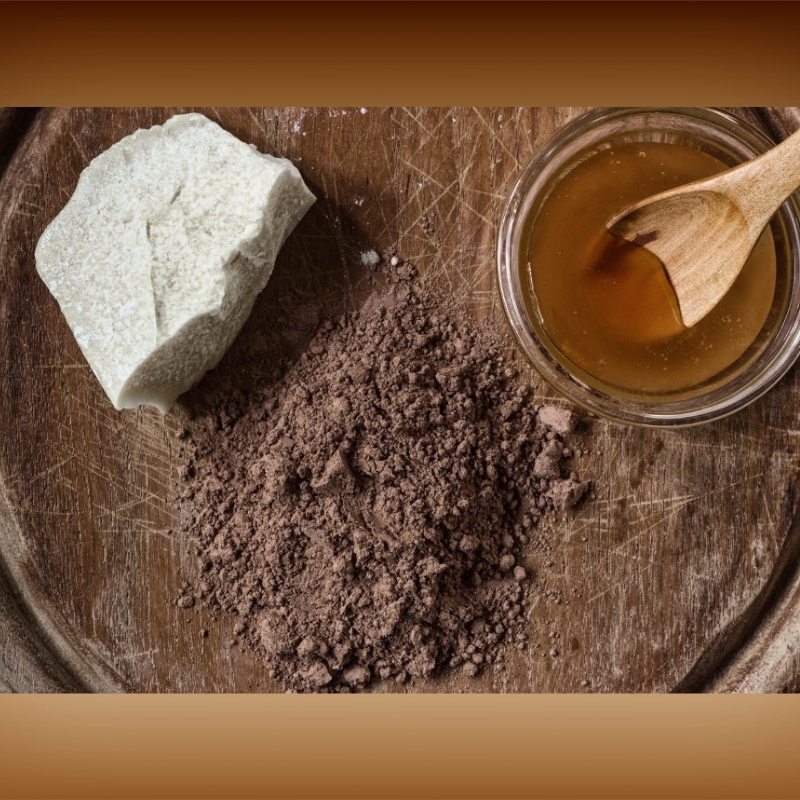
- 1 teaspoon unsweetened cocoa powder
- 1 tablespoon raw honey
- 8 ounces warm water or milk
Instructions:
- Warm the liquid until comfortable to drink.
- Stir in cocoa powder until dissolved.
- Add honey and mix thoroughly.
- Enjoy slowly and mindfully.
This preparation reflects one of the most common approaches discussed in modern wellness communities.
Variations Around the World
The ritual can be adapted to suit different tastes and cultural preferences.
Morning Beverage
Many people incorporate cocoa and honey into a morning routine as a replacement for heavily sweetened drinks.
Evening Ritual
Others enjoy the combination in the evening as part of a relaxing wind-down routine.
Smoothies and Bowls
Cocoa and honey can also be added to:
- Yogurt
- Oatmeal
- Smoothies
- Chia pudding
- Overnight oats
These approaches allow individuals to enjoy the flavor combination while integrating additional nutrient-dense foods.
Ingredient Quality Matters
Not all cocoa and honey products are identical.
Choosing Cocoa
Look for:
- Unsweetened cocoa powder
- Minimal processing
- No added sugars
Choosing Honey
Look for:
- Raw honey when possible
- Minimal filtration
- Reputable sourcing
Ingredient quality may influence both flavor and nutritional composition.
Common Misconceptions
Myth: Cocoa and Honey Is a Miracle Cure
There is no credible evidence that a cocoa and honey mixture cures disease, reverses aging, or provides dramatic medical outcomes.
Such claims often originate from marketing materials rather than scientific research.
Myth: More Is Better
Moderation remains important.
Excessive consumption of honey contributes additional sugar intake, while large amounts of cocoa may not be appropriate for everyone.
Myth: The Ritual Replaces Medical Care
Dietary habits can support overall wellness, but they do not replace medical evaluation, diagnosis, or treatment.
Emerging Interest in Cocoa-Honey Research
Researchers continue to explore innovative uses for cocoa and honey.
Recent investigations have examined cocoa-infused honey products and methods for enhancing antioxidant content using sustainable food technologies. These studies reflect growing scientific interest in combining natural food ingredients while reducing agricultural waste.
Although this research remains in early stages, it highlights the continuing relevance of ancient food combinations in modern nutrition science.
The Psychology Behind the Ritual
Many wellness practices fail because they feel like obligations.
The cocoa and honey ritual differs because it combines pleasure with intentionality.
The rich aroma of cocoa, the sweetness of honey, the warmth of a prepared beverage, and the brief pause from daily distractions all contribute to a sensory experience that encourages mindfulness.
For some individuals, the ritual itself may be as meaningful as the ingredients.
Final Thoughts
The Ancient Cocoa & Honey Ritual represents a fascinating intersection of history, nutrition, and daily wellness.
Cocoa’s roots in ancient Mesoamerican traditions and honey’s role across numerous civilizations reveal a shared legacy spanning thousands of years. Modern research continues to explore the nutritional properties of both foods, particularly their naturally occurring plant compounds and antioxidant content. While these findings are promising, they should be understood within the context of a balanced lifestyle rather than viewed as medical solutions.
What makes this ritual compelling is its simplicity.
Two minimally processed foods. A few moments of preparation. A daily opportunity to choose intentional nourishment over convenience.
In a world increasingly filled with complicated wellness trends, the enduring appeal of cocoa and honey may remind us that some of the most meaningful habits are also the simplest.
Medical Disclaimer
This article is for educational and informational purposes only and does not constitute medical advice. Cocoa and honey are foods, not medications. Individual nutritional needs vary, and readers should consult qualified healthcare professionals regarding dietary changes, especially if managing medical conditions, food allergies, blood sugar concerns, or other health-related issues. Honey should not be given to children under 12 months of age.