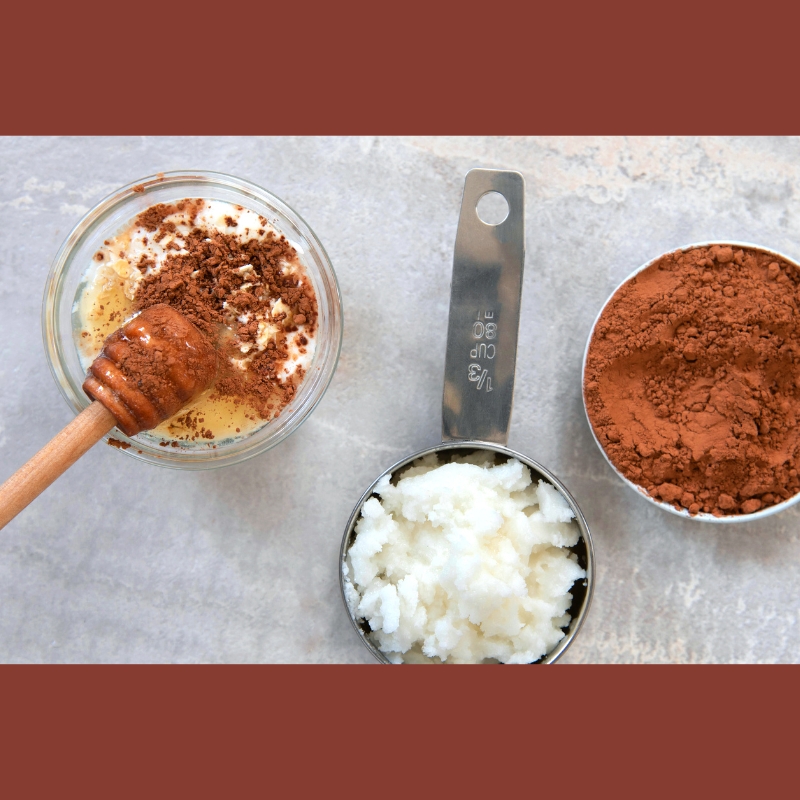
Discover the fascinating story behind the Ancient Sardinian Secret for Alzheimer's, an educational guide exploring the traditional foods, lifestyle habits, and longevity practices associated with one of the world's longest-living populations. Learn about the growing scientific interest in raw honey, cacao flavanols, healthy aging, and cognitive wellness, along with the cultural traditions that have made Sardinia a focus of longevity research. Easy to read and packed with insights, this guide is ideal for adults interested in brain health, memory support, and healthy aging. A valuable resource for anyone seeking natural lifestyle strategies to support long-term cognitive well-being.
Description
For centuries, the Mediterranean island of Sardinia has fascinated scientists, doctors, and longevity researchers. Home to one of the world's highest concentrations of centenarians, Sardinia has become a focal point for studies examining healthy aging, vitality, and cognitive wellness.
Researchers have spent decades investigating why so many Sardinians live long, active lives while maintaining their independence well into old age. Their findings point to a combination of factors including physical activity, strong family bonds, nutrient-dense diets, low stress levels, and traditional foods passed down through generations.
Among these traditional foods, raw honey and minimally processed cacao have attracted growing scientific interest due to their naturally occurring antioxidants and plant compounds. While no food can cure or reverse Alzheimer's disease, researchers continue to study how certain dietary patterns may support overall brain health and healthy cognitive aging.
This article explores the traditional Sardinian connection to honey, the science behind cacao-derived flavonoids, and what modern research says about nutrition and cognitive wellness.
Sardinia: One of the World's Longevity Hotspots
Sardinia is recognized as one of the original “Blue Zones,” regions where people commonly live longer than average. Researchers studying the island have identified several lifestyle factors that may contribute to exceptional longevity:
- Traditional Mediterranean eating patterns
- Regular physical activity throughout life
- Strong family and community connections
- Lower rates of chronic stress
- Consumption of locally produced foods
- Active lifestyles extending into advanced age
Unlike many modern dietary approaches, the Sardinian lifestyle emphasizes simplicity. Meals are often prepared from whole ingredients grown or produced locally, with minimal processing.
Honey has long been part of this traditional food culture.
The Historical Role of Honey in Mediterranean Cultures
Honey has been valued throughout Mediterranean civilizations for thousands of years.
Ancient Greeks referred to honey as “the food of the gods.” Roman physicians documented its use in traditional wellness practices, while Sardinian communities often incorporated local honey into everyday meals.
Raw honey contains naturally occurring compounds including:
- Polyphenols
- Flavonoids
- Amino acids
- Trace minerals
- Natural sugars
These compounds contribute to honey's antioxidant properties, which researchers continue to investigate for their potential role in supporting overall health.
Importantly, honey should be viewed as part of a balanced dietary pattern rather than as a standalone solution for age-related cognitive concerns.
Understanding Cognitive Aging
As people age, normal changes occur throughout the brain.
Scientists studying cognitive aging often examine factors such as:
- Oxidative stress
- Chronic inflammation
- Vascular health
- Sleep quality
- Physical activity levels
- Nutrition
- Social engagement
Research suggests that healthy lifestyle choices may help support cognitive function throughout life, although no dietary ingredient has been proven to prevent or cure Alzheimer's disease.
This distinction is essential.
Supporting healthy brain aging is different from treating a medical condition.
The Growing Interest in Cacao and Brain Health
Cacao contains a class of plant compounds known as flavanols.
One flavanol that has received particular attention is epicatechin.
Epicatechin is naturally present in:
- Cacao
- Dark chocolate
- Certain fruits
- Some teas
Scientists have investigated epicatechin because of its antioxidant activity and potential effects on blood vessel function.
Several studies suggest that cacao flavanols may support healthy circulation, including blood flow to various organs throughout the body. Researchers continue to explore whether these effects may play a role in cognitive performance and healthy aging.
However, findings remain an active area of research, and more studies are needed to determine long-term outcomes.
What Researchers Know About Blood Flow and Brain Function
The human brain consumes a significant portion of the body's energy despite accounting for only a small percentage of body weight.
Healthy circulation helps deliver:
- Oxygen
- Glucose
- Nutrients
to brain tissue.
Scientists have investigated whether flavanol-rich foods may support endothelial function, which refers to the health of blood vessel linings.
Some studies suggest that flavanol consumption may contribute to healthy vascular function, though results vary depending on study design, population, and dosage.
Researchers continue exploring how nutrition, exercise, and cardiovascular health influence cognitive wellness over time.
Antioxidants and Cognitive Wellness
Oxidative stress is a natural biological process that occurs throughout life.
When oxidative stress exceeds the body's antioxidant defenses, cellular damage may occur.
Foods rich in antioxidants include:
- Berries
- Olive oil
- Vegetables
- Nuts
- Honey
- Cacao
Many of the dietary patterns associated with longevity emphasize consuming a variety of antioxidant-rich foods rather than relying on a single ingredient.
This broader approach aligns with current scientific understanding of healthy aging.
Why the Mediterranean Diet Continues to Attract Attention
The Mediterranean diet remains one of the most studied dietary patterns in the world.
It typically includes:
- Vegetables
- Fruits
- Legumes
- Whole grains
- Olive oil
- Fish
- Nuts
- Limited processed foods
Multiple observational studies have associated Mediterranean-style eating patterns with healthy aging outcomes.
While observational research cannot prove cause and effect, these findings continue to support the importance of overall dietary quality rather than isolated “miracle foods.”
Traditional Sardinian Honey Practices
Many Sardinian families have passed down food traditions through generations.
Local honey varieties are often produced from diverse floral sources native to the island.
These traditional foods may contribute beneficial plant compounds as part of a broader dietary pattern that includes:
- Seasonal produce
- Whole foods
- Physical activity
- Social connection
Researchers studying longevity consistently emphasize that no single food explains Sardinia's remarkable aging outcomes.
Instead, multiple lifestyle factors appear to work together.
The Science of Flavanols
Flavanols belong to a broader family of compounds called polyphenols.
Researchers have investigated flavanols for potential effects on:
- Vascular health
- Cellular signaling
- Oxidative stress response
- Healthy aging mechanisms
Cacao remains one of the richest natural dietary sources of flavanols.
However, flavanol content varies dramatically depending on:
- Processing methods
- Growing conditions
- Manufacturing techniques
Highly processed chocolate products often contain significantly lower flavanol concentrations than minimally processed cacao.
Lifestyle Factors Matter More Than Any Single Ingredient
Perhaps the most important lesson from Sardinia is that longevity appears to result from a combination of habits rather than a single secret.
Researchers consistently identify several common themes among healthy aging populations:
Daily Movement
Many Sardinians remain physically active throughout life.
Activities often include:
- Walking
- Gardening
- Farming
- Household tasks
Strong Social Connections
Social engagement has been linked to better overall well-being and quality of life.
Whole-Food Nutrition
Traditional diets emphasize nutrient-dense foods rather than highly processed products.
Purpose and Community
Researchers frequently note the importance of social support and meaningful daily activities among long-lived populations.
Separating Myth from Science
Stories about ancient remedies often become exaggerated over time.
While honey and cacao contain compounds of scientific interest, it is important to separate emerging research from unsupported claims.
Current scientific evidence does not establish that:
- Honey cures Alzheimer's disease
- Cacao reverses dementia
- Any two-ingredient mixture restores lost memory
- Natural ingredients eliminate disease-causing proteins
- A single food prevents cognitive decline
Such claims require rigorous clinical evidence and regulatory review.
Evidence-Based Ways to Support Brain Health
Health organizations commonly recommend:
Regular Exercise
Physical activity supports cardiovascular health and overall wellness.
Adequate Sleep
Sleep plays an important role in memory consolidation and cognitive function.
Balanced Nutrition
Diets emphasizing fruits, vegetables, healthy fats, and whole foods are widely recommended.
Mental Engagement
Reading, learning, social interaction, and mentally stimulating activities may support cognitive vitality.
Medical Care
Individuals experiencing memory concerns should consult qualified healthcare professionals for evaluation and guidance.
The Enduring Appeal of Sardinia's Longevity Traditions
The fascination with Sardinia stems from a simple but powerful observation: many residents maintain active, engaged lifestyles far beyond what many people consider typical aging.
Their example reminds us that healthy aging often results from consistent daily habits rather than dramatic interventions.
Traditional foods such as honey and cacao may contribute beneficial nutrients and plant compounds, but they are best understood within the broader context of a healthy lifestyle.
Conclusion
The so-called “Ancient Sardinian Secret” is not a miracle cure, a hidden recipe, or a single ingredient capable of reversing disease.
Instead, the true lesson from Sardinia may be far more valuable.
Long-term health appears to emerge from the combination of nutritious foods, meaningful relationships, physical activity, community involvement, and lifelong habits practiced consistently over decades.
Raw honey and cacao contain naturally occurring compounds that continue to attract scientific interest, particularly in the fields of healthy aging and cognitive wellness. However, current research does not support claims that these foods cure Alzheimer's disease, reverse dementia, or restore lost memory.
What Sardinia offers is not a shortcut, but a model for living well—a reminder that the foundations of healthy aging are often simple, sustainable, and deeply rooted in everyday life.
Related products
-
Sale!
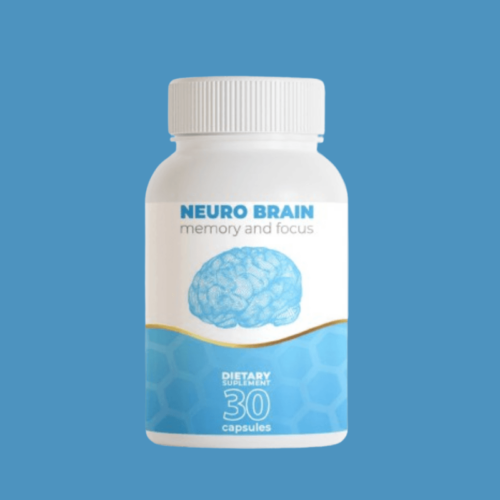
Neuro Brain
Original price was: $69.00.$49.00Current price is: $49.00. Buy From The Official Website -

Clear Supplement
$59.00 Buy From This Official Website -
Sale!

Tiworld Advanced Cognitive Formula
Original price was: $19.95.$16.96Current price is: $16.96. Buy From The Official Website -

VitaCell+
$59.95 Buy From This Official Website