
Description
Erectile dysfunction (ED) can affect men of all ages and can carry substantial physical, emotional and relational burdens. Given the interest in natural wellness approaches that complement conventional care, many men search for seemingly simple remedies they can try at home. One of these is the idea that the common kitchen ingredient Sodium bicarbonate (baking soda) might help improve erectile function or sexual performance. This article from Meridian Medical Centre offers a balanced and evidence-based examination of this claim: how it arose, what the science shows, what risks may be involved, and how to integrate safe, effective strategies for managing ED. This content is for educational purposes only and is not a substitute for personalized medical advice. Always consult a qualified healthcare provider with sexual health concerns.
Understanding Erectile Dysfunction
Before assessing any remedy, it’s helpful to understand what ED is and what typically causes it. Erectile dysfunction is the persistent inability to achieve or maintain an erection sufficient for satisfactory sexual activity. Occasional difficulties are common and often benign, but chronic ED merits evaluation.
What contributes to ED?
-
Vascular / circulatory factors – Healthy blood flow into the penis is fundamental for erection; conditions such as hypertension, atherosclerosis, diabetes, and smoking can impair vascular function.
-
Neurologic factors – Nerve signalling from the brain to penile tissue and back is key; neuropathy, spinal injury or surgery can interfere.
-
Hormonal / endocrine issues – Low testosterone, thyroid problems, or other endocrine disorders may play a role.
-
Psychological and behavioural factors – Stress, anxiety, depression, relationship issues, and lifestyle habits (sedentary behaviour, heavy alcohol use) often contribute.
-
Medication and substance-use effects – Many medications, illicit drugs, and alcohol can impair erectile function.
Because ED often reflects broader cardiovascular or metabolic health issues, the first task is to identify and treat any underlying condition. Natural wellness strategies (diet, exercise, stress management) play an important role; however, “quick fix” remedies should be viewed cautiously.
The Origins of the Baking Soda “Hack” for ED
In recent years, a trend has emerged online (notably on social-media platforms such as TikTok) promoting a “baking soda trick” for men to support erectile performance. The typical version: mix a small amount of baking soda (for example ¼–½ teaspoon) into a glass of water, sometimes with lemon juice or salt, and consume it either in the morning or shortly before sexual activity. Proponents claim this hack improves circulation, boosts energy, increases nitric oxide (NO) production, balances pH, and thereby enhances erections.
Such trends gain appeal because baking soda is inexpensive, widely available, and seemingly harmless. But what does the scientific evidence actually say?
What Does the Science Say?
When evaluating a remedy, it’s important to distinguish between plausible mechanism, preliminary findings, and rigorous human trial evidence. For baking soda and ED, the picture is weak.
Mechanistic theories
-
Baking soda (sodium bicarbonate) is alkaline; one theory suggests that by “neutralising acidity” it may help circulation and vessel health, or enhance nitric oxide-mediated vasodilation.
-
Some research in cellular models suggests that bicarbonate may influence nitric oxide production in macrophage cell lines, but this is far from demonstrating a meaningful effect in penile tissue or erection physiology.
-
It has also been used in athletic settings to buffer lactic acid and reduce muscle fatigue, thus improving endurance – but again, this is not erectile physiology per se.
Human evidence (or lack thereof)
-
A critical fact-check summarises that while a couple of older, small reports showed that sodium bicarbonate injections (local) reduced penile pain associated with intracavernous injection procedures, there is no robust evidence that systemic ingestion of baking soda improves erectile function or treats ED.
-
Many consumer-facing articles emphasise that claims of baking soda helping ED are not backed by randomized controlled trials. For example: “There is no scientific evidence to support the idea that ingesting baking soda can improve sexual performance.”
-
Some sources also highlight that claims of “cure in 30 minutes” or “342% increased blood flow” are fabricated marketing tactics rather than evidence-based.
Risks and adverse effects
While baking soda in moderate doses is generally considered safe for short-term use (for example as an antacid), use for ED brings risks:
-
It has a high sodium load — one teaspoon of baking soda contains about 1,260 mg of sodium. This can worsen high blood pressure, congestive heart failure, and cardiovascular disease.
-
Overuse can lead to metabolic alkalosis (an overly alkaline blood pH), electrolyte imbalances, gastrointestinal discomfort, and even stomach rupture in rare cases.
-
Relying on an unproven remedy may delay evaluation and treatment of serious underlying causes of ED (such as cardiovascular disease, diabetes, endocrine disorders) — delaying care may worsen outcomes.
Weighing the Claim: Baking Soda for ED
Putting the pieces together, we can summarise:
-
The claim: Baking soda ingestion or topical use improves erectile function by enhancing circulation, raising nitric oxide, balancing pH, and thus treating or alleviating ED.
-
The evidence: Mechanistic plausibility exists at a theoretical level, but no high-quality human clinical trials support baking soda as a treatment for ED. The existing minor studies do not show improved erection quality, they address injection-related pain, not ED per se.
-
The implication: The remedy is neither proven nor recommended as a standalone therapy for ED. It may carry risk if misused, and it should not replace evaluation and treatment of underlying conditions.
-
The conclusion: While baking soda may have some general health effects (for digestion, acid reflux, acid-base balance, athletic buffering), its use for erectile dysfunction remains speculative at best and potentially unsafe if misapplied.
From the perspective of Meridian Medical Centre’s mission — evidence-based, transparent, balanced natural wellness — the conclusion would be: baking soda should not be promoted as an ED treatment. It may be mentioned as a supportive element (if medically safe) within a wider wellness framework (diet, exercise, vascular care), but with caution and professional oversight.
Safe Integration of Natural Wellness for Men’s Sexual Health
Given the lack of strong support for baking soda as an ED treatment, what can men do to support erectile health from the natural wellness perspective? Here are evidence-informed strategies that complement conventional care:
Lifestyle and diet
-
Adopt a heart-healthy diet: rich in vegetables, fruits, whole grains, lean proteins, nuts, olive oil (think Mediterranean style). These support vascular health, reduce inflammation and improve endothelial (blood vessel) function — important for erections.
-
Maintain a healthy weight. Obesity, especially abdominal obesity, is linked with ED. Weight loss improves sexual function in many men.
-
Regular physical activity: aerobic exercise (30 min most days) improves circulation, reduces risk factors (diabetes, hypertension) and supports overall men’s health.
-
Avoid tobacco and excessive alcohol: both impair vascular and neurological function and are strong risk factors for ED.
-
Manage stress, sleep and mental health: poor sleep, chronic stress and anxiety are known to worsen erectile performance; psychological support and good sleep hygiene are important.
Medical risk-factor management
-
Ensure blood pressure, cholesterol, blood glucose and body mass index (BMI) are regularly checked and optimally managed — ED may be an early sign of cardiovascular disease.
-
Discuss medication side-effects with your physician: some drugs (antidepressants, blood pressure medications) may contribute to ED, and alternatives may exist.
-
Testosterone (and other hormonal) evaluation may be needed if symptoms suggest deficiency.
Natural and supportive adjuncts
-
Some supplements and herbs have modest evidence (e.g., ginseng, L-arginine) but should only be used under medical supervision, especially given interactions and quality-control issues.
-
Devices such as vacuum erection devices or shock-wave therapy may be appropriate in certain cases — again, in consultation with an urologist or sexual-medicine specialist.
-
Open communication with partner(s), relationship counselling and addressing psychological factors often improve outcomes when ED has a multifactorial basis.
The role of “safe house-remedies”
-
If a man wishes to explore a home-required remedy such as baking soda water as a general wellness tonic (and not as a treatment for ED), it may be acceptable in moderation only if he has no contraindications (e.g., uncontrolled hypertension, heart failure, kidney disease) and ideally has discussed it with his doctor.
-
But it should be clearly understood: this is not a validated ED treatment. It must never replace diagnosis or established therapies.
Why the Baking Soda Hack Is So Popular
Understanding why home-remedies like baking soda for ED gain traction is helpful from a patient-education perspective.
-
They appeal because they are inexpensive, accessible, and appear to offer a “natural fix” with minimal effort.
-
Erectile dysfunction has a high stigma; men often prefer self-treatment over seeing a doctor, so “DIY” remedies are very tempting.
-
Social-media marketing often amplifies testimonials, before-and-after claims, and “secret tricks,” making them attractive even before evidence is reviewed.
-
The placebo effect is powerful: if someone expects a benefit from a remedy, they may perceive improvement even if the physiological change is minimal.
-
The human desire for quick fixes is strong. ED often has complex causes and requires sustained lifestyle change; a “one-ingredient trick” is far more appealing even if unrealistic.
From a wellness-provider viewpoint, it is essential to communicate that while exploring natural health options is reasonable, they must be grounded in evidence, and unrealistic claims should be met with scepticism.
Dissecting Common Claims about Baking Soda and ED
Let’s review some of the common claims circulating and examine them:
Claim: “Baking soda balances your body’s pH and improves blood flow so erections are better.”
Reality: While baking soda has alkaline properties, the body’s pH is tightly regulated by the kidneys and lungs. Oral ingestion of baking soda has limited systemic effect on blood vessel function relevant to an erection. The leap from pH buffering to improved penile blood flow is not supported by clinical data.
Claim: “It boosts nitric oxide (NO) and therefore improves erections.”
Reality: Some in-vitro research suggests bicarbonate influences NO‐production in immune cells, but there is no research proving that ingesting baking soda increases penile NO levels or erectile function. The fundamental pathways for erection involve complex vascular and neurological functioning—not simply raising NO via pH changes.
Claim: “You’ll get results in 30 minutes after taking a baking soda mixture.”
Reality: No credible peer-reviewed study demonstrates improved erection performance within such a timeframe after baking soda ingestion. The “30-second hard tonic” claim is part of viral marketing and lacks scientific support.
Claim: “It’s safer and cheaper than prescription ED medication.”
Reality: While baking soda may seem cheaper, it may not be effective, and in some cases may pose health risks (e.g., sodium overload). Prescription ED medications (e.g., PDE5 inhibitors) have extensive research data, regulatory approval and known safety profiles; use should be supervised by a physician. Delay in receiving proper treatment may leave underlying disease untreated.
Safety & Practical Considerations
If one is considering baking soda for general wellness (not specifically for ED) here are safety and practical considerations:
-
Dosage: Commercial antacid doses of sodium bicarbonate are small; many DIY suggestions use ¼–½ teaspoon (~1.2 to 2.4 g) in a glass of water. But each tsp of baking soda contains about 1,260 mg of sodium — note that the American Heart Association recommends limiting sodium to ideally <1,500 mg/day for most adults.
-
Timing: Some suggest taking the mixture on an empty stomach, or 30–60 minutes prior to intimacy — but again, science does not support specific timing for ED benefit.
-
Contraindications: People with high blood pressure, heart disease, kidney disease, liver disease, or on sodium-sensitive medications should avoid unsupervised baking soda ingestion. Use in children or pregnant women should only be under guidance.
-
Duration: Frequent or high-dose use of baking soda may lead to metabolic alkalosis, gastrointestinal distress, or sodium overload.
-
Interactions: Sodium bicarbonate can interfere with absorption of certain medications, alter gastric acidity and affect electrolyte balance — always check with a pharmacist or physician.
-
Expectations: If used, it should be within the framework of general wellness (hydration, diet, exercise) rather than as a “treatment” for ED. If ED persists, medical evaluation is essential.
How to Approach ED with a Wellness-First Mindset
For men seeking to address erectile dysfunction (whether mild or more persistent), here is a recommended step-by-step wellness-oriented approach:
-
Medical evaluation
• Schedule an appointment with a urologist or men’s health specialist.
• Have cardiovascular risk factors, blood glucose, lipids, testosterone, thyroid and medications reviewed.
• Discuss psychological, relational and lifestyle factors. -
Lifestyle optimisation
• Adopt a vascular-friendly diet (Mediterranean, whole-food based).
• Begin or maintain physical activity: aim for 150 minutes per week of moderate aerobic exercise + resistance training twice a week.
• Stop smoking, limit alcohol.
• Prioritise sleep (7–8 hours), stress management (mindfulness, therapy, adequate rest). -
Adjunct natural support
• Consider evidence-supported natural products or supplements under guidance (e.g., L-arginine, ginseng) but discuss with your doctor.
• Monitor and treat comorbidities (hypertension, diabetes, dyslipidaemia). -
Evaluate ED treatments
• Based on the assessment, your doctor may recommend PDE5 inhibitors (e.g., sildenafil), vacuum erection devices, penile injections, or referral for further specialist care. -
Complement-not-replace mindset
• Natural wellness strategies are complementary — they do not replace medically approved treatments when ED has a physiological origin. -
If considering baking soda or other “home remedies”
• Use only small amounts, infrequently, and only if cleared by your physician (especially if you have cardiovascular or kidney disease).
• Monitor for any adverse effects (swelling, elevated blood pressure, acid-base symptoms).
• Do not rely on it to resolve ED — persist if symptoms remain, seek professional guidance.
When to Seek Professional Help
It is essential to emphasise: if you experience erectile dysfunction persistently (for more than 3 months), or if you note sudden onset, or if ED is accompanied by chest pain, shortness of breath, palpitations, or other symptoms — you should seek medical attention urgently. ED can be a sentinel marker of cardiovascular disease. A delayed evaluation may lead to missed diagnosis of heart disease, diabetes, or other serious conditions.
Summary
In summary:
-
The idea that baking soda can effectively treat erectile dysfunction is not supported by high-quality clinical research.
-
The physiological mechanisms of erection are complex; no convincing human data links oral sodium bicarbonate ingestion with improved erectile performance.
-
While a small dose of baking soda may be used occasionally for general wellness (and only in the absence of contraindications), it should not be viewed or marketed as a cure for ED.
-
Men experiencing ED should undergo a full assessment, manage underlying risk factors, adopt healthy lifestyle habits, and work with healthcare professionals to choose appropriate treatments.
-
Natural wellness approaches hold value — but they must be integrated within an evidence-informed, professional-guided framework rather than relied upon in isolation.
Final Thoughts
At Meridian Medical Centre we believe in empowering individuals with trusted, evidence-based information on natural wellness approaches that support overall health and complement conventional care. While the concept of using baking soda for erectile dysfunction may seem appealing for its simplicity and low cost, the current scientific evidence does not justify its use as an ED treatment. Instead, adopting sustainable lifestyle changes, managing cardiovascular risk factors, and seeking timely medical evaluation remain the cornerstone of effective erectile-health care.
If you are experiencing erectile difficulties, we encourage you to speak with a qualified men’s health provider. Proper diagnosis and personalised treatment planning offer the best chance for restored sexual health, improved overall wellness and peace of mind.
Disclaimer: This article is for educational purposes only. It does not constitute medical advice, diagnosis or treatment. Always consult with a licensed healthcare professional for personalised care. The information provided may not apply to individual cases, and treatment decisions should be based on your health history and clinical evaluation. Pricing and treatment availability may change; refer to the official healthcare provider or institution for current information.
Related products
-

PrimeVigorXL Male Enhancement Gummies
$59.92 Buy From This Official Website -
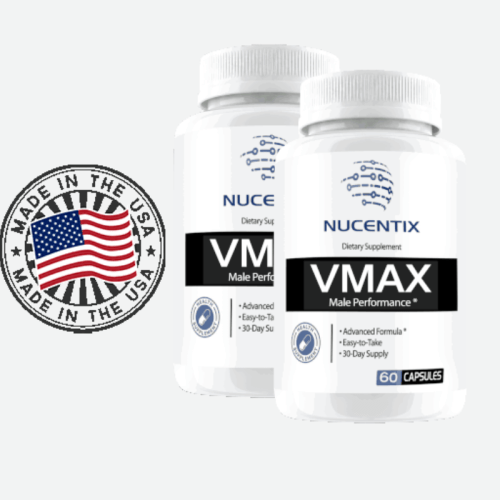
Nucentix VMAX Male Enhancement
$39.95 Buy From The Official Website -
Sale!
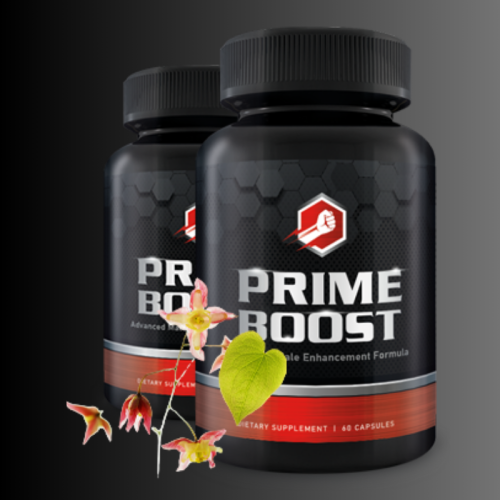
PrimeBoost
Original price was: $180.00.$69.00Current price is: $69.00. Buy From The Official Website -
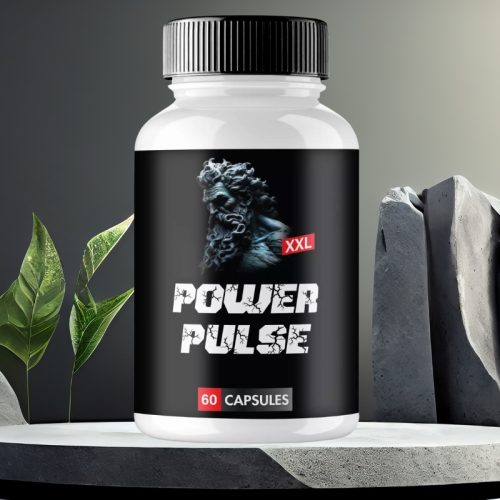
Power Pulse
$19.95 Buy From This Official Website