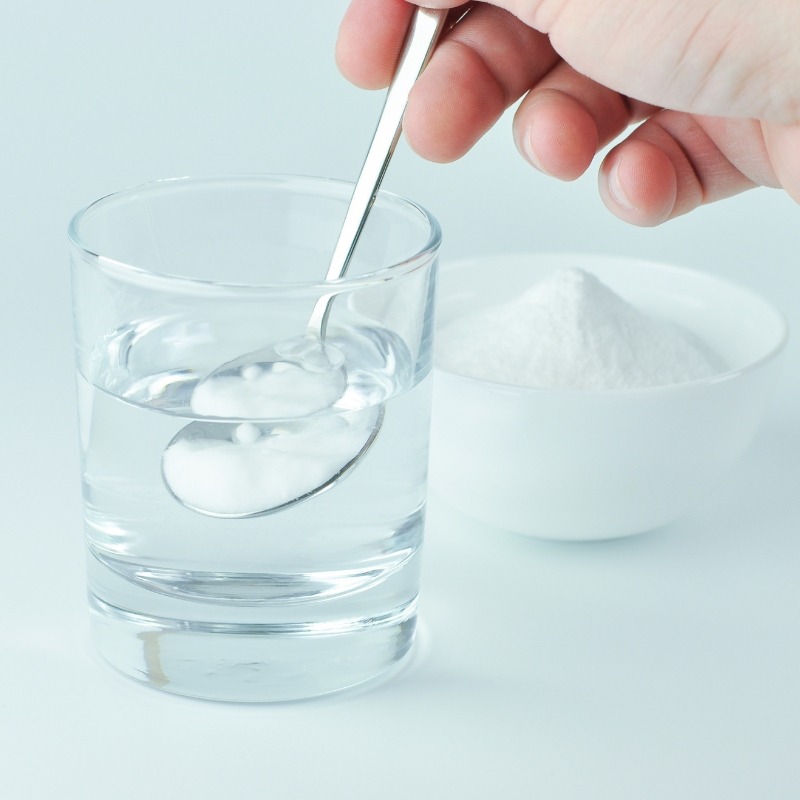
Baking Soda Water Shot: Scam Awareness & Consumer Protection Guide is a clear, easy-to-follow digital resource that helps you identify misleading weight-loss claims online. This guide breaks down how viral “miracle” trends, fake celebrity endorsements, and AI-generated videos are used to promote questionable products. You’ll learn how to spot red flags, evaluate health claims responsibly, and make more informed decisions before purchasing supplements or programs. Designed for everyday consumers, it simplifies complex marketing tactics into practical insights you can use immediately. Choose this guide to stay informed, avoid costly mistakes, and approach online health trends with greater confidence and clarity.
Description
In April 2026, a surge of online content began promoting a so-called “baking soda water shot” as a breakthrough weight loss solution. These claims were often packaged with dramatic narratives—rapid fat loss, hormone “reactivation,” and endorsements from high-profile figures such as Oprah Winfrey and Yale-trained obesity specialist Dr. Ania Jastreboff.
None of those endorsements are real.
The campaign represents a growing category of AI-powered health scams, where manipulated videos, synthetic voices, and fabricated interviews are used to promote unverified products such as Lean Peak, Burn Gummy, Jelly Burn, and similar rotating brand names.
This article breaks down:
- What the “baking soda water shot” actually is
- Why the claims surrounding it are scientifically unsupported
- How scammers use deepfake technology to mislead consumers
- The real role of hormones like GLP-1 in weight regulation
- What safe, evidence-based weight management actually looks like
What Is the “Baking Soda Water Shot”?
The “baking soda water shot” is typically described in scam marketing as:
- A simple mixture of water and sodium bicarbonate (baking soda)
- Consumed in the morning before eating
- Allegedly capable of triggering rapid weight loss
- Claimed to “activate” hormones like GLP-1 and GIP
These claims are not supported by credible clinical evidence.
Baking soda (sodium bicarbonate) is a common household compound with legitimate uses in:
- Cooking (leavening agent)
- Cleaning
- Medical settings (limited use under supervision, such as treating certain acid-base imbalances)
However, there is no credible medical consensus that ingesting baking soda causes weight loss, fat reduction, or hormone regulation in the way these marketing campaigns claim.
The Core Claim: “It Activates GLP-1 and GIP Naturally”
This is one of the most important claims to address because it attempts to mimic legitimate medical science.
What Are GLP-1 and GIP?
GLP-1 (glucagon-like peptide-1) and GIP (glucose-dependent insulinotropic polypeptide) are hormones involved in:
- Appetite regulation
- Insulin secretion
- Blood sugar control
These hormones are the targets of FDA-approved medications such as:
- Semaglutide (e.g., Ozempic®, Wegovy®)
- Tirzepatide (dual GLP-1/GIP receptor agonist)
Why the Claim Is Misleading
The “baking soda shot” narrative falsely implies:
- That these hormones can be “reactivated” instantly
- That a simple kitchen ingredient replicates pharmaceutical effects
- That the mechanism is comparable to prescription medications
There is no high-quality clinical evidence demonstrating that baking soda consumption:
- Meaningfully increases GLP-1 or GIP levels
- Produces sustained appetite suppression
- Leads to clinically significant weight loss
This is a classic example of science-washing, where real biological terms are used to give credibility to unsupported claims.
The Deepfake Layer: How Scammers Use AI to Manufacture Trust
One of the most concerning elements of this campaign is the use of deepfake AI technology.
What Are Deepfakes?
Deepfakes are AI-generated or manipulated media that:
- Alter lip movements
- Synthesize realistic voice patterns
- Insert individuals into fabricated scenarios
In the case of the baking soda scam, these techniques were used to create:
- Fake interview segments resembling reputable TV programs
- Simulated endorsements from public figures
- Fabricated expert explanations
Why This Is Effective
Scammers rely on:
- Familiar faces (Oprah Winfrey, medical professionals)
- Authority bias (Yale-trained specialist references)
- Emotional vulnerability (weight loss struggles)
This combination creates a high-conversion deception funnel, especially among:
- Individuals seeking health solutions
- Older audiences less familiar with AI manipulation
- Consumers already frustrated with traditional weight loss methods
False Endorsements: Setting the Record Straight
To be absolutely clear:
- Oprah Winfrey has not endorsed any baking soda weight loss method
- Dr. Ania Jastreboff has not promoted a baking soda protocol
- No credible medical authority has validated these claims
- No legitimate institution supports this approach
Additionally:
- Dr. Peter Attia, Dr. Mehmet Oz, and Dr. Phil McGraw have no verified involvement in such claims
- There is no legitimate clinical trial or peer-reviewed study supporting the narrative
Any content suggesting otherwise should be treated as misleading or fraudulent.
The Funnel Strategy Behind the Scam
The “recipe” is not the product—it is the hook.
Step-by-Step Funnel Breakdown
- Hook
“Simple morning ritual” or “secret recipe” - Authority Injection
Fake endorsements from celebrities or doctors - Scientific Framing
References to hormones, metabolism, and aging - Emotional Trigger
“It’s not your fault” messaging - Delayed Reveal
Long video builds anticipation - Product Pivot
Transition to supplements like Lean Peak - Urgency + Scarcity
Limited-time offers, fake discounts
This structure is designed to:
- Maximize watch time
- Build trust artificially
- Convert viewers into buyers
Why Baking Soda Is Not a Weight Loss Solution
1. No Proven Fat Loss Mechanism
There is no established biological pathway showing that sodium bicarbonate:
- Increases fat oxidation
- Reduces calorie absorption
- Alters metabolism in a weight-loss direction
2. Potential Health Risks
Excessive consumption of baking soda may lead to:
- Electrolyte imbalances
- High sodium intake
- Digestive discomfort
- Alkalosis (in extreme cases)
These risks reinforce why unsupervised use is not advisable.
3. Misinterpretation of “Alkalinity”
Some marketing claims rely on the idea that:
- “Alkalizing the body” leads to weight loss
This is misleading because:
- The body tightly regulates blood pH
- Diet has limited impact on systemic pH
- Weight loss is not driven by alkalinity shifts
The Psychology Behind Why People Fall for This
Understanding the appeal helps build better content and prevention.
Key Drivers:
- Hope for simple solutions
- Frustration with slow progress
- Fear of expensive medications
- Trust in familiar public figures
Scammers exploit these factors through:
- Emotional storytelling
- Authority mimicry
- Overpromising outcomes
The Role of Social Media Platforms
The spread of these scams highlights a systemic issue:
- Paid ads often act as entry points
- Content moderation struggles to keep pace
- Financial incentives allow scams to scale rapidly
While platforms state they combat fraud, enforcement is inconsistent.What to Do If You Encounter This Scam
Immediate Actions:
- Do not purchase the product
- Do not share personal or payment information
- Report the content as “fraud or scam”
If You Already Purchased:
- Contact your credit card provider immediately
- Request a chargeback
- Monitor for unauthorized charges
Evidence-Based Approaches to Weight Management
Instead of chasing viral “hacks,” credible strategies include:
1. Clinical Evaluation
Consulting a licensed healthcare provider for:
- Medical history
- Metabolic assessment
- Personalized guidance
2. Nutrition
Balanced, sustainable dietary patterns—not extreme shortcuts.
3. Physical Activity
Consistent movement tailored to individual capacity.
4. Medical Treatments
When appropriate, supervised use of:
- Prescription medications
- Evidence-based interventions
Why Scams Keep Evolving
Scammers continuously:
- Rotate product names
- Change branding
- Rebuild websites
This makes it difficult for:
- Search engines to keep up
- Consumers to track legitimacy
The baking soda narrative is just one variation in a broader pattern.
Final Takeaway
The “baking soda water shot” is not a medical breakthrough—it is a marketing construct built on:
- Misused science
- Fabricated endorsements
- AI-generated deception
There is no credible evidence supporting it as a weight loss solution.
Consumers should approach such claims with caution and prioritize information from verified medical sources.
Related products
-
Sale!

SynoFlex
Original price was: $79.00.$49.00Current price is: $49.00. Buy From The Official Website -
Sale!
Titan Blast XR
Original price was: $19.95.$16.96Current price is: $16.96. Buy From The Official Website -
GlycoBoost Blood Sugar
$28.95 Buy From The Official Website -
KetoBase Keto Gummies
$36.99 Buy From The Official Website