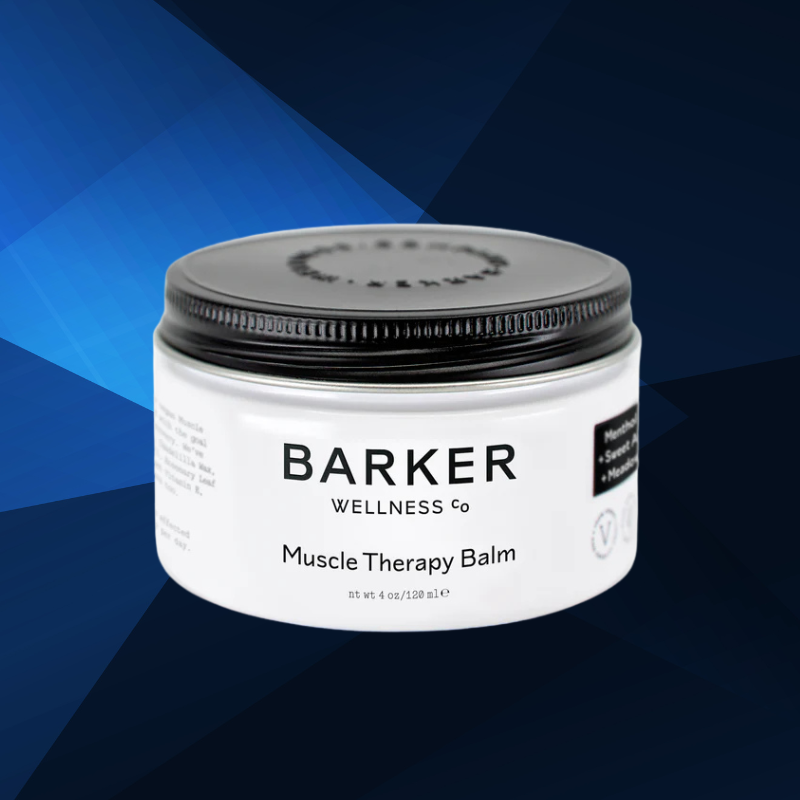
Original price was: $25.00.$15.00Current price is: $15.00.
Barker Wellness Muscle Therapy Balm is a fast-absorbing topical formula designed to help soothe tired, sore muscles and support everyday recovery. Crafted with a blend of natural, plant-based ingredients, it delivers targeted relief without greasy residue. Ideal for active individuals, desk workers, or anyone dealing with daily muscle tension, this balm is easy to apply and gentle on skin. Whether used before or after activity, it helps promote comfort and mobility when you need it most. Choose Barker Wellness for a clean, effective solution that supports muscle care and daily movement.
Description
Muscle tension is one of those modern-life issues that almost everyone recognizes, even if they describe it differently. For some people it shows up as post-workout tightness, for others it’s that end-of-day shoulder heaviness after hours at a desk, or sore legs after running errands, traveling, or standing for long periods. While movement, hydration, stretching, and proper recovery are core foundations, many people also look for topical options that can complement these habits—especially when they want targeted, localized comfort without adding another pill to their routine.
That’s where muscle therapy balms and natural topical rubs have become increasingly popular in the wellness space. The appeal is simple: you apply a balm directly where you feel tension, and you get a sensory experience—cooling, warming, soothing, or deeply moisturizing—that can help you feel more comfortable while you continue supporting your body with healthy habits. It’s important to keep expectations realistic: topical balms are not treatments for injuries or medical conditions, and they’re not designed to “fix” the root cause of chronic pain. But as part of a balanced approach—movement, recovery, posture support, and professional guidance when needed—topicals can be a helpful, low-effort addition.
Barker Wellness Muscle Therapy Balm is positioned as a skin-friendly, plant-oil-based topical balm that combines moisturizing oils, botanical extracts, and menthol for a refreshing, comfort-focused experience. What makes this category worth exploring—especially from an evidence-informed, ethical wellness perspective—is how the ingredients work at the skin level. Many of the ingredients in this formula are well-known in personal care science for supporting the skin barrier, reducing dryness, and creating a protective layer that improves how the skin feels. When a formula also includes menthol, it can add an immediate cooling sensation that many users associate with relief and relaxation.
In this research-style guide, we’ll break down what Barker Wellness Muscle Therapy Balm is, who it may be best suited for, what’s inside it, and how to use it responsibly. Throughout, we’ll stay grounded: this is a wellness product meant to complement healthy routines—not replace medical care—and anyone with persistent pain, swelling, or injury should consult a qualified healthcare professional for diagnosis and personalized treatment.
Product Overview
Formulation:
Barker Wellness Muscle Therapy Balm is a topical balm designed for external use on the skin. Its formulation is built around plant-derived oils, botanical extracts, and skin-conditioning ingredients, paired with menthol for a cooling, comfort-forward feel. As a balm, it’s typically thicker than a lotion, which can help it stay in place and provide longer-lasting moisturization.
Key Ingredients:
The formula highlights skin-supportive and conditioning ingredients such as candelilla wax (a vegan wax used for texture and barrier support), sweet almond oil, meadowfoam seed oil, vitamin E (tocopherol), rosemary leaf extract, and a broader oil-and-extract blend including olive oil, coconut oil, castor oil, sunflower extract, and rice bran extract, plus menthol.
Bottle Contents:
Each unit contains a ready-to-use balm intended for targeted application on areas where you want a cooling, moisturizing, soothing sensation. Exact volume may vary, so it’s best to verify size details on the official product listing.
Guarantee:
Barker Wellness commonly offers a satisfaction-focused guarantee structure for direct purchases. Always check the official website for the most current terms, time windows, and eligibility requirements.
Cost:
Pricing is structured with a one-time purchase option and a Subscribe & Save option that provides a discount for ongoing deliveries.
What is Barker Wellness Muscle Therapy Balm?
Barker Wellness Muscle Therapy Balm is a topical wellness product designed to be applied directly to the skin, especially in areas where you experience everyday muscle tightness, post-activity soreness, or general body tension. Unlike oral supplements that work systemically through digestion, a balm works locally—meaning the experience is concentrated at the application site. This makes topical products appealing for people who prefer a targeted approach, or who want a non-ingestible option as part of their self-care routine.
The defining characteristic of this balm is its blend of emollient oils and protective waxes paired with menthol. Emollients—like sweet almond oil, olive oil, coconut oil, meadowfoam seed oil, and castor oil—are widely used in skin care because they help soften the skin and support the skin barrier. A healthy skin barrier matters more than many people realize. When the skin is dry, irritated, or compromised, it often feels more sensitive. A balm that hydrates and reinforces the barrier can improve the skin’s comfort and resilience, which can be especially valuable in areas that get frequent friction (like shoulders under backpack straps) or areas prone to dryness (like elbows and knees).
Menthol adds another dimension: it creates a cooling sensation that can feel immediately refreshing. This sensory cooling effect doesn’t “treat” the underlying cause of pain, but it may help shift perception of discomfort temporarily—something many people find beneficial after activity or at the end of a physically demanding day. If you’ve ever used a classic cooling rub, you’re familiar with that fast, clean “reset” feeling. For many users, this sensory effect becomes part of a calming ritual: apply, breathe, stretch, relax.
From an evidence-based wellness standpoint, it’s important to frame Barker Wellness Muscle Therapy Balm correctly. It’s not a medical treatment for injuries, inflammation, or chronic pain conditions. If you have persistent pain, swelling, numbness, or symptoms that worsen, you should consult a qualified healthcare professional. But for everyday wellness support—comfort, skin conditioning, and a cooling experience that complements recovery habits—this balm may be a practical addition to your routine.
Who is Barker Wellness Muscle Therapy Balm specifically for?
Barker Wellness Muscle Therapy Balm is generally best suited for adults who want a convenient, natural-leaning topical product for everyday comfort and recovery rituals. It may be especially appealing to people who experience common, non-specific muscle tightness from daily activities—such as long hours at a desk, commuting, travel, workouts, or physically demanding jobs. In these situations, people often look for quick, localized comfort that pairs well with stretching, massage, or light movement.
This balm may also be a good fit for individuals who prioritize skin-friendly formulations. Because the ingredient list includes multiple plant oils and antioxidant-supportive components like vitamin E, it can function as both a comfort balm and a skin-conditioning product. People with dry skin in areas where they commonly apply topical rubs often appreciate formulas that moisturize rather than leaving skin feeling stripped or sticky. The presence of candelilla wax, for instance, is relevant here—waxes help create a protective layer that can reduce moisture loss and improve the balm’s staying power.
Another group that may appreciate this type of product includes people who prefer non-oral wellness tools. Not everyone wants to take more supplements, and some people are sensitive to certain ingestible ingredients. A topical balm avoids digestion entirely, making it a “local” option that can feel simpler and lower-commitment. That said, topical products still require thoughtful use—especially for individuals with sensitive skin, fragrance sensitivities, or a history of skin reactions.
This balm may also suit active individuals who enjoy the cooling sensation of menthol after exercise. The sensory experience can feel refreshing on tired legs, shoulders, or lower back muscles after activity. However, it’s important not to apply menthol products on broken skin, near the eyes, or under occlusive wraps unless directed by a professional, as that can increase irritation.
Finally, Barker Wellness Muscle Therapy Balm may be helpful for people who want a “ritual” product—something that anchors a nightly wind-down or post-workout routine. A balm, applied with slow massage and followed by gentle stretching, can reinforce relaxation habits. If someone has severe pain, nerve symptoms, swelling, or a suspected injury, though, a balm should not be used as a substitute for medical evaluation.
Does Barker Wellness Muscle Therapy Balm Work?
“Works” can mean different things depending on the product category. For a topical balm, the most realistic and evidence-aligned expectations are: (1) it can moisturize and condition the skin, (2) it can provide a sensory experience (such as cooling) that many people find soothing, and (3) it can complement recovery routines by encouraging gentle massage and consistent self-care. Barker Wellness Muscle Therapy Balm appears designed to deliver primarily on those outcomes.
From a formulation standpoint, the emollient oils and waxes support the skin barrier. Sweet almond oil, olive oil, coconut oil, meadowfoam seed oil, and castor oil are widely used in topical personal care because they help soften skin and reduce transepidermal water loss. When skin feels healthier—less dry, less tight, more supple—the overall comfort of an area can improve. While this is not the same as treating muscle tissue directly, it can still matter, especially for people who use topical rubs frequently and want their skin to feel good afterward.
Menthol is the ingredient most associated with that “I feel it right away” effect. Menthol activates cold-sensitive receptors in the skin, producing a cooling sensation. This can temporarily distract from discomfort and create a refreshed feeling after activity. Again, this is not a cure or a medical therapy for inflammation or injury—if someone has persistent pain, they should seek professional assessment—but as a comfort strategy, menthol-based topicals have long been used for short-term relief sensations.
Another factor is behavior: when a balm feels pleasant, people are more likely to massage an area gently for a minute or two. Massage and movement can help with relaxation and recovery, particularly after workouts or prolonged sitting. The balm’s texture and glide also influence whether people will actually use it consistently.
So, does it work? For the intended use—comfort-focused topical support, cooling sensation, and skin conditioning—the formulation suggests it can be effective for many users. If someone expects it to “fix” a medical problem, that expectation would be misplaced. Used responsibly, it can be a supportive tool within a larger wellness routine that includes stretching, hydration, appropriate rest, and professional guidance when needed.
Real Customer Reviews and Testimonials
User feedback for muscle therapy balms often centers around sensory experience and ease of use, and Barker Wellness Muscle Therapy Balm fits that pattern. Many customers report that they like the cooling feel and the way the balm absorbs without feeling overly greasy. Others appreciate that it doubles as a skin-conditioning product, leaving the applied area feeling softer and more moisturized than traditional “sports rub” formulas.
As with any wellness product, experiences vary. Some users may find the cooling sensation stronger or milder than expected, depending on sensitivity and application amount. Reviews are best interpreted as anecdotal insights rather than medical evidence, but overall, feedback often emphasizes comfort, routine support, and the balm’s pleasant texture.
What are the ingredients in Barker Wellness Muscle Therapy Balm?
Candelilla Wax
Candelilla wax is a plant-based wax often used as a vegan alternative to beeswax in skincare products. In a balm, it plays two important roles: structure and barrier support. Structurally, it helps create that thicker, protective balm texture that stays where you apply it, rather than running off like a lotion. From a skin-feel perspective, waxes can form a light protective film that helps reduce moisture loss, which supports softer, smoother skin. This matters because when skin is dry or irritated, it can feel tighter and more sensitive, making any topical product less comfortable to use. By helping lock in moisture, candelilla wax can improve the overall experience of applying a muscle balm regularly—especially in areas prone to friction or dryness. While candelilla wax isn’t a “muscle” ingredient, it is a key part of making the formula skin-friendly and long-wearing.
Sweet Almond Oil
Sweet almond oil is rich in fatty acids and contains vitamins commonly associated with skin nourishment, including vitamins A and E. In topical formulations, sweet almond oil is valued for its emollient properties—meaning it helps soften and smooth the skin. This can be particularly useful for people who apply balms frequently, since repeated use of menthol-style rubs can sometimes feel drying depending on the formula. Almond oil can help counterbalance that by supporting hydration and improving the feel of the skin barrier. Another reason it’s popular is its glide: it allows for easy massage, which is a practical advantage for a muscle balm because the act of massage itself can contribute to relaxation and comfort. If you have nut allergies, however, it’s wise to consult a healthcare professional and do a patch test, as sensitivities can vary by individual.
Meadowfoam Seed Oil
Meadowfoam seed oil is often highlighted in skincare science because of its stability and conditioning properties. It contains naturally occurring antioxidants like tocopherols and is prized for helping protect and soften the skin without feeling overly heavy. In a muscle balm, meadowfoam seed oil contributes to a smoother texture and may help the formula feel more “luxury” and less greasy. It also supports the skin barrier, which can be helpful for anyone applying topicals regularly to areas like shoulders, knees, or lower back. While antioxidant ingredients don’t “treat” muscle tissue, they can support skin comfort and resilience—important aspects of long-term topical use. For wellness-focused consumers, meadowfoam oil is also appealing because it’s often associated with gentle, skin-compatible formulations.
Vitamin E (Tocopherol)
Vitamin E is a well-known antioxidant used widely in topical products. Its primary role is supporting the skin’s barrier function and protecting the formula’s oils from oxidation. For the user, that typically translates into a more moisturizing, skin-strengthening experience over time, especially for dry or weather-exposed skin. In a muscle balm, vitamin E complements the plant oils by helping the skin feel softer and more comfortable after application. It’s also relevant for people who use topical rubs frequently and want to avoid that “tight” or “stripped” skin sensation. While vitamin E is not a pain treatment, it is an important supportive ingredient for skin health—an often-overlooked component of “muscle care” products because the skin is the delivery surface and should be protected as part of responsible use.
Rosemary Leaf Extract
Rosemary leaf extract is commonly used in skincare for its antioxidant properties and its role in supporting skin appearance. Some people also associate rosemary with a refreshing sensory profile in topicals. In formula design, rosemary extract can contribute to overall skin-conditioning and may help reduce the look of puffiness in cosmetic contexts. It’s important to keep claims realistic: while rosemary is an interesting botanical and widely used in personal care, it should not be framed as a medical treatment for swelling or inflammation. If you experience swelling, pain, or signs of injury, consult a healthcare professional. In a balm like this, rosemary extract is best understood as part of the broader botanical support blend that contributes to a clean, refreshing topical experience.
Full ingredient list (as provided):
Olea Europaea (Olive) Fruit Oil, Cocos Nucifera (Coconut) Oil, Menthol, Euphorbia Cerifera (Candelilla) Wax, Ricinus Communis (Castor) Seed Oil, Prunus Amygdalus Dulcis (Sweet Almond) Oil, Lauryl Laurate, Limnanthes Alba (Meadowfoam) Seed Oil, Carapa Guaianensis Seed Oil, Oryza Sativa (Rice) Bran Extract, Rosmarinus Officinalis (Rosemary) Leaf Extract, Helianthus Annuus (Sunflower) Extract, Tocopherol (Vitamin E)
Science
The most evidence-relevant way to discuss this balm is through what topical skincare science tells us about its ingredient categories: emollient oils, occlusive waxes, antioxidants, and sensory agents like menthol. Emollient plant oils (such as almond, olive, coconut, castor, and meadowfoam) are well established in dermatology and cosmetic science for supporting skin softness and barrier function. They help reduce dryness and improve the feel of the skin, which is important for anyone applying a topical product repeatedly. When the skin barrier is supported, the skin is often less reactive and more comfortable—an important practical factor when using menthol-based formulas.
Occlusive agents like candelilla wax form a light protective film that reduces moisture loss. This improves the balm’s staying power and helps keep the skin hydrated. Antioxidant ingredients such as tocopherol (vitamin E) and botanical extracts are frequently used to support the stability of oils in a formula and contribute to overall skin conditioning.
Menthol is widely used in topical comfort products because of its cooling sensation, which occurs through activation of cold-sensitive receptors in the skin. This sensory effect can temporarily reduce the perception of discomfort and create a soothing experience, especially after activity. It’s crucial to be clear: this does not mean menthol “heals” injury or treats medical inflammation. It’s a comfort-focused sensory tool.
Taken together, the science supports the balm as a topical comfort product that can moisturize skin, enhance massage routines, and provide a cooling sensation that many people find beneficial—particularly in the context of recovery habits and wellness routines.
Benefits
Barker Wellness Muscle Therapy Balm’s benefits are best framed in terms of comfort, skin support, and routine reinforcement—without implying medical treatment. First, the balm may help create a soothing, cooling sensation through menthol, which many users enjoy after workouts, long days on their feet, or extended desk work. This sensation can make an area feel refreshed and can be especially helpful as part of a wind-down routine. If you have sensitive skin, start with a small amount and patch test to avoid irritation.
Second, the formula’s oils and waxes may help moisturize and soften the skin. This is a meaningful benefit for people who use topical rubs often and want their skin to stay comfortable. Hydrated skin can feel less tight and more resilient, improving the overall experience of regular self-care.
Third, the balm’s texture supports massage. Gentle massage can be a helpful relaxation tool and can complement stretching and mobility work. While massage is not a treatment for injuries, it can encourage body awareness and help people stick to recovery routines.
Finally, the product may support consistent wellness habits through convenience. When a topical feels good and is easy to apply, people are more likely to use it regularly—especially after exercise or before bedtime. That consistency can reinforce healthier lifestyle patterns over time.
Pros and Cons
Pros
- Plant-oil and wax-based formulation supports skin hydration and comfort
- Menthol provides a fast, refreshing cooling sensation
- Balm texture stays in place and works well for massage
- Includes antioxidant-supportive ingredients like vitamin E and botanical extracts
- Vegan-friendly wax alternative (candelilla) for barrier support
- Suitable for localized, targeted application (no ingestion required)
Cons
- Menthol may be too strong for very sensitive skin (patch test recommended)
- Not intended to diagnose, treat, or cure pain conditions or injuries
- Ongoing cost may be higher than basic drugstore rubs
- Individuals with allergies (e.g., nut sensitivity to almond oil) should use caution
- Results are subjective and vary based on activity level and expectations
What is the price?
Barker Wellness Muscle Therapy Balm is offered in two purchasing formats. The one-time purchase option is priced at $25.00, which suits customers who want to try the balm without commitment. For those who plan to use it regularly, the Subscribe & Save option offers a 40% discount, bringing the price down to $15.00 with monthly delivery. Subscription models are often helpful for consistent users because they reduce the “run out and forget to reorder” problem that disrupts routines.
- Subscribe & Save (40% off): $15.00 (Monthly delivery)
- One-Time Purchase: $25.00
Pricing Disclaimer: Pricing, subscription terms, discounts, and availability can change at any time. Always check the official website for the most current details before purchasing.
Usage
Using a muscle therapy balm effectively is less about applying a large amount and more about applying it thoughtfully. Start with clean, dry skin. Scoop a small amount of Barker Wellness Muscle Therapy Balm and warm it slightly between your fingers. Then massage it into the targeted area using slow, circular motions. This helps distribute the balm evenly and turns application into a brief recovery ritual.
For post-workout use, many people apply it to areas that feel tight—like calves, quads, shoulders, or lower back—then follow with gentle stretching. For end-of-day use, applying it after a warm shower can feel especially comforting, since the skin is clean and the body is already transitioning into rest mode. Avoid applying it near eyes, mucous membranes, or broken skin, and wash hands after use to prevent accidental transfer.
If you’re new to menthol-based products or have sensitive skin, begin with a patch test on a small area and wait 24 hours to check for irritation. If redness, burning, or discomfort occurs, discontinue use and consult a healthcare professional. For persistent pain, swelling, or injury concerns, seek medical evaluation rather than relying on topical products alone.
More Actual User Reviews and Testimonials
Many additional users describe Barker Wellness Muscle Therapy Balm as a “go-to” comfort product after workouts or long workdays, often mentioning the cooling sensation and how well it massages into the skin. Some appreciate that it doesn’t feel overly sticky and that the formula leaves skin feeling moisturized rather than dry.
A subset of users notes that the balm works best as part of a routine—applied consistently after activity, paired with stretching, hydration, and rest. As always, individual experiences vary, and testimonials should be viewed as personal reports rather than medical evidence.
Are there side effects?
Topical balms are generally well tolerated, but side effects are still possible—especially for people with sensitive skin or allergies. The most common concerns with products like this are skin irritation, redness, burning sensations, or dryness, particularly due to menthol. Menthol creates a cooling effect, and while many people enjoy it, others may find it too intense, especially if applied heavily or on delicate skin.
Because this balm contains sweet almond oil, individuals with nut allergies should be cautious. While topical exposure is different from ingesting an allergen, sensitivities can still occur. The safest approach is to consult a healthcare professional if you have known allergies and to patch test before broader use.
Another consideration is where and how you apply it. Avoid broken skin, recent shaving irritation, or areas with rashes unless advised by a professional. Do not apply near the eyes or mucous membranes. Avoid covering the area with tight wraps or applying heat over the balm unless directed by a healthcare provider, as this can increase absorption and irritation risk.
If you experience persistent irritation, swelling, or worsening discomfort after use, discontinue and seek medical advice. Also, if you have ongoing pain, numbness, tingling, or signs of injury, a topical balm should not replace clinical evaluation.
Who makes it?
Barker Wellness is a wellness-focused brand that produces topical products designed to complement modern self-care routines. The brand’s positioning emphasizes ingredient transparency and the use of plant-based oils and extracts commonly found in skincare science. While specific manufacturing details can vary by product batch and supply chain, reputable topical brands typically follow standard cosmetic manufacturing practices, including quality control processes designed to ensure consistency and safety.
For consumers, what often matters most is clear labeling, straightforward ingredient lists, and access to customer support. When purchasing directly from the official source, customers can also reduce the risk of counterfeit products or improper storage conditions that sometimes occur on third-party marketplaces.
If you have specific concerns—such as allergen information, sourcing, or quality certifications—the best step is to consult the official product page or reach out to the brand’s customer service team. And if you have a medical condition, sensitive skin, or are under dermatologic care, it’s wise to consult a healthcare professional before adding any new topical product to your routine.
Does it really work? (Putting “topicals” in a whole-body wellness context)
For the best results, topical wellness products are most effective when they support—not replace—healthy lifestyle foundations. While this balm can provide a cooling sensation and improve skin comfort, long-term muscle comfort typically depends on a broader approach: movement quality, recovery, nutrition, hydration, sleep, and stress management.
Regular physical activity supports circulation and mobility, but too much intensity without recovery can increase tightness and discomfort. Stretching, mobility work, and strength training that addresses posture and imbalance often have more impact than any topical product alone. Hydration and electrolyte balance can also influence how muscles feel, especially for active individuals. Likewise, sleep is essential: recovery hormones and tissue repair processes are most active during deep rest.
Nutrition matters as well. Protein intake supports muscle repair, while overall dietary patterns influence inflammation and energy balance. This does not mean food “cures” discomfort, but it does mean that the body tends to feel and perform better when it’s adequately fueled.
So where does Barker Wellness Muscle Therapy Balm fit? It can be a useful tool for short-term comfort and routine reinforcement. Applying a balm encourages a moment of body awareness—where you slow down, massage an area, and follow up with stretching or rest. This is often where topicals deliver their biggest value: they become part of a consistent recovery ritual.
If pain is persistent, severe, or associated with injury symptoms, professional evaluation is essential. A topical balm can support comfort, but it should not delay medical care when it’s needed.
Is it a scam?
Barker Wellness Muscle Therapy Balm appears to be a legitimate consumer wellness product with a clearly disclosed ingredient list and standard pricing options. The claims associated with a topical balm—comfort, cooling sensation, moisturization—are generally reasonable when framed appropriately. The key is to avoid expecting medical outcomes. A balm should not be marketed or used as a treatment for medical conditions, and responsible brands typically keep claims within cosmetic and wellness boundaries.
As always, the best way to reduce risk is to purchase from the official website, review the ingredient list carefully, and patch test before regular use. If any seller makes extreme promises (such as guaranteed pain cures), treat those claims as red flags and prioritize evidence-based guidance.
Is it FDA approved?
Topical balms sold as cosmetic or wellness products are not typically “FDA approved” in the way prescription medications are. In the United States, the FDA regulates drugs and certain medical claims differently than cosmetics. Products like muscle balms are generally expected to be manufactured responsibly and labeled accurately, but they do not undergo FDA pre-approval as a prescription drug would.
This is why it’s important to interpret such products as supportive wellness tools rather than medical treatments. If you want the most accurate regulatory and labeling information, check the official product packaging and the manufacturer’s website. If you have a medical condition or are on medications, consult a healthcare professional before introducing new topical products into your routine.
Where to buy it?
Barker Wellness Muscle Therapy Balm is best purchased through the official website to ensure product authenticity and proper storage conditions. Buying direct can also provide access to subscription discounts, official customer support, and any satisfaction guarantee the brand offers. If you have sensitive skin or allergies, reviewing the official ingredient list before ordering is strongly recommended.
Is it really on Amazon, eBay and Walmart?
Is Barker Wellness Muscle Therapy Balm sold on Amazon?
This balm is not offered through Amazon or Amazon-affiliated sellers. Many brands choose direct-only distribution to maintain handling standards, reduce counterfeit risk, and ensure customers receive authentic products. For guaranteed authenticity and official support, purchase through the official website.
Can you buy Barker Wellness Muscle Therapy Balm on eBay?
You won’t typically find authorized listings for this balm on eBay. Third-party marketplaces can increase the chance of expired, altered, or improperly stored items. To protect product integrity and customer safety, the recommended purchasing route is the official website.
Is Barker Wellness Muscle Therapy Balm available at Walmart?
This balm is not usually sold on Walmart shelves or via Walmart’s online marketplace. Direct distribution helps preserve quality control and ensures customers receive the intended formulation. For the most reliable ordering experience, buy directly from the official product source.
Conclusion
Barker Wellness Muscle Therapy Balm is best understood as a comfort-focused topical designed to support modern recovery and self-care routines. Its formula combines plant oils, barrier-supportive wax, antioxidant ingredients, and menthol for a cooling sensation that many users find refreshing after activity or at the end of the day. Rather than promising medical results, its value lies in something more practical: making it easier to take consistent, small steps toward comfort and recovery.
For many people, the biggest challenge with muscle care isn’t knowing what to do—it’s sticking with it. Hydration, stretching, posture work, and rest all matter, but they require repetition. A balm like this can become a reliable cue for that repetition: you apply it, you massage the area, you stretch for two minutes, you breathe. Those small habits compound over time.
If you’re looking for a topical product that also supports skin comfort—rather than leaving dryness behind—this formula’s oil-and-wax base is a notable advantage. The subscription pricing can also make it more accessible for regular users, especially if you already know you like menthol-based cooling products.
As always, use it responsibly. Patch test first if you have sensitive skin, and consult a healthcare professional if you have persistent pain, swelling, or signs of injury. But if your goal is a simple, pleasant, wellness-aligned addition to your recovery routine, Barker Wellness Muscle Therapy Balm is a compelling option worth considering.
FAQs
- Is this balm meant to treat medical pain conditions?
No. It’s a topical wellness product designed for comfort and recovery routines, not medical treatment. - Does it create a warming or cooling sensation?
It’s primarily cooling due to menthol, though the overall feel can vary by user. - Can I use it daily?
Many people use topical balms daily, but follow label directions and discontinue if irritation occurs. - Is it safe for sensitive skin?
Sensitive skin users should patch test first, especially due to menthol. - Does it moisturize the skin?
Yes, it includes multiple emollient oils and waxes that support hydration and skin comfort. - Can I apply it after workouts?
Yes, many users apply it post-activity as part of a recovery routine. - Should I avoid certain areas when applying?
Yes—avoid eyes, mucous membranes, and broken or irritated skin. - Does it have a subscription option?
Yes. A Subscribe & Save option offers a discounted monthly delivery. - Is it available in stores like Walmart?
It’s typically sold through official channels rather than big-box retailers. - What should I do if I have persistent pain or swelling?
Consult a qualified healthcare professional for evaluation and guidance.
Related products
-
Sale!
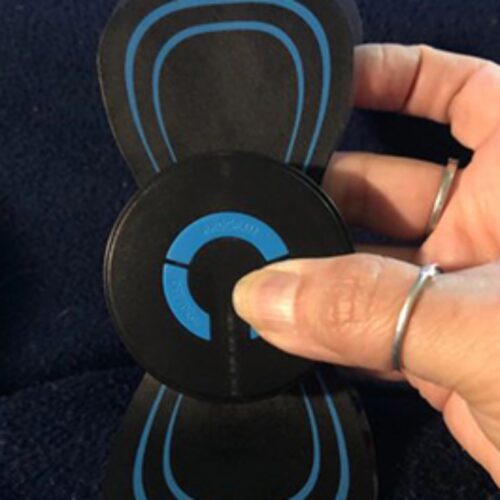
TheraPal Pro
Original price was: $99.95.$49.95Current price is: $49.95. Buy From The Official Website -
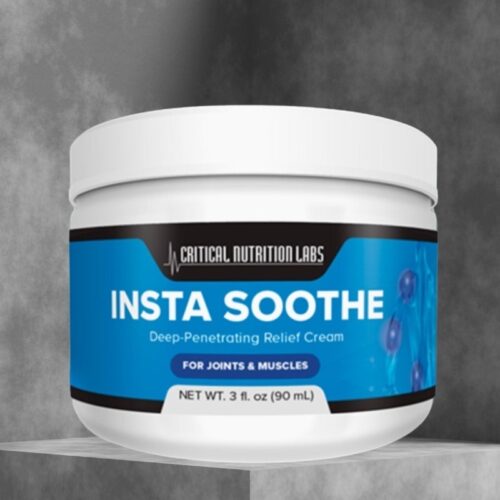
Insta-Soothe
$59.00 Buy From The Official Website -
Sale!
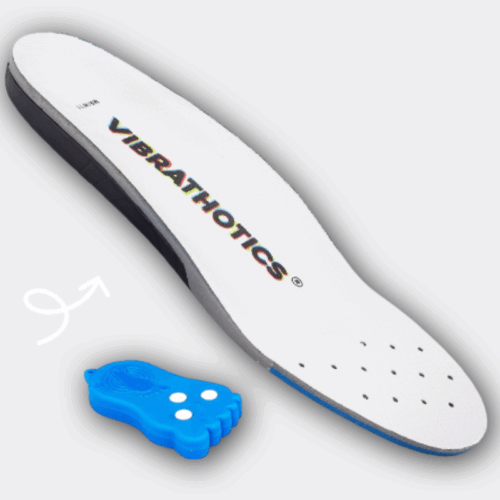
Vibrathotics
Original price was: $159.99.$79.99Current price is: $79.99. Buy From The Official Website -
Sale!
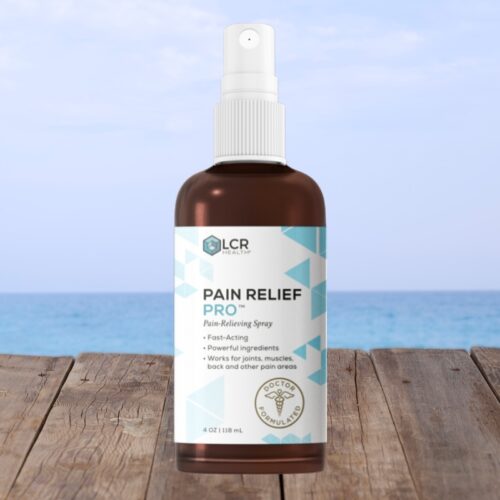
Pain Relief Pro
Original price was: $39.96.$19.98Current price is: $19.98. Buy From The Official Website