Description
The internet moves fast, especially when a wellness trend promises something simple, natural, and easy to make at home. Over the past year, one phrase has exploded across social media feeds, video platforms, and health blogs: the “Ben Carson Honey Recipe.” Closely connected to it is another increasingly popular phrase — the “Asian Honey Protocol Recipe.”
Supporters describe these honey-based mixtures as morning rituals designed to support focus, energy, memory, and long-term cognitive wellness. Viral advertisements often frame the recipe as an ancient wellness secret rediscovered through modern nutritional science. Others go further, claiming it can “reverse memory loss” or dramatically improve brain performance.
But separating marketing hype from ingredient reality matters.
There is currently no verified evidence that Dr. Ben Carson officially created, endorsed, or medically approved the viral honey recipe circulating online. Multiple fact-checking organizations have warned that many promotions use misleading advertisements or fabricated celebrity associations.
That does not mean the ingredients themselves are meaningless.
Raw honey, turmeric, cinnamon, ginger, lemon, and black pepper have all been studied individually for antioxidant activity, inflammation support, and nutritional value. The real conversation is not whether a “miracle cure” exists. It is whether simple daily wellness rituals built around nutrient-rich ingredients can play a supportive role in a balanced lifestyle.
That distinction matters tremendously.
This research article explores the origins of the Ben Carson Honey Recipe, the rise of the Asian Honey Protocol Recipe, the ingredients involved, what modern science says about honey and cognitive wellness, potential benefits, limitations, safety considerations, and realistic expectations for people interested in trying the mixture themselves.
What Is the Ben Carson Honey Recipe?
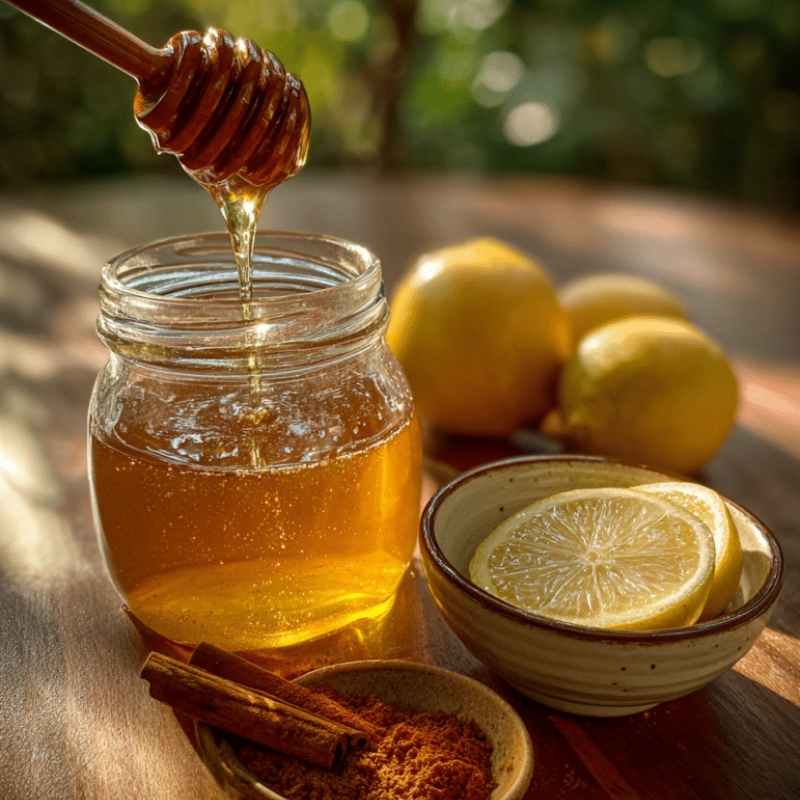
The Ben Carson Honey Recipe is typically described as a simple mixture centered around raw honey and combined with ingredients such as cinnamon, lemon juice, turmeric, ginger, apple cider vinegar, or black pepper.
Most versions involve taking one teaspoon daily, usually in the morning.
Online advertisements often market it as:
- A “7-second morning ritual”
- A brain wellness tonic
- A memory support blend
- A traditional honey-based protocol
- A natural wellness habit
The core ingredient is almost always raw honey.
The “Asian Honey Protocol Recipe” is generally considered a more expanded variation of the same concept, adding additional spices and botanical ingredients traditionally used in Eastern wellness practices.
Importantly, the recipe should not be viewed as a medical treatment.
There is no clinical evidence proving the mixture can cure Alzheimer’s disease, dementia, or neurological disorders. Responsible health discussions must remain grounded in evidence-based nutrition and realistic expectations.
Why Has the Recipe Become So Popular?
Several cultural trends explain why the recipe gained traction online.
Growing Interest in Natural Wellness
Many adults are increasingly interested in food-based wellness habits rather than complicated supplement regimens. Honey-based recipes feel approachable because the ingredients are familiar kitchen staples.
Rising Conversations About Cognitive Health
As conversations around memory, focus, aging, and brain wellness grow more mainstream, many people are searching for supportive lifestyle strategies that may complement healthy living habits.
Simplicity
Unlike highly restrictive diets or expensive wellness programs, the honey recipe requires only a few inexpensive ingredients and less than five minutes to prepare.
Viral Marketing
Social media algorithms heavily amplify emotional health claims. Videos promising “brain resets,” “memory tricks,” or “ancient Asian protocols” naturally attract attention, even when the claims become exaggerated.
This is precisely why evidence-based interpretation matters.
The Truth About the Dr. Ben Carson Connection
One of the most important aspects of this topic involves clarifying misinformation.
There is no verified public evidence showing that Dr. Ben Carson officially endorses the viral honey protocol recipe. Several fact-checking organizations have debunked claims connecting him to miracle memory cures or secret brain formulas.
Many advertisements appear to rely on:
- Deepfake-style promotional videos
- Fabricated quotes
- Misleading headlines
- Unverified endorsement claims
Consumers should always exercise caution when celebrity names are used to market health products or wellness protocols.
The ingredients themselves may have nutritional value, but exaggerated promises should never replace professional medical guidance.
What Is the Asian Honey Protocol Recipe?
The Asian Honey Protocol Recipe is a broader wellness blend inspired by traditional uses of honey and warming spices in Eastern wellness traditions.
The most common version includes:
- Raw honey
- Turmeric
- Cinnamon
- Lemon juice
- Black pepper
- Optional ginger
Some versions also incorporate:
- Apple cider vinegar
- Warm water
- Herbal additions
- Tualang honey
- Moringa powder
The “protocol” aspect refers to consistency rather than a single serving. Supporters typically describe it as a small daily ritual practiced over weeks or months.
Understanding Raw Honey
Raw honey is the foundation of nearly every variation of the recipe.
Unlike heavily processed commercial honey, raw honey is minimally filtered and retains more naturally occurring compounds, including:
- Flavonoids
- Phenolic acids
- Enzymes
- Trace minerals
- Amino acids
Research has examined honey’s antioxidant and anti-inflammatory potential for years. Some studies suggest honey contains bioactive compounds that may help reduce oxidative stress in the body.
Oxidative stress is commonly discussed in relation to aging and general cellular health.
However, nutritional support should not be confused with disease treatment.
Honey remains a sugar-containing food and should still be consumed in moderation.
Why Cinnamon Appears in the Recipe
Cinnamon is one of the most common secondary ingredients in the protocol.
Traditional wellness systems have used cinnamon for centuries in teas, tonics, and digestive preparations. Modern nutritional research has explored cinnamon’s antioxidant properties and potential relationship with metabolic health.
Many recipe versions specifically recommend Ceylon cinnamon rather than cassia cinnamon because Ceylon typically contains lower levels of coumarin.
Cinnamon contributes:
- Warm flavor
- Aromatic compounds
- Antioxidant activity
- Natural sweetness enhancement
Its inclusion also reduces the need for additional sweeteners.
Turmeric and Curcumin
Turmeric is one of the most discussed ingredients in modern wellness culture.
Its primary active compound, curcumin, has been extensively researched for antioxidant and inflammation-related properties.
This does not mean turmeric is a cure for disease.
What research does suggest is that curcumin interacts with several biological pathways associated with oxidative stress and inflammation.
The challenge with curcumin is absorption.
That is one reason black pepper is often added to the protocol.
Why Black Pepper Matters
Black pepper contains piperine, a compound frequently discussed in nutrition research because it may help enhance curcumin absorption.
The amount used in most honey protocols is very small — usually just a pinch.
Its purpose is not flavor alone but improving bioavailability.
Ginger’s Role in the Protocol
Ginger appears in many Asian Honey Protocol variations because it has a long history of culinary and traditional wellness use.
Supporters appreciate ginger for:
- Digestive comfort
- Warmth
- Flavor complexity
- Antioxidant compounds
Fresh ginger also balances the sweetness of honey with a slightly spicy finish.
Lemon Juice and Citrus Components
Fresh lemon juice contributes:
- Acidity
- Bright flavor
- Vitamin C
- Aroma
Many people find lemon helps offset the heaviness of raw honey while creating a more refreshing flavor profile.
The “Honey Trick for Memory Loss” Explained
One of the most searched phrases associated with the protocol is “honey trick for memory loss.”
This phrase can be misleading.
No honey-based recipe has been clinically proven to reverse dementia or cure memory-related disorders.
That said, nutrition researchers increasingly recognize that long-term dietary patterns may influence overall brain wellness.
A healthy lifestyle commonly associated with cognitive support includes:
- Balanced nutrition
- Sleep quality
- Physical activity
- Stress management
- Social engagement
- Mental stimulation
A small wellness ritual like the Asian Honey Protocol may fit into broader lifestyle habits, but it should never be portrayed as a substitute for medical treatment.
The Psychological Value of Daily Rituals
One overlooked aspect of wellness trends involves routine itself.
Many people report that structured morning habits help them feel:
- More consistent
- More mindful
- More energized
- More intentional
The calming act of preparing a small wellness tonic each morning may contribute psychologically to healthy habit formation.
This does not make the recipe miraculous.
But routine and consistency often matter more than dramatic “quick fixes.”
Asian Honey Protocol Recipe (Traditional Wellness Version)
Below is one of the most common balanced versions of the recipe.
Ingredients
- 1 cup raw honey
- 1 teaspoon turmeric powder
- 1 teaspoon Ceylon cinnamon
- 1 teaspoon fresh grated ginger
- 1 tablespoon fresh lemon juice
- Pinch of black pepper
Instructions
- Add all ingredients into a clean glass jar.
- Stir thoroughly until evenly combined.
- Seal tightly.
- Store in a cool area or refrigerator.
- Take one teaspoon daily.
Some people mix the blend into warm water or herbal tea.
Simpler 3-Ingredient Version
A minimalist version includes:
- Raw honey
- Cinnamon
- Lemon juice
This simplified approach appeals to people seeking fewer ingredients while maintaining the core flavor profile.
What Science Actually Says About Honey and Brain Wellness
Scientific discussions about honey and cognition remain ongoing.
Some research has explored honey’s antioxidant compounds and their relationship with oxidative stress pathways.
Researchers are particularly interested in:
- Polyphenols
- Flavonoids
- Neuroinflammation
- Cellular stress
However, nutritional science is complex.
No single food independently determines brain health outcomes.
The strongest evidence consistently supports overall lifestyle patterns rather than miracle ingredients.
Realistic Expectations Matter
Responsible wellness education requires realistic framing.
People trying the Asian Honey Protocol should not expect:
- Instant memory improvement
- Cognitive transformation
- Disease reversal
- Medical treatment replacement
More realistic expectations might include:
- A pleasant morning ritual
- Reduced processed sugar intake
- Increased mindfulness around nutrition
- Exposure to antioxidant-rich ingredients
- Improved consistency with healthy habits
Potential Benefits People Commonly Report
Supporters often describe:
Steadier Morning Energy
Honey provides natural carbohydrates that may feel gentler than heavily processed sugary breakfasts.
Improved Routine Consistency
Small daily rituals often encourage broader wellness discipline.
Reduced Reliance on Processed Foods
Replacing ultra-processed snacks with simple ingredient-based habits may support healthier dietary patterns overall.
Comforting Flavor Experience
Warm honey-spice blends can feel soothing and enjoyable.
Who Should Use Caution?
Even natural ingredients require moderation.
People should consult healthcare professionals before trying the recipe if they:
- Have diabetes
- Monitor blood sugar closely
- Have honey allergies
- Take blood-thinning medications
- Are pregnant
- Have digestive sensitivities
- Have turmeric-related contraindications
Children under one year old should never consume honey due to botulism risk.
Tualang Honey and Specialty Honeys
Some advanced versions of the protocol recommend Tualang honey, a Malaysian rainforest honey discussed in certain antioxidant studies.
Supporters claim Tualang honey contains higher antioxidant activity compared to some conventional varieties.
However, accessibility and cost may vary significantly.
Most people can simply focus on obtaining high-quality raw honey from reputable sources.
The Difference Between Wellness Support and Medical Claims
This distinction is critical.
A food or recipe may support general wellness without treating disease.
Compliant wellness discussions should avoid claims such as:
- “Cures dementia”
- “Reverses Alzheimer’s”
- “Repairs brain damage”
- “Eliminates memory loss”
Those statements are not supported by current evidence.
Instead, responsible framing focuses on:
- Nutritional support
- Healthy lifestyle integration
- Antioxidant content
- Traditional dietary practices
- General wellness routines
Why Wellness Trends Often Become Exaggerated
Health content spreads quickly online because people are searching for hope, simplicity, and control over aging-related concerns.
Unfortunately, this creates an environment where exaggerated marketing flourishes.
Common red flags include:
- “One weird trick”
- “Doctors hate this”
- “Secret formula”
- “Instant results”
- “Cure discovered”
- “7-second miracle”
Consumers should approach any wellness trend critically and seek balanced information.
Can the Recipe Replace Supplements?
Not necessarily.
The recipe functions more like a nutritional ritual than a targeted supplement program.
Some people prefer food-first approaches because they feel more sustainable and less overwhelming.
Others may combine wellness recipes with broader nutrition strategies recommended by healthcare professionals.
Is the Asian Honey Protocol Expensive?
One reason the trend became popular is affordability.
Most ingredients are inexpensive pantry staples.
Compared with many heavily marketed wellness products, the protocol can often be prepared for relatively little cost per serving.
The Role of Sleep, Exercise, and Nutrition
No recipe operates in isolation.
Brain wellness discussions consistently emphasize broader lifestyle factors such as:
- Sleep quality
- Physical activity
- Blood sugar balance
- Stress reduction
- Whole-food nutrition
- Hydration
- Social connection
A teaspoon of honey cannot compensate for chronic sleep deprivation or poor long-term nutrition.
Building a Sustainable Wellness Routine
People often abandon wellness habits because they are too complicated.
Simple habits tend to last longer.
That is one reason the honey protocol resonates with many individuals. It requires:
- Minimal preparation
- Familiar ingredients
- Very little time
- No specialized equipment
Consistency frequently matters more than intensity in long-term wellness routines.
Frequently Asked Questions
Is the Ben Carson Honey Recipe officially endorsed by Dr. Ben Carson?
No verified public evidence confirms that Dr. Ben Carson officially created or endorsed the viral honey recipe.
Can honey improve memory?
Honey contains antioxidant compounds, but no honey recipe has been clinically proven to cure memory disorders or reverse dementia.
What is the Asian Honey Protocol Recipe?
It is a honey-based wellness blend commonly made with raw honey, turmeric, cinnamon, ginger, lemon, and black pepper.
How often do people use the protocol?
Most versions suggest one teaspoon daily.
Is raw honey better than processed honey?
Many supporters prefer raw honey because it retains more naturally occurring compounds compared to highly processed varieties.
Can I add the mixture to tea?
Yes. Many people stir the blend into warm water or herbal tea.
Final Thoughts on the Ben Carson Honey Recipe and Asian Honey Protocol
The Ben Carson Honey Recipe and Asian Honey Protocol Recipe represent something larger than a viral wellness trend.
They reflect growing public interest in simple, food-based wellness habits rooted in familiar ingredients and daily consistency.
At the same time, responsible discussion requires separating evidence from exaggeration.
There is no verified miracle cure hidden inside a spoonful of honey. There is no proven “7-second fix” for cognitive decline. And no responsible wellness article should promise otherwise.
What the protocol may offer is something more realistic:
- A structured wellness habit
- Exposure to antioxidant-rich ingredients
- Reduced reliance on processed foods
- A mindful morning ritual
- A sustainable addition to broader healthy living practices
The real value likely comes not from a single ingredient but from the larger lifestyle mindset surrounding consistency, moderation, and intentional wellness habits.
As with any dietary change, individuals with medical conditions or ongoing health concerns should consult qualified healthcare professionals before beginning new routines or significantly altering nutritional practices.
In the end, the Asian Honey Protocol Recipe works best when viewed not as a miracle solution, but as one small piece of a balanced and evidence-informed approach to overall wellness.