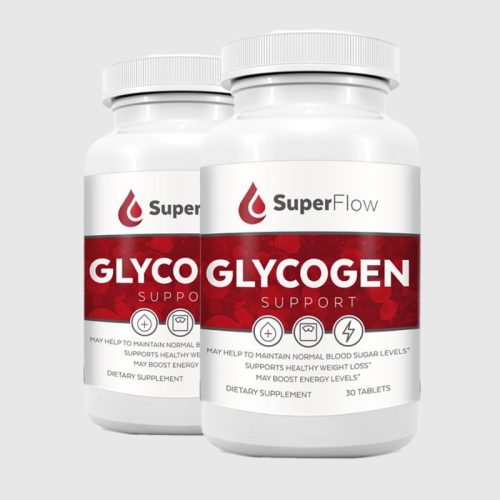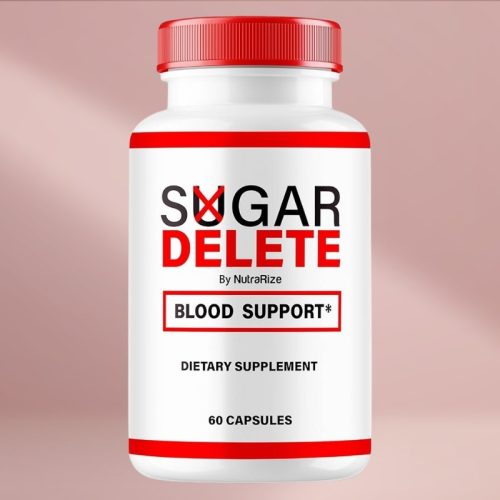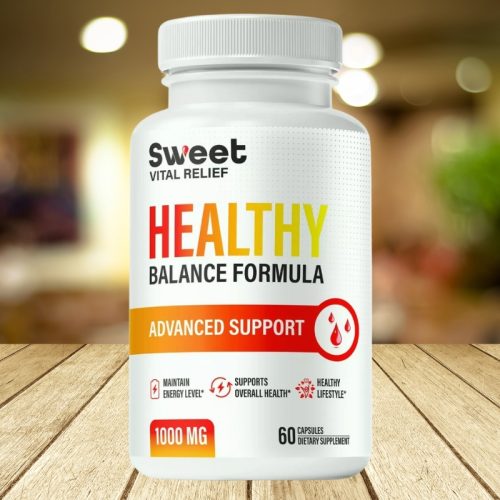
Discover the truth behind the viral Biblical Drink’ Recipe for Diabetes and Vision with this in-depth research guide. Designed for readers seeking reliable health information, this resource explores the origins of the popular online claims, examines the science behind blood sugar and vision health, and separates evidence-based facts from marketing hype. Learn about commonly discussed ingredients, diabetes management strategies, and the importance of informed healthcare decisions. Whether you’re researching natural wellness approaches or looking to better understand viral health trends, this comprehensive report provides valuable insights in an easy-to-read format backed by a professional, educational perspective.
Description
In recent years, social media platforms have become fertile ground for health trends, miracle cures, and viral wellness stories. Among the latest examples is the widely circulated claim that a so-called “Biblical Drink” can reverse diabetes, restore vision, and eliminate the need for conventional medical treatments. Videos promoting this concept have attracted millions of views, often featuring dramatic testimonials, emotional stories, and references to ancient biblical wisdom.
For individuals living with type 2 diabetes, prediabetes, diabetic eye disease, or age-related vision concerns, these claims can sound incredibly appealing. Managing blood sugar levels requires ongoing effort, lifestyle modifications, medication adherence, and regular medical monitoring. The promise of a simple drink that could supposedly solve these challenges naturally is understandably attractive.
However, healthcare professionals encourage patients to approach such claims with caution.
Many viral health trends rely on emotional storytelling rather than scientific evidence. In the case of the “Biblical Drink” phenomenon, investigators and independent reviewers have pointed out that many advertisements use misleading marketing tactics, fabricated endorsements, and unsupported medical claims to promote supplement products. According to the transcript provided, the advertisements frequently reference a mysterious drink supposedly mentioned in the Bible while ultimately directing viewers toward purchasing commercial supplements.
Understanding the difference between marketing narratives and evidence-based medicine is essential for protecting both your health and your finances.
What the Viral Videos Actually Claim
The advertisements promoting the “Biblical Drink” often follow a familiar pattern.
They typically begin by introducing a seemingly revolutionary discovery that mainstream medicine allegedly does not want the public to know about. The videos frequently claim that diabetes can be reversed naturally through a special drink derived from biblical ingredients. Some even suggest that vision problems caused by diabetes can be corrected through the same approach.
In many cases, viewers are told that:
- A secret biblical recipe has been hidden for centuries.
- Doctors are ignoring the real cause of diabetes.
- Modern medications only treat symptoms.
- A natural drink can eliminate the underlying problem.
- Thousands of people have supposedly experienced life-changing results.
- Well-known celebrities or medical experts support the discovery.
These narratives are designed to generate curiosity and maintain viewer attention for extended periods. Rather than immediately revealing the supposed recipe, many videos build suspense before ultimately recommending a specific supplement or product for purchase.
The transcript accompanying this article highlights that the advertisements often use fabricated stories, AI-generated spokespersons, and false claims about media coverage. The reviewer specifically notes that there is no verified “60 Minutes” investigation supporting the claims and that numerous celebrity endorsements appear to be artificially generated.
From a healthcare perspective, such tactics should immediately raise concerns.
Legitimate medical breakthroughs are typically reported through peer-reviewed scientific journals, academic conferences, professional medical organizations, and regulatory agencies—not through anonymous sales videos promising miracle results.
Understanding Why Diabetes and Vision Health Are Connected
One reason these advertisements resonate with audiences is that diabetes and vision health are genuinely connected.
Chronically elevated blood glucose levels can affect blood vessels throughout the body, including the delicate vessels that supply the retina. Over time, poorly controlled diabetes may contribute to several eye-related complications.
These may include:
Diabetic Retinopathy
Diabetic retinopathy occurs when elevated blood sugar damages the tiny blood vessels in the retina. Early stages may not cause noticeable symptoms, making regular eye examinations particularly important.
As the condition progresses, individuals may experience:
- Blurred vision
- Floaters
- Dark spots
- Difficulty seeing at night
- Partial vision loss
Diabetic Macular Edema
The macula is responsible for sharp central vision. Fluid accumulation in this area can affect reading, driving, and recognizing faces.
Cataracts
People with diabetes may develop cataracts earlier than those without diabetes. Cataracts cloud the eye’s natural lens and can interfere with visual clarity.
Glaucoma
Some individuals with diabetes may face an increased risk of developing glaucoma, a condition involving damage to the optic nerve.
Because vision changes can be linked to blood sugar control, it is easy to see why advertisements promising improvements in both diabetes and eyesight may seem believable.
However, recognizing a genuine biological connection does not automatically validate a specific treatment claim.
Can Any Drink Reverse Diabetes?
This is perhaps the most important question surrounding the viral “Biblical Drink” phenomenon.
Current medical evidence does not support the existence of a single drink capable of universally reversing type 2 diabetes.
Type 2 diabetes is a complex metabolic condition influenced by multiple factors, including:
- Genetics
- Body weight
- Physical activity
- Dietary patterns
- Sleep quality
- Stress levels
- Insulin sensitivity
- Pancreatic function
Research has shown that some individuals can achieve remission through comprehensive lifestyle interventions, substantial weight loss, medical supervision, and structured treatment programs. However, remission is not typically achieved through a single beverage or isolated ingredient.
Healthcare providers generally emphasize a combination of:
- Balanced nutrition
- Regular physical activity
- Weight management
- Medication when appropriate
- Routine monitoring
- Preventive healthcare
When evaluating online claims, it is important to remember that if a simple drink truly reversed diabetes consistently across large populations, the evidence would likely be published in major medical journals and widely adopted by diabetes specialists worldwide.
Why “Natural” Does Not Automatically Mean Safe or Effective
Many viral health promotions rely heavily on the word “natural.”
While many foods, herbs, spices, and plant compounds can be valuable components of a healthy diet, natural substances are not automatically effective treatments for serious medical conditions.
History provides countless examples of natural compounds that are beneficial, ineffective, or even harmful depending on dosage, preparation, and individual circumstances.
Healthcare professionals evaluate treatments based on:
- Clinical trial data
- Safety profiles
- Consistency of results
- Long-term outcomes
- Quality control standards
Without these safeguards, consumers may unknowingly spend money on products that provide little benefit or potentially interfere with prescribed medications.
This concern becomes especially important for individuals managing diabetes, since fluctuations in blood sugar can have significant health consequences.
The Appeal of Ancient and Biblical Health Claims
Another reason the “Biblical Drink” narrative has gained traction is its connection to biblical themes.
For many people, biblical references evoke feelings of trust, tradition, and spiritual significance. Throughout history, foods mentioned in biblical texts have attracted interest from researchers, nutritionists, and wellness advocates.
Examples include:
- Olive oil
- Figs
- Dates
- Grapes
- Lentils
- Honey
- Pomegranates
Many of these foods contain valuable nutrients and can contribute to balanced dietary patterns. However, the presence of a food in biblical literature does not automatically transform it into a proven medical treatment.
Scientific evaluation still requires rigorous investigation, regardless of a food’s historical or cultural significance.
Responsible healthcare guidance acknowledges both historical context and modern scientific evidence.
How Medical Professionals Evaluate Extraordinary Claims
When healthcare experts encounter claims such as:
- “Reverses diabetes in weeks”
- “Restores vision naturally”
- “Works for everyone”
- “Doctors don’t want you to know”
- “One simple ingredient changes everything”
they typically ask several important questions.
First, has the claim been studied in randomized controlled trials?
Second, have independent researchers replicated the results?
Third, has the evidence been reviewed by experts in endocrinology, ophthalmology, and nutrition?
Fourth, are the findings published in respected scientific journals?
Finally, do regulatory agencies recognize the evidence?
If these questions cannot be answered satisfactorily, caution is warranted.
Extraordinary health claims require extraordinary evidence.
Unfortunately, many viral wellness promotions provide extensive marketing narratives but little verifiable scientific support.
For patients and families seeking trustworthy health information, evidence-based medicine remains the most reliable foundation for making informed healthcare decisions.
AI Deepfakes, Celebrity Endorsements, and Health Misinformation
One of the most concerning aspects of modern health misinformation is the increasing use of artificial intelligence technology to create convincing—but entirely fabricated—endorsements.
According to the transcript accompanying this article, the viral “Biblical Drink” advertisements frequently feature what appear to be well-known celebrities, television personalities, and medical experts discussing the alleged benefits of the drink. However, these appearances are reportedly generated using AI voice cloning, manipulated video footage, and deepfake technology.
For consumers, distinguishing between authentic and fabricated content can be difficult.
A deepfake is a digitally altered image, video, or audio recording designed to imitate a real person’s appearance, voice, or mannerisms. Advances in artificial intelligence have made these technologies increasingly sophisticated, allowing scammers to create content that appears remarkably convincing.
Healthcare consumers should be particularly cautious when advertisements rely heavily on:
Celebrity Testimonials
A celebrity endorsement does not automatically validate a health product.
Even when endorsements are genuine, celebrities are rarely experts in endocrinology, ophthalmology, nutrition science, or diabetes management.
Emotional Transformation Stories
Stories describing dramatic recoveries can be compelling, but individual anecdotes do not replace scientific evidence.
A treatment must demonstrate effectiveness across large populations under controlled conditions before healthcare professionals can confidently recommend it.
Claims of Hidden Medical Secrets
Statements suggesting that doctors, researchers, pharmaceutical companies, or government agencies are hiding a cure should be approached critically.
Medical professionals generally welcome effective new treatments because improved patient outcomes are the primary goal of healthcare.
Urgency-Based Marketing
Advertisements that emphasize scarcity, limited-time offers, or immediate action are often focused on generating sales rather than educating consumers.
When evaluating any health claim, the credibility of the evidence matters far more than the emotional appeal of the presentation.
Common Ingredients Often Associated With Diabetes Supplement Marketing
Although the specific ingredients mentioned in viral advertisements vary, many diabetes-focused supplements repeatedly feature similar components.
Some ingredients have been studied for their potential effects on blood sugar regulation, while others have limited evidence supporting their use.
Understanding what research actually says can help consumers make informed decisions.
Cinnamon
Cinnamon is among the most frequently promoted ingredients in blood sugar support supplements.
Research has explored whether cinnamon may influence insulin sensitivity and glucose metabolism. Some studies suggest modest effects in certain populations, while others report little or no clinically significant benefit.
Current evidence does not support cinnamon as a replacement for prescribed diabetes treatments.
However, incorporating cinnamon into a balanced diet may be reasonable for many individuals when used as a culinary spice.
Apple Cider Vinegar
Apple cider vinegar has gained popularity due to claims that it can reduce blood sugar spikes following meals.
Some small studies suggest vinegar may modestly affect post-meal glucose responses. However, the effects are generally limited and should not be viewed as a cure or standalone treatment.
Excessive consumption may also cause digestive discomfort, tooth enamel erosion, or interactions with certain medications.
Berberine
Berberine is a plant-derived compound that has attracted scientific interest for its potential metabolic effects.
Several studies have explored its role in glucose metabolism, insulin sensitivity, and lipid management. While findings are promising, researchers continue to investigate optimal dosing, safety considerations, and long-term outcomes.
Patients considering berberine should consult their healthcare provider, particularly if they are taking medications for diabetes, blood pressure, or cardiovascular conditions.
Bitter Melon
Bitter melon has been used traditionally in various cultures and has been studied for its potential influence on glucose metabolism.
Research findings remain mixed, and evidence is not currently strong enough to support replacing conventional diabetes management strategies with bitter melon supplements.
Fenugreek
Fenugreek seeds contain soluble fiber and bioactive compounds that have been investigated for possible metabolic benefits.
While some studies suggest modest improvements in blood sugar markers, further research is needed before definitive conclusions can be drawn.
Chromium
Chromium is an essential trace mineral involved in carbohydrate metabolism.
Research evaluating chromium supplementation has produced inconsistent results. Some individuals may benefit under specific circumstances, while others experience little measurable effect.
What Science Says About Blood Sugar Management
Rather than focusing on miracle ingredients, healthcare professionals emphasize comprehensive strategies that address the underlying factors contributing to metabolic health.
Scientific evidence consistently supports several key interventions.
Balanced Nutrition
A dietary pattern rich in vegetables, fruits, legumes, whole grains, lean proteins, and healthy fats provides essential nutrients while supporting overall health.
Rather than eliminating entire food groups, many healthcare providers encourage sustainable eating patterns that can be maintained long term.
Weight Management
For individuals carrying excess weight, modest reductions in body weight may positively influence blood sugar regulation.
Research demonstrates that even relatively small improvements in weight can produce meaningful metabolic benefits for some patients.
Regular Physical Activity
Physical activity improves insulin sensitivity and helps muscles utilize glucose more effectively.
Activities may include:
- Walking
- Cycling
- Swimming
- Strength training
- Yoga
- Recreational sports
The best exercise program is often the one an individual can consistently maintain.
Adequate Sleep
Poor sleep quality can negatively affect blood sugar regulation, appetite hormones, and metabolic health.
Many experts recommend prioritizing both sleep duration and sleep quality as part of a comprehensive wellness strategy.
Stress Management
Chronic stress influences hormonal pathways that can affect glucose metabolism.
Mindfulness practices, social support, counseling, and relaxation techniques may contribute to overall health and well-being.
Supporting Vision Health Through Evidence-Based Care
Vision health deserves special attention among individuals living with diabetes.
Early detection and preventive care remain among the most effective strategies for protecting eyesight.
Routine Eye Examinations
Regular comprehensive eye examinations allow healthcare professionals to identify changes before symptoms become severe.
Many diabetic eye conditions progress gradually and may initially develop without noticeable warning signs.
Blood Sugar Control
Maintaining blood glucose levels within individualized target ranges can help reduce the risk of diabetes-related complications.
Consistent management over time is often more important than short-term fluctuations.
Blood Pressure Management
High blood pressure can compound damage to blood vessels throughout the body, including those within the eyes.
Healthcare providers frequently emphasize blood pressure control as part of comprehensive diabetes management.
Cholesterol Management
Healthy lipid levels support cardiovascular health and may contribute to overall vascular function.
Smoking Cessation
Smoking affects blood vessels throughout the body and may increase the risk of numerous health complications.
Quitting smoking is among the most impactful steps individuals can take to improve long-term health outcomes.
Frequently Asked Questions
Is there a real Biblical drink that cures diabetes?
There is currently no scientifically validated biblical drink proven to cure or reverse diabetes.
Claims suggesting otherwise should be evaluated carefully and discussed with qualified healthcare professionals.
Can a drink improve diabetic vision problems?
No single beverage has been proven to reverse diabetic eye disease.
Vision health is influenced by multiple factors, including blood sugar management, blood pressure control, medical care, and regular eye examinations.
Are biblical foods healthy?
Many foods mentioned in biblical texts can be part of a nutritious eating pattern. Examples include olives, grapes, lentils, figs, dates, and pomegranates.
However, their historical significance does not automatically establish them as medical treatments.
Should I stop taking my diabetes medication if I find a natural alternative?
Patients should never discontinue prescribed medications without consulting their healthcare provider.
Abruptly stopping treatment may result in serious health consequences.
How can I identify a health scam?
Warning signs may include:
- Claims of guaranteed results
- Celebrity endorsements that seem unusual
- Conspiracy-based marketing
- Lack of scientific references
- Pressure to purchase immediately
- Promises of rapid cures
- Claims that conventional medicine is hiding a secret solution
Final Thoughts
The viral “Biblical Drink” phenomenon highlights an important challenge facing modern healthcare consumers: distinguishing evidence-based information from persuasive marketing.
While the idea of a simple drink capable of reversing diabetes and restoring vision is understandably appealing, current scientific evidence does not support such claims. The transcript reviewed for this article specifically describes the advertisements as misleading promotions that rely on fabricated endorsements, AI-generated content, and unsupported health promises.
For individuals concerned about diabetes, blood sugar management, or vision health, the most reliable path remains evidence-based medical care, personalized guidance from qualified healthcare professionals, and sustainable lifestyle strategies supported by scientific research.
At Meridian Medical Centre, we encourage patients to approach extraordinary health claims with healthy skepticism, seek information from trusted medical sources, and consult healthcare professionals before making decisions about supplements, medications, or treatment plans.
Your health deserves evidence—not hype.