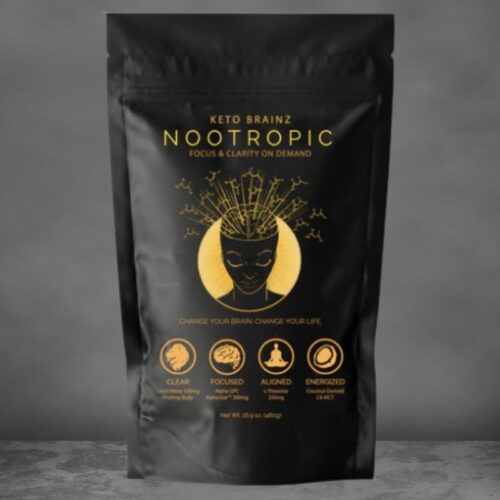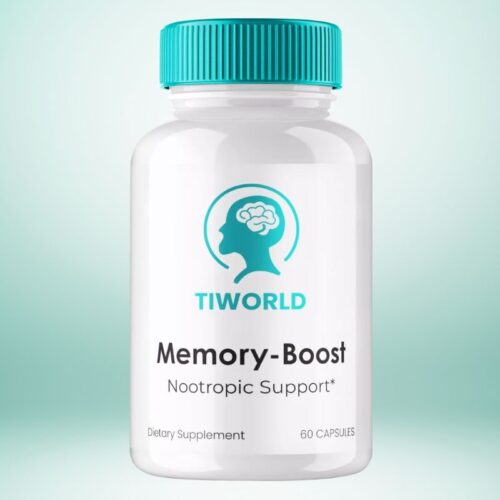
Brain Tonic for Memory Support is designed to nourish cognitive function and support mental sharpness as part of everyday wellness. Ideal for adults who want to stay mentally engaged, it focuses on supporting focus, recall, and overall brain performance. This formula is well-suited for professionals, students, and anyone seeking proactive cognitive care. Easy to incorporate into daily routines, it emphasizes steady, long-term brain support rather than quick fixes. Brain Tonic for Memory Support is a practical choice for maintaining mental clarity, confidence, and cognitive wellness at any stage of life.
Description
Memory is one of the most complex and essential functions of the human brain. It shapes identity, supports learning, guides decision-making, and enables everyday independence. When memory feels unreliable—whether through forgetfulness, difficulty concentrating, or mental “fog”—it can create anxiety and erode confidence. As a result, growing attention has turned toward interventions described as “brain tonics for memory support.”
The phrase itself suggests nourishment rather than stimulation: an approach aimed at supporting the brain’s natural memory processes instead of forcing performance. From a scientific perspective, this framing aligns with modern neuroscience, which views memory as a dynamic, adaptive system influenced by biology, behavior, and environment.
This article explores the concept of brain tonics for memory support through a neutral, research-driven lens. Rather than promoting specific products or promising enhancement, it examines how memory works, why it changes over time, and which evidence-based factors contribute to cognitive resilience and recall.
How Memory Works in the Brain
Memory is not a single process or location in the brain. It is a set of interrelated functions involving multiple regions and networks. Broadly, memory can be divided into several types:
- Working memory, which holds information temporarily for immediate use
- Short-term memory, which retains information briefly after exposure
- Long-term memory, which stores information over extended periods
- Declarative memory, involving facts and events
- Procedural memory, involving skills and habits
Key brain structures involved in memory include the hippocampus, prefrontal cortex, and various cortical and subcortical networks. Memory formation relies on synaptic plasticity—the brain’s ability to strengthen or weaken connections between neurons.
From a research standpoint, memory support is less about increasing capacity and more about preserving and optimizing these adaptive processes.
Memory Across the Lifespan
Memory performance naturally changes across the lifespan. Certain aspects of memory, such as processing speed and working memory, tend to peak in early adulthood and gradually decline with age. Other aspects, such as semantic memory (knowledge and vocabulary), often remain stable or improve.
Age-related memory changes are influenced by multiple factors, including:
- Neuronal health and connectivity
- Vascular function and blood flow
- Inflammation and oxidative stress
- Hormonal changes
- Lifestyle habits
Importantly, not all memory decline is pathological. Understanding this distinction helps reduce unnecessary fear and supports more realistic expectations.
Neuroplasticity and Memory Formation
One of the most significant discoveries in neuroscience is that the adult brain remains plastic. Neuroplasticity—the brain’s ability to reorganize itself—underlies learning and memory throughout life.
Memory formation involves long-term potentiation, a process by which repeated activation strengthens synaptic connections. Factors that support neuroplasticity include adequate nutrition, physical activity, sleep, and cognitive engagement.
A brain tonic framework for memory support emphasizes these conditions rather than isolated enhancement.
Neurotransmitters and Memory Processes
Several neurotransmitters play critical roles in memory encoding and retrieval:
- Acetylcholine, essential for attention and learning
- Glutamate, involved in synaptic plasticity
- Dopamine, which influences motivation and reward-based learning
- Norepinephrine, associated with alertness and memory consolidation
Disruptions in these systems—due to stress, sleep deprivation, or nutritional deficiencies—can impair memory performance. Supporting balanced neurotransmitter activity is therefore a key aspect of memory health.
Stress, Cortisol, and Memory Impairment
Chronic stress is one of the most well-documented disruptors of memory. Elevated cortisol levels have been shown to affect hippocampal function, impairing memory formation and recall.
Acute stress may enhance memory for emotionally salient events, but chronic stress tends to reduce cognitive flexibility and working memory capacity.
From a research perspective, memory support strategies must address stress regulation. Without this foundation, cognitive interventions often yield limited results.
Sleep and Memory Consolidation
Sleep plays a critical role in memory consolidation—the process by which newly learned information is stabilized and integrated into long-term storage. Different sleep stages contribute to different types of memory.
- Non-REM sleep supports declarative memory consolidation
- REM sleep supports emotional and procedural memory
Sleep deprivation disrupts these processes, leading to impaired recall, reduced learning efficiency, and increased forgetfulness.
A brain tonic approach to memory support recognizes sleep as non-negotiable rather than optional.
Nutrition and Cognitive Function
The brain requires a steady supply of nutrients to maintain memory-related processes. Nutritional inadequacy can impair neurotransmitter synthesis, synaptic maintenance, and energy metabolism.
Research has examined the role of:
- Omega-3 fatty acids, associated with neuronal membrane health
- B-vitamins, which support methylation and energy pathways
- Antioxidants, which help mitigate oxidative stress
- Adequate protein, which supplies amino acids for neurotransmitter production
Rather than targeting memory directly, nutrition supports the cellular environment in which memory operates.
The Gut-Brain Axis and Cognitive Health
Emerging research suggests that gut health influences cognitive function through immune signaling, metabolic regulation, and neurotransmitter production. Certain gut bacteria are involved in producing compounds that affect brain function.
Chronic inflammation or dysbiosis may contribute to cognitive complaints, including memory difficulties. While research in this area is still evolving, it reinforces the idea that memory support is systemic rather than isolated.
Cognitive Engagement and Learning
Memory thrives on use. Cognitive engagement—learning new skills, problem-solving, and social interaction—stimulates neural networks and promotes plasticity.
Studies consistently show that mentally active individuals maintain stronger cognitive function over time. Passive consumption of information is less effective than active learning and challenge.
A brain tonic framework for memory includes mental engagement as a core element.
Physical Activity and Brain Blood Flow
Physical activity supports memory through multiple mechanisms. Exercise increases cerebral blood flow, supports vascular health, and stimulates the release of neurotrophic factors such as brain-derived neurotrophic factor (BDNF).
Regular movement has been associated with improved memory performance and reduced risk of cognitive decline.
From a research standpoint, exercise is one of the most reliable interventions for cognitive support.
Risks of Oversimplified Memory Claims
Memory is a sensitive topic, particularly given widespread fear of cognitive decline. Research cautions against oversimplified claims that suggest rapid or guaranteed memory enhancement.
Potential risks include:
- False reassurance or false hope
- Neglect of medical evaluation when needed
- Overreliance on supplements
- Misinterpretation of normal age-related changes
Responsible education emphasizes support rather than promises.
Individual Variability in Memory Performance
Memory capacity and trajectory vary widely among individuals. Genetics, education, occupation, stress exposure, and health status all influence cognitive outcomes.
This variability explains why memory support strategies may work well for some individuals and less so for others. Personalized approaches are more consistent with research findings than one-size-fits-all solutions.
Evaluating Memory Support Approaches Critically
When encountering discussions of brain tonics for memory, critical evaluation is essential. Useful questions include:
- Does the approach acknowledge complexity and variability?
- Are lifestyle factors emphasized alongside any interventions?
- Is stress management included?
- Are claims framed conservatively?
These considerations help distinguish educational content from exaggerated messaging.
Integrating Brain Support Into Daily Life
From a scientific perspective, memory support is most effective when integrated into daily routines. Small, consistent behaviors accumulate over time.
Integrated memory-supportive practices include:
- Regular sleep schedules
- Balanced, nutrient-dense meals
- Physical activity
- Cognitive challenges
- Stress regulation techniques
In this context, a brain tonic is not a substance but a system of support.
Why the Brain Tonic Concept Resonates in Memory Discussions
The appeal of brain tonics for memory reflects a desire to protect cognitive identity and independence. Memory loss is often feared because it threatens continuity of self.
Framing memory support as nourishment rather than enhancement reduces anxiety and encourages proactive care.
A Balanced Research Perspective
From an educational standpoint, brain tonics for memory support represent a holistic interpretation of cognitive health. They align with evidence emphasizing regulation, nourishment, and adaptability rather than stimulation or force.
Memory does not improve in isolation—it improves when the brain’s broader environment is supported.
Conclusion
Memory is a dynamic, adaptive process shaped by neurobiology, behavior, and environment. The concept of a brain tonic for memory support reflects growing awareness that cognitive health depends on sustained support rather than quick fixes.
When grounded in research, this framework emphasizes stress regulation, sleep quality, nutrition, physical activity, and mental engagement. These factors collectively support the brain’s capacity to encode, store, and retrieve information across the lifespan.
Rather than seeking guaranteed enhancement, a more realistic and effective goal is preservation and resilience. In that broader context, brain tonics are not cures—but they may serve as part of a thoughtful, evidence-based approach to long-term cognitive health.