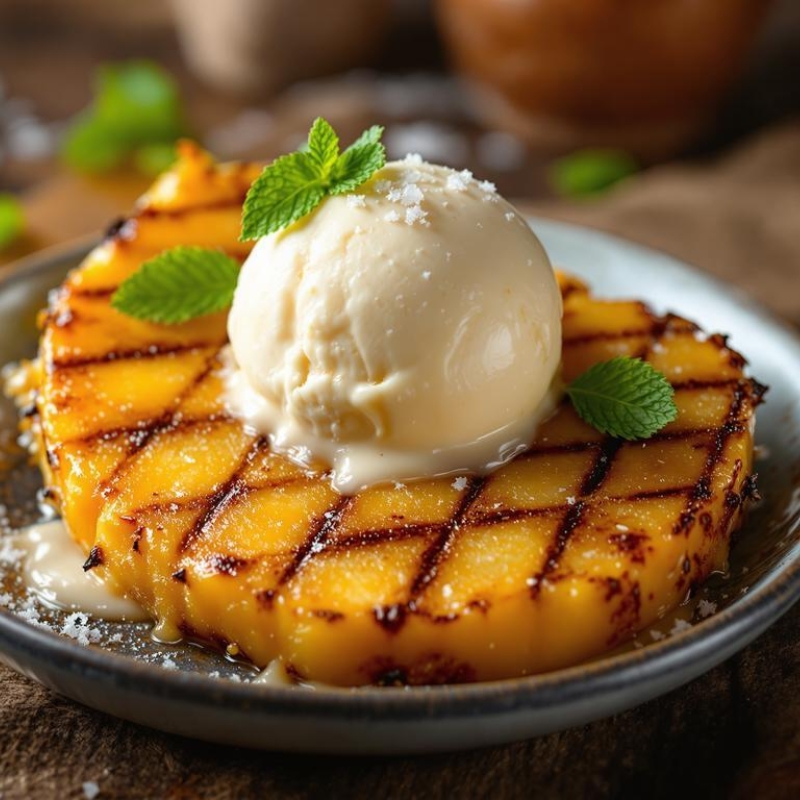
Discover the Brazilian Pineapple Trick, a simple yet flavorful approach inspired by traditional Brazilian grilled pineapple recipes. This easy-to-follow guide shows you how to transform fresh pineapple into a delicious caramelized treat using everyday ingredients and straightforward cooking techniques. Along the way, you’ll learn the culinary science behind the recipe, practical preparation tips, serving ideas, and ways to incorporate this tropical favorite into balanced meals and desserts. Whether you’re looking to impress guests, expand your recipe collection, or enjoy a naturally fruit-forward dessert, the Brazilian Pineapple Trick offers an enjoyable cooking experience that’s perfect for family dinners, barbecues, and everyday home kitchens.
Description
Pineapple has long been celebrated as one of the world’s most recognizable tropical fruits, prized for its vibrant flavor, refreshing juiciness, and remarkable versatility in both sweet and savory dishes. Across many cultures, pineapple represents hospitality, abundance, and celebration, making it a popular centerpiece for family gatherings, festive meals, and outdoor cookouts. While fresh pineapple is delicious on its own, one traditional preparation from Brazil has attracted growing international attention for transforming this everyday fruit into an unforgettable culinary experience. Often referred to as the Brazilian Pineapple Trick, this simple grilling method highlights how a few pantry ingredients and controlled heat can dramatically change both the taste and texture of fresh pineapple.
Unlike many internet food trends that rely on expensive ingredients or complicated cooking techniques, the Brazilian Pineapple Trick focuses on simplicity. Fresh pineapple is coated with a mixture of brown sugar and cinnamon before being gently grilled until the natural fruit sugars caramelize. As the pineapple cooks, its tartness softens, its juices become more concentrated, and the exterior develops a lightly caramelized crust that contrasts beautifully with the warm, juicy interior. The result is a dessert—or even a side dish—that feels both indulgent and refreshingly light. This preparation has become especially popular in Brazilian churrascarias, where grilled pineapple is traditionally served after savory grilled meats as a naturally sweet conclusion to the meal.
Beyond its appealing taste, grilled pineapple also showcases fascinating food science. Heat causes naturally occurring sugars within the fruit to caramelize while also reducing some of the fruit’s acidity, creating a richer and smoother flavor profile. The addition of cinnamon contributes warm aromatic notes, while butter—or alternative options depending on the recipe—helps encourage even browning during cooking. Together, these simple ingredients create a dessert that feels sophisticated despite requiring very little preparation. This balance of simplicity and flavor explains why Brazilian grilled pineapple continues to appear in restaurants and home kitchens around the world.
Pineapple itself also contributes a wide range of nutrients that make it a welcome addition to a balanced diet. It naturally provides vitamin C, manganese, dietary fiber, antioxidants, and bromelain, a group of enzymes involved in breaking down proteins. While researchers continue studying bromelain’s various biological activities, it is important to recognize that enjoying pineapple as part of a healthy eating pattern should not be viewed as a treatment for disease. Instead, it serves as a flavorful fruit that can contribute valuable nutrients alongside an overall nutritious lifestyle.
The growing popularity of the Brazilian Pineapple Trick also reflects a broader shift toward preparing desserts that emphasize whole foods rather than heavily processed ingredients. Fresh fruit, aromatic spices, and straightforward cooking methods allow home cooks to create satisfying recipes with recognizable ingredients. Whether served after a backyard barbecue, alongside grilled meats, or as a weekend family dessert, Brazilian grilled pineapple demonstrates how traditional cooking techniques can elevate everyday ingredients without requiring complicated equipment or advanced culinary training.
This article explores the Brazilian Pineapple Trick in depth, including its cultural origins, nutritional characteristics, culinary science, ingredient selection, preparation techniques, serving ideas, and practical tips for recreating this Brazilian favorite at home. It also examines why caramelized pineapple has remained popular for generations and how this simple preparation fits into a balanced approach to enjoyable eating.
What Is the Brazilian Pineapple Trick?
The Brazilian Pineapple Trick is a traditional grilling technique that transforms fresh pineapple into a warm, caramelized dish using only a handful of everyday ingredients. Although the name has become popular online, the preparation itself is rooted in Brazilian barbecue traditions, particularly at churrascarias—Brazilian steakhouses where various cuts of meat are cooked over open flames. Alongside these savory dishes, grilled pineapple is commonly served as either a refreshing side or a naturally sweet dessert that provides a pleasant contrast to rich, smoky flavors.
Rather than relying on complicated cooking methods, the recipe centers on allowing heat to enhance the pineapple’s own natural characteristics. Thick slices or spears of ripe pineapple are typically coated with a mixture of brown sugar and ground cinnamon before being grilled until lightly caramelized. Some variations include a small amount of butter to encourage even browning and add richness, while others rely solely on the fruit’s natural juices and sugars. During cooking, the fruit develops a golden exterior while remaining juicy inside, creating layers of texture and flavor that differ dramatically from raw pineapple.
One reason this preparation has attracted worldwide attention is its remarkable simplicity. With only four basic ingredients—fresh pineapple, brown sugar, cinnamon, and butter (or a suitable alternative)—home cooks can prepare an impressive dessert in approximately 30 minutes. Because the ingredient list is short, the quality of each component becomes especially important. Selecting a ripe pineapple with a sweet aroma and vibrant flesh often makes the biggest difference in the finished dish.
Unlike many viral food trends that promise unrealistic health outcomes, the Brazilian Pineapple Trick is best appreciated for what it truly offers: a flavorful way to enjoy fresh fruit. Pineapple naturally contains vitamin C, manganese, fiber, and numerous plant compounds, while cinnamon contributes aromatic flavor without requiring large amounts of added sugar. Grilling changes the sensory experience rather than fundamentally altering the fruit’s nutritional profile, making it an enjoyable option for those looking to incorporate more fruit into desserts.
The Brazilian Barbecue Tradition Behind the Recipe
To understand why grilled pineapple has become such an iconic Brazilian dish, it helps to explore the country’s barbecue culture.
Brazilian churrasco dates back centuries and emphasizes cooking meats over open flames using simple seasonings that allow natural flavors to shine. Large skewers of beef, pork, lamb, chicken, and sausage are slowly roasted before being carved tableside in many traditional restaurants.
While meat remains the centerpiece, side dishes play an equally important role in balancing the meal. Fresh salads, rice, black beans, vegetables, farofa (toasted cassava flour), and grilled fruits all contribute different textures and flavors.
Grilled pineapple became especially popular because it offers several culinary advantages:
- Its sweetness contrasts beautifully with smoky grilled meats.
- Its acidity provides a refreshing palate cleanser.
- Its juicy texture offers relief after richer dishes.
- Warm spices like cinnamon complement both savory and sweet foods.
Many churrascarias continue serving unlimited grilled pineapple alongside endless courses of grilled meats, allowing diners to enjoy the fruit throughout the meal or as a light dessert afterward.
This longstanding culinary tradition explains why the recipe has endured long before becoming popular on social media.
The Science Behind Grilled Pineapple
Although the Brazilian Pineapple Trick appears simple, several fascinating scientific processes occur during cooking.
Natural Sugar Caramelization
Fresh pineapple naturally contains fructose, glucose, and sucrose. As these sugars are exposed to high heat, they begin caramelizing.
Caramelization creates:
- Richer flavor compounds
- Golden-brown coloration
- Mild toffee-like notes
- Increased aroma complexity
Unlike adding artificial flavors, caramelization develops naturally from the fruit itself.
Moisture Concentration
Pineapple contains approximately 85% water.
As grilling gently evaporates some surface moisture, the remaining juices become more concentrated, intensifying the fruit’s sweetness without requiring excessive added sugar.
The interior remains juicy while the exterior develops a pleasantly caramelized crust.
Reduced Perception of Acidity
Many people find fresh pineapple slightly tart.
Heat softens this sharp acidity by changing how acids and sugars are perceived together.
The result is often described as:
- smoother
- sweeter
- richer
- less tangy
This explains why even individuals who usually find pineapple acidic often enjoy grilled versions.
Aroma Development
Heating cinnamon releases volatile aromatic compounds such as cinnamaldehyde, responsible for cinnamon’s distinctive fragrance.
These aromas combine with pineapple’s tropical esters to produce a dessert that smells almost as appealing as it tastes.
The interaction between fruit sugars, spices, and gentle caramelization creates an inviting sensory experience before the first bite.
Why Pineapple Is Nutritionally Interesting
Beyond its culinary appeal, pineapple contributes several nutrients that support a balanced dietary pattern.
Vitamin C
Pineapple is an excellent source of vitamin C, an essential nutrient involved in:
- collagen production
- immune function
- antioxidant protection
- wound healing
- iron absorption
Vitamin C also helps protect cells from oxidative stress as part of a varied diet.
Manganese
One serving of pineapple provides a substantial amount of manganese.
This trace mineral contributes to:
- normal metabolism
- connective tissue formation
- bone development
- antioxidant enzyme activity
Although needed only in small amounts, manganese plays numerous roles throughout the body.
Dietary Fiber
Fresh pineapple contains dietary fiber, particularly when consumed in generous portions.
Fiber supports:
- digestive regularity
- satiety
- balanced eating patterns
- healthy gut microbiota
Grilling preserves much of the fruit’s fiber content while creating a softer texture.
Antioxidant Plant Compounds
Pineapple contains numerous naturally occurring phytochemicals including:
- flavonoids
- phenolic acids
- carotenoids (in smaller quantities)
Researchers continue studying these compounds for their potential role in supporting overall health as part of fruit-rich dietary patterns.
Understanding Bromelain
Perhaps the most discussed component of pineapple is bromelain, a group of naturally occurring proteolytic enzymes concentrated primarily in the fruit and stem.
These enzymes break down proteins, which is why fresh pineapple is often used as a meat tenderizer in cooking.
Researchers have studied bromelain for decades, investigating its biological properties in laboratory and clinical settings. Areas of research have included digestion, inflammation, and tissue recovery. However, study findings remain mixed, and bromelain supplements differ substantially from the amounts naturally present in fresh pineapple.
It’s also important to note that grilling may reduce bromelain activity because enzymes are sensitive to heat. As temperatures rise, these proteins gradually lose their functional structure, meaning grilled pineapple is unlikely to retain the same enzyme activity as fresh pineapple.
For this reason, the Brazilian Pineapple Trick should be appreciated primarily for its flavor, culinary tradition, and nutritional value rather than for preserving bromelain’s enzymatic effects. Fresh pineapple remains a nutritious fruit regardless of whether it is enjoyed raw or grilled, and both preparations can fit into a balanced eating pattern.
Ingredients That Make the Brazilian Pineapple Trick Work
One reason the Brazilian Pineapple Trick has remained popular for generations is that it relies on just a few carefully chosen ingredients. Each ingredient contributes something unique to the finished dish, and understanding their roles can help home cooks achieve consistent, flavorful results.
Fresh Pineapple
The pineapple is naturally the star of the recipe.
Choosing a ripe pineapple greatly influences the final flavor. A ripe fruit typically has:
- A sweet tropical aroma at the base
- Golden-yellow coloring that extends beyond the bottom
- Slight softness when gently squeezed
- Fresh green leaves that pull away with moderate resistance
Avoid pineapples that have fermented odors, soft spots, mold, or extensive bruising.
Fresh pineapple generally produces the best texture because it retains enough firmness to withstand grilling without falling apart.
Brown Sugar
Brown sugar contributes more than sweetness.
Because it contains molasses, it adds subtle notes of caramel, toffee, and warmth that complement pineapple’s tropical flavor.
As the sugar melts during grilling, it combines with the pineapple’s natural sugars to form a glossy caramelized coating.
Some cooks prefer light brown sugar for a milder flavor, while dark brown sugar produces a deeper caramel profile.
Cinnamon
Ground cinnamon is the signature spice in many Brazilian grilled pineapple recipes.
Its warm aroma pairs naturally with pineapple while balancing the fruit’s acidity.
In addition to its culinary appeal, cinnamon contains naturally occurring polyphenols that have attracted scientific interest, although its primary role in this recipe is flavor enhancement rather than health promotion.
A light coating is usually sufficient, allowing the pineapple’s natural sweetness to remain the dominant flavor.
Butter
Many traditional recipes include a small amount of melted butter.
Butter serves several purposes:
- Promotes even browning
- Helps cinnamon adhere to the fruit
- Adds richness
- Encourages a glossy finish
Those following dairy-free diets often substitute plant-based butter or omit it entirely with good results.
Optional Flavor Variations
Although the classic recipe contains only four ingredients, many home cooks personalize it with small additions, including:
- Vanilla extract
- Fresh lime zest
- Orange zest
- Nutmeg
- Cardamom
- Coconut flakes
- Toasted pecans
- Chopped pistachios
- Honey (used sparingly)
- Maple syrup
- Unsweetened shredded coconut
These additions can introduce new flavor dimensions while preserving the recipe’s simple character.
How to Make the Brazilian Pineapple Trick at Home
One of the biggest advantages of this recipe is that it requires very little equipment.
Whether using an outdoor grill, stovetop grill pan, cast-iron skillet, or even an oven broiler, the same basic principles apply.
Step 1: Prepare the Pineapple
Begin by removing:
- The leafy crown
- The base
- The outer peel
- The tough “eyes”
Next, slice the pineapple into:
- Thick rings
- Spears
- Long wedges
Keeping slices approximately ¾ to 1 inch thick helps prevent them from breaking apart during grilling.
Step 2: Mix the Seasoning
In a small bowl combine:
- Brown sugar
- Ground cinnamon
If using butter, melt it separately.
Brush each pineapple slice lightly with butter before coating both sides evenly with the cinnamon-sugar mixture.
Avoid applying excessively thick layers, as too much sugar may burn before the fruit finishes cooking.
Step 3: Preheat the Grill
A medium heat is generally ideal.
Grills that are too hot can scorch the sugar before the pineapple softens.
Allow the cooking surface to preheat thoroughly before placing the fruit on the grill.
Lightly oiling the grates may help prevent sticking.
Step 4: Grill Until Caramelized
Cook each side for approximately:
- 3–5 minutes
The exact timing depends on:
- Slice thickness
- Grill temperature
- Pineapple ripeness
The finished pineapple should display:
- Golden grill marks
- Light caramelization
- Slightly softened texture
- Warm, juicy center
Avoid overcooking, which may cause excessive moisture loss.
Step 5: Serve Warm
The pineapple can be enjoyed immediately while still warm.
Many people find the aroma particularly appealing when served fresh from the grill.
Creative Ways to Serve Brazilian Grilled Pineapple
Although often presented as dessert, grilled pineapple is remarkably versatile.
As a Stand-Alone Dessert
Perhaps the simplest presentation includes:
- Warm grilled pineapple
- A light dusting of cinnamon
- Fresh mint leaves
This allows the caramelized fruit to remain the focal point.
With Greek Yogurt
A serving of plain Greek yogurt creates an enjoyable contrast between cool creaminess and warm fruit.
Possible toppings include:
- Chopped almonds
- Walnuts
- Pumpkin seeds
- Hemp hearts
Alongside Vanilla Ice Cream
One of the most popular restaurant presentations pairs warm pineapple with vanilla ice cream.
The contrast between hot fruit and cold ice cream creates an appealing combination of temperatures and textures.
Breakfast Ideas
Leftover grilled pineapple can also enhance breakfast dishes, including:
- Oatmeal
- Overnight oats
- Yogurt parfaits
- Whole-grain pancakes
- Waffles
- Cottage cheese
- Smoothie bowls
Fruit Salad Enhancement
Allow grilled pineapple to cool before combining it with:
- Mango
- Kiwi
- Papaya
- Strawberries
- Blueberries
- Fresh mint
The caramelized notes add surprising depth to traditional fruit salads.
Savory Pairings
Brazilian grilled pineapple also complements:
- Grilled chicken
- Pork tenderloin
- Turkey
- Tofu
- Halloumi cheese
- Black bean bowls
- Rice dishes
Its sweetness balances smoky and savory flavors without overpowering them.
Why Grilling Changes Pineapple’s Flavor So Dramatically
Many people are surprised by how different grilled pineapple tastes compared with fresh pineapple.
Several food science principles explain this transformation.
Sugar Concentration
As water evaporates during cooking, natural sugars become more concentrated.
This increases the perception of sweetness even without adding significant amounts of sugar.
Softer Fruit Fibers
Heat gently softens the pineapple’s structural fibers.
The result is:
- More tender texture
- Easier chewing
- Increased juiciness
Aroma Intensification
Heating releases volatile aroma compounds that become more noticeable than when the fruit is eaten cold.
Warm fruit often smells sweeter than chilled fruit, even if sugar content remains unchanged.
Balanced Flavor Profile
Fresh pineapple combines sweetness with noticeable acidity.
Grilling shifts this balance toward richer, smoother sweetness while maintaining enough acidity to prevent the dessert from becoming overly sugary.
This balance explains why grilled pineapple appeals even to people who typically find fresh pineapple too tart.
Can the Brazilian Pineapple Trick Fit Into a Balanced Diet?
Like many traditional recipes, the Brazilian Pineapple Trick can be adapted to suit a variety of eating patterns.
Because the foundation of the recipe is whole fruit, it naturally provides vitamins, minerals, fiber, and water. The amount of added sugar and butter can also be adjusted based on personal preferences without sacrificing the overall experience.
Some simple ways to modify the recipe include:
- Reducing the amount of brown sugar and allowing the pineapple’s own sweetness to shine.
- Using a light brush of butter rather than a heavy coating.
- Replacing butter with a plant-based alternative if desired.
- Serving the pineapple with plain Greek yogurt instead of ice cream for additional protein.
- Pairing it with fresh fruit rather than sugary sauces.
For individuals managing blood sugar or following a specific nutrition plan, portion size and overall meal composition remain important considerations. Grilled pineapple can be enjoyed as part of a balanced eating pattern, but it should not be viewed as a substitute for individualized dietary advice from a qualified healthcare professional.
Ultimately, the Brazilian Pineapple Trick demonstrates that simple cooking techniques can make wholesome ingredients more enjoyable, encouraging people to include fruit in a wider variety of meals and desserts.
Frequently Asked Questions About the Brazilian Pineapple Trick
As interest in the Brazilian Pineapple Trick has grown online, many home cooks have questions about selecting ingredients, grilling techniques, storage, and preparation. The following answers address some of the most common topics while keeping expectations realistic and evidence-based.
Is fresh pineapple better than canned pineapple?
Fresh pineapple is generally recommended for grilling because it has a firmer texture that holds its shape over direct heat. It also contains more natural juice and develops a better caramelized surface during cooking.
Canned pineapple can still be used in a pinch, but because it has already been processed and softened, it may become overly tender on the grill. If using canned pineapple, choose slices packed in juice rather than heavy syrup, and gently pat them dry before grilling to encourage browning.
Can I make this recipe without a barbecue grill?
Absolutely.
The Brazilian Pineapple Trick is highly adaptable and works well using several cooking methods:
- Outdoor gas grill
- Charcoal grill
- Cast-iron grill pan
- Non-stick skillet
- Oven broiler
- Air fryer with a grill function
The goal is simply to expose the pineapple to enough heat to caramelize its surface while warming the fruit through.
Does grilling remove the nutrients?
Most of pineapple’s vitamins, minerals, and fiber remain present after grilling. However, vitamin C is somewhat sensitive to heat, so some loss may occur during cooking.
Likewise, bromelain—the enzyme naturally found in fresh pineapple—is heat-sensitive. High temperatures reduce its activity, meaning grilled pineapple is unlikely to retain the same enzymatic properties as fresh pineapple. Even so, grilled pineapple remains a nutritious fruit that can contribute vitamins, minerals, and fiber to a balanced diet.
Can I reduce the added sugar?
Yes.
Many ripe pineapples are naturally sweet enough that only a light sprinkle of brown sugar is needed. Some home cooks omit added sugar entirely and rely solely on the fruit’s natural sugars for caramelization.
Other alternatives include:
- Using less brown sugar
- Trying coconut sugar
- Adding a small drizzle of maple syrup after grilling
- Simply seasoning with cinnamon alone
The best choice depends on personal taste preferences and dietary goals.
Is cinnamon required?
No.
While cinnamon is considered the classic seasoning in many Brazilian-style recipes, other spices work well too, including:
- Nutmeg
- Cardamom
- Ginger
- Pumpkin pie spice
- Allspice
Some cooks even enjoy grilled pineapple without any spices, allowing the fruit’s natural flavor to take center stage.
Can leftovers be refrigerated?
Yes.
Store cooled grilled pineapple in an airtight container in the refrigerator for up to three days.
Leftovers can be enjoyed:
- Cold
- Reheated briefly in a skillet
- Added to yogurt
- Mixed into oatmeal
- Chopped into smoothies
- Used in fruit salads
Because the fruit naturally releases juice during storage, draining excess liquid before reheating may improve texture.
Can this recipe be prepared ahead of time?
Yes.
The pineapple can be peeled, sliced, and seasoned several hours in advance before being refrigerated. Grilling immediately before serving provides the best texture and aroma, but preparing the fruit ahead of time can make entertaining much easier.
Tips for Choosing the Best Pineapple
The success of the Brazilian Pineapple Trick begins long before the grill is heated. Selecting a ripe, flavorful pineapple can dramatically improve the finished dish.
Look for a Sweet Aroma
A pleasant tropical fragrance near the base of the pineapple often indicates ripeness.
An absence of aroma may suggest the fruit was harvested too early, while a fermented smell may indicate overripeness.
Check the Color
Modern pineapple varieties do not always become completely golden, but a healthy yellow color extending upward from the base often signals maturity.
Entirely green pineapples may still ripen after harvest to a limited extent, although their sweetness may not increase significantly.
Feel the Fruit
The pineapple should feel:
- Heavy for its size
- Firm
- Slightly yielding under gentle pressure
Avoid fruit with soft spots, bruises, or leaking juice.
Inspect the Leaves
Healthy green leaves generally indicate freshness.
Although the old myth about pulling out the center leaf is unreliable as a ripeness test, leaves should appear vibrant rather than dry or brown.
Simple Variations to Try
One of the reasons this recipe remains popular is its flexibility. Once you’ve mastered the classic version, you can experiment with different flavor combinations.
Coconut Brazilian Pineapple
After grilling, sprinkle with:
- Toasted unsweetened coconut
- Lime zest
This creates a tropical flavor combination that pairs well with yogurt or frozen desserts.
Citrus Twist
Finish the pineapple with:
- Fresh orange zest
- Lime juice
- Lemon zest
The bright citrus notes complement the caramelized sweetness.
Vanilla Cinnamon
A small amount of vanilla extract brushed onto the pineapple before grilling adds extra warmth and depth.
Nutty Finish
Top warm pineapple with:
- Toasted pecans
- Almonds
- Pistachios
- Walnuts
The crunchy texture contrasts beautifully with the tender fruit.
Honey Drizzle
A modest drizzle of honey after grilling enhances sweetness while maintaining the fruit’s fresh flavor.
Enjoying Fruit Through Simple Cooking Traditions
Traditional recipes often survive for generations because they highlight the natural qualities of everyday ingredients instead of masking them with excessive processing. The Brazilian Pineapple Trick is an excellent example of this philosophy.
By combining fresh pineapple with a small amount of cinnamon, brown sugar, and gentle heat, this recipe transforms a familiar fruit into something that feels both comforting and special. The grilling process deepens flavor, creates an appealing caramelized exterior, and fills the kitchen or backyard with a warm tropical aroma that invites people to gather around the table.
At the same time, pineapple remains a whole fruit that naturally contributes vitamin C, manganese, fiber, and hydration. While no single food or recipe can prevent or treat disease, incorporating a variety of fruits into a balanced eating pattern is widely recommended as part of an overall healthy lifestyle.
Whether served at a family barbecue, enjoyed as a lighter dessert, or paired with breakfast the next morning, grilled pineapple demonstrates that nutritious eating does not have to be complicated. Sometimes, the most memorable dishes are built from only a few quality ingredients prepared with care.
Final Thoughts
The Brazilian Pineapple Trick is more than an internet recipe—it is a reflection of Brazil’s rich culinary heritage and a reminder that simple cooking methods can produce extraordinary results. By using fresh pineapple, warm spices, and careful grilling, this traditional preparation enhances the fruit’s natural sweetness and creates a dish that is both visually appealing and full of flavor.
Its enduring popularity stems from its accessibility. Nearly anyone can recreate it at home using basic ingredients and standard kitchen equipment, making it an excellent choice for weeknight desserts, outdoor gatherings, or special occasions. The recipe also offers plenty of room for personalization, whether you prefer a classic cinnamon coating, citrus accents, toasted nuts, or a creamy yogurt pairing.
Most importantly, the Brazilian Pineapple Trick encourages an appreciation for whole foods and mindful cooking. Rather than relying on heavily processed desserts, it demonstrates how fresh fruit and simple techniques can create satisfying flavors while fitting comfortably into a varied and balanced diet.
As with any food, the greatest benefits come from enjoying it as part of an overall healthy lifestyle that includes a diverse range of fruits, vegetables, whole grains, lean proteins, and regular physical activity. When approached in that spirit, Brazilian grilled pineapple offers a delicious way to celebrate both tradition and the natural sweetness of one of the world’s favorite tropical fruits.
Related products
-
Sale!

Calmara Magnetic Ring
Original price was: $45.95.$22.95Current price is: $22.95. Buy From The Official Website -
Sale!

Dark Force Night Vision BinoCulars
Original price was: $999.99.$70.00Current price is: $70.00. Buy From The Official Website -
Sale!

Lucinn Pro Filtered Showerhead
Original price was: $225.00.$112.50Current price is: $112.50. Buy From The Official Website -
Sale!

Space Fly Ball
Original price was: $79.98.$31.99Current price is: $31.99. Buy From This Official Website