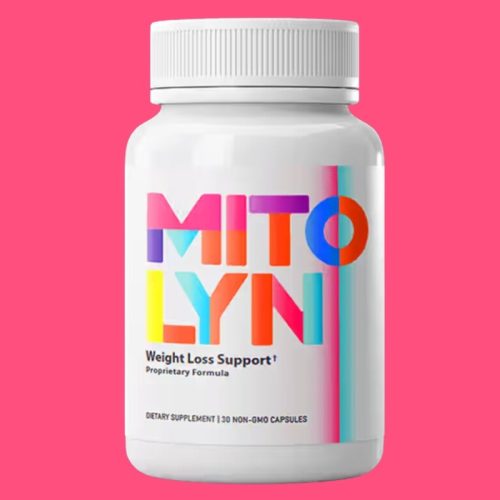
Start your wellness transformation with Care Bare RX GLP-1. This specialized support formula is designed to complement your weight management journey by targeting the biological signals of hunger and satiety. By focusing on metabolic harmony, it helps quiet “food noise” and reduces the frequent cravings that can stall progress. Whether you are looking to kickstart a new routine or maintain your current momentum, Care Bare RX provides a professional-grade approach to appetite control and steady energy. Choose a path that works with your body's natural chemistry – experience the confidence of a balanced metabolism and achieve your lifestyle goals with Care Bare RX.
Description
The clinical efficacy of medications offered through platforms like Care Bare RX – specifically Semaglutide and Tirzepatide – must be understood through the lens of receptor-mediated signaling pathways. Glucagon-Like Peptide-1 (GLP-1) is a 30-amino acid peptide hormone, but its synthetic analogs are engineered for structural longevity. Unlike endogenous GLP-1, which is degraded within minutes by the enzyme dipeptidyl peptidase-4 (DPP-4), modern agonists utilize fatty acid chain acylation to bind to albumin, extending their half-life to approximately seven days. When these molecules bind to the GLP-1 receptor (GLP-1R), they initiate a cyclic adenosine monophosphate (cAMP) signaling cascade within the pancreatic beta cells. This process facilitates glucose-dependent insulin secretion, meaning the insulin response is only triggered in the presence of elevated blood glucose, thereby providing a significant safety profile against hypoglycemia. Beyond the pancreas, these receptors are densely populated in the Area Postrema and the Nucleus Tractus Solitarius of the hindbrain. By modulating these neural circuits, the medication effectively recalibrates the body's “set-point” for hunger, providing the clinical foundation for sustained weight reduction.
The introduction of dual-agonist therapy, such as Tirzepatide, adds the Glucose-Dependent Insulinotropic Polypeptide (GIP) receptor into the clinical equation. While GLP-1 focuses heavily on delayed gastric emptying and central satiety, the GIP component acts as a metabolic stabilizer for adipose tissue. Research indicates that GIP agonism improves the insulin sensitivity of white adipose tissue, potentially reducing the lipotoxicity and systemic inflammation associated with visceral fat accumulation. This dual-pathway approach addresses the “Incretin Effect” deficiency common in patients with Type 2 Diabetes and chronic obesity. By simultaneously targeting the gut-brain axis and peripheral fat metabolism, dual agonists provide a synergistic effect that mono-therapy often cannot match. This molecular synergy is the primary driver behind the superior weight loss percentages observed in recent clinical trials, where participants achieved metabolic improvements that were previously only attainable through bariatric surgery.
II. The Regulatory and Compounding Landscape of 2026
Navigating the regulatory environment is critical for digital platforms and content creators in the health space. Under the Section 503A and 503B frameworks of the Federal Food, Drug, and Cosmetic Act, licensed compounding pharmacies are authorized to produce medications that are in official shortage. Because Semaglutide and Tirzepatide have remained on the FDA shortage list throughout 2024, 2025, and into 2026, these pharmacies provide a vital bridge for patient access. However, a “Clinical Pivot” strategy requires a focus on the Active Pharmaceutical Ingredient (API). Professional compounding relies on the “Base” form of the peptide rather than the salt versions (Sodium or Acetate), which the FDA has flagged for potential safety concerns. By utilizing the base molecule, pharmacies ensure that the binding affinity to the human GLP-1 receptor remains identical to that of the brand-name equivalents. This ensures that the clinical outcomes – specifically in terms of glycated hemoglobin (HbA1c) reduction and weight loss – are consistent with the evidence-based data established in primary clinical trials.
The quality control measures within this space are rigorous. Reputable compounding partners for services like Care Bare RX must adhere to USP <797> standards for sterile injectable medications. This involves multi-stage testing protocols, including high-performance liquid chromatography (HPLC) to verify potency and purity, as well as limulus amebocyte lysate (LAL) testing for endotoxins. For the healthcare consumer, the transparency of these testing logs is the primary differentiator between legitimate medical platforms and unregulated “peptide sites.” This shift toward transparent, high-standards compounding has democratized access to metabolic health, allowing a broader demographic of patients to manage obesity as a chronic biological condition rather than a behavioral failure. This regulatory compliance is the cornerstone of the “Metabolic Reset” narrative, positioning these medications as essential tools in the broader public health strategy to combat metabolic syndrome.
III. Clinical Protocols: Lean Mass Preservation and Nutrient Density
The rapid weight loss facilitated by incretin mimetics necessitates a proactive clinical strategy to prevent the loss of Lean Body Mass (LBM). Muscle tissue is the primary driver of the Basal Metabolic Rate (BMR); therefore, losing muscle during a fat-loss phase can lead to metabolic adaptation and eventual weight regain. To counter this, a “Protein-Sparing” protocol is mandatory. Patients must aim for a protein intake of 1.2 to 1.5 grams per kilogram of goal body weight. Because GLP-1 agonists induce significant satiety, patients often struggle to consume adequate volume. This is where nutrient density becomes paramount. Clinical guidance emphasizes the consumption of high-leucine protein sources, which are the primary triggers for muscle protein synthesis (MPS). Supplementing with essential amino acids (EAAs) or high-quality whey isolates allows patients to maintain their nitrogen balance even when their overall caloric intake is restricted.
In conjunction with dietary protein, mechanical tension via resistance training is the most effective signal to the body to preserve muscle tissue during a hypocaloric state. Lifting weights triggers the mTOR pathway, which counterbalances the catabolic signals sent by the body during rapid weight loss. Recent studies in 2026 suggest that patients who combine GLP-1 therapy with 2-3 sessions of resistance training per week preserve up to 90% of their lean mass, whereas those who rely solely on the medication may lose up to 40% of their weight from muscle. This distinction is vital for long-term health, as maintaining muscle mass improves insulin sensitivity and prevents the “rebound” weight gain often seen after discontinuing weight loss interventions. Furthermore, resistance training supports bone mineral density, which can also be impacted during periods of rapid weight change, making it a non-negotiable component of a holistic metabolic care plan.
IV. The Neurological Shift: Eliminating “Food Noise”
One of the most profound psychological impacts of the medications accessed via Care Bare RX is the silencing of “Food Noise.” This term refers to the intrusive, persistent, and often uncontrollable thoughts about food that drive compulsive eating behaviors. Neurologically, this is governed by the dopaminergic reward centers in the brain, specifically the Nucleus Accumbens and the Ventral Tegmental Area (VTA). In individuals with metabolic dysfunction, the brain's “reward” signal for food is hyper-sensitized, while the “satiety” signal is dampened. GLP-1 receptor agonists directly modulate these circuits, dampening the dopamine spikes associated with food cravings. This neurological stabilization allows the prefrontal cortex – the part of the brain responsible for rational decision-making – to take precedence over the impulsive drive of the hindbrain.
This shift has deep implications for the concept of “willpower.” By correcting the underlying hormonal and neurological imbalances, GLP-1s prove that chronic obesity is often a result of a broken signaling system rather than a lack of mental strength. When the brain is no longer screaming for glucose or high-fat foods, patients find it significantly easier to adhere to the Mediterranean or low-glycemic diets that support long-term health. This “Brain-Gut” recalibration is what makes the weight loss sustainable. For the first time, patients are able to treat food as fuel rather than a drug, breaking the cycle of emotional eating and metabolic “yo-yoing.” As the body's leptin sensitivity improves alongside the weight loss, this neurological shift becomes a permanent feature of the patient's new metabolic baseline.
V. Titration, Maintenance, and the Future of Metabolic Health
The successful integration of GLP-1 therapy into a patient's life requires a sophisticated Titration Schedule. Starting at the lowest possible dose allows the gastrointestinal receptors to desensitize to the medication, minimizing side effects like nausea or bloating. As the patient moves through the induction, escalation, and optimization phases, the focus remains on finding the “Lowest Effective Dose” (LED). This approach minimizes the risk of side effects while maximizing the duration of the medication's efficacy. In the long term, the medical community is moving toward a “Maintenance and Exit Strategy” that involves a slow titration down once the goal weight is reached. This allows the body to stabilize at its new weight “set-point” over a period of 12 to 24 months, which research suggests is the necessary timeframe for the body to stop fighting to regain the lost weight.
The future of metabolic healthcare, supported by platforms like Care Bare RX, is moving toward a preventative model. By treating the precursors of Type 2 Diabetes, hypertension, and cardiovascular disease through weight and insulin management, we are entering an era of “proactive longevity.” The clinical focus is shifting from simply managing the symptoms of metabolic syndrome to reversing the biological drivers of the disease. As peptide technology continues to evolve, we can expect even more targeted therapies that address specific hormonal deficiencies with fewer side effects. The ultimate goal is to provide every individual with the biological tools necessary to achieve and maintain metabolic flexibility, leading to a healthier, more resilient population.