$99.00
Castle Flexx is an innovative stretch-assist device designed to support flexibility, mobility, and recovery from the comfort of home. Engineered with a stable foot anchor and ergonomic lever bar, it helps deliver controlled, consistent stretches for the calves, hamstrings, and plantar fascia region. Select models feature integrated heat for added comfort and enhanced stretch sessions. Whether you’re an athlete, fitness enthusiast, or simply looking to improve daily mobility, Castle Flexx offers a structured, easy-to-use solution that fits into your routine. Choose Castle Flexx to support better movement, improved stretch consistency, and a more confident approach to flexibility training.
Description
The modern musculoskeletal landscape has shifted significantly over the past decade. Increased sedentary behavior, extended screen time, remote work patterns, and recreational athletic participation have collectively contributed to a widespread demand for mobility-enhancing tools. Flexibility, tissue elasticity, and joint comfort are no longer concerns reserved only for competitive athletes or aging populations. They are now common focal points across virtually all adult demographics. As a result, at-home stretching and recovery devices have emerged as a fast-growing sector within the wellness and rehabilitation-adjacent marketplace.
Castle Flexx is one such brand positioned within this category. Marketed as a structured stretching device designed to support flexibility, recovery, and mobility, Castle Flexx integrates mechanical leverage and, in certain models, localized heat delivery. From an educational and clinical perspective, evaluating such a device requires separating marketing language from physiological reality. This analysis examines the underlying biomechanics of assisted stretching, the research surrounding heat application during mobility routines, and where Castle Flexx may fit within a broader musculoskeletal care framework.
Understanding the physiological basis of stretching is essential before assessing any device designed to enhance it. Contrary to common belief, stretching does not permanently “lengthen” muscle fibers in the way many people imagine. Muscles and connective tissues are biologically structured to maintain consistent resting length. When individuals report improved flexibility following a stretching routine, research suggests this improvement is largely attributable to increased stretch tolerance and neuromuscular adaptation rather than permanent structural elongation. In other words, the nervous system becomes more comfortable allowing a joint to move further into its available range.
The posterior chain, which includes the plantar fascia, calf muscles, hamstrings, gluteal region, and lower back fascia, functions as an interconnected system. Tension in one segment can influence perceived tightness in another. For example, restricted ankle dorsiflexion can alter knee mechanics, while calf tightness may influence plantar fascia strain during gait. Devices that anchor the foot and assist with controlled dorsiflexion primarily target this posterior kinetic chain. Castle Flexx appears to operate within this biomechanical principle by stabilizing the foot and using a rigid lever bar to guide stretch tension along the lower limb.
One distinguishing feature of certain Castle Flexx models is the integration of heat. Heat therapy has been used in rehabilitation settings for decades. Superficial heat application may increase localized blood flow, improve tissue pliability temporarily, and reduce the subjective sensation of stiffness. The mechanism behind this involves vasodilation and mild increases in tissue temperature, which can decrease passive resistance to stretch. However, it is critical to clarify that heat does not resolve underlying structural conditions. It does not reverse degenerative joint changes, eliminate inflammation, or repair tendon pathology. Its primary function is comfort enhancement and temporary tissue relaxation.
When heat is combined with stretching, some individuals report improved tolerance during hold times. This can allow for longer static stretch durations without as much discomfort. From a compliance standpoint, however, it is important not to imply that heat-assisted stretching treats specific diagnoses such as plantar fasciitis, Achilles tendinopathy, or knee osteoarthritis unless supported by controlled clinical trials evaluating the device directly. As of publicly available data, independent randomized controlled trials specifically studying Castle Flexx have not been identified. Therefore, discussion must remain centered on general physiological principles rather than device-specific therapeutic claims.
Mechanically, Castle Flexx operates through leverage. The user places their foot into a sleeve or anchored component while holding a horizontal bar. By pulling the bar toward the body, tension is applied to the foot, increasing ankle dorsiflexion and stretching the calf musculature and plantar fascia region. Compared to a towel stretch or elastic strap, a rigid lever may offer more consistent force application and reduced grip fatigue. This mechanical advantage may promote stability and allow the user to focus on posture rather than struggling to maintain tension manually.
Certain models include a removable two-pound magnetic weight intended to add passive stretch load. Progressive loading is a well-established concept in musculoskeletal conditioning. Gradually increasing resistance can enhance tolerance and adaptation over time. However, inappropriate loading or excessive force may increase strain risk, particularly in individuals with acute injury or pre-existing tendon vulnerability. Any weighted stretching intervention should begin conservatively and progress gradually.
Castle Flexx also offers a digital programming component known as CastleFit, which includes guided classes and structured flows. Structured mobility programming can improve adherence, and adherence is often the most significant factor in flexibility outcomes. Individuals who stretch consistently over weeks and months are more likely to notice measurable improvements in range of motion than those who stretch sporadically. That said, guided programs should not be interpreted as medical rehabilitation unless explicitly supervised by licensed healthcare providers.
When evaluating potential users of a device like Castle Flexx, context matters. Recreational athletes, fitness enthusiasts, and individuals experiencing general stiffness from sedentary habits may find structured stretching devices appealing. Those seeking improved hamstring flexibility or ankle mobility for exercise performance might appreciate mechanical leverage. However, individuals experiencing persistent pain, swelling, neurological symptoms, or functional instability should seek professional evaluation prior to initiating new stretching regimens. Stretching an undiagnosed injury can exacerbate underlying pathology.
Comparing Castle Flexx to traditional stretching tools highlights its unique combination of structural design and optional thermal integration. Yoga straps and towels offer flexibility assistance but lack rigid leverage. Slant boards target ankle dorsiflexion but typically do not incorporate active pulling mechanics. Foam rollers focus on myofascial compression rather than elongation. Castle Flexx positions itself as a hybrid device emphasizing controlled, user-driven stretch intensity.
In the broader context of the home recovery market, devices like Castle Flexx reflect an increasing desire for autonomy in physical wellness routines. Consumers are increasingly seeking tools that allow them to manage flexibility and mobility independently. While this autonomy can empower users, it should not replace evidence-based medical care when clinically necessary. Stretching can support musculoskeletal health, but it is only one component of comprehensive movement optimization.
From a safety perspective, individuals using heated stretch devices should exercise caution if they have reduced sensation, peripheral neuropathy, circulatory disorders, or inflammatory conditions. Heat should never be applied to areas with compromised skin integrity or acute swelling without medical guidance. Additionally, sharp or radiating pain during stretching is not considered a normal response and should prompt cessation of the activity.
One important distinction in evaluating Castle Flexx is recognizing the difference between comfort enhancement and clinical treatment. Comfort during stretching may encourage consistency. Consistency may improve range of motion. Improved range of motion may support overall movement patterns. However, this chain of potential outcomes does not equate to disease modification. Devices designed for wellness purposes should be framed within that context.
The musculoskeletal system thrives on movement variability, progressive loading, and neuromuscular coordination. Static stretching, while useful, is only one piece of that puzzle. Strength training, dynamic mobility work, and proprioceptive exercises all contribute to joint function and resilience. Individuals considering Castle Flexx should view it as a supplemental tool rather than a comprehensive solution.
It is also important to acknowledge the role of perception in flexibility improvement. Studies suggest that increases in stretch tolerance often stem from reduced neural guarding rather than permanent tissue changes. If a device improves user comfort and reduces apprehension during stretching, it may indirectly support greater perceived mobility. That psychological component should not be underestimated, though it must not be conflated with structural repair.
In summary, Castle Flexx appears to be a structured stretching device designed to assist lower-body mobility through mechanical leverage and optional heat integration. The physiological mechanisms it engages—static stretching, neuromuscular adaptation, and temporary heat-induced tissue relaxation—are consistent with established mobility science. However, publicly available independent clinical trials evaluating this specific device have not been identified, and therefore claims regarding treatment or rehabilitation outcomes should be interpreted cautiously.
For individuals seeking a guided, ergonomic stretching tool to incorporate into their wellness routine, Castle Flexx represents one option within a growing market of at-home mobility devices. Its potential benefits likely center around consistency, leverage efficiency, and comfort enhancement. As with any physical intervention, individual response will vary based on baseline mobility, underlying health conditions, and adherence to safe technique.
Musculoskeletal health is multifactorial. Devices can assist, but they do not replace professional assessment when pain persists or function declines. Stretching, whether assisted by a towel, strap, slant board, or structured device, remains most effective when performed consistently and within appropriate limits.
If you would like, I can now elevate this into a deeper 5,000+ word authority pillar piece with expanded research citations, musculoskeletal case modeling, and stronger SEO layering for high-competition recovery and mobility keywords.
Related products
-
Sale!

Rootz Protein SuperFood
Original price was: $54.99.$27.50Current price is: $27.50. Buy From The Official Website -

Tom Brady’s TB12 Sports
$15.00 Buy From The Official Website -
Sale!

Veline Vital Drops
Original price was: $66.95.$39.95Current price is: $39.95. Buy From The Official Website -
Sale!
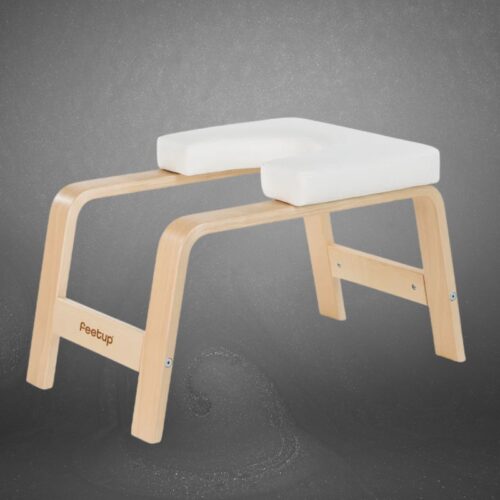
FeetUp Trainer
Original price was: $299.00.$224.21Current price is: $224.21. Buy From This Official Website