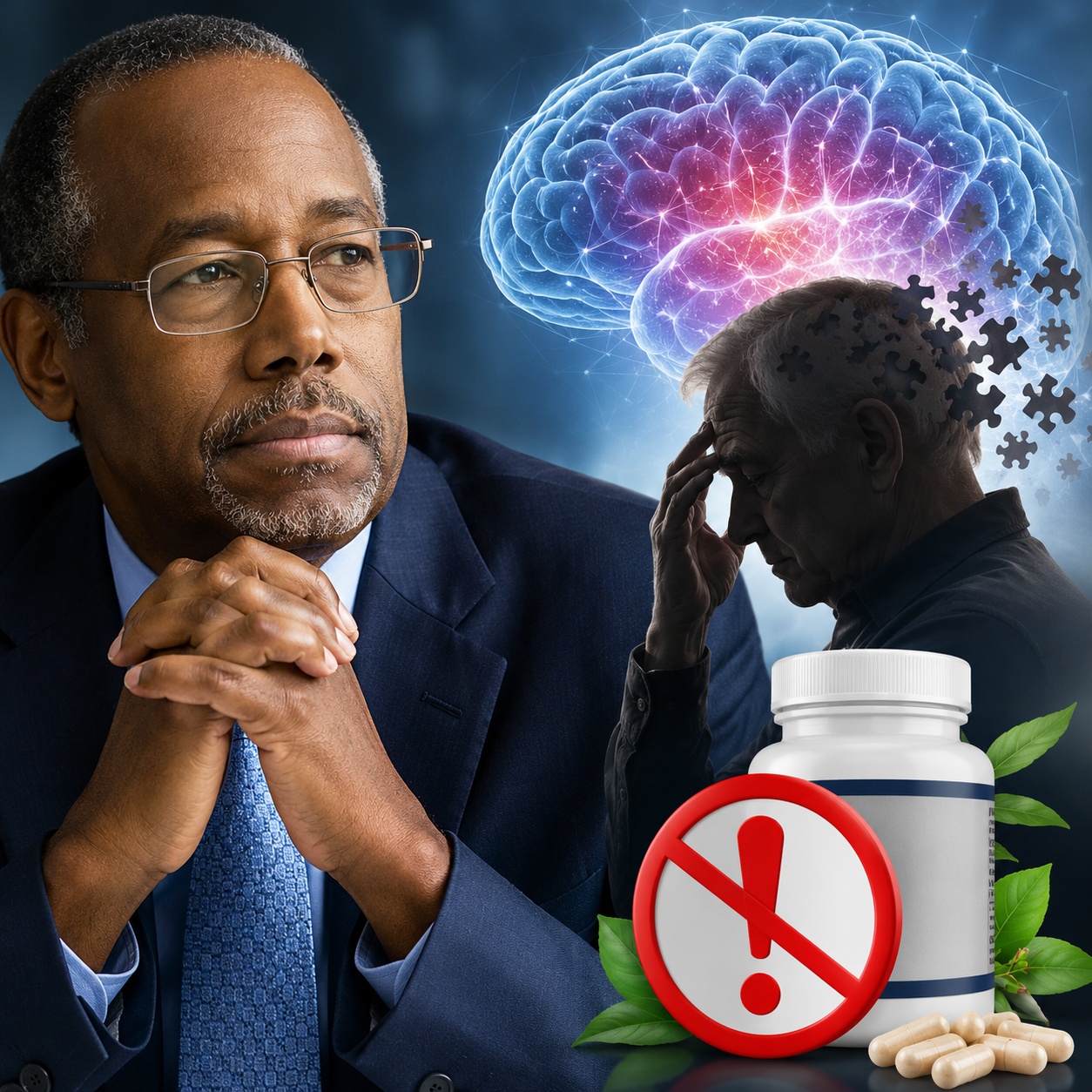
Discover an in-depth research report examining the viral “Dr. Ben Carson Alzheimer Cure” claims and the growing rise of online brain health misinformation. This educational guide explores how fake celebrity endorsements, AI-generated health ads, and misleading supplement promotions target families seeking cognitive support solutions. Readers will gain valuable insights into Alzheimer’s disease awareness, scam red flags, evidence-based brain health research, and safer ways to evaluate memory support products online. Written in a professional yet easy-to-understand style, this report helps consumers make more informed decisions while promoting responsible healthcare education. Ideal for readers interested in neurological wellness, cognitive health awareness, and digital health literacy.
Description
Alzheimer’s disease remains one of the most emotionally devastating neurological conditions affecting families worldwide. Because memory loss and dementia create fear, uncertainty, and urgency, online marketers frequently exploit those emotions with sensational claims about “miracle cures,” celebrity-endorsed memory supplements, and hidden medical breakthroughs.
One of the most widely circulated examples in recent years involves viral advertisements claiming that retired neurosurgeon Dr. Ben Carson discovered, endorsed, or promoted an Alzheimer’s disease cure. These advertisements often appear across Facebook, YouTube, TikTok, Instagram, and display advertising networks. Many of them include AI-generated audio, manipulated video footage, fabricated testimonials, fake news-style articles, and unverified medical claims.
At Meridian Medical Centre, we believe healthcare information should always prioritize scientific accuracy, patient safety, ethical communication, and evidence-based medicine. This article investigates the viral “Dr. Ben Carson Alzheimer cure” narrative, explains how these online campaigns operate, reviews what legitimate medical organizations actually say about Alzheimer’s disease, and outlines practical steps families can take to protect themselves from misinformation.
Why the “Dr. Ben Carson Alzheimer Cure” Story Went Viral
The internet rewards emotionally charged content. Health-related stories that promise dramatic transformations often spread rapidly because they combine hope, fear, urgency, and authority.
Dr. Ben Carson’s name carries strong public recognition due to his career as a neurosurgeon and former government official. That recognition makes his identity highly attractive to unethical advertisers seeking credibility.
Many of the viral ads follow a similar structure:
- A shocking headline claims a hidden Alzheimer’s breakthrough
- A video appears to show Dr. Carson discussing memory restoration
- The advertisement suggests pharmaceutical companies are “hiding” a natural cure
- Consumers are directed to purchase supplements, sprays, drops, gummies, or capsules
- Testimonials claim dramatic recovery from dementia symptoms
- The page creates urgency through countdown timers and “limited supply” language
Fact-checking organizations, scam investigators, and medical experts have repeatedly warned that many of these advertisements are misleading or entirely fabricated. Multiple reports found no credible evidence that Dr. Carson developed or endorsed a cure for Alzheimer’s disease. (malwaretips.com)
Understanding Alzheimer’s Disease and Dementia
Before evaluating any “miracle cure” claims, it is important to understand what Alzheimer’s disease actually is.
Alzheimer’s disease is a progressive neurological disorder associated with cognitive decline, memory impairment, behavioral changes, and difficulties performing daily tasks. It is the most common form of dementia.
Dementia itself is not a single disease. Instead, it is a broader clinical term describing symptoms that affect memory, thinking, communication, and decision-making.
Researchers continue studying the underlying mechanisms associated with Alzheimer’s disease, including:
- Amyloid plaque accumulation
- Tau protein abnormalities
- Neuroinflammation
- Vascular health
- Oxidative stress
- Genetic risk factors
- Lifestyle and metabolic influences
Modern medicine has made meaningful progress in understanding Alzheimer’s disease. However, major public health organizations continue to emphasize that there is currently no universally accepted cure capable of reversing Alzheimer’s disease entirely.
Several therapies may help manage symptoms or potentially slow progression in certain patients, particularly when combined with professional medical oversight, cognitive support, lifestyle interventions, and early evaluation. However, any advertisement promising a guaranteed cure within days or weeks should immediately raise concern.
What Fact-Checkers Found About the Viral Ads
Independent investigations have repeatedly challenged the authenticity of these online campaigns.
Reports reviewing the advertisements identified recurring patterns:
- Fake news-style websites impersonating media organizations
- Altered or AI-generated audio clips
- Edited interviews taken out of context
- Fabricated celebrity endorsements
- Unverified “scientific breakthroughs”
- False claims regarding FDA approval
- Aggressive subscription sales tactics
One widely circulated campaign falsely claimed that Dr. Ben Carson and entertainer Reba McEntire promoted a nasal spray capable of reversing dementia and preventing Alzheimer’s disease. AFP Fact Check reported there was no evidence supporting these claims, and representatives connected to the public figures denied involvement with the product. (factcheck.afp.com)
Additional investigations found that some campaigns reused clips from unrelated interviews while altering the surrounding context to imply endorsement of memory supplements. (malwaretips.com)
Other campaigns promoted products under changing brand names such as:
- AlzClipp
- Memo Genesis
- Neurocept
- Brain Honey
- NeuroTyde
- SynaTide
Researchers noted that although the product names changed, the marketing structure often remained nearly identical. (malwaretips.com)
The Rise of AI-Generated Health Misinformation
One reason these advertisements have become increasingly convincing is the advancement of generative AI technologies.
Deepfake systems can now imitate:
- Facial expressions
- Lip movement
- Voice patterns
- Speech cadence
- Interview environments
This creates major challenges for consumers trying to identify trustworthy information online.
A manipulated video may appear authentic even when:
- The speaker never made the statements
- Audio was artificially generated
- Interview footage was edited deceptively
- Separate clips were stitched together
- Fake subtitles were added
Experts in misinformation research have warned that AI-generated celebrity endorsements are becoming a major public health concern because consumers naturally trust recognizable authority figures.
Healthcare misinformation becomes especially dangerous when it targets vulnerable populations dealing with chronic illnesses, neurodegenerative diseases, or emotionally stressful diagnoses.
Common Red Flags in Alzheimer Supplement Advertisements
Families evaluating online memory supplements should watch for several warning signs.
Claims of a Guaranteed Cure
Any advertisement claiming to “cure Alzheimer’s,” “reverse dementia completely,” or “restore memory overnight” deserves skepticism.
Alzheimer’s disease is medically complex. Legitimate researchers do not describe current treatments using simplistic cure language.
Emotional Manipulation
Many scam-style advertisements intentionally use emotional storytelling.
Common examples include:
- A grandparent supposedly forgetting loved ones
- Emotional family reunions after taking supplements
- Claims of “memory restored in 7 days”
- Fear-based warnings about brain decline
- Stories involving hidden government conspiracies
These tactics are designed to lower critical thinking and encourage impulsive purchases.
Fake Media Branding
Some campaigns imitate trusted media organizations using:
- Fake news logos
- Fabricated interview screenshots
- Imitation article layouts
- Misleading “as seen on TV” badges
- Fraudulent doctor endorsements
Fact-checking organizations have repeatedly identified fake pages imitating legitimate news outlets. (factcheck.afp.com)
Vague Scientific Language
Questionable advertisements often rely on scientific-sounding terms without providing actual evidence.
Examples include:
- “Neural rejuvenation technology”
- “Brain plaque detoxification”
- “Ancient memory protocol”
- “Secret neurological reset”
- “Cellular memory activation”
Legitimate medical research depends on peer-reviewed studies, transparent methodologies, reproducible results, and regulatory oversight.
Pressure-Based Sales Tactics
Consumers should be cautious when websites use:
- Countdown timers
- “Only a few bottles left” warnings
- Forced recurring subscriptions
- Excessive upselling
- One-click checkout pressure
- Repeated pop-ups
These tactics are commonly associated with aggressive direct-response marketing rather than patient-centered healthcare.
Why Alzheimer’s Disease Is Especially Vulnerable to Exploitation
Neurological diseases create profound emotional strain.
Families facing memory loss often experience:
- Fear about future decline
- Financial stress
- Caregiver burnout
- Anxiety about independence
- Grief surrounding personality changes
- Desperation for hopeful solutions
This emotional vulnerability makes dementia-related misinformation especially harmful.
Many families searching online are not looking for “miracle products” because they are gullible. They are searching because they are scared, overwhelmed, and trying to help someone they love.
Unfortunately, unethical advertisers understand this.
The combination of:
- Medical uncertainty
- Public confusion
- Celebrity trust
- AI-generated content
- Emotional storytelling
creates an environment where misinformation can spread rapidly.
The Difference Between Brain Health Support and Disease Cure Claims
It is important to distinguish between:
- General wellness support
- Brain health maintenance
- Nutritional supplementation
- Evidence-based treatment claims
Some ingredients found in dietary supplements are being studied for their potential relationship to cognitive health, inflammation, oxidative stress, circulation, or nutritional deficiencies.
However, studying an ingredient is not the same as proving a supplement cures Alzheimer’s disease.
Responsible healthcare communication should avoid overstating scientific certainty.
Patients should also remember:
- Supplements are not evaluated the same way as prescription medications
- “Natural” does not automatically mean safe or effective
- Ingredients may interact with medications
- Product quality varies between manufacturers
- Marketing claims may exceed available evidence
The U.S. Food and Drug Administration and other health authorities have repeatedly warned consumers about products falsely claiming to treat Alzheimer’s disease. (malwaretips.com)
Why Fake Celebrity Endorsements Work So Well
Psychologists have long studied authority bias — the tendency for people to trust information associated with recognizable experts.
When consumers see a respected physician, scientist, or celebrity associated with a product, they may unconsciously assume:
- The product was medically reviewed
- Clinical evidence exists
- Safety testing occurred
- Regulatory approval was granted
- The claims were verified
Scammers exploit these assumptions.
Deepfake technology makes this even more concerning because consumers may believe they directly watched the individual endorse the product.
In reality, manipulated footage may involve:
- Voice cloning
- AI-generated lip synchronization
- Fabricated subtitles
- Selective editing
- Synthetic narration
This is one reason digital health literacy has become increasingly important.
The Science of Cognitive Decline: What Researchers Actually Know
While no universally accepted cure exists for Alzheimer’s disease today, research in neuroscience continues evolving.
Scientists are actively studying:
- Biomarkers for early detection
- Amyloid-targeting therapies
- Tau-related mechanisms
- Neuroinflammation
- Lifestyle-based interventions
- Sleep and glymphatic function
- Vascular contributions to dementia
- Nutrition and metabolic health
- Genetic predisposition
- Brain resilience and cognitive reserve
Researchers are also examining how lifestyle factors may influence long-term cognitive health.
Areas frequently studied include:
- Physical activity
- Sleep quality
- Social engagement
- Blood pressure management
- Cardiovascular health
- Smoking avoidance
- Mediterranean-style dietary patterns
- Diabetes management
- Cognitive stimulation
- Hearing health
However, none of these areas should be misrepresented as guaranteed prevention or cure strategies.
Healthcare providers generally encourage evidence-informed approaches tailored to each individual’s medical history and risk profile.
How Misleading Health Advertising Harms Patients
The consequences of deceptive Alzheimer’s advertising extend far beyond wasted money.
Potential harms include:
Delayed Medical Care
Patients may postpone seeing neurologists or memory specialists while experimenting with unverified products.
Medication Interactions
Some supplements may interact with prescription medications or create side effects.
Financial Exploitation
Families coping with chronic illness are often targeted with expensive recurring subscriptions.
Emotional Distress
False hope followed by disappointment can intensify emotional suffering.
Misinformation Spread
Viral social media sharing amplifies confusion about legitimate dementia care.
Distrust in Evidence-Based Medicine
Conspiracy-driven marketing may undermine confidence in healthcare professionals.
These issues highlight why ethical health communication matters.
The Role of Regulatory Agencies
Public health agencies continue monitoring deceptive health marketing practices.
Regulatory authorities may investigate:
- False medical claims
- Misleading advertising
- Fraudulent endorsements
- Illegal disease-treatment statements
- Subscription billing complaints
- Unsafe manufacturing practices
Consumers should understand that phrases like:
- “FDA registered facility”
- “Doctor formulated”
- “Clinically inspired”
- “Lab tested”
are not equivalent to formal FDA approval for treating Alzheimer’s disease.
This distinction is often misunderstood.
A supplement being manufactured in a registered facility does not prove the product cures dementia or reverses neurological disease.
How Families Can Evaluate Brain Health Claims More Safely
When reviewing cognitive health products online, patients and caregivers can use several practical evaluation strategies.
Verify the Source
Check whether the information comes from:
- Peer-reviewed medical journals
- Reputable hospital systems
- Academic research institutions
- Licensed healthcare organizations
- Recognized neurological associations
Search for Independent Fact Checks
If a celebrity endorsement appears suspicious, look for independent verification from trusted fact-checking organizations.
Watch for Unrealistic Timelines
Promises like:
- “Reverse dementia in 14 days”
- “Restore youthful memory instantly”
- “Guaranteed cognitive recovery”
should be treated cautiously.
Discuss Supplements With Healthcare Providers
Patients should always discuss:
- Existing medications
- Underlying conditions
- Supplement ingredients
- Potential interactions
- Appropriate expectations
with qualified healthcare professionals.
Be Careful With Subscription Offers
Many online supplement funnels automatically enroll customers in recurring billing programs.
Always review:
- Refund policies
- Terms and conditions
- Subscription language
- Shipping charges
- Cancellation procedures
The Importance of Early Evaluation for Memory Concerns
Not all memory changes are caused by Alzheimer’s disease.
Cognitive symptoms may sometimes relate to:
- Medication effects
- Sleep disorders
- Nutritional deficiencies
- Thyroid dysfunction
- Depression
- Anxiety
- Hearing loss
- Cardiovascular conditions
- Metabolic disorders
- Other neurological diseases
Early evaluation can help identify potential contributing factors and guide appropriate medical support.
Patients experiencing ongoing cognitive changes should seek professional assessment rather than relying exclusively on online advertisements.
How Social Media Algorithms Amplify Health Scams
Modern advertising systems are highly sophisticated.
Platforms use behavioral targeting to identify users likely to engage with health-related content.
Someone searching for:
- Memory support
- Dementia care
- Alzheimer’s symptoms
- Cognitive decline
- Brain supplements
may quickly encounter additional related advertisements.
This can create an illusion that:
- “Everyone is talking about this treatment”
- “The product must be legitimate”
- “Multiple doctors support it”
In reality, the same advertising network may simply be targeting the user repeatedly.
Algorithmic repetition can increase perceived credibility.
The Ethical Responsibility of Healthcare Communication
At Meridian Medical Centre, we believe healthcare communication should:
- Prioritize patient safety
- Avoid exaggerated promises
- Respect scientific uncertainty
- Encourage professional medical evaluation
- Distinguish evidence from speculation
- Present balanced educational information
- Avoid fear-based manipulation
This is especially important within neurological health, where patients and caregivers often experience heightened emotional vulnerability.
Ethical medical communication does not guarantee miracle outcomes.
Instead, it focuses on:
- Transparency
- Education
- Risk awareness
- Shared decision-making
- Evidence-based guidance
What Legitimate Alzheimer’s Research Looks Like
Authentic neurological research typically involves:
- Peer-reviewed publication
- Institutional oversight
- Ethical review boards
- Human clinical trials
- Transparent methodology
- Statistical analysis
- Independent replication
- Regulatory review
Researchers do not usually announce revolutionary Alzheimer’s cures through:
- Social media pop-up ads
- Celebrity gossip-style websites
- Anonymous testimonials
- Countdown timers
- Secret “brain detox” sales pages
Scientific progress tends to be incremental, carefully reviewed, and openly debated within the medical community.
Why “Natural Cure” Narratives Are So Persuasive
The phrase “natural cure” appeals to many consumers because it implies:
- Simplicity
- Safety
- Accessibility
- Freedom from pharmaceuticals
- Ancient wisdom
- Hidden knowledge
However, “natural” is not automatically equivalent to:
- Safe
- Proven
- Regulated
- Effective
- Appropriate for every patient
Many substances with biological activity require careful dosing, monitoring, and professional guidance.
Consumers should avoid assuming that “natural” means risk-free.
How Families Can Support Cognitive Health Responsibly
While no guaranteed cure exists for Alzheimer’s disease today, several evidence-informed approaches may support overall brain health and quality of life.
Healthcare professionals may discuss strategies involving:
- Regular physical activity
- Cardiovascular health management
- Sleep optimization
- Social engagement
- Cognitive stimulation
- Balanced nutrition
- Stress management
- Hearing evaluations
- Medication review
- Ongoing neurological assessment
Support plans should always be individualized.
Families should avoid replacing professional medical care with internet-based miracle cure claims.
The Psychological Cost of False Hope
One of the most overlooked consequences of deceptive health advertising is emotional harm.
Families coping with dementia often experience repeated cycles of hope and disappointment.
A misleading advertisement may temporarily create optimism:
- “Maybe this is finally the answer.”
- “Maybe we found something doctors missed.”
- “Maybe recovery is possible.”
When the promised results fail to appear, families may experience:
- Shame
- Frustration
- Financial stress
- Distrust
- Emotional exhaustion
This emotional impact deserves greater public attention.
What to Do if You Encounter Suspicious Alzheimer Cure Ads
If you encounter questionable advertisements online, consider the following steps:
Do Not Share the Advertisement Immediately
Even well-intentioned sharing can spread misinformation.
Verify Through Trusted Sources
Look for:
- Independent reporting
- Fact-checking analysis
- Official medical organization statements
- Reputable healthcare sources
Consult a Healthcare Professional
Discuss cognitive concerns with qualified providers rather than relying on advertising claims.
Report Fraudulent Ads
Consumers may consider reporting suspicious campaigns to:
- Social media platforms
- Consumer protection agencies
- Advertising regulators
- Fraud reporting systems
Review Financial Statements Carefully
Some supplement campaigns involve recurring subscription billing.
Monitor:
- Credit card activity
- Renewal charges
- Automatic enrollments
- Shipping notifications
Final Thoughts on the “Dr. Ben Carson Alzheimer Cure” Narrative
The widespread popularity of these viral advertisements reflects both the growing sophistication of digital misinformation and the deep emotional impact of Alzheimer’s disease.
Current evidence does not support claims that Dr. Ben Carson discovered or endorsed a miracle Alzheimer’s cure promoted through viral supplement advertisements. Multiple independent investigations have challenged the authenticity of these campaigns and identified patterns involving manipulated media, fabricated endorsements, and misleading marketing practices. (malwaretips.com)
Families facing memory-related conditions deserve accurate information, compassionate care, evidence-based guidance, and realistic expectations.
Although Alzheimer’s research continues advancing, patients should remain cautious of:
- Instant cure promises
- AI-generated endorsements
- Secret neurological protocols
- Fake media reports
- Pressure-based supplement sales
Responsible healthcare decisions are best made in partnership with qualified medical professionals who can provide individualized assessment and evidence-informed recommendations.
At Meridian Medical Centre, we encourage patients and caregivers to approach viral medical claims with careful evaluation, critical thinking, and a commitment to verified healthcare information.
Medical Disclaimer
This article is intended for educational and informational purposes only and does not constitute medical advice, diagnosis, or treatment. Alzheimer’s disease and dementia are complex medical conditions that require evaluation by qualified healthcare professionals. Individuals experiencing memory changes, cognitive decline, or neurological symptoms should consult licensed medical providers for personalized assessment and care. Supplement products discussed in this article have not been verified by Meridian Medical Centre as treatments or cures for Alzheimer’s disease.
Related products
-
Sale!

Memory Lift
Original price was: $179.00.$49.00Current price is: $49.00. Buy From This Official Website -
Sale!
Neuro Brain
Original price was: $69.00.$49.00Current price is: $49.00. Buy From The Official Website -
Memoforce
$49.00 Buy From The Official Website -
Brain Water
$48.00 Buy From The Official Website