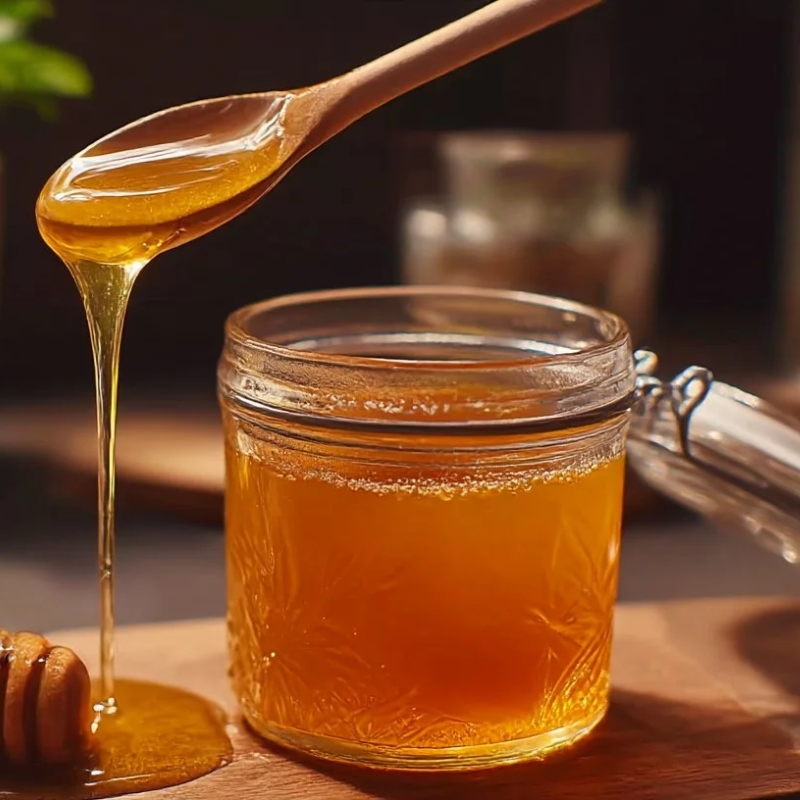
Discover the truth behind the viral Dr. Sanjay Gupta Honey Trick Recipe with this research-based digital guide from Meridian Medical Centre. This educational resource explores the growing buzz surrounding honey-based wellness trends, memory support claims, and natural brain health discussions while separating fact from online misinformation. Readers will learn about the ingredients commonly linked to the “golden honey” trend, current scientific perspectives on cognitive wellness, and how to identify misleading health marketing online. Designed for health-conscious individuals seeking balanced, evidence-informed insights, this guide delivers a professional yet easy-to-understand overview of viral memory support claims without exaggerated promises or unsupported medical assertions.
Description
The internet has become flooded with viral health trends promising fast answers to serious medical concerns. One of the most widely discussed topics in recent months has been the so-called “Dr. Sanjay Gupta Honey Trick Recipe,” a viral concept claiming that a simple honey-based mixture can restore memory, reverse dementia symptoms, or dramatically improve brain health.
Across social media platforms, sponsored videos, AI-generated interviews, fake news articles, and misleading advertisements have promoted various versions of this so-called recipe. Many of these promotions falsely suggest endorsements from respected medical professionals, including Dr. Sanjay Gupta, CNN medical contributors, and other public figures.
At Meridian Medical Centre, we believe health information should always be grounded in evidence, transparency, and ethical communication. That is especially important when discussing conditions such as Alzheimer’s disease, dementia, cognitive decline, or memory-related disorders.
This investigative research article examines:
- What the “Dr. Sanjay Gupta Honey Trick Recipe” actually is
- Why the viral claims became so widespread
- The role of deepfake videos and AI-generated misinformation
- What scientific research really says about honey and brain health
- Whether natural ingredients can support cognitive wellness
- How consumers can identify misleading medical marketing
- Safe, evidence-informed approaches to supporting long-term brain health
This article is intended for educational purposes only and should not be interpreted as medical advice, diagnosis, or treatment guidance. Individuals experiencing memory changes, confusion, or neurological symptoms should consult a qualified healthcare professional.
Understanding the Viral “Dr. Sanjay Gupta Honey Trick Recipe” Trend
The phrase “Dr. Sanjay Gupta Honey Trick Recipe” exploded online after a wave of viral advertisements began circulating on Facebook, YouTube, Instagram, and sponsored content networks. These ads often featured videos designed to resemble legitimate television interviews or medical news broadcasts.
Many of the videos claimed that a “hidden honey recipe” could allegedly:
- Reverse Alzheimer’s disease
- Restore memory naturally
- Improve cognitive clarity within days
- Repair damaged brain cells
- Eliminate brain fog
- Replace conventional neurological care
Several versions referenced “golden honey,” Himalayan honey mixtures, herbal roots, or combinations involving ingredients such as Bacopa monnieri.
The marketing strategy relied heavily on emotional storytelling. Ads frequently portrayed older adults struggling with memory loss before supposedly regaining mental clarity after trying the recipe. Some campaigns falsely used celebrities, public medical personalities, and television-style graphics to create an appearance of credibility.
Independent fact-checking investigations later identified many of these promotions as misleading or fabricated. Reports found that multiple advertisements used manipulated footage, synthetic audio, AI-generated voice cloning, and fake endorsements to imply support from individuals who never approved the products or recipes being advertised. (factually.co)
What Fact-Checkers Discovered
Investigations into the “golden honey” trend found a consistent pattern across numerous websites and advertisements.
Fact-checking organizations and cybersecurity researchers reported that:
- Many videos used deepfake technology
- Television-style interviews were digitally manipulated
- Celebrity endorsements were fabricated
- Fake CNN-style layouts were used to mimic trusted news organizations
- Unsupported medical claims were presented as proven science
- Emotional fear-based messaging targeted families affected by dementia
Several investigations specifically noted that Dr. Sanjay Gupta did not endorse any miracle honey cure for Alzheimer’s disease or dementia. (factually.co)
Reports also identified recurring scam-style marketing tactics, including:
- Claims that “Big Pharma” was hiding natural cures
- Urgent warnings designed to create panic
- Assertions that doctors did not want people to discover the recipe
- Fake testimonials
- Fake research references
- Unrealistic promises of rapid cognitive recovery
These marketing techniques are common within online health misinformation campaigns.
Why Memory Loss Misinformation Spreads So Quickly
Memory disorders are deeply emotional health concerns. Conditions such as Alzheimer’s disease and dementia affect not only patients, but also families, caregivers, and entire support systems.
Because current medical science has not yet discovered a definitive cure for Alzheimer’s disease, many people searching for hope become vulnerable to exaggerated or unsupported claims.
Online misinformation campaigns often exploit:
- Fear of aging
- Anxiety surrounding memory loss
- Frustration with chronic conditions
- Distrust of pharmaceutical systems
- Desire for natural alternatives
- Emotional storytelling
- Authority bias involving doctors or celebrities
Researchers studying public health misinformation have noted that health-related false claims can spread rapidly because they often combine emotional urgency with simplified explanations and highly persuasive narratives. (arxiv.org)
The viral “honey trick” phenomenon demonstrates how easily manipulated media can influence public perception when combined with health fears and emotional marketing.
Did Dr. Sanjay Gupta Create a Honey Memory Recipe?
There is no verified evidence that Dr. Sanjay Gupta created, endorsed, or promoted a miracle honey recipe capable of reversing dementia or restoring memory.
Fact-checking reviews repeatedly concluded that the advertisements used edited or fabricated media to imply endorsements that did not exist. (factually.co)
That distinction is important.
The existence of natural ingredients with nutritional value does not automatically validate claims that a specific recipe can treat serious neurological disease.
While honey, ginger, lemon, and certain herbs may have traditional wellness uses, none have been clinically proven to reverse Alzheimer’s disease.
At Meridian Medical Centre, we encourage patients and readers to separate:
- General nutritional support
from - Unsupported medical cure claims
This distinction helps protect consumers from misleading marketing.
The Rise of Deepfake Health Advertising
One of the most concerning aspects of the viral honey trend is the increasing use of artificial intelligence to create fake medical endorsements.
Deepfake technology allows scammers to manipulate videos, facial expressions, and voices so realistically that viewers may believe trusted experts actually delivered the statements shown on screen.
Cybersecurity investigations into the honey recipe trend found that:
- AI-generated voices were used to imitate public figures
- News clips were edited out of context
- Fake interviews were constructed digitally
- Television branding was copied illegally
- Medical authority figures were impersonated
This represents a growing challenge for public health communication.
Many consumers naturally trust recognizable doctors, journalists, and television networks. Deepfake scams exploit that trust.
Experts studying misinformation and image-based fact-checking have warned that manipulated visuals can significantly increase the believability of false claims online. (arxiv.org)
As AI-generated content becomes more sophisticated, media literacy and fact verification become increasingly important.
What Is Usually Inside the “Honey Trick” Recipe?
Although different advertisements promote slightly different formulas, many versions of the viral recipe typically include combinations of:
- Raw honey
- Lemon
- Ginger
- Turmeric
- Cinnamon
- Bacopa monnieri
- Herbal extracts
- Warm water
Some marketers referred to these mixtures as:
- Golden honey
- Brain honey
- Neuro honey
- Memory tonic
- Himalayan honey formula
While these ingredients may contain antioxidants or traditional wellness applications, none have been clinically validated as cures for Alzheimer’s disease.
That does not necessarily mean the ingredients themselves are harmful. In many cases, the problem lies in exaggerated marketing claims rather than the ingredients.
What Science Actually Says About Honey and Brain Health
Honey has been studied for various nutritional and biological properties.
Research has explored honey’s:
- Antioxidant activity
- Anti-inflammatory potential
- Natural sugar composition
- Polyphenol content
- Traditional medicinal uses
Some preliminary studies suggest antioxidants may play supportive roles in overall cellular health, including brain function.
However, there is a major difference between:
- Supporting general wellness
and - Reversing neurodegenerative disease
Current scientific evidence does not support claims that honey alone can cure dementia, restore severe memory loss, or reverse Alzheimer’s disease.
Neurological diseases are highly complex conditions involving multiple biological pathways, genetic factors, vascular influences, and progressive brain changes.
No major neurological organization currently recognizes honey as a proven treatment for Alzheimer’s disease.
Can Natural Ingredients Support Cognitive Wellness?
Although exaggerated miracle claims should be avoided, some natural ingredients have been studied for their potential supportive role in healthy aging and cognitive wellness.
For example:
Bacopa Monnieri
Bacopa monnieri is a traditional herbal ingredient used historically in Ayurvedic practices.
Some studies have explored its possible role in:
- Attention support
- Cognitive processing
- Stress adaptation
- Memory performance
However, findings remain mixed and more rigorous clinical research is still needed.
Importantly, supportive cognitive wellness research should not be interpreted as proof that an ingredient can cure dementia.
Turmeric and Curcumin
Turmeric contains curcumin, a compound studied for antioxidant and anti-inflammatory activity.
Researchers have explored whether curcumin may support healthy aging processes, but clinical evidence remains inconclusive regarding Alzheimer’s prevention or treatment.
Ginger
Ginger has long been used in traditional wellness practices.
Research has investigated its antioxidant properties and effects on digestion and inflammation pathways.
Honey
Raw honey contains naturally occurring compounds including:
- Flavonoids
- Phenolic acids
- Trace nutrients
- Natural sugars
These compounds may contribute to antioxidant activity, but evidence supporting direct neurological disease treatment remains insufficient.
Why “Natural” Does Not Automatically Mean “Clinically Proven”
One of the most important lessons from the honey trick controversy is understanding that natural ingredients are not automatically validated medical therapies.
Many foods and herbs contain beneficial compounds. However:
- Traditional use is not the same as clinical proof
- Preliminary studies are not definitive treatment evidence
- Wellness support differs from disease reversal
- Individual experiences do not replace controlled research
Health misinformation often blurs these distinctions.
At Meridian Medical Centre, we encourage evidence-based interpretation of health claims.
Consumers should remain cautious whenever products promise:
- Instant results
- Guaranteed outcomes
- Cure-all effects
- Reversal of complex diseases
- Suppression conspiracies
- “Secret” formulas hidden from doctors
These are common warning signs associated with misleading medical advertising.
Alzheimer’s Disease: A Complex Medical Condition
Alzheimer’s disease is a progressive neurological disorder involving changes in brain structure and function.
Scientists continue researching factors that may contribute to cognitive decline, including:
- Genetics
- Protein accumulation
- Vascular health
- Inflammation pathways
- Lifestyle factors
- Aging processes
Symptoms may include:
- Memory impairment
- Difficulty with communication
- Changes in reasoning
- Confusion
- Behavioral changes
- Functional decline
Because Alzheimer’s disease is medically complex, simplistic “one ingredient cures all” narratives can be misleading.
Current management strategies may involve:
- Medical evaluation
- Neurological care
- Cognitive assessments
- Medication management
- Lifestyle support
- Physical activity
- Nutrition guidance
- Social engagement
- Caregiver support
There is currently no universally recognized cure for Alzheimer’s disease.
The Psychology Behind Miracle Cure Marketing
Health scams often follow predictable psychological patterns.
The honey trick campaigns used several classic persuasion strategies:
Authority Bias
Using recognizable doctors or media personalities creates automatic trust.
Scarcity Messaging
Claims such as “before it gets banned” create urgency.
Conspiracy Narratives
Suggestions that pharmaceutical companies are hiding cures encourage emotional reactions.
Emotional Storytelling
Personal transformation stories increase engagement.
Simplicity Appeal
People naturally prefer simple explanations to complex medical realities.
These strategies can make misinformation appear believable, especially when combined with sophisticated video editing.
The Dangers of Delaying Professional Care
One of the greatest concerns surrounding misinformation campaigns is that vulnerable individuals may postpone legitimate medical evaluation.
Memory changes can result from numerous underlying causes, including:
- Neurological conditions
- Medication interactions
- Sleep disorders
- Nutritional deficiencies
- Mental health concerns
- Thyroid disorders
- Cardiovascular issues
- Stress-related factors
Early medical evaluation can help identify potentially treatable contributors.
Relying solely on viral online remedies may delay access to appropriate healthcare support.
Individuals experiencing memory-related symptoms should consult qualified healthcare professionals for personalized evaluation.
How to Identify Potential Health Scams Online
The “Dr. Sanjay Gupta Honey Trick Recipe” trend provides valuable lessons for evaluating online health information.
Consumers should remain cautious when they encounter:
Unrealistic Medical Claims
Promises to cure complex diseases quickly should raise concern.
Fake Celebrity Endorsements
Scammers frequently misuse public figures to gain credibility.
No Scientific Citations
Legitimate medical information typically references credible research.
Emotional Fear Tactics
Manipulative advertising often relies on fear and urgency.
“Secret Formula” Narratives
Science-based medicine is not hidden behind mysterious conspiracies.
Poor Website Quality
Scam websites frequently use:
- Fake news layouts
- Broken links
- Poor grammar
- Anonymous ownership
- Misleading testimonials
Pressure to Buy Immediately
Urgent countdown timers and “limited supply” claims are common sales tactics.
Safe Ways to Support Brain Health Naturally
Although no simple recipe can cure Alzheimer’s disease, evidence-informed lifestyle strategies may help support overall cognitive wellness.
Research continues exploring the role of:
Balanced Nutrition
Dietary patterns emphasizing:
- Vegetables
- Fruits
- Healthy fats
- Whole grains
- Lean proteins
may support general cardiovascular and metabolic wellness.
Physical Activity
Regular movement has been associated with multiple health benefits, including circulation and overall wellness support.
Sleep Quality
Sleep plays an important role in cognitive performance and overall health.
Stress Management
Chronic stress may affect concentration, mood, and mental clarity.
Social Engagement
Maintaining social connection may contribute to emotional and cognitive wellness.
Cognitive Stimulation
Activities involving learning, reading, puzzles, and mental engagement may help maintain cognitive activity.
These approaches support overall healthy aging but should not be framed as guaranteed prevention or treatment methods.
A Realistic Perspective on Honey-Based Wellness Drinks
Despite the misinformation surrounding viral ads, some individuals still enjoy simple wellness beverages containing ingredients such as honey, ginger, or lemon.
In moderation, these ingredients may contribute to:
- Hydration
- Dietary variety
- Enjoyment
- Antioxidant intake
- General wellness routines
A simple homemade drink might include:
- Warm water
- A small amount of raw honey
- Fresh lemon
- Ginger
However, it is important to approach these beverages realistically.
They are not substitutes for medical treatment.
They are not clinically proven cures for dementia.
They should not replace physician-guided care.
At Meridian Medical Centre, we encourage balanced, evidence-informed perspectives when discussing natural wellness practices.
Why Responsible Health Communication Matters
The rise of AI-generated misinformation highlights the importance of ethical health communication.
Medical content should:
- Avoid exaggerated promises
- Present balanced evidence
- Clarify limitations
- Distinguish theory from proof
- Encourage professional consultation
- Respect vulnerable audiences
This is especially important when discussing neurological disorders, aging, chronic illness, or emotionally sensitive conditions.
Consumers deserve accurate information grounded in transparency rather than fear-based marketing.
The Role of Fact-Checking in Modern Healthcare Information
Independent fact-checking organizations now play a growing role in protecting consumers from viral misinformation.
Investigations into the honey trick trend helped expose:
- Deepfake manipulation
- False endorsements
- Fake medical narratives
- Fabricated testimonials
- Misleading disease claims
Researchers studying misinformation have emphasized the need for better systems to identify harmful health claims online. (arxiv.org)
As digital advertising becomes more sophisticated, public awareness becomes increasingly important.
What Readers Should Remember About the “Dr. Sanjay Gupta Honey Trick Recipe”
After reviewing the available evidence, several key conclusions emerge:
- There is no verified miracle honey recipe endorsed by Dr. Sanjay Gupta for reversing Alzheimer’s disease.
- Many viral advertisements used manipulated media and misleading marketing tactics.
- Honey and certain herbs may have nutritional or traditional wellness value, but they are not proven cures for dementia.
- Consumers should be cautious of exaggerated medical claims online.
- Evidence-based healthcare evaluation remains essential for memory-related symptoms.
Separating realistic wellness support from unsupported miracle cure claims helps protect both patients and families.
Final Thoughts
The viral “Dr. Sanjay Gupta Honey Trick Recipe” phenomenon reflects a broader challenge facing modern healthcare communication.
Artificial intelligence, deepfake media, emotional marketing, and misinformation campaigns are making it increasingly difficult for consumers to distinguish between evidence-based health information and manipulative advertising.
At Meridian Medical Centre, we encourage readers to approach viral medical claims thoughtfully and critically.
Natural ingredients such as honey, ginger, turmeric, and herbal compounds may continue to be studied for their nutritional or wellness properties. However, current scientific evidence does not support claims that a simple honey recipe can reverse Alzheimer’s disease or cure severe memory disorders.
When evaluating health information online, consumers should prioritize:
- Credible medical sources
- Transparent evidence
- Professional consultation
- Balanced scientific interpretation
- Realistic expectations
Memory health is complex, deeply personal, and medically important.
Individuals experiencing cognitive concerns should seek professional medical evaluation rather than relying on viral internet trends or miracle cure marketing.
Medical Disclaimer
This article is intended for informational and educational purposes only. It does not constitute medical advice, diagnosis, or treatment recommendations. Readers should consult qualified healthcare professionals regarding any medical concerns, neurological symptoms, cognitive changes, or treatment decisions.
Statements regarding natural ingredients, wellness practices, or nutritional support are not intended to diagnose, treat, cure, or prevent any disease. Product availability, formulations, and marketing claims mentioned online may change over time. Always verify information through credible healthcare sources.