
Fat Liver Flush is a thoughtfully crafted wellness blend designed to support your body’s natural processes through hydration and nutrient-rich ingredients. Featuring aloe vera and cranberry, this formula delivers antioxidants and plant-based compounds that complement a balanced lifestyle. It’s ideal for individuals seeking a simple, daily addition to help maintain digestive comfort and overall wellness. Unlike harsh cleanse programs, Fat Liver Flush focuses on gentle, consistent support without extreme restrictions. Easy to incorporate into your routine, it’s a practical option for those looking to prioritize better habits and feel more balanced day to day. Always consult a healthcare professional before use.
Description
In recent years, interest in natural wellness strategies has surged, particularly those aimed at supporting metabolic health, digestion, and liver function. Among these approaches, combinations of aloe vera juice and cranberry juice have gained attention as part of what is commonly referred to as a “Fat Liver Flush.”
While the phrase itself is widely used in wellness circles, it is important to approach the concept with scientific clarity and medical responsibility. The liver is a highly sophisticated organ responsible for filtering toxins, regulating metabolism, and supporting digestion. It does not require “flushing” in the literal sense, but it can benefit from proper nutrition, hydration, and lifestyle choices.
This article explores the nutritional properties, proposed mechanisms, and safety considerations of aloe vera and cranberry juice within the context of liver health—without overstating claims or crossing into unsupported medical territory.
Understanding Liver Function and “Detox” Claims
The liver plays a central role in:
- Filtering toxins from the bloodstream
- Processing nutrients and medications
- Producing bile for digestion
- Regulating blood sugar and fat metabolism
The idea of a “flush” often stems from the desire to accelerate detoxification. However, scientific consensus indicates that the body already has built-in detox systems involving the liver, kidneys, lungs, and digestive tract .
What This Means for Content Strategy
Instead of claiming detoxification:
- Frame juices as nutritional support for normal physiological processes
- Emphasize hydration, antioxidants, and metabolic support
Aloe Vera Juice: Nutritional Profile and Potential Role
Aloe vera juice is derived from the inner gel of the aloe plant and contains:
- Vitamins (notably vitamin C)
- Minerals
- Amino acids (including essential ones)
- Polyphenols and antioxidants
According to nutritional sources, aloe vera contains 19 amino acids involved in metabolism, including the breakdown of carbohydrates, fats, and proteins .
Digestive and Metabolic Support
Aloe vera is commonly associated with:
- Supporting digestive comfort
- Acting as a mild laxative (in certain forms)
- Helping maintain gut regularity
It may also help support hydration and gastrointestinal balance when consumed in moderate amounts .
Important Safety Considerations
- Aloe latex (unprocessed form) may cause adverse effects
- Excess intake can lead to:
- Diarrhea
- Electrolyte imbalance
- Gastrointestinal discomfort
- Properly processed, decolorized aloe is recommended
Cranberry Juice: Phytonutrients and Fluid Balance
Cranberry juice is widely recognized for its:
- Phytonutrients (anthocyanins, catechins, quercetin)
- Antioxidant properties
- Hydration support
It has been described as supporting digestive, lymphatic, and circulatory pathways .
Fluid Regulation and Kidney Support
Cranberry juice is often associated with:
- Increased urination (diuretic effect)
- Supporting fluid balance
- Providing compounds that may influence urinary tract health
The compound arbutin has been noted to contribute to increased urine output, which may help reduce water retention .
The Aloe + Cranberry Combination: Functional Perspective
When combined, aloe vera and cranberry juice offer:
1. Hydration Support
Adequate fluid intake is essential for:
- Kidney filtration
- Waste elimination via urine
- Circulatory efficiency
2. Antioxidant Intake
Both ingredients provide compounds that:
- Help neutralize oxidative stress
- Support cellular health
3. Digestive System Engagement
- Aloe may support bowel regularity
- Cranberry contributes to fluid movement
Together, these effects may create a perception of “cleansing,” though this should be understood as supporting normal elimination processes, not removing toxins directly.
The “Fat Liver” Conversation: What Science Actually Supports
Fatty liver (non-alcoholic fatty liver disease, NAFLD) is a complex metabolic condition linked to:
- Insulin resistance
- Obesity
- Poor dietary patterns
- Sedentary lifestyle
There is no credible evidence that a juice cleanse alone can treat or reverse fatty liver.
Evidence-Based Support Strategies Include:
- Balanced nutrition (fiber, protein, healthy fats)
- Reduced added sugars
- Regular physical activity
- Weight management (if appropriate)
Juices may be incorporated as part of a broader dietary pattern, but they are not standalone solutions.
Juice Cleanses: Benefits vs Risks
Potential Benefits
- Increased intake of vitamins and antioxidants
- Short-term hydration support
- Temporary dietary reset (removal of processed foods)
Documented Risks
Research highlights several concerns:
- Lack of protein and fiber → impacts metabolism
- Blood sugar spikes from concentrated fruit sugars
- Short-term weight loss = water loss, not fat loss
- Electrolyte imbalance and dehydration risks
A Safer “Modified Cleanse” Approach
For a medically responsible framework, consider positioning:
Instead of:
“3-day fat liver flush”
Use:
“Structured hydration and nutrient-support protocol”
Example Framework
- Morning: diluted cranberry water
- Midday: balanced meals with whole foods
- Evening: small amount of aloe vera juice
This avoids extreme restriction while maintaining compliance.
Preparation Guidelines
A commonly referenced approach includes:
- 4 oz unsweetened cranberry juice
- 28 oz water
- Consumed throughout the day
Aloe vera:
- Typically 2–4 oz daily (if tolerated)
Important:
- Avoid added sugars or artificial sweeteners
- Use only properly processed aloe products
Who Should Avoid This Approach
This is critical for compliance:
- Pregnant or breastfeeding individuals
- People with kidney conditions
- Individuals on medications (possible interactions)
- Those with digestive disorders
Always recommend consultation with a healthcare provider.
Clinical Perspective: Supporting vs Replacing Medical Care
For Meridian Medical Centre positioning:
- Emphasize adjunctive lifestyle support
- Never position as:
- Treatment
- Cure
- Reversal method
Final Takeaway
The concept of a “Fat Liver Flush” is best understood as a hydration and nutrient-support strategy, not a medical intervention.
Aloe vera and cranberry juice may contribute:
- Hydration
- Antioxidant intake
- Digestive system support
However, the liver already performs detoxification efficiently, and long-term health outcomes depend on consistent dietary and lifestyle patterns—not short-term cleanses.
Related products
-
Sale!

Liver Detox by Biocol labs
Original price was: $26.95.$20.21Current price is: $20.21. Buy From The Official Website -

Oweli Liver Reset Protocol
$49.99 Buy From The Official Website -
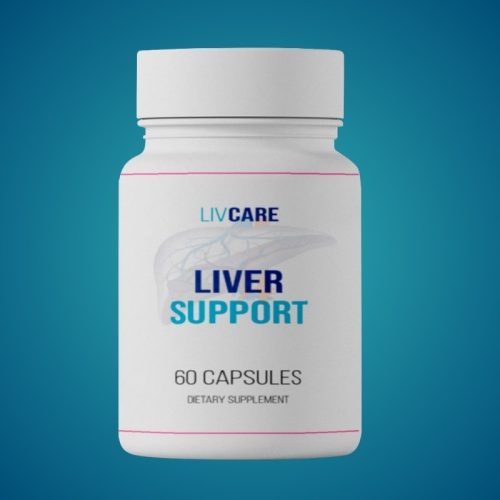
LIVCARE Liver Support
$69.00 Buy From The Official Website -
Sale!
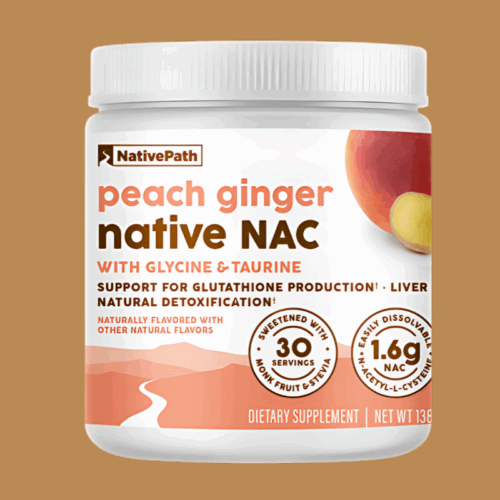
NativePath Native NAC
Original price was: $45.00.$32.00Current price is: $32.00. Buy From The Official Website