
GLP BodyGuard is a doctor-owned, AI-powered wellness platform designed to help individuals on GLP-1 weight-loss medications stay focused on the habits that support their body-composition goals. Track protein intake, resistance training, hydration, recovery, and wellness trends through an intuitive dashboard built for consistency and accountability. Features include personalized assessments, daily check-ins, body-composition tracking tools, AI-powered food scanning, and educational wellness insights. Whether you’re looking to monitor progress beyond the scale or stay engaged with healthy lifestyle habits, GLP BodyGuard provides structured support to complement your existing healthcare plan. Educational only—not a substitute for medical advice or treatment.
Description
The rapid growth of GLP-1 medications has transformed the weight management landscape. Millions of individuals are now using prescription therapies such as semaglutide and tirzepatide under the supervision of healthcare professionals to support long-term weight-loss goals. While much of the public conversation focuses on pounds lost and changes on the scale, another topic has begun receiving increased attention among clinicians, fitness professionals, and wellness experts: body composition.
Many individuals pursuing weight loss want to understand not only how much weight they are losing, but also how lifestyle factors such as protein intake, resistance training, recovery, and consistency may influence their overall wellness journey. This growing interest has created demand for educational tools that help users organize and monitor health-related behaviors between medical appointments.
GLP BodyGuard is one such platform. Positioned as a doctor-owned educational tracking and support system, GLP BodyGuard is designed specifically for people using GLP-1 medications who want additional structure, accountability, and visibility into the habits that support body-composition goals.
According to information published by the company, GLP BodyGuard is not a medication, medical device, diagnostic system, or replacement for professional healthcare. Instead, it functions as a digital wellness platform that helps users track behaviors and estimated trends related to protein intake, resistance training, wellness routines, and body-composition monitoring.
Why Body Composition Matters During Weight-Loss Efforts
For many people, weight loss has traditionally been measured using a single metric: body weight.
However, body weight alone does not provide a complete picture of physical changes occurring throughout a wellness journey. Two individuals may lose the same amount of weight while experiencing very different changes in body composition.
Body composition generally refers to the relative proportions of:
- Body fat
- Lean tissue
- Skeletal muscle
- Bone mass
- Water content
As awareness around body composition grows, many individuals are becoming interested in tracking more than scale weight alone. Wellness-focused users often seek additional information regarding:
- Exercise adherence
- Protein consumption
- Recovery habits
- Strength-training frequency
- Long-term lifestyle consistency
GLP BodyGuard positions itself as a platform that helps users monitor these types of wellness indicators alongside their weight-loss efforts.
What Is GLP BodyGuard?
GLP BodyGuard is an AI-powered educational support platform developed for individuals using GLP-1 therapies.
The company describes the platform as a structured system that helps users stay engaged with behaviors commonly associated with healthy lifestyle routines, including:
- Protein tracking
- Resistance-training habits
- Progress monitoring
- Wellness check-ins
- Educational guidance
The platform emphasizes consistency and behavioral support rather than medical intervention. According to its published materials, GLP BodyGuard is intended to work alongside an individual’s prescribing clinician rather than replace professional medical care.
The platform’s messaging repeatedly highlights an important distinction: weight loss is only one part of the overall journey, while maintaining healthy habits over time often presents a separate challenge.
The Philosophy Behind GLP BodyGuard
One of the central themes throughout the GLP BodyGuard platform is the idea that successful weight management involves more than eating less or seeing lower numbers on the scale.
The company states that users often need support maintaining consistent behaviors such as:
- Meeting protein goals
- Participating in resistance training
- Tracking wellness metrics
- Monitoring progress over time
- Remaining engaged throughout lifestyle changes
By organizing these activities into a single digital environment, GLP BodyGuard aims to create a structured experience that encourages long-term participation.
This philosophy reflects a broader trend in wellness technology, where digital platforms increasingly focus on behavioral adherence, habit formation, and self-monitoring.
Doctor-Owned Wellness Support
GLP BodyGuard identifies itself as a doctor-owned platform created by Damon J. Stafford, DC.
According to the founder’s published statement, the inspiration for the platform emerged from observing a gap in the market. While many people were experiencing weight reduction with GLP-1 therapies, they often lacked simple ways to monitor broader body-composition trends between healthcare visits.
The platform was therefore developed as a tool to help individuals:
- Track estimated composition metrics
- Log wellness behaviors
- Visualize progress trends
- Stay engaged with long-term wellness goals
The company emphasizes that the platform is educational in nature and is intended to complement professional medical supervision rather than replace it.
Key Features of the GLP BodyGuard Platform
Personalized Assessment
New users begin with an assessment designed to gather information about their current routine, wellness goals, and lifestyle factors.
The assessment serves as the foundation for the platform’s personalized recommendations and tracking experience.
According to the company, this process helps tailor the user experience to individual circumstances rather than providing generic wellness guidance.
Protein Tracking Support
Protein intake is one of the primary behaviors emphasized throughout the platform.
Users receive guidance designed to help them monitor daily protein consumption and stay aware of protein-related goals.
The platform also references meal-based protein targets intended to help users organize their nutritional routines throughout the day.
Rather than focusing solely on calorie tracking, GLP BodyGuard highlights protein awareness as part of its overall wellness framework.
Resistance-Training Prompts
Another core component involves exercise adherence.
The platform includes reminders and prompts intended to encourage users to maintain resistance-training routines.
These prompts function as behavioral support tools that help keep exercise activities visible within the user’s broader wellness plan.
Weekly Body-Composition Check-Ins
GLP BodyGuard includes recurring check-in systems that allow users to review progress trends over time.
The company states that these check-ins focus on body-composition awareness rather than scale weight alone.
This approach aligns with the platform’s broader emphasis on long-term lifestyle tracking and engagement.
Daily Wellness Monitoring
Users can log multiple wellness indicators including:
- Protein intake
- Hydration
- Sleep
- Mood
- Cravings
- Adherence metrics
These inputs are organized into dashboards that help visualize trends and patterns over time.
The goal is not to provide medical diagnosis but rather to support personal awareness and consistency.
Understanding the Composition Trend Score
One of the platform’s signature features is its Composition Trend Score.
According to GLP BodyGuard, this score serves as an educational index that summarizes tracked body-composition data and related behavioral inputs.
The score is designed to provide users with an easy-to-understand snapshot of how their tracked wellness metrics are trending over time.
Importantly, the company presents the score as an educational tool rather than a clinical measurement.
Users are encouraged to view it as one piece of information within a larger wellness-monitoring framework.
The Metabolic Armor Score™
Another notable feature is the Metabolic Armor Score™.
According to platform materials, this proprietary score combines multiple wellness-related inputs into a single numerical index.
The company states that factors may include:
- Protein adherence
- Exercise behaviors
- Sleep habits
- Recovery indicators
- Wellness consistency
- Body-composition tracking inputs
The score is presented within a tiered system that categorizes user trends into different ranges.
As with other platform metrics, the company describes this score as educational and informational rather than diagnostic.
AI Wellness Co-Pilot
Artificial intelligence is integrated into the platform through what GLP BodyGuard calls its AI Wellness Co-Pilot.
The feature provides educational wellness guidance and habit-support prompts based on logged activities.
Examples may include reminders related to:
- Protein goals
- Exercise routines
- Daily check-ins
- Recovery behaviors
The platform specifically notes that the AI system is educational only and should never be considered a replacement for healthcare professionals.
Body Composition Insights
Many health applications focus primarily on weight changes.
GLP BodyGuard takes a broader approach by incorporating estimated body-composition insights into its tracking experience.
The platform allows users to monitor trends associated with:
- Lean mass estimates
- Hydration patterns
- Recovery metrics
- Wellness consistency
These tools are intended to help users maintain awareness of multiple aspects of their wellness journey.
AI Food Scanner
One of the newer additions to the platform is the Metabolic Armor Scan.
This feature uses AI-powered food recognition technology to analyze meals from uploaded images.
According to the company, the scanner can:
- Detect meal ingredients
- Estimate protein intake
- Display nutritional breakdowns
- Track progress toward protein goals
The platform emphasizes protein-focused tracking rather than calorie-focused monitoring.
This aligns with its overall positioning around habit support and wellness awareness.
Personalized Supplement Protocol Recommendations
Premium users may receive educational supplement recommendations based on platform inputs and scores.
Examples highlighted by the company include:
- Creatine monohydrate
- Magnesium bisglycinate
- Vitamin D3 + K2
The company states that these recommendations are educational only and do not constitute medical advice.
Users are encouraged to consult healthcare professionals before starting any supplement regimen. Additionally, the company notes that referenced supplement statements have not been evaluated by the FDA and are not intended to diagnose, treat, cure, or prevent disease.
Community Support Features
GLP BodyGuard also offers access to a community environment where users can engage with others pursuing similar wellness goals.
According to the platform, users may discuss topics such as:
- Protein strategies
- Exercise consistency
- Habit formation
- Wellness tracking
- Lifestyle optimization
Community engagement can provide accountability and peer support, which many individuals find valuable when maintaining long-term behavioral changes.
Pricing Structure
At the time of publication, GLP BodyGuard offers:
- A 7-day trial for $3
- Full premium access during the trial period
- Ongoing membership at $29.99 per month after the trial
The company states that subscriptions can be canceled through the user account portal.
Because pricing and offers may change over time, prospective users should verify current details directly through the official website before enrolling.
Who May Be Interested in GLP BodyGuard?
GLP BodyGuard may appeal to individuals who:
- Use GLP-1 medications under medical supervision
- Want additional accountability tools
- Prefer tracking habits beyond scale weight
- Enjoy data-driven wellness monitoring
- Value educational guidance and structured check-ins
- Want centralized tracking for nutrition and exercise habits
The platform appears particularly focused on users interested in monitoring behavioral consistency and estimated body-composition trends throughout their wellness journey.
Important Limitations and Disclosures
The company repeatedly emphasizes that GLP BodyGuard is not:
- A medication
- A medical device
- A diagnostic tool
- A treatment program
- A replacement for healthcare providers
The platform is described as an educational tracking and estimation system designed to support wellness awareness and habit adherence.
Users should continue working with qualified healthcare professionals regarding any medical decisions, medication adjustments, dietary changes, or exercise modifications.
The company advises consulting a prescribing physician before making changes to medication, nutrition, exercise, or supplement routines.
Final Thoughts
As GLP-1 therapies continue to gain popularity, many users are seeking tools that help them stay engaged with the lifestyle behaviors often associated with long-term wellness goals. GLP BodyGuard enters this space as a doctor-owned educational platform focused on tracking habits, monitoring estimated body-composition trends, and supporting user engagement through data visualization and AI-powered guidance.
Rather than positioning itself as a medical treatment or clinical solution, GLP BodyGuard presents itself as a wellness-support ecosystem that encourages users to monitor behaviors such as protein intake, exercise consistency, hydration, and recovery. Its combination of habit tracking, AI features, educational scoring systems, and body-composition monitoring reflects the growing demand for digital tools that help individuals stay connected to their wellness goals between healthcare visits.
Individuals interested in GLP BodyGuard should review the platform’s disclosures carefully and consult qualified healthcare professionals regarding any medical decisions. As with any wellness technology, the platform is best viewed as a supportive educational resource that complements—rather than replaces—professional medical care.
Related products
-
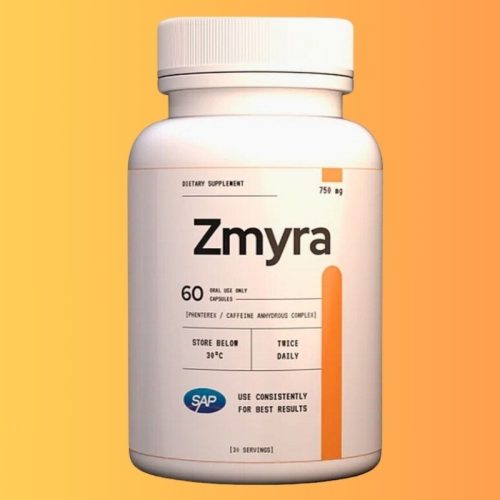
Zmyra
$52.99 Buy From The Official Website -

Purple Peel Juice
$19.99 Buy From The Official Website -
Sale!

Nagano Lean Body Tonic
Original price was: $127.00.$79.00Current price is: $79.00. Buy From The Official Website -
Sale!

LumaLean Pro
Original price was: $249.95.$109.95Current price is: $109.95. Buy From The Official Website