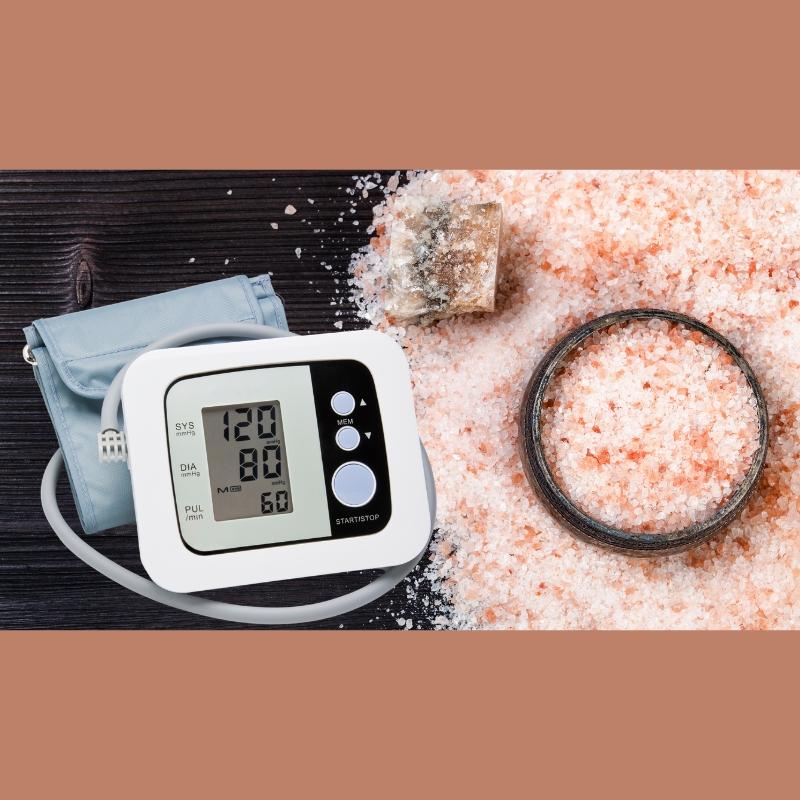
Discover the facts behind the Himalayan Salt Diet for High Blood Pressure with this comprehensive, easy-to-understand guide. Learn how Himalayan pink salt compares to regular table salt, the role sodium plays in blood pressure management, and what current research says about its potential benefits and limitations. This in-depth resource explores heart-healthy nutrition, practical dietary strategies, foods to include and avoid, and lifestyle habits that support cardiovascular wellness. Perfect for anyone seeking evidence-based information, this guide helps you make informed choices about your diet while promoting a balanced approach to managing blood pressure and overall heart health.
Description
High blood pressure, also known as hypertension, affects more than a billion people worldwide and remains one of the leading contributors to heart attacks, strokes, heart failure, kidney disease, and premature death. Because hypertension often develops silently without obvious symptoms, it is frequently referred to as the “silent killer.”
As awareness of cardiovascular health continues to grow, many people are looking for natural strategies to help support healthy blood pressure levels. Among the numerous wellness trends that have gained popularity in recent years is the Himalayan Salt Diet.
Supporters of Himalayan pink salt often claim that it is healthier than regular table salt because it contains trace minerals, undergoes less processing, and may help maintain electrolyte balance. Some websites and social media influencers even suggest that Himalayan salt can lower blood pressure or reverse hypertension.
But are these claims supported by scientific evidence?
The answer is more complicated than many people realize.
While Himalayan salt may offer certain culinary advantages and contains small amounts of naturally occurring minerals, it is still primarily composed of sodium chloride—the same compound found in ordinary table salt. For individuals with hypertension, understanding this distinction is critical.
In this comprehensive guide, we’ll examine:
- What Himalayan salt is
- How it compares with table salt
- The relationship between sodium and blood pressure
- Whether Himalayan salt is safer for hypertension
- Potential benefits and limitations
- What a heart-healthy Himalayan salt diet looks like
- Evidence-based strategies for managing high blood pressure
By the end, you’ll have a clearer understanding of whether Himalayan salt deserves a place in your blood pressure management plan.
Understanding High Blood Pressure
Before discussing Himalayan salt specifically, it helps to understand how blood pressure works and why sodium intake matters.
Blood pressure refers to the force exerted by circulating blood against the walls of the arteries.
A blood pressure reading consists of two numbers:
Systolic Pressure
The top number measures pressure when the heart contracts and pumps blood.
Diastolic Pressure
The bottom number measures pressure when the heart rests between beats.
For example:
120/80 mmHg
- 120 = systolic pressure
- 80 = diastolic pressure
Over time, persistently elevated blood pressure can damage blood vessels and increase the risk of:
- Heart disease
- Stroke
- Kidney disease
- Vision problems
- Cognitive decline
- Peripheral artery disease
Because hypertension often develops gradually, many people are unaware they have it until complications arise.
What Causes High Blood Pressure?
Hypertension is usually influenced by multiple factors rather than a single cause.
Common contributors include:
Excess Sodium Intake
High sodium consumption may cause the body to retain fluid, increasing blood volume and blood pressure.
Obesity
Carrying excess body weight places additional strain on the cardiovascular system.
Physical Inactivity
Sedentary lifestyles are associated with higher rates of hypertension.
Chronic Stress
Long-term stress can contribute to elevated blood pressure and unhealthy lifestyle habits.
Smoking
Tobacco damages blood vessels and increases cardiovascular risk.
Excess Alcohol Consumption
Heavy drinking may raise blood pressure and interfere with medications.
Aging
Blood vessels naturally become less flexible with age.
Family History
Genetics can influence blood pressure regulation.
Poor Dietary Habits
Diets high in processed foods and low in fruits and vegetables often contribute to hypertension.
Among all these factors, sodium intake remains one of the most widely studied and modifiable risk factors.
What Is Himalayan Salt?
Himalayan salt is a naturally occurring rock salt harvested primarily from the Khewra Salt Mine in Pakistan, one of the largest and oldest salt mines in the world.
Its distinctive pink color comes from trace amounts of minerals, including:
- Iron
- Potassium
- Magnesium
- Calcium
- Zinc
Unlike conventional table salt, Himalayan salt is generally less refined and contains naturally occurring mineral impurities that contribute to its appearance and flavor.
Common forms include:
- Fine pink salt
- Coarse crystals
- Himalayan salt blocks
- Salt cooking slabs
- Salt lamps
- Sole water mixtures
Because it appears more natural and less processed, Himalayan salt has become popular among health-conscious consumers.
Nutritional Composition of Himalayan Salt
One of the biggest misconceptions surrounding Himalayan salt is that it is dramatically different from table salt nutritionally.
In reality, sodium chloride accounts for approximately 95–98% of Himalayan salt.
The remaining portion consists of trace minerals.
These minerals include:
- Calcium
- Potassium
- Magnesium
- Iron
- Phosphorus
While these minerals are essential for health, the amounts found in normal servings of Himalayan salt are extremely small.
To obtain meaningful quantities of magnesium or potassium from Himalayan salt alone, a person would need to consume dangerously excessive levels of sodium.
This is why nutrition experts generally do not consider Himalayan salt a significant source of minerals.
Himalayan Salt vs. Table Salt
Many consumers assume Himalayan salt is substantially healthier than table salt.
Let’s compare them.
Himalayan Salt
Advantages
- Less processed
- Contains trace minerals
- Distinctive flavor
- Attractive appearance
- Popular for gourmet cooking
Disadvantages
- Still high in sodium
- Usually not iodized
- Often more expensive
Table Salt
Advantages
- Inexpensive
- Widely available
- Usually fortified with iodine
- Consistent texture
Disadvantages
- Highly refined
- May contain anti-caking agents
- Lacks mineral impurities
Does Himalayan Salt Contain Less Sodium?
Many people believe Himalayan salt contains dramatically less sodium.
This is not accurate.
Although exact values vary slightly, the sodium content is remarkably similar.
For blood pressure management, the difference is generally too small to create meaningful health benefits.
In practical terms:
Switching from table salt to Himalayan salt while continuing to consume large amounts of salt will not significantly reduce sodium intake.
This is one of the most important facts individuals with hypertension should understand.
Why Sodium Matters for Blood Pressure
Sodium plays several vital roles in the body.
It helps regulate:
- Fluid balance
- Nerve transmission
- Muscle contractions
- Cellular communication
The body requires sodium for survival.
Problems occur when intake exceeds physiological needs.
When sodium levels rise:
- The body retains more water.
- Blood volume increases.
- The heart works harder.
- Pressure within blood vessels rises.
For individuals who are sodium-sensitive, these effects may be particularly pronounced.
Research consistently shows that reducing sodium intake can help lower blood pressure in many individuals, especially:
- Older adults
- African Americans
- People with kidney disease
- Individuals with existing hypertension
Can Himalayan Salt Lower Blood Pressure?
The short answer is:
There is currently no strong scientific evidence showing that Himalayan salt lowers blood pressure better than regular table salt.
Many online claims focus on its mineral content.
Supporters argue that:
- Potassium lowers blood pressure.
- Magnesium supports blood vessel function.
- Trace minerals improve circulation.
While these minerals do contribute to cardiovascular health, the quantities present in Himalayan salt are too small to produce significant therapeutic effects.
Therefore:
Using Himalayan salt should not be considered a treatment for hypertension.
Individuals should be cautious of websites that advertise Himalayan salt as a cure, remedy, or replacement for medical treatment.
Potential Benefits of Himalayan Salt
Although Himalayan salt should not be viewed as a blood pressure treatment, it may offer some practical advantages.
1. Less Processing
Many consumers prefer foods that undergo minimal industrial processing.
Himalayan salt generally experiences less refining than standard table salt.
2. Unique Flavor
Some people report that Himalayan salt provides a richer, more complex flavor.
This enhanced taste may help individuals use smaller amounts during cooking.
If total sodium consumption decreases as a result, blood pressure management may indirectly benefit.
3. Culinary Flexibility
Himalayan salt can be used in:
- Roasting
- Grilling
- Baking
- Finishing dishes
- Salt block cooking
Its versatility contributes to its popularity among chefs.
4. Trace Minerals
Although not nutritionally significant in typical amounts, Himalayan salt does contain naturally occurring minerals that contribute to its distinctive appearance and taste.
Risks of Believing Himalayan Salt Is Healthier
One concern among healthcare professionals is that Himalayan salt’s healthy reputation may create a false sense of security.
People may incorrectly assume:
- It’s sodium-free
- It lowers blood pressure
- Unlimited amounts are safe
- It detoxifies the body
None of these assumptions are supported by evidence.
Overconsumption can still contribute to:
- Elevated blood pressure
- Fluid retention
- Increased cardiovascular strain
- Kidney stress
Moderation remains essential.
What About Sole Water?
“Sole water” is a mixture created by dissolving Himalayan salt crystals in water.
Advocates claim it can:
- Improve hydration
- Balance electrolytes
- Increase energy
- Support digestion
- Normalize blood pressure
Scientific support for these claims remains extremely limited.
For people with hypertension, consuming additional salt water may increase sodium intake unnecessarily.
Most healthcare professionals recommend obtaining hydration through plain water rather than salt-infused beverages.
The Role of Potassium in Blood Pressure Control
One of the most overlooked aspects of blood pressure management is the balance between sodium and potassium.
Potassium helps:
- Relax blood vessel walls
- Support normal fluid balance
- Counteract some effects of sodium
Foods rich in potassium include:
- Bananas
- Avocados
- Sweet potatoes
- Beans
- Spinach
- Tomatoes
- Yogurt
Increasing potassium-rich foods often provides more meaningful benefits than changing salt varieties.
What Is the Himalayan Salt Diet?
There is no officially recognized medical diet called the Himalayan Salt Diet.
Generally, the term refers to an eating pattern that:
- Uses Himalayan salt instead of table salt
- Emphasizes whole foods
- Reduces processed foods
- Encourages hydration
- Includes fruits and vegetables
- Limits refined sugars
Many of these habits align with established heart-healthy dietary patterns.
The benefits likely come from the overall diet—not the Himalayan salt itself.
A Heart-Healthy Himalayan Salt Diet Plan
If you enjoy Himalayan salt, it can be incorporated responsibly into a balanced diet.
Breakfast
Vegetable omelet with:
- Spinach
- Mushrooms
- Tomatoes
Served with:
- Oatmeal
- Blueberries
- Green tea
Use a small amount of Himalayan salt.
Morning Snack
- Apple slices
- Unsalted almonds
Lunch
Grilled chicken salad with:
- Mixed greens
- Cucumbers
- Bell peppers
- Olive oil vinaigrette
Season with herbs and minimal salt.
Afternoon Snack
- Greek yogurt
- Fresh berries
Dinner
Baked salmon with:
- Roasted broccoli
- Brown rice
- Asparagus
Flavor with garlic, lemon, herbs, and a modest amount of Himalayan salt.
Evening Snack
- Fresh fruit
- Herbal tea
The DASH Diet: The Gold Standard for Blood Pressure
Among dietary approaches, the DASH Diet remains one of the most extensively studied for hypertension.
DASH stands for:
Dietary Approaches to Stop Hypertension
The DASH diet emphasizes:
- Fruits
- Vegetables
- Whole grains
- Lean proteins
- Low-fat dairy
- Nuts and seeds
It limits:
- Added sugars
- Processed foods
- Excess sodium
- Saturated fat
Research consistently shows that DASH can help support healthy blood pressure levels when combined with other lifestyle changes.
Whether you use Himalayan salt or table salt, DASH principles remain highly relevant.
Foods That Support Cardiovascular Health
Leafy Greens
Examples:
- Kale
- Spinach
- Swiss chard
Rich in potassium and nutrients.
Berries
Contain beneficial plant compounds that support vascular health.
Fatty Fish
Examples:
- Salmon
- Sardines
- Mackerel
Provide omega-3 fatty acids.
Whole Grains
Examples:
- Oats
- Quinoa
- Brown rice
Support heart health and fiber intake.
Legumes
Examples:
- Lentils
- Chickpeas
- Black beans
Excellent sources of fiber and minerals.
Foods to Limit
Processed Foods
Major contributors to excess sodium intake.
Examples include:
- Frozen meals
- Packaged snacks
- Instant noodles
Processed Meats
Examples:
- Bacon
- Sausage
- Hot dogs
- Deli meats
Fast Food
Frequently contains large amounts of sodium and calories.
Sugary Beverages
Excess consumption may contribute to obesity and metabolic dysfunction.
Lifestyle Habits More Important Than Salt Type
If your goal is healthier blood pressure, these factors matter far more than whether your salt is pink or white.
Exercise Regularly
Aim for at least:
150 minutes of moderate-intensity exercise per week.
Examples:
- Walking
- Swimming
- Cycling
- Resistance training
Maintain a Healthy Weight
Weight loss often improves blood pressure significantly.
Improve Sleep
Adults should aim for:
7–9 hours per night.
Sleep deprivation is strongly associated with hypertension.
Manage Stress
Helpful techniques include:
- Meditation
- Yoga
- Deep breathing
- Mindfulness
Avoid Tobacco
Smoking damages blood vessels and increases cardiovascular risk.
Limit Alcohol
Moderate consumption is generally recommended.
Common Myths About Himalayan Salt
Myth #1: Himalayan Salt Is Sodium-Free
False.
It is primarily sodium chloride.
Myth #2: Himalayan Salt Cures High Blood Pressure
False.
No reliable scientific evidence supports this claim.
Myth #3: Himalayan Salt Is a Major Source of Minerals
False.
Mineral amounts are minimal.
Myth #4: Sole Water Detoxifies the Body
There is no strong scientific evidence supporting detox claims.
Myth #5: You Can Use Unlimited Himalayan Salt
False.
Excessive consumption still increases sodium intake.
Who Should Monitor Salt Intake Carefully?
Particular caution is warranted for:
- Individuals with hypertension
- Kidney disease patients
- Heart failure patients
- Older adults
- People on sodium-restricted diets
Always follow individualized recommendations from qualified healthcare professionals.
Practical Tips for Using Himalayan Salt Responsibly
If you prefer Himalayan salt, consider these strategies:
- Measure portions instead of pouring freely.
- Use herbs and spices for flavor.
- Avoid excessive table salt use.
- Read food labels carefully.
- Focus on reducing processed foods.
- Choose fresh ingredients whenever possible.
- Prioritize overall sodium reduction.
For most people, reducing processed foods provides greater benefits than switching salt varieties.
Frequently Asked Questions
Is Himalayan salt healthier than table salt?
It may be less processed and contains trace minerals, but it is not significantly lower in sodium.
Can Himalayan salt replace blood pressure medication?
No. Individuals should never stop prescribed medications without consulting their healthcare provider.
Is pink salt safe for people with hypertension?
It can be used in moderation, but total sodium intake remains the primary concern.
Does Himalayan salt contain potassium?
Yes, but only in very small amounts.
Is sole water recommended for high blood pressure?
Current evidence does not support sole water as a treatment for hypertension.
Final Thoughts
Himalayan pink salt has earned a reputation as a natural and healthier alternative to conventional table salt. While it contains trace minerals and undergoes less processing, it remains primarily sodium chloride and should not be viewed as a treatment for high blood pressure.
Current scientific evidence does not demonstrate that Himalayan salt lowers blood pressure better than regular salt. For individuals concerned about hypertension, the most effective strategies remain reducing overall sodium intake, following a nutrient-dense dietary pattern such as DASH, maintaining a healthy weight, exercising regularly, managing stress, and following medical guidance when necessary.
If you enjoy the flavor and appearance of Himalayan salt, it can certainly be part of a balanced eating plan. However, its greatest value lies in culinary preference—not in proven blood pressure-lowering effects.
The key to better blood pressure control is not choosing a different color of salt. It is creating a sustainable, heart-healthy lifestyle that supports long-term cardiovascular wellness.


