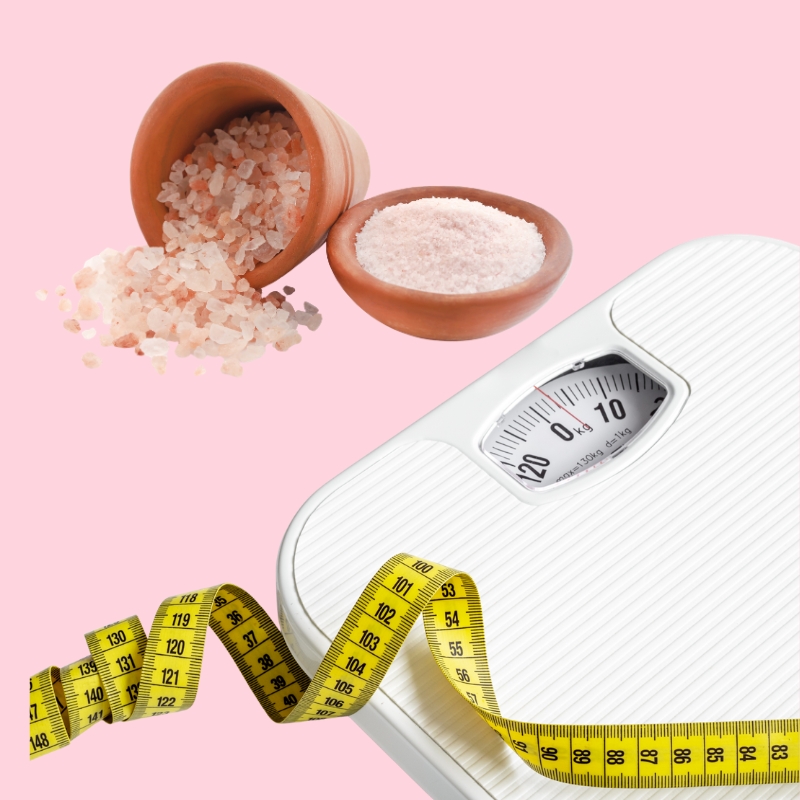
Discover the Himalayan Salt Diet For Weight Loss, a comprehensive guide that explores how Himalayan pink salt can fit into a healthy lifestyle and weight-management journey. Learn about hydration, digestion, electrolyte balance, and the role of mindful nutrition while separating facts from common myths. This easy-to-follow resource explains the potential benefits, risks, and science behind Himalayan salt, helping you make informed wellness decisions. Perfect for health-conscious individuals seeking natural lifestyle strategies, this guide emphasizes sustainable habits, balanced nutrition, and long-term wellness rather than quick fixes, making it a valuable addition to any healthy living plan.
Description
The Himalayan Salt Diet for Weight Loss has become a popular wellness trend among people looking for natural ways to support their health and weight-management goals. Advocates claim that Himalayan pink salt can improve hydration, reduce bloating, support digestion, and contribute to overall well-being. Social media influencers, wellness blogs, and health enthusiasts often promote Himalayan salt drinks, salt-water cleanses, and morning hydration rituals as part of a healthy lifestyle.
But how much of the hype is supported by science?
While Himalayan pink salt contains trace minerals and can be used as part of a balanced diet, there is currently no scientific evidence showing that it directly causes fat loss. Sustainable weight management still depends on factors such as calorie balance, physical activity, sleep quality, stress management, and long-term healthy habits.
This comprehensive guide explores what Himalayan pink salt is, how the Himalayan Salt Diet works, the potential benefits and limitations, what research says, and how to safely incorporate Himalayan salt into a healthy lifestyle.
What Is Himalayan Pink Salt?
Himalayan pink salt is a naturally occurring rock salt primarily mined from the Khewra Salt Mine in Pakistan, located near the Himalayan mountain range.
Unlike conventional table salt, which undergoes extensive processing, Himalayan salt is minimally refined. Its distinctive pink color comes from trace minerals naturally present within the salt deposits.
These minerals may include:
- Iron
- Potassium
- Magnesium
- Calcium
- Zinc
- Manganese
Although Himalayan salt contains dozens of trace minerals, the quantities are extremely small. As a result, it should not be viewed as a significant nutritional source of these minerals.
Characteristics of Himalayan Salt
- Natural pink coloration
- Minimal processing
- Available in fine, coarse, or crystal form
- Commonly used in cooking and seasoning
- Frequently incorporated into wellness practices
- Contains trace minerals not typically found in refined table salt
Despite its popularity, Himalayan salt remains primarily a source of sodium chloride, just like regular table salt.
Understanding the Himalayan Salt Diet
The Himalayan Salt Diet is not an official or standardized diet plan. Instead, it refers to a collection of wellness practices that incorporate Himalayan pink salt into daily routines.
Common approaches include:
- Drinking Himalayan salt water in the morning
- Consuming lemon and Himalayan salt beverages
- Replacing regular table salt with Himalayan salt
- Using Himalayan salt in home-prepared meals
- Following hydration-focused wellness routines
Many proponents believe these practices help support:
- Hydration
- Digestion
- Electrolyte balance
- Reduced bloating
- Overall wellness
However, it is important to understand that these effects do not necessarily translate into direct fat loss.
Why People Believe Himalayan Salt Supports Weight Loss
Several theories explain why Himalayan salt has become associated with weight management.
Improved Hydration
Hydration plays an important role in overall health.
Water helps regulate:
- Body temperature
- Nutrient transport
- Exercise performance
- Digestion
- Energy levels
Some wellness advocates believe that trace minerals found in Himalayan salt may support electrolyte balance, potentially encouraging proper hydration.
When individuals become more conscious of hydration, they often experience:
- Reduced fatigue
- Better exercise performance
- Improved concentration
- Enhanced wellness habits
These benefits may indirectly support a healthy weight-management plan.
Reduced Bloating
Temporary water retention can cause feelings of puffiness and bloating.
Some individuals report feeling less bloated after implementing hydration-focused Himalayan salt routines.
This reduction in bloating may create the appearance of weight loss on the scale, even though actual body fat has not changed.
Reduced bloating can contribute to:
- Increased comfort
- Better digestive regularity
- Improved body confidence
However, reducing bloating is different from reducing body fat.
Increased Wellness Awareness
One of the most overlooked benefits of wellness trends is behavioral change.
Individuals who adopt a Himalayan salt routine often begin paying closer attention to:
- Food choices
- Water intake
- Sleep habits
- Exercise routines
- Overall health
These positive lifestyle changes may contribute more to weight-management success than the salt itself.
The Role of Sodium in the Human Body
To understand Himalayan salt’s potential effects, it is important to understand the role sodium plays in human health.
Sodium is an essential electrolyte involved in:
Fluid Balance
Sodium helps regulate fluid movement within and between cells.
Maintaining proper fluid balance supports:
- Hydration
- Blood pressure regulation
- Organ function
Nerve Function
Sodium plays a critical role in transmitting nerve impulses throughout the body.
Without adequate sodium, normal communication between the brain and body would be disrupted.
Muscle Contraction
Muscles rely on sodium and other electrolytes to contract properly.
This is particularly important during exercise and physical activity.
Blood Pressure Regulation
Sodium influences blood pressure levels. Both excessive and insufficient sodium intake can impact cardiovascular health.
Popular Himalayan Salt Weight Loss Methods
Sole Water
One of the most popular Himalayan salt practices involves a concentrated salt-water mixture called “sole water.”
To make sole water:
- Place Himalayan salt crystals in a glass jar.
- Add filtered water.
- Allow the salt to dissolve overnight.
- Dilute a small amount into drinking water before consumption.
Supporters claim sole water helps:
- Improve hydration
- Support digestion
- Increase energy
- Promote overall wellness
Scientific evidence supporting these specific claims remains limited.
Himalayan Salt and Lemon Water
Another common practice involves combining:
- Warm water
- Fresh lemon juice
- Himalayan pink salt
This beverage is often consumed first thing in the morning.
Potential reasons for its popularity include:
- Encouraging water intake
- Creating a morning wellness ritual
- Supporting healthy hydration habits
However, evidence does not show that this drink directly burns fat.
Replacing Table Salt
The simplest and most practical approach involves replacing conventional table salt with Himalayan salt during cooking and meal preparation.
Many consumers prefer this approach because it:
- Uses a minimally processed ingredient
- Fits naturally into meals
- Avoids excessive supplementation
What Science Says About Himalayan Salt and Weight Loss
Despite widespread marketing claims, current scientific evidence does not support Himalayan salt as a direct weight-loss ingredient.
Weight Loss Requires a Calorie Deficit
Fat loss occurs when the body consistently burns more calories than it consumes.
This process is influenced by:
- Total calorie intake
- Physical activity
- Metabolic factors
- Sleep quality
- Hormonal regulation
- Long-term consistency
No type of salt has been shown to independently create a calorie deficit.
Trace Minerals Are Present in Small Amounts
Although Himalayan salt contains additional minerals, the amounts are extremely small.
Most nutritional needs for minerals such as magnesium and potassium should come from foods like:
- Fruits
- Vegetables
- Legumes
- Nuts
- Seeds
- Whole grains
No Proven Fat-Burning Effect
Research has not demonstrated that Himalayan salt:
- Burns fat
- Accelerates metabolism
- Increases calorie expenditure
- Significantly enhances weight loss
Claims suggesting otherwise are not supported by current evidence.
Potential Benefits of Himalayan Salt Within a Healthy Lifestyle
Although Himalayan salt is not a fat-burning supplement, it may support certain healthy habits.
Encourages Better Hydration Habits
Many Himalayan salt routines encourage regular water consumption.
Proper hydration may support:
- Physical performance
- Exercise recovery
- Digestion
- Energy levels
Supports Active Individuals
People who sweat heavily during exercise lose electrolytes, including sodium.
Balanced electrolyte intake may support:
- Endurance
- Muscle function
- Hydration status
Enhances Food Flavor
Adding flavor to healthy foods may increase dietary adherence.
Himalayan salt can enhance:
- Vegetables
- Lean proteins
- Whole grains
- Homemade meals
This may make healthy eating more enjoyable.
May Promote Home Cooking
Individuals interested in natural ingredients often prepare more meals at home.
Home-cooked meals are frequently associated with:
- Better portion control
- Reduced calorie intake
- Lower consumption of ultra-processed foods
Common Myths About Himalayan Salt and Weight Loss
Myth #1: Himalayan Salt Burns Fat
There is no evidence supporting direct fat-burning effects.
Myth #2: Himalayan Salt Detoxifies the Body
The body already possesses highly effective detoxification systems, including:
- The liver
- The kidneys
- The lungs
- The digestive system
Himalayan salt does not replace these natural functions.
Myth #3: Himalayan Salt Dramatically Boosts Metabolism
Scientific studies have not shown meaningful metabolic increases from Himalayan salt consumption.
Myth #4: More Salt Means Faster Weight Loss
Excessive sodium intake may actually contribute to:
- Water retention
- Elevated blood pressure
- Health complications
More is not better.
Risks and Considerations
Excess Sodium Intake
Too much sodium may increase the risk of:
- High blood pressure
- Fluid retention
- Cardiovascular concerns
Kidney Health Concerns
Individuals with kidney disease should speak with a healthcare professional before increasing sodium intake.
Heart Disease Considerations
People with:
- Hypertension
- Heart failure
- Cardiovascular disease
should use caution with sodium-containing wellness practices.
Misleading Marketing Claims
Many advertisements exaggerate Himalayan salt’s benefits.
Consumers should remain skeptical of promises involving:
- Rapid weight loss
- Detoxification
- Fat burning
- Dramatic body transformations
Himalayan Salt vs. Table Salt
Processing
Himalayan salt undergoes less refinement than standard table salt.
Mineral Content
Himalayan salt contains trace minerals, while table salt is primarily sodium chloride.
Iodine Content
Many table salts are fortified with iodine, an important nutrient for thyroid health.
Most Himalayan salts contain little or no added iodine.
Sodium Levels
Both Himalayan salt and regular table salt contain similar sodium levels by weight.
This means neither should be consumed excessively.
Taste Differences
Some consumers describe Himalayan salt as having:
- A milder flavor
- A subtle mineral taste
- Less sharp saltiness
Taste preference often drives consumer choice more than nutritional differences.
Evidence-Based Strategies That Actually Support Weight Loss
Instead of relying on a single ingredient, sustainable weight management focuses on proven habits.
Prioritize Protein
Protein supports:
- Satiety
- Muscle preservation
- Appetite control
Healthy sources include:
- Fish
- Poultry
- Eggs
- Greek yogurt
- Legumes
Increase Fiber Intake
Fiber may help:
- Promote fullness
- Support digestion
- Improve dietary quality
Sources include:
- Vegetables
- Fruits
- Beans
- Whole grains
Stay Physically Active
Regular exercise supports:
- Calorie expenditure
- Cardiovascular health
- Muscle maintenance
A combination of aerobic activity and resistance training is often recommended.
Get Quality Sleep
Poor sleep can affect hormones related to:
- Hunger
- Cravings
- Energy balance
Most adults benefit from seven to nine hours of sleep per night.
Manage Stress
Chronic stress may influence eating behaviors and overall wellness.
Helpful strategies include:
- Meditation
- Walking
- Deep breathing
- Yoga
- Time outdoors
How to Use Himalayan Salt Responsibly
If you enjoy Himalayan pink salt, consider these best practices:
- Use it as a seasoning, not a weight-loss treatment.
- Monitor total sodium intake.
- Focus on overall dietary quality.
- Prioritize hydration through regular water consumption.
- Maintain realistic expectations.
- Consult a healthcare professional if you have cardiovascular or kidney conditions.
Moderation remains the key to safe use.
Frequently Asked Questions
Can Himalayan salt help me lose belly fat?
There is no evidence that Himalayan salt specifically reduces belly fat. Fat loss occurs through overall calorie balance and healthy lifestyle habits.
Is Himalayan salt healthier than regular salt?
Himalayan salt contains trace minerals and undergoes less processing, but both salts contain similar amounts of sodium. Major health advantages have not been conclusively established.
Does Himalayan salt water speed up metabolism?
Current evidence does not support significant metabolic benefits from Himalayan salt water.
Can Himalayan salt reduce bloating?
Some individuals report reduced bloating when improving hydration habits, but responses vary from person to person.
Is Himalayan salt safe every day?
For most healthy adults, moderate use as part of a balanced diet is generally considered safe. Individuals with medical conditions should seek professional guidance.
Final Thoughts
The Himalayan Salt Diet for Weight Loss has gained attention because it combines natural ingredients, hydration practices, and wellness-focused habits. Himalayan pink salt contains trace minerals and may appeal to individuals seeking a minimally processed alternative to conventional table salt.
However, current scientific evidence does not support claims that Himalayan salt directly burns fat, boosts metabolism, detoxifies the body, or causes significant weight loss on its own.
The most effective path to sustainable weight management remains a combination of balanced nutrition, regular physical activity, adequate hydration, quality sleep, stress management, and long-term consistency.
When viewed realistically, Himalayan salt can be a flavorful addition to a healthy lifestyle. It may support wellness routines and encourage positive habits, but it should never be considered a standalone weight-loss solution.
Lasting results come from evidence-based lifestyle choices—not from any single ingredient, supplement, or dietary trend.
Related products
-
Probiosin Plus
$19.95 Buy From The Official Website -
Sale!
Lipo Slim
Original price was: $179.00.$69.00Current price is: $69.00. Buy From The Official Website -
Sale!
PhenQ
Original price was: $69.99.$59.49Current price is: $59.49. Buy From The Official Website -

Night Mega Burner
$19.95 Buy From The Official Website