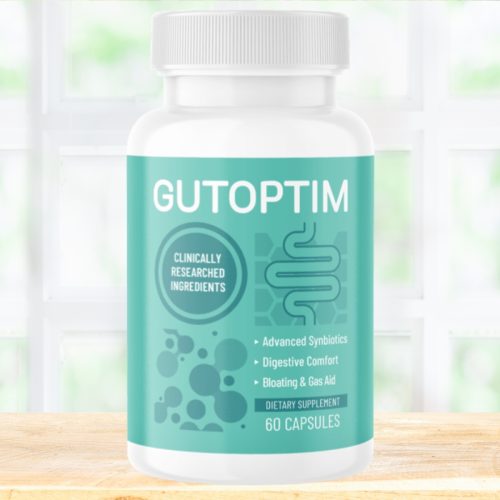
Discover the Honey Baking Soda Ritual, a trending wellness-inspired formula designed to support balanced daily living through a simple and convenient routine. Combining the natural sweetness of honey with the traditional household use of baking soda, this easy-to-follow ritual has gained attention among wellness enthusiasts seeking digestive comfort, hydration support, and mindful morning habits. Perfect for individuals looking to enhance their self-care routine naturally, the Honey Baking Soda Ritual fits seamlessly into modern wellness lifestyles. Crafted for those who value simplicity, affordability, and wellness-conscious living, this popular ritual offers a refreshing addition to your daily routine while encouraging healthier habits and consistent self-care practices.
Description
The internet has a way of turning simple kitchen ingredients into global wellness conversations almost overnight. One week it is lemon water. Another week it is apple cider vinegar. Recently, a new trend has captured attention across social media wellness communities, lifestyle blogs, and natural remedy discussions: the Honey Baking Soda Ritual.
Supporters describe it as a simple morning drink made with raw honey, baking soda, and warm water. Advocates claim the ritual may support digestion, provide a natural energy lift, help with occasional bloating, and fit into broader wellness-focused lifestyles. Others go much further, promoting dramatic claims involving metabolism, “alkalizing the body,” detoxification, or male vitality enhancement.
As with many viral health trends, separating evidence-based information from internet exaggeration is essential.
At Meridian Medical Centre, we believe wellness discussions should prioritize transparency, scientific context, and practical safety considerations. While honey and baking soda each have recognized culinary and traditional uses, there is currently limited direct clinical research evaluating the specific combination as a wellness ritual. That does not necessarily mean the practice is harmful for healthy adults when used moderately, but it does mean consumers should approach exaggerated claims carefully.
This article explores the Honey Baking Soda Ritual in detail, including:
- What the ritual actually is
- Why it became so popular online
- The nutritional and functional properties of honey
- What baking soda does in the body
- Potential digestive effects
- Safety considerations and possible risks
- Why “miracle cure” claims deserve skepticism
- How healthcare professionals evaluate wellness trends responsibly
By examining the available evidence and separating realistic possibilities from hype, readers can make more informed decisions about whether this ritual belongs in a balanced lifestyle.
What Is the Honey Baking Soda Ritual?
The Honey Baking Soda Ritual generally refers to a simple homemade drink prepared using:
- Warm water
- Raw honey
- Baking soda (sodium bicarbonate)
Most recipes recommend mixing a small amount of baking soda with a teaspoon of honey in warm water and drinking it either in the morning or before meals. Variations may include lemon juice, apple cider vinegar, ginger, or sea salt.
Online wellness communities often promote the ritual as part of broader “natural balance” routines focused on digestion, hydration, and mindful eating.
The trend gained significant traction across social media platforms where creators described the mixture as:
- A morning digestive reset
- A bloating support drink
- A natural energy ritual
- A “traditional” wellness remedy
- An alkaline-support beverage
Some articles and videos have attached far more dramatic promises to the mixture, including unsupported claims involving rapid fat loss, hormonal changes, or disease prevention. These statements should be approached cautiously because they are not supported by strong clinical evidence.
The popularity of the ritual reflects a broader consumer interest in low-cost wellness habits using familiar ingredients already present in many kitchens.
Why Wellness Rituals Become Viral
The Honey Baking Soda Ritual did not emerge in isolation. It belongs to a growing category of internet-driven wellness trends that combine simplicity, affordability, and emotionally appealing messaging.
There are several reasons these trends spread quickly:
Simplicity Feels Accessible
People are often drawn to wellness routines that feel manageable and inexpensive. A mixture containing ingredients found in most households appears more approachable than complicated supplement stacks or expensive health regimens.
Natural Ingredients Carry Emotional Appeal
Honey has a long history in culinary traditions and folk wellness practices around the world. Baking soda has similarly been used in cooking and household remedies for generations.
Because these ingredients feel familiar, many consumers perceive them as automatically safe or beneficial.
Social Media Rewards Fast Claims
Online algorithms tend to amplify dramatic claims, especially when paired with phrases such as:
- “Hidden secret”
- “Doctor doesn’t want you to know”
- “11-second trick”
- “Ancient ritual”
- “Morning reset”
Unfortunately, this environment can encourage oversimplified health messaging that ignores scientific nuance.
Wellness Culture Favors Daily Rituals
Modern wellness culture increasingly emphasizes routines rather than isolated products. Morning drinks, mindfulness practices, hydration habits, and sleep rituals all fit into this broader movement.
The Honey Baking Soda Ritual is often marketed not as medicine, but as part of a daily self-care structure.
Understanding Honey: More Than a Sweetener
Honey has been consumed for thousands of years across many cultures and remains one of the most studied natural sweeteners.
Raw honey contains:
- Natural sugars
- Trace minerals
- Antioxidants
- Amino acids
- Plant compounds
- Small amounts of enzymes
Research suggests honey may possess antioxidant and antimicrobial properties depending on its botanical source and processing method.
Honey and Energy
Honey primarily contains glucose and fructose, carbohydrates that provide a readily available source of energy.
Some individuals report that small amounts of honey before physical activity feel energizing because carbohydrates serve as fuel for the body.
However, honey should still be viewed as a form of sugar and consumed mindfully, especially by individuals monitoring blood glucose or overall carbohydrate intake.
Honey in Traditional Wellness Practices
Historically, honey has appeared in:
- Herbal teas
- Sore throat remedies
- Traditional digestive preparations
- Topical skincare mixtures
- Cultural healing traditions
Modern scientific research continues exploring honey’s characteristics, particularly related to wound care and antioxidant activity, though not all traditional claims are supported equally by evidence.
Raw Honey vs Processed Honey
Advocates of the Honey Baking Soda Ritual frequently recommend raw honey rather than heavily processed commercial honey because raw honey may retain more naturally occurring compounds and enzymes.
Still, “natural” does not automatically mean medically superior, and consumers should be cautious of exaggerated marketing language.
What Does Baking Soda Actually Do?
Baking soda, or sodium bicarbonate, is a chemical compound commonly used in baking, cleaning, and certain medical contexts.
Medically, sodium bicarbonate has recognized uses in acid neutralization.
Because it is alkaline, baking soda can temporarily neutralize stomach acid, which explains why it has historically appeared in remedies for occasional heartburn or indigestion.
Why Athletes Sometimes Use Sodium Bicarbonate
Sports science research has explored sodium bicarbonate for exercise performance because it may help buffer acid buildup during intense physical exertion.
Some endurance athletes use carefully measured bicarbonate supplementation protocols under supervision.
However, these uses involve highly specific dosing and are not the same as internet wellness drinks.
The “Alkalizing the Body” Claim
One of the most common internet claims surrounding baking soda involves “alkalizing the body.”
This concept is often misunderstood.
The human body already regulates blood pH very tightly through complex systems involving the lungs, kidneys, and other physiological processes. Healthy individuals cannot dramatically alter systemic body pH through occasional wellness drinks alone.
While baking soda can temporarily affect stomach acidity, this is not the same thing as fundamentally changing the body’s overall pH balance.
Healthcare professionals generally caution against oversimplified “alkaline cure” narratives.
Potential Digestive Effects of the Honey Baking Soda Ritual
Among all the claims surrounding the Honey Baking Soda Ritual, digestive comfort may be the most plausible reason some individuals report positive experiences.
Temporary Acid Neutralization
Because sodium bicarbonate neutralizes acid, some people may experience temporary relief from occasional indigestion or mild acid discomfort.
This effect helps explain why baking soda historically appeared in home remedies for heartburn.
However, regular or excessive use is not recommended without medical guidance because overuse may create complications.
Warm Water and Routine Effects
Many wellness rituals feel beneficial simply because they encourage:
- Morning hydration
- Slower eating habits
- Consistent routines
- Increased mindfulness
Warm water alone can sometimes feel soothing to the digestive system.
Honey and Palatability
Honey makes the drink easier to consume and may contribute to the perception of comfort or calmness due to its taste and texture.
Still, the ritual should not be viewed as a cure for chronic digestive disorders or gastrointestinal diseases.
Persistent digestive symptoms deserve proper medical evaluation.
The “Detox” Narrative: Important Context
A major reason wellness trends gain popularity is the promise of “detoxification.”
The Honey Baking Soda Ritual is frequently marketed online as a detox drink capable of cleansing the body.
This framing deserves careful clarification.
The Body Already Has Detoxification Systems
The body naturally removes waste through:
- The liver
- The kidneys
- The digestive system
- The lungs
- The skin
No evidence currently demonstrates that honey and baking soda dramatically “flush toxins” from healthy individuals in the way many internet claims suggest.
Why People Still Feel Better
Some individuals may genuinely report feeling lighter or more comfortable after starting the ritual. Possible explanations include:
- Better hydration
- Reduced overeating
- Morning routine consistency
- Temporary reduction in acid discomfort
- Placebo effects
- Increased attention to overall wellness habits
Feeling better does not necessarily confirm the dramatic biological mechanisms often promoted online.
The Rise of Male Vitality Claims
One particularly aggressive marketing angle surrounding the Honey Baking Soda Ritual targets men.
Certain online advertisements and viral videos suggest the mixture can rapidly improve:
- Testosterone
- Blood flow
- Stamina
- Performance
- Masculinity
These claims frequently rely on emotional marketing rather than strong clinical evidence.
Investigations into some viral “baking soda trick” promotions have raised concerns about misleading supplement funnels and exaggerated health claims.
Why Consumers Should Be Careful
Warning signs include:
- “Secret doctor formula” language
- Claims of guaranteed results
- Extreme percentage increases
- Fake celebrity endorsements
- Fake medical authority references
- Pressure-driven supplement upsells
Consumers should remember that no simple drink can replace:
- Sleep quality
- Nutrition
- Exercise
- Stress management
- Medical care
- Cardiovascular health
Healthcare professionals generally advise skepticism toward any viral wellness product promising dramatic hormonal or sexual performance transformations without credible evidence.
Safety Considerations and Potential Risks
Even simple kitchen ingredients can create risks when consumed improperly or excessively.
Sodium Intake
Baking soda contains sodium.
Too much sodium intake may be problematic for individuals with:
- High blood pressure
- Kidney disease
- Heart conditions
- Sodium-sensitive medical issues
Gastrointestinal Discomfort
Excessive baking soda consumption may cause:
- Gas
- Bloating
- Nausea
- Stomach discomfort
- Diarrhea
Tooth Enamel Concerns
Acidic or abrasive homemade mixtures may affect dental enamel over time depending on preparation methods and frequency. Some wellness articles recommend rinsing with water afterward.
Medication Interactions
Sodium bicarbonate can interact with certain medications by altering stomach acidity and absorption.
Individuals taking prescription medications should consult healthcare professionals before frequent use.
Not Appropriate for Everyone
Pregnant individuals, people with kidney disease, those on sodium-restricted diets, or individuals with chronic gastrointestinal conditions should seek medical advice before experimenting with frequent baking soda consumption.
Can the Ritual Support Weight Loss?
Weight-loss claims surrounding the Honey Baking Soda Ritual are widespread online.
Current evidence does not support the idea that the mixture directly burns fat or produces rapid body composition changes.
However, some individuals may perceive indirect benefits if the ritual encourages:
- Increased hydration
- Reduced sugary beverage consumption
- Better morning routines
- Greater dietary awareness
- Smaller meal portions
That is very different from claiming the mixture itself “melts fat.”
Responsible wellness communication should distinguish between supportive habits and exaggerated metabolic promises.
Why the Placebo Effect Matters in Wellness
The placebo effect is often misunderstood.
When people begin a wellness ritual with positive expectations, they may genuinely perceive improvements in mood, comfort, or energy.
This does not mean the experience is “fake.”
Human perception is influenced by many factors including:
- Stress reduction
- Routine consistency
- Expectations
- Attention to self-care
- Sleep quality
- Emotional state
The Honey Baking Soda Ritual may function psychologically as a mindfulness cue that encourages people to start their mornings more intentionally.
That alone can contribute to subjective feelings of wellness.
Evidence-Based Wellness vs Internet Hype
One of the biggest challenges in modern digital health culture is distinguishing:
- Traditional practices
- Preliminary science
- Personal anecdotes
- Viral marketing
- Evidence-based medicine
Not every wellness ritual needs to become a pharmaceutical intervention to have personal meaning.
At the same time, not every trending remedy deserves dramatic medical claims.
The most responsible approach lies somewhere in the middle:
- Stay curious
- Stay informed
- Avoid miracle-thinking
- Prioritize safety
- Understand limitations
A Balanced Way to View the Honey Baking Soda Ritual
For healthy adults, occasional use of a modest honey and baking soda drink may fit within broader wellness habits when approached responsibly.
However, it should not be viewed as:
- A cure
- A detox miracle
- A guaranteed metabolism booster
- A replacement for medical treatment
- A substitute for healthy lifestyle foundations
The strongest evidence-supported wellness strategies still include:
- Balanced nutrition
- Sleep
- Hydration
- Physical activity
- Stress management
- Preventive healthcare
- Evidence-based medical guidance
Simple rituals can feel comforting and meaningful, but sustainable health rarely comes from a single ingredient combination.
Practical Guidelines for Those Interested in Trying It
Individuals who still wish to experiment with the Honey Baking Soda Ritual may consider these practical guidelines:
- Use small amounts only
- Avoid excessive daily intake
- Choose quality ingredients
- Avoid replacing meals with the drink
- Monitor for digestive discomfort
- Speak with a healthcare professional if you have underlying conditions
- Avoid believing extreme online promises
Moderation matters.
Final Thoughts
The Honey Baking Soda Ritual reflects the modern intersection of traditional home remedies, social media wellness culture, and consumer interest in simple health practices.
Honey contains naturally occurring compounds that continue to interest researchers, while baking soda has legitimate uses related to acid neutralization. Together, the mixture may provide temporary digestive comfort or simply function as a calming morning ritual for some individuals.
But the internet often transforms modest possibilities into exaggerated promises.
There is currently no strong scientific evidence showing that the Honey Baking Soda Ritual can dramatically transform metabolism, reverse disease, or produce guaranteed performance enhancement.
Consumers deserve honest wellness communication rooted in balance rather than hype.
At Meridian Medical Centre, we encourage readers to approach wellness trends thoughtfully, prioritize evidence-based care, and remember that long-term health outcomes are usually built through consistent lifestyle habits—not miracle shortcuts.
The most sustainable wellness rituals are often the ones grounded in realism, moderation, and informed decision-making.