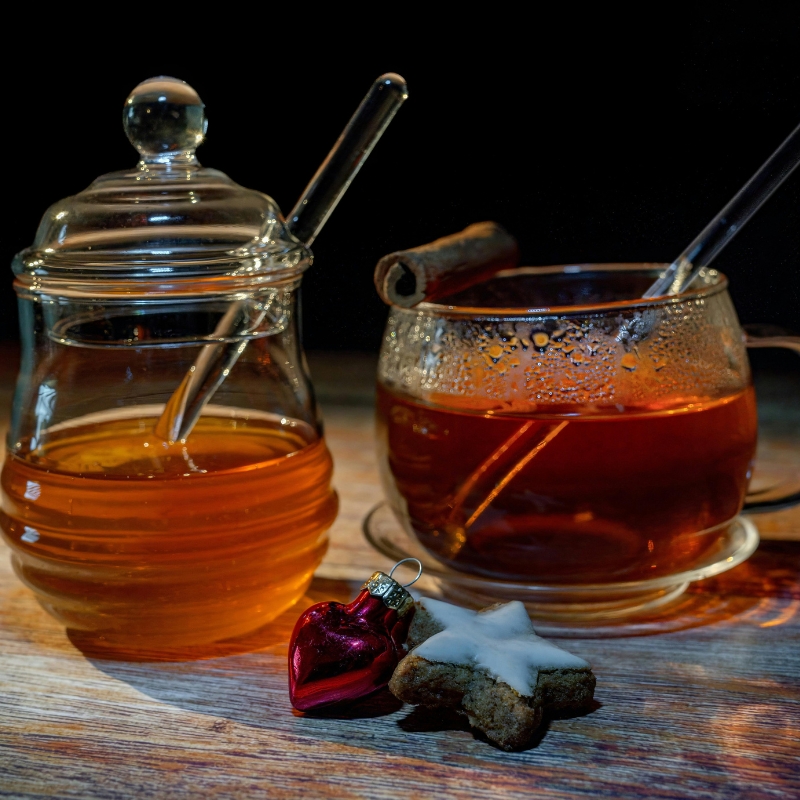
Discover the timeless appeal of the Honey-Cinnamon Ritual, a wellness-inspired practice designed to support mindfulness, balance, and intentional living. Combining the natural richness of honey with the warm aroma of cinnamon, this ritual is perfect for those seeking a comforting daily routine or a symbolic abundance practice. Ideal for morning wellness habits, meditation sessions, or self-care rituals, it offers a simple yet meaningful experience that promotes relaxation and positive energy. Crafted for wellness enthusiasts and spiritual lifestyle seekers alike, the Honey-Cinnamon Ritual blends tradition, warmth, and mindfulness into one easy-to-enjoy practice that fits seamlessly into modern routines.
Description
The Honey-Cinnamon Ritual has become one of the most talked-about wellness and spiritual practices online. From manifestation communities and holistic wellness blogs to TikTok spirituality and natural health discussions, people continue searching for ways to use honey and cinnamon for abundance, protection, energy cleansing, digestion, metabolism support, and emotional well-being.
But what exactly is the Honey-Cinnamon Ritual?
The answer depends on the tradition being discussed.
For some, it is a spiritual abundance ritual performed at the beginning of the month to invite prosperity, luck, and positive energy into the home. For others, it is a wellness tonic made from warm water, honey, and cinnamon that is consumed daily as part of a mindful health routine.
Although both practices use the same ingredients, they stem from very different intentions. One focuses on symbolic manifestation and energetic rituals, while the other centers on wellness habits and traditional nutritional practices.
This article explores the origins, symbolism, preparation methods, folklore, wellness perspectives, and scientific realities behind the Honey-Cinnamon Ritual. It also examines common misconceptions and explains how to practice the ritual safely and mindfully.
The Historical Roots of Honey and Cinnamon
Long before modern wellness culture adopted the Honey-Cinnamon Ritual, both ingredients carried deep symbolic and medicinal significance across civilizations.
Honey in Ancient Traditions
Honey has been treasured for thousands of years.
Ancient Egyptians used honey in spiritual ceremonies, medicinal preparations, and offerings to the gods. In Greek culture, honey symbolized immortality and divine nourishment. Ayurvedic traditions regarded honey as a sacred healing food capable of balancing bodily energies when used appropriately.
Across cultures, honey became associated with:
- Sweetness and attraction
- Prosperity and abundance
- Healing and vitality
- Fertility and love
- Divine blessings
Its golden color and natural preservation qualities made it a powerful symbol of continuity, life, and positive energy.
Cinnamon Through the Ages
Cinnamon was once more valuable than gold in certain trade regions.
In ancient China and Egypt, cinnamon was used in rituals, embalming practices, perfumes, and herbal preparations. Medieval traders transported cinnamon across continents, where it became associated with luxury, protection, and wealth.
In folklore and spiritual traditions, cinnamon commonly symbolized:
- Success
- Financial prosperity
- Passion
- Protection
- Cleansing negative energy
- Strength and vitality
Its warm aroma and rarity elevated its mystical reputation in many spiritual systems.
Understanding the Dual Nature of the Honey-Cinnamon Ritual
One reason the Honey-Cinnamon Ritual has become so popular is because it exists in two major forms:
- The Spiritual Ritual
- The Wellness Ritual
Although they share ingredients, their goals and methods differ significantly.
| Ritual Type | Primary Purpose | Common Practice |
|---|---|---|
| Spiritual Ritual | Manifestation, abundance, cleansing | Blowing cinnamon, honey jars, affirmations |
| Wellness Ritual | Daily wellness support | Drinking warm honey-cinnamon water |
Understanding this distinction is important because many online discussions blend spiritual folklore with health claims without clarification.
The Spiritual Honey-Cinnamon Ritual
What Is the Spiritual Ritual?
The spiritual Honey-Cinnamon Ritual is rooted in manifestation practices, folk spirituality, and symbolic intention-setting.
Practitioners believe cinnamon attracts prosperity and clears stagnant energy, while honey symbolizes sweetness, attraction, and harmony.
The ritual is often performed:
- On the first day of the month
- During a new moon
- Before major life transitions
- During manifestation practices
- As part of abundance-focused routines
It is commonly associated with intentional living rather than guaranteed supernatural outcomes.
The Monthly Cinnamon Blowing Ritual
The most popular version involves blowing cinnamon into the entrance of the home.
Why the Front Door Matters
In many traditions, the front door represents:
- Opportunity entering the home
- Energy exchange
- Financial flow
- Protection boundaries
- Invitations to abundance
Blowing cinnamon inward symbolically welcomes prosperity into one’s environment.
How to Perform the Cinnamon Blowing Ritual
Step 1: Gather Ingredients
You typically need:
- Ground cinnamon
- Optional raw honey
- A small bowl or spoon
- Optional candle or written affirmation
Some people add bay leaves, coins, or herbs, but cinnamon remains the central element.
Step 2: Set an Intention
The ritual is heavily intention-based.
Participants often reflect on:
- Financial goals
- Emotional healing
- Career advancement
- Relationship harmony
- Gratitude
- New beginnings
Mindfulness and focus are central components of the practice.
Step 3: Stand at the Entrance
Most practitioners stand outside the front door facing inward.
A small amount of cinnamon is placed in the dominant hand.
Step 4: Speak an Affirmation
Common affirmations include:
- “Abundance flows into this home.”
- “Prosperity and peace enter this space.”
- “May success and positive energy surround this household.”
Affirmations vary widely depending on personal beliefs.
Step 5: Blow the Cinnamon
The cinnamon is gently blown into the doorway and entrance area.
Some practitioners leave the cinnamon overnight or for 24 hours before sweeping.
Honey Jar Rituals
Another variation is the Honey Jar Ritual.
What Is a Honey Jar Ritual?
Honey jars are symbolic containers used in manifestation traditions. Participants place written intentions or symbolic items inside a jar filled with honey.
The ritual may focus on:
- Love
- Career success
- Harmony
- Financial abundance
- Self-confidence
Honey represents attraction and sweetness, while cinnamon intensifies energy and intention.
Common Honey Jar Ingredients
A typical jar may contain:
- Honey
- Cinnamon
- Written affirmations
- Herbs
- Flowers
- Coins
- Candles
- Names or symbolic objects
The ritual is symbolic and spiritual rather than medically therapeutic.
Cinnamon Baths and Cleansing Rituals
Some traditions also use cinnamon and honey in spiritual bathing practices.
These baths are believed to symbolize:
- Emotional cleansing
- Renewal
- Releasing negativity
- Attracting positive opportunities
Warm baths infused with cinnamon sticks, honey, and herbs are often used during meditation or reflective practices.
The Wellness Honey-Cinnamon Ritual
The wellness version focuses on health-oriented routines rather than spiritual symbolism.
The Honey-Cinnamon Drink
This preparation usually consists of:
- Warm water
- Honey
- Cinnamon
Some people drink it daily as part of a morning or nighttime wellness routine.
Online discussions frequently claim the drink may support:
- Digestion
- Metabolism
- Satiety
- Immune support
- Blood sugar balance
- Relaxation
However, many exaggerated claims circulating online lack strong scientific evidence.
How to Prepare the Honey-Cinnamon Wellness Drink
Ingredients
- 1 cup warm water
- 1 teaspoon raw honey
- ½ teaspoon cinnamon
Ceylon cinnamon is generally preferred for frequent use because it contains lower levels of coumarin compared to Cassia cinnamon.
Preparation Steps
- Heat water until warm but not boiling.
- Add cinnamon and stir thoroughly.
- Allow the water to cool slightly.
- Add honey after cooling to preserve its natural compounds.
- Drink slowly and mindfully.
Some individuals consume it before breakfast or before bedtime.
Why People Believe in the Wellness Ritual
The popularity of the drink largely comes from the individual properties of honey and cinnamon.
Honey’s Nutritional Properties
Honey contains:
- Antioxidants
- Trace minerals
- Natural sugars
- Plant compounds
Research has explored honey’s antimicrobial and soothing properties, particularly in certain topical uses and throat comfort applications.
Cinnamon’s Potential Properties
Studies have investigated cinnamon for:
- Antioxidant activity
- Anti-inflammatory effects
- Blood sugar regulation support
- Digestive support
However, results vary depending on dosage, cinnamon type, and individual health conditions.
The Difference Between Ceylon and Cassia Cinnamon
This distinction is extremely important.
Cassia Cinnamon
Cassia is the most common grocery-store cinnamon.
It contains higher levels of coumarin, a naturally occurring compound that may be harmful in excessive amounts over time.
Ceylon Cinnamon
Ceylon cinnamon is often called “true cinnamon.”
It contains significantly lower coumarin levels and is generally preferred for regular dietary use.
For wellness routines involving frequent cinnamon consumption, many health experts recommend Ceylon cinnamon.
The Psychology Behind Rituals
Part of the ritual’s appeal may come from the psychological benefits of intentional routines.
Why Rituals Feel Powerful
Rituals can help create:
- Structure
- Mindfulness
- Emotional grounding
- Goal clarity
- Reduced stress
- Increased motivation
Whether spiritual or wellness-focused, rituals often encourage reflection and consistency.
Manifestation and Intention-Setting
Many people connect the Honey-Cinnamon Ritual to manifestation practices.
What Is Manifestation?
Manifestation generally refers to intentional goal focus combined with aligned actions and mindset.
Supporters believe rituals help reinforce:
- Positive thinking
- Motivation
- Emotional clarity
- Self-discipline
However, manifestation practices should not be viewed as guaranteed methods for obtaining wealth, health, or success.
Separating Symbolism from Scientific Claims
One of the biggest issues online is the blending of folklore with unsupported medical claims.
Important Clarification
There is no scientific evidence proving that honey and cinnamon together can:
- Cure diseases
- Dramatically melt fat
- Guarantee wealth
- Detoxify the body
- Replace medical treatment
Responsible wellness content should avoid presenting rituals as medical solutions.
Common Online Claims About Honey and Cinnamon
Claim: “It Burns Belly Fat Overnight”
There is no strong scientific evidence supporting dramatic weight-loss claims.
Sustainable weight management generally depends on:
- Nutrition
- Sleep
- Physical activity
- Stress management
- Medical guidance when appropriate
Honey-cinnamon drinks should not be promoted as miracle weight-loss solutions.
Claim: “It Detoxifies the Body”
The human body already contains built-in detoxification systems involving the liver and kidneys.
While hydration and balanced nutrition support normal bodily functions, no evidence proves honey-cinnamon drinks “flush toxins” in the exaggerated ways often claimed online.
Claim: “It Cures Illnesses”
Honey and cinnamon should not be presented as cures for chronic conditions or infections.
Any wellness article making therapeutic claims should encourage readers to consult qualified healthcare professionals.
The Role of Mindfulness in the Ritual
Despite the exaggerated claims online, the ritual may still hold personal value for many individuals.
Mindful Wellness Practices
The ritual can serve as:
- A calming morning routine
- A gratitude exercise
- A reflective practice
- A symbolic reset
- A stress-reduction habit
Mindfulness itself may support emotional well-being when practiced consistently.
Cultural and Spiritual Influences
The Honey-Cinnamon Ritual draws from multiple traditions rather than one single origin.
Influences may include:
- Folk spirituality
- Herbal traditions
- Hoodoo-inspired practices
- Wellness culture
- Ayurveda
- Modern manifestation communities
Because traditions vary widely, there is no universally “correct” way to perform the ritual.
Social Media and the Rise of Ritual Trends
The ritual gained massive visibility through social platforms.
Why It Went Viral
The practice appeals to audiences because it combines:
- Simplicity
- Symbolism
- Aesthetic presentation
- Wellness culture
- Spiritual curiosity
Videos showing cinnamon-blowing rituals and honey wellness drinks often attract millions of views.
However, viral popularity does not equal scientific validation.
Safety Considerations
Although honey and cinnamon are common household ingredients, there are still safety considerations.
Cinnamon Safety
Excessive cinnamon intake may cause issues due to coumarin exposure, particularly with Cassia cinnamon.
People with liver conditions or medication concerns should speak with healthcare professionals before consuming large amounts regularly.
Honey Safety
Honey should never be given to infants under one year old because of the risk of infant botulism.
Individuals with allergies or blood sugar concerns should also exercise caution.
Can the Ritual Replace Medical Care?
No.
The Honey-Cinnamon Ritual should not replace:
- Professional medical treatment
- Prescribed medications
- Mental health support
- Nutritional counseling
- Evidence-based healthcare
Responsible wellness practices work best alongside informed healthcare decisions.
Creating a Personal Honey-Cinnamon Ritual
Many people customize the ritual according to personal goals and beliefs.
Example Morning Wellness Ritual
Some individuals combine:
- Warm honey-cinnamon water
- Journaling
- Meditation
- Gratitude exercises
- Goal setting
The routine becomes less about magical outcomes and more about intentional self-care.
Example Monthly Abundance Ritual
A simple abundance ritual might include:
- Cleaning the home
- Lighting a candle
- Reflecting on goals
- Blowing cinnamon into the doorway
- Writing monthly intentions
This type of practice can create emotional focus and motivation.
Why Rituals Continue to Matter
Humans have practiced rituals for centuries.
Rituals help people:
- Navigate uncertainty
- Mark transitions
- Build hope
- Strengthen habits
- Create meaning
Even simple symbolic actions can feel emotionally grounding during stressful periods.
Ethical Wellness Content Matters
Because honey-cinnamon rituals are often discussed in wellness spaces, responsible content creation is essential.
Best Practices for Wellness Discussions
Content should:
- Avoid miracle claims
- Distinguish folklore from science
- Include safety context
- Encourage professional medical guidance
- Avoid exaggeration
- Use balanced language
This is especially important in health-related content categories where accuracy and trust are critical.
Frequently Asked Questions
What is the Honey-Cinnamon Ritual?
The Honey-Cinnamon Ritual generally refers to either a spiritual abundance practice involving cinnamon and intention-setting or a wellness drink made with honey and cinnamon.
Does the ritual really attract abundance?
The ritual is symbolic and intention-based. There is no scientific evidence proving it can directly create wealth or success.
Is the honey-cinnamon drink healthy?
Honey and cinnamon contain compounds that have been studied for various wellness-related properties, but the drink should not be viewed as a cure or miracle remedy.
What type of cinnamon is best?
Ceylon cinnamon is often preferred for regular use because it contains lower coumarin levels than Cassia cinnamon.
Can the ritual help with weight loss?
There is no strong evidence showing that honey and cinnamon alone produce significant weight loss.
How often should the ritual be performed?
Spiritual rituals are often done monthly, while wellness drinks may be consumed occasionally or daily depending on personal preference and dietary considerations.
Final Thoughts
The Honey-Cinnamon Ritual sits at the intersection of ancient symbolism, wellness culture, mindfulness, and modern manifestation practices.
For some people, it is a meaningful spiritual tradition centered on abundance and intentional living. For others, it is simply a comforting wellness beverage incorporated into a balanced routine.
Its true power may not lie in supernatural guarantees or miracle health claims, but rather in the human desire for reflection, hope, consistency, and emotional grounding.
When approached responsibly, the ritual can serve as a mindful personal practice — one rooted in symbolism, tradition, and intentionality rather than unrealistic promises.
As with all wellness practices, balance, critical thinking, and evidence-based awareness remain essential.
Related products
-
Sale!
NutraVantix Vital Beef Complex
Original price was: $89.99.$59.99Current price is: $59.99. Buy From The Official Website -
Moon Juice Sleepy Girl Mocktail
Buy From The Official Website -
Sale!
Desert Farms Camel Milk
Original price was: $120.00.$102.00Current price is: $102.00. Buy From The Official Website -
Sahara Supplements
$49.97 Buy From The Official Website