Original price was: $352.00.$229.00Current price is: $229.00.
Description
In recent years, consumer health technology has expanded rapidly, offering individuals greater insight into their physiological data from the comfort of home. Devices such as the Hume Health Body Pod aim to provide detailed body composition metrics beyond simple weight measurement. As interest grows in preventative health and natural wellness strategies, understanding how such tools fit into an evidence-informed healthcare approach becomes increasingly important.
At MeridianMedicalCentre.com, we evaluate health technologies through a balanced lens—examining what the science supports, what remains emerging, and how tools may complement (but not replace) conventional medical care.
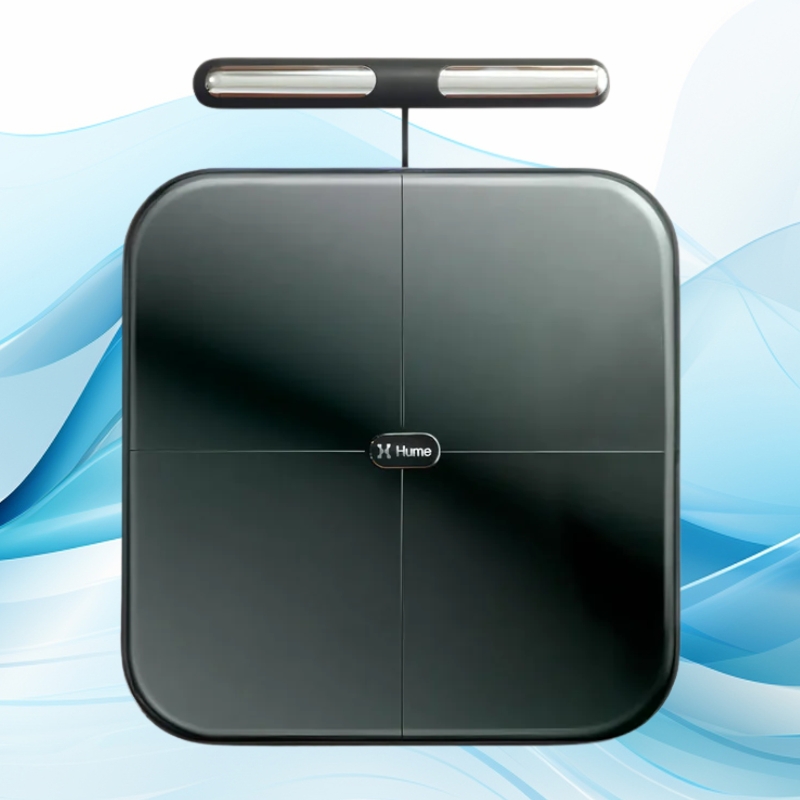
What Is the Hume Health Body Pod?
The Hume Health Body Pod is a multi-sensor body composition analyzer that uses bioelectrical impedance analysis (BIA) technology to estimate various physiological metrics. Unlike traditional bathroom scales, which measure only total body weight, this device aims to provide a broader picture of body composition, including:
-
Body fat percentage
-
Skeletal muscle mass
-
Visceral fat estimates
-
Total body water
-
Bone mass estimates
-
Basal metabolic rate (BMR)
-
Metabolic age
-
Segmental analysis (arms, legs, trunk)
The device incorporates multiple contact points—typically foot and hand electrodes—to create a more complete impedance reading compared to lower-body-only smart scales. Measurements sync with a companion app that tracks trends over time.
It is important to note that the Body Pod is a consumer wellness device and not a diagnostic medical instrument.
How Bioelectrical Impedance Analysis Works
Bioelectrical impedance analysis functions by sending a very low, safe electrical signal through the body. Different tissues conduct electricity differently:
-
Lean tissue, which contains more water and electrolytes, conducts signals more efficiently.
-
Fat tissue, which contains less water, resists the electrical current.
By measuring resistance (impedance), the device estimates proportions of fat mass, lean mass, and body water.
Scientific Context
BIA has been studied extensively in research and clinical settings. While not as precise as dual-energy X-ray absorptiometry (DEXA) or MRI scanning, multi-frequency, multi-segment BIA devices can provide reasonably consistent trend data when used under standardized conditions.
However, BIA accuracy may be influenced by:
-
Hydration status
-
Recent food intake
-
Exercise timing
-
Skin temperature
-
Menstrual cycle variations
For this reason, healthcare professionals generally recommend focusing on longitudinal trends rather than single-day readings.
Why Body Composition Matters in Preventative Health
From a clinical perspective, body composition provides more meaningful insight than weight alone.
1. Muscle Mass and Metabolic Health
Skeletal muscle plays a central role in glucose regulation, metabolic rate, and overall functional capacity. Declining muscle mass (sarcopenia) is associated with aging, chronic disease progression, and reduced metabolic resilience.
Monitoring lean mass trends may help individuals and clinicians identify early changes that warrant nutritional or activity-based interventions.
2. Visceral Fat and Cardiometabolic Risk
Visceral fat surrounds internal organs and is metabolically active. Elevated visceral fat levels are associated with increased cardiovascular and metabolic risk factors.
While BIA devices estimate visceral fat indirectly, tracking changes over time may provide supportive information in lifestyle management programs.
3. Hydration and Fluid Balance
Total body water measurements may help individuals become more aware of hydration patterns. However, individuals with fluid balance disorders—such as kidney or heart conditions—should interpret such readings cautiously and consult healthcare providers.
How the Hume Health Body Pod May Complement Conventional Care
It is essential to frame consumer health devices appropriately. The Hume Health Body Pod does not diagnose disease, treat medical conditions, or replace laboratory testing. However, it may complement traditional care in several ways:
Supporting Lifestyle Programs
Individuals working with healthcare providers on weight management, strength-building, or metabolic optimization programs may use body composition tracking as an accountability and feedback tool.
Encouraging Data-Driven Awareness
The act of monitoring metrics can increase engagement with health behaviors. Seeing trends in muscle mass or body fat may reinforce adherence to exercise or dietary plans.
Facilitating Provider Conversations
Longitudinal data can provide context during medical appointments, helping patients and clinicians discuss patterns rather than relying solely on weight or subjective impressions.
What the Body Pod Does Not Replace
While the device provides detailed metrics, it does not substitute for:
-
Blood work assessing cholesterol, glucose, kidney function, or hormones
-
Imaging studies
-
Clinical physical examinations
-
Professional nutritional assessments
For individuals managing chronic conditions such as diabetes, cardiovascular disease, or kidney disorders, physician-guided monitoring remains essential.
Evaluating Manufacturer Claims Responsibly
Like many health technology brands, Hume Health markets its device as offering advanced insights and high accuracy compared to traditional scales.
When evaluating such claims, it is helpful to consider:
-
Whether validation studies are peer-reviewed
-
How accuracy compares to clinical reference standards
-
Whether claims refer to trend consistency or absolute precision
Consumers should understand that even advanced BIA devices produce estimates—not definitive measurements.
Transparency and realistic expectations are key components of ethical health education.
Practical Recommendations for Responsible Use
For those considering incorporating the Hume Health Body Pod into their wellness routine, the following evidence-informed guidelines may help improve reliability:
-
Measure at the same time of day, ideally in the morning before eating.
-
Avoid measuring immediately after exercise.
-
Maintain consistent hydration habits.
-
Focus on monthly trends rather than daily fluctuations.
-
Share data with your healthcare provider if managing chronic conditions.
These steps can help reduce variability and improve interpretability.
Natural Wellness Integration: A Balanced Perspective
The Body Pod may support holistic wellness efforts when integrated into broader lifestyle strategies, including:
-
Nutrient-dense, balanced eating patterns
-
Regular resistance and cardiovascular exercise
-
Stress management practices
-
Sleep optimization
-
Preventative medical screenings
Technology can enhance awareness—but sustainable health outcomes depend on consistent behavioral patterns supported by clinical guidance.
Who May Benefit Most from Body Composition Tracking?
The device may be particularly useful for:
-
Individuals pursuing structured fitness or strength programs
-
Those focusing on metabolic health improvement
-
Adults seeking more insight than weight alone provides
-
People motivated by measurable progress tracking
Conversely, individuals prone to anxiety around body metrics or those with eating disorders should approach body composition tracking cautiously and under professional supervision.
Ethical Considerations in Consumer Health Technology
As health technologies become more accessible, ethical communication becomes increasingly important. Devices should:
-
Avoid exaggerated medical claims
-
Clearly define limitations
-
Encourage medical consultation when appropriate
-
Promote realistic, sustainable expectations
Empowerment through education—not fear or unrealistic promises—remains the cornerstone of responsible health communication.
Final Thoughts
The Hume Health Body Pod represents a modern advancement in consumer-accessible body composition analysis. By offering detailed estimates of muscle mass, fat distribution, hydration, and metabolic parameters, it may serve as a valuable self-monitoring tool for individuals committed to holistic wellness.
However, its data should be interpreted within context. It is a supportive measurement device—not a diagnostic instrument or medical treatment.
When integrated thoughtfully alongside professional healthcare guidance, evidence-based nutrition, physical activity, and preventative care, body composition tracking can contribute to informed, proactive health management.
At MeridianMedicalCentre.com, we encourage readers to use wellness technologies as complementary tools—anchored in scientific understanding, realistic expectations, and collaboration with qualified healthcare professionals.
Related products
-
Sale!
BioniciGym
Original price was: $57.00.$45.00Current price is: $45.00. Buy From The Official Website -
Sale!
Arrae Tone Gummies
Original price was: $55.00.$49.50Current price is: $49.50. Buy From The Official Website -
FrexStrap
$34.95 Buy From The Official Website -
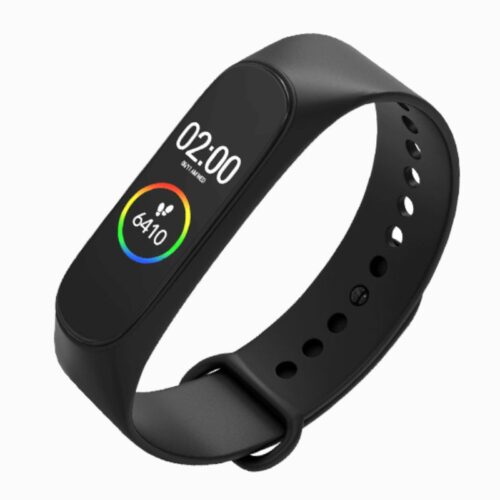
Omnitecc Smart Fitness Tracker
$149.75 Buy From The Official Website