
Hypochlorous Acid (HOCl) is a gentle, skin-friendly solution designed to support daily hygiene and cleanliness. Inspired by the body’s natural defense system, this formula helps reduce unwanted microbes while remaining non-irritating for sensitive skin. Ideal for use on the face, hands, and surfaces, it offers a convenient, multi-purpose option for modern lifestyles. Unlike harsh chemicals, HOCl works effectively without strong odors or residue, making it suitable for everyday use. Whether you’re looking to refresh your skincare routine or maintain a cleaner environment, this versatile solution delivers a balance of performance and comfort you can rely on.
Description
Hypochlorous acid (HOCl) has rapidly gained attention across healthcare, skincare, and sanitation industries. From wound care solutions and dermatology sprays to hospital-grade disinfectants, this molecule sits at the intersection of biology and chemistry in a way few compounds do.
What makes HOCl unique isn’t just its effectiveness—it’s that your own body already produces it as part of your immune defense system.
In this in-depth guide, we’ll break down:
- What hypochlorous acid is
- How your body naturally produces it
- How it works against microbes
- Its real-world applications (skincare, wound care, sanitation, and more)
- Safety, limitations, and regulatory considerations
What Is Hypochlorous Acid?
Hypochlorous acid (HOCl) is a naturally occurring molecule composed of hydrogen, oxygen, and chlorine. It is produced by white blood cells as part of the body’s immune response to invading pathogens like bacteria, viruses, and fungi.
Unlike many synthetic disinfectants, HOCl is classified as a human metabolite, meaning it is already part of normal biological processes.
This biological origin is one of the main reasons HOCl is widely studied for applications that require both antimicrobial action and tissue compatibility.
How Your Body Produces HOCl
When harmful microorganisms enter the body, immune cells called neutrophils are activated. These cells generate hypochlorous acid as part of a chemical defense mechanism designed to neutralize threats.
Inside neutrophils:
- Enzymes trigger reactions involving chloride ions
- HOCl is produced as a reactive antimicrobial agent
- It is released at infection sites to destroy pathogens
This process is part of what’s known as the oxidative burst, a rapid immune response that helps contain infections early.
Because HOCl is already used internally by the body, it is generally better tolerated on skin and tissues compared to harsher synthetic antiseptics.
How Hypochlorous Acid Kills Bacteria and Viruses
HOCl works by disrupting essential biological functions in microorganisms.
1. Protein Destruction
HOCl causes proteins inside microbes to lose their structure (denaturation). Without functional proteins, cells cannot survive or reproduce.
2. Oxidative Damage
It damages:
- Cell membranes
- DNA
- Enzymes
3. Biofilm Disruption
Biofilms are protective layers that bacteria form to resist antibiotics. HOCl can:
- Break down biofilm structures
- Reduce bacterial communication systems
- Weaken microbial defense mechanisms
In laboratory wound models, HOCl has been shown to significantly reduce bacterial load and disrupt biofilm infrastructure.
HOCl vs. Bleach: What’s the Difference?
HOCl is chemically related to bleach (sodium hypochlorite), but they behave very differently.
| Feature | Hypochlorous Acid (HOCl) | Bleach (Sodium Hypochlorite) |
|---|---|---|
| pH | Near neutral | Highly alkaline |
| Skin compatibility | Generally well tolerated | Irritating/caustic |
| Stability | Low | High |
| Antimicrobial potency | High (per molecule) | Lower |
HOCl is significantly more effective molecule-for-molecule at neutral pH, while bleach is more stable but harsher on tissues.
How Commercial HOCl Is Made
Outside the body, HOCl is produced through electrolysis of saltwater.
The process:
- Salt (NaCl) is dissolved in water
- Electrical current splits the molecules
- HOCl forms on one side of the system
- Sodium hydroxide forms on the other side
A specialized membrane separates these outputs to maintain purity.
This method allows for:
- Large-scale industrial production
- On-site generation (hospitals, clinics)
- Smaller consumer-grade devices
Key Uses of Hypochlorous Acid
1. Skincare and Dermatology
HOCl has become increasingly popular in skincare products, especially for individuals with sensitive or acne-prone skin.
Potential roles include:
- Reducing bacteria associated with acne
- Supporting skin barrier recovery
- Calming inflammation
Dermatology references suggest HOCl may be used alongside existing routines for conditions like:
- Acne
- Eczema
- Irritated or compromised skin
However, outcomes depend heavily on formulation, concentration, and frequency of use.
2. Wound Care
One of the most studied applications of HOCl is in wound management.
Chronic wounds often contain:
- Resistant bacterial colonies
- Biofilms that limit healing
HOCl solutions have been explored for:
- Cleaning wounds
- Reducing microbial load
- Supporting healing environments
Research suggests HOCl may help disrupt biofilms and reduce bacterial activity in wound settings.
3. Medical Device Disinfection
Certain HOCl systems are used in healthcare settings for disinfecting reusable equipment.
Examples include:
- Endoscopes
- Surgical tools
These systems may operate at higher concentrations and have been evaluated for high-level disinfection within controlled environments.
4. Eye and Eyelid Hygiene
HOCl sprays are sometimes used as part of hygiene routines for conditions like blepharitis.
In clinical settings:
- Low-concentration HOCl solutions have been used alongside other treatments
- Improvements in symptoms such as irritation and redness have been observed
Important: These uses are typically adjunctive, not standalone treatments.
5. Oral and Dental Applications
HOCl is being studied for:
- Oral rinses
- Dental equipment sanitation
Some findings suggest it may reduce microbial presence quickly under controlled conditions.
6. Surface Disinfection
HOCl is widely used as a disinfectant for:
- Household surfaces
- Food preparation areas
- Healthcare environments
Its appeal includes:
- Broad-spectrum antimicrobial activity
- Lower irritation compared to traditional chemicals
Benefits of Hypochlorous Acid
1. Broad Antimicrobial Activity
Effective against:
- Bacteria
- Viruses
- Fungi
2. Biocompatibility
Because it is naturally produced by the body, HOCl is generally well tolerated when properly formulated.
3. Versatility
Used across:
- Healthcare
- Skincare
- Sanitation
4. Reduced Chemical Harshness
Compared to alcohol or bleach-based disinfectants, HOCl may be less irritating under appropriate conditions.
Limitations and Challenges
1. Stability Issues
HOCl breaks down quickly, especially at neutral pH.
At room temperature:
- Shelf life can be very short (hours in some conditions)
Factors affecting stability:
- Light exposure
- Temperature
- pH level
2. Concentration Sensitivity
Higher concentrations may increase antimicrobial activity but also increase the risk of tissue irritation.
Balance is critical.
3. Storage Requirements
Most HOCl products require:
- Cool storage
- Protection from light
- Limited shelf life
Safety Considerations
Hypochlorous acid is generally considered safe when used as directed, but:
- Not all products are formulated equally
- Concentration and pH matter significantly
- Some uses require medical supervision
Important Notes:
- Do not assume all HOCl products are interchangeable
- Medical or ophthalmic uses should follow professional guidance
- Claims of “curing” or “treating” conditions should be evaluated carefully
Is Hypochlorous Acid FDA Approved?
This is often misunderstood.
- Certain HOCl-based systems are cleared for specific medical or disinfection uses
- This does NOT mean all consumer HOCl products are FDA-approved for treatment
Always distinguish:
- Device/system clearance
vs. - General product marketing claims
Future of Hypochlorous Acid
Research continues in areas such as:
- Chronic wound management
- Infection control
- Dermatological applications
- Biofilm disruption technologies
As antibiotic resistance becomes a growing concern, compounds like HOCl are being explored for their potential role in reducing reliance on traditional antibiotics.
Final Thoughts
Hypochlorous acid is a rare example of a compound that bridges natural biology and modern science. Produced by your own immune system and replicated through simple chemistry, it offers a compelling combination of antimicrobial activity and biological compatibility.
However, like many powerful tools, its effectiveness depends on:
- Proper formulation
- Appropriate concentration
- Correct use case
Understanding these factors is essential for evaluating any HOCl-based product or claim.
Related products
-
Sale!
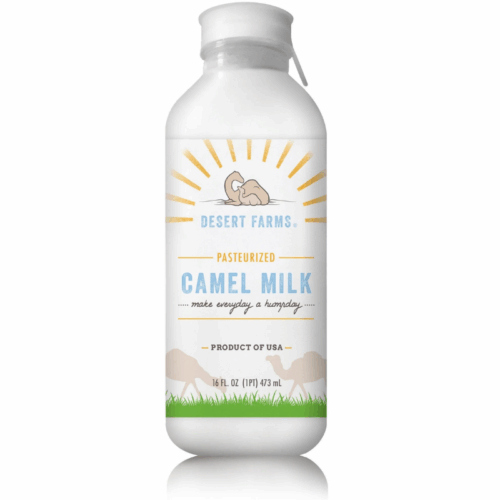
Desert Farms Camel Milk
Original price was: $120.00.$102.00Current price is: $102.00. Buy From The Official Website -
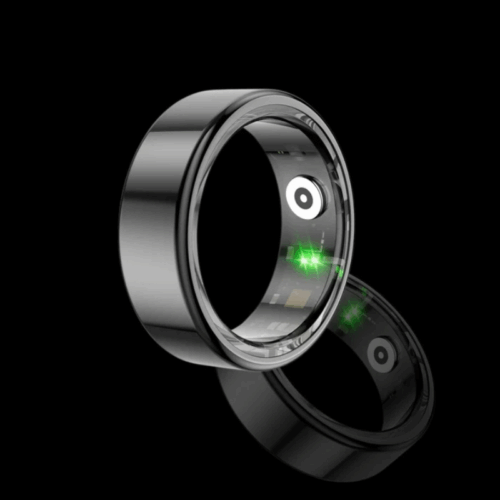
Aurora Ring Blood Pressure
$39.99 Buy From The Official Website -
Sale!
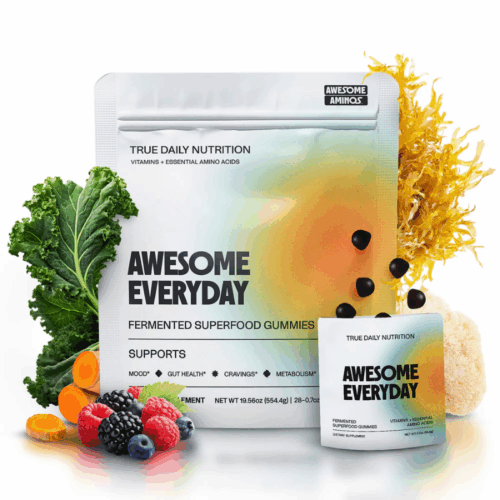
Awesome Aminos Awesome Everyday
Original price was: $70.00.$59.00Current price is: $59.00. Buy From The Official Website -
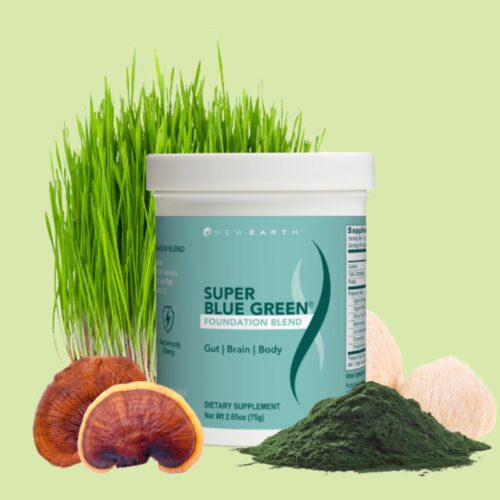
New Earth Super Blue Green
$39.99 Buy From This Website