
The InnoMedix Berberine + Matrixyl 3000 Patch is a convenient once-daily wearable designed for adults exploring a simple addition to their wellness routine. According to product marketing, the patch combines berberine with Matrixyl 3000 in a nano microneedle-style format, with positioning around metabolic wellness, weight-management goals, and smoother-looking skin. Its wearable design may appeal to customers who prefer patches over traditional capsules or powders. Easy to incorporate into a busy lifestyle, InnoMedix offers a distinctive approach to everyday wellness support. Individual results vary, and product-specific absorption and health benefits have not been independently established. Review ingredients and directions before use.
Description
The InnoMedix Berberine + Matrixyl 3000 Patch sits at the intersection of several increasingly visible wellness trends: berberine supplements, wearable patches, microneedle delivery systems, metabolic-health products, and cosmetic peptides.
That combination naturally attracts attention. A patch can sound more convenient than swallowing capsules every day, while terms such as “nano,” “microneedle,” “berberine,” and “Matrixyl 3000” can give a product a distinctly technical appearance.
But those terms also raise an important question:
What has actually been demonstrated for the InnoMedix Berberine + Matrixyl 3000 Patch itself, and what comes from research involving individual ingredients or entirely different delivery technologies?
That distinction matters.
Based on promotional commentary reviewed for this article, the product has been described as an “advanced nano micro needle patch” associated with weight management, metabolic support, blood sugar balance, lymphatic drainage, and smoother-looking skin. The same source discusses berberine and Matrixyl 3000, once-daily use, relatively large patches, and positioning toward adults age 35 and older.
Those statements should currently be regarded as descriptions of how the product is being marketed—not independently established medical outcomes.
Our research did not identify adequate evidence establishing that this particular finished patch produces clinically meaningful weight loss, controls blood glucose, improves lymphatic function, or delivers its ingredients through human skin at therapeutically meaningful concentrations.
That does not mean every idea behind the product is scientifically implausible. Berberine is a genuinely researched botanical compound. Microneedle-assisted drug delivery is a legitimate field of pharmaceutical research. Matrixyl 3000 contains peptides used primarily in cosmetic skin-care research.
The critical issue is whether those separate pieces of science can legitimately be combined to establish what this particular consumer patch does.
At present, that connection requires much more evidence.
Medical disclaimer: This article is provided for educational and informational purposes and does not constitute medical advice, diagnosis, or treatment. Dietary supplements, cosmetic products, patches, and other wellness products should not be used as substitutes for medical care. People taking medication, managing diabetes or another medical condition, or who are pregnant or breastfeeding should discuss berberine-containing products and unfamiliar transdermal products with an appropriately qualified healthcare professional.
TL;DR: What Should Consumers Know About the InnoMedix Berberine + Matrixyl 3000 Patch?
The InnoMedix Berberine + Matrixyl 3000 Patch is being discussed online as a wearable product combining berberine with Matrixyl 3000 and purported microneedle or nano-delivery technology.
There are several reasons to evaluate those claims carefully.
First, research on oral berberine cannot automatically establish the effects of berberine delivered through a consumer patch.
The National Center for Complementary and Integrative Health (NCCIH) reports that research examining berberine and body weight has produced inconsistent findings. Some effects have been observed in studies using higher oral doses for longer periods, but NCCIH concludes that additional high-quality research is necessary before firm conclusions about weight and BMI can be made.
Second, microneedle delivery itself is scientifically legitimate, but the performance of a microneedle system depends on its engineering. Needle dimensions, materials, drug concentration, dissolution characteristics, skin penetration, stability, and actual systemic exposure can all matter.
A 2025 drug-delivery study, for example, specifically investigated microneedle-mediated delivery involving berberine chloride. That demonstrates that researchers are exploring this delivery problem; it does not demonstrate that the InnoMedix patch uses equivalent technology or achieves comparable delivery.
Third, Matrixyl 3000 belongs primarily to the cosmetic peptide conversation. Published literature describes it as a combination involving palmitoyl tripeptide-1 and palmitoyl tetrapeptide-7 and discusses topical applications related to the appearance of skin.
That should not be confused with evidence that Matrixyl 3000 contributes to weight loss, blood glucose management, or systemic metabolic effects.
Finally, references to “FDA,” quality logos, registration language, or manufacturing symbols should never automatically be interpreted as proof that a product is FDA-approved for weight loss. FDA explains that dietary supplements do not undergo FDA approval for safety and effectiveness before marketing, while products intended to treat disease or exert certain physiological effects can fall under different regulatory requirements.
For the InnoMedix patch specifically, consumers would ideally want to see a complete ingredient disclosure, amounts per patch, precise directions, contraindications, manufacturer information, testing documentation, delivery studies, and human research on the finished formulation before drawing strong conclusions.
What Is the InnoMedix Berberine + Matrixyl 3000 Patch?
The source material examined for this review describes InnoMedix as a once-daily wearable patch containing berberine and Matrixyl 3000.
It is reportedly marketed around several areas:
weight management, metabolic support, blood sugar balance, lymphatic drainage, and smoother-looking skin.
Those categories encompass very different biological systems.
That alone deserves attention.
Skin appearance is principally a dermatologic and cosmetic issue. Blood glucose regulation involves endocrine and metabolic physiology. Body-weight change depends on energy intake, expenditure, metabolism, behavior, health conditions, medications, and numerous other factors. The lymphatic system performs functions involving fluid balance and immune physiology.
A product marketed across all of those categories needs evidence appropriate to each claim.
Ingredient recognition is not enough.
For example, showing that berberine has been investigated orally does not prove that an unspecified quantity delivered from a patch enters circulation at an effective concentration. Likewise, showing that Matrixyl peptides have cosmetic research behind them does not establish metabolic activity.
The central research question therefore isn’t simply:
“Are berberine and Matrixyl 3000 real ingredients?”
They are.
The more useful question is:
What evidence demonstrates that these ingredients, at the concentrations and through the delivery system used by InnoMedix, produce the outcomes associated with the product?
That is where publicly verifiable information currently appears much thinner.
Why Berberine Has Become So Popular in Weight-Management Marketing
Berberine is not a newly invented weight-loss ingredient.
It is a naturally occurring compound found in several plants and has a substantial history of investigation across metabolic research.
Its recent popularity, however, has expanded far beyond the scientific literature.
Social-media discussions have sometimes portrayed berberine as a simple natural alternative to modern prescription weight-management medications. That comparison can be misleading.
Berberine and prescription GLP-1 receptor agonists are not interchangeable therapies, and evidence for one cannot be transferred to the other.
NCCIH has specifically examined the question of berberine and weight loss.
Its assessment is measured rather than sensational.
Some studies have reported reductions in weight or BMI, particularly with more than one gram of berberine daily and treatment lasting longer than eight weeks. However, NCCIH notes that many studies had a high risk of bias and that findings were inconsistent. Differences in formulations, doses, populations, and study designs further complicate interpretation.
That creates an immediate problem when evaluating a berberine patch.
Most familiar clinical evidence concerns oral administration.
A patch represents a fundamentally different route.
Oral Berberine Research Does Not Prove a Berberine Patch Works
This may be the single most important scientific distinction in this InnoMedix review.
When researchers administer an oral compound, they know approximately how much a participant consumes. They can establish a dose, frequency, duration, and sometimes measure concentrations or downstream effects.
A transdermal product has another hurdle:
Can enough of the ingredient actually cross the skin?
Human skin is designed partly to prevent outside substances from freely entering the body.
The outermost layer, particularly the stratum corneum, creates a substantial barrier to drug penetration. This is why effective transdermal drug products require careful formulation and why not every compound can simply be placed onto an adhesive patch and expected to enter circulation.
- Microneedles are one proposed solution.
Rather than relying solely on passive diffusion through intact skin, properly designed microneedles can create very small pathways through the outer barrier.
This is a real and actively researched drug-delivery strategy.
Researchers have even investigated microneedle-assisted transdermal delivery of berberine chloride. A 2025 study examined optimization of microneedle-mediated delivery across compounds with different molecular weights, including berberine chloride.
That is interesting evidence for the technology category.
It isn’t clinical evidence for InnoMedix.
To bridge that gap, the manufacturer would need product-specific information addressing questions such as:
- How much berberine is present in each patch?
- What chemical form of berberine is used?
- How much is released?
- How much penetrates human skin?
- How rapidly does delivery occur?
- How reproducible is the dose between users?
- Does the patch genuinely contain functional microneedles?
- How deep do those structures penetrate?
- Are they dissolving microneedles, solid microneedles, coated microneedles, or another system?
- Has pharmacokinetic testing measured blood concentrations?
- Has the complete product undergone controlled human trials?
Without those answers, the phrase “microneedle berberine patch” describes a proposed delivery concept more readily than it establishes a clinically validated intervention.
What Does “Nano Micro Needle Patch” Actually Mean?
“Advanced nano micro needle patch” sounds precise, but consumers should not assume that technical-sounding terminology itself proves technical performance.
Microneedle technologies vary considerably.
Some use microscopic projections designed to create temporary channels in the skin. Some are coated with active compounds. Others are constructed from dissolvable materials that release a payload after insertion.
The specifications matter.
The FDA describes microneedling devices as products with many small needles, tips, or pins that penetrate the skin. Importantly, FDA also states that authorized microneedling devices have specific legally marketed uses and that microneedling devices are not approved for delivering cosmetics, topical medications, vitamins, drugs, or blood products into the skin.
That statement deserves particular attention whenever a consumer product combines microneedling language with active-ingredient delivery claims.
It doesn’t automatically determine the regulatory status of every patch sold online. Classification depends on the specific product, intended use, claims, construction, and applicable law.
But consumers should not infer that “microneedle” automatically means “FDA-approved delivery technology.”
Those are very different propositions.
What Is Matrixyl 3000?
Matrixyl 3000 is considerably better known in skin care than in metabolic health.
Published reviews describe Matrixyl 3000 as a peptide combination containing palmitoyl tripeptide-1 and palmitoyl tetrapeptide-7. These peptides have been investigated primarily in connection with extracellular-matrix signaling and the cosmetic appearance of aging skin.
That context matters because a shopper encountering Matrixyl 3000 alongside berberine could reasonably assume that both ingredients contribute to the same metabolic purpose.
Available evidence doesn’t justify making that leap.
Matrixyl 3000’s research history is principally relevant to topical cosmetic applications.
Research discussed in recent scientific reviews includes findings involving wrinkles, fine lines, and skin appearance.
That does not establish that Matrixyl 3000:
- burns body fat,
- suppresses appetite,
- raises metabolic rate,
- controls diabetes,
- reduces blood glucose,
- or causes systemic weight loss.
- Those would require separate evidence.
- The presence of a cosmetic peptide may help explain why InnoMedix promotional material reportedly combines metabolic positioning with smoother-looking-skin language, but each outcome should be evaluated independently.
Can InnoMedix Berberine + Matrixyl 3000 Help With Weight Loss?
There is currently an important difference between saying berberine has been researched in relation to body weight and saying this InnoMedix patch has been proven to cause weight loss.
The first statement can be supported.
The second currently cannot.
NCCIH’s assessment of berberine research concludes that better-quality studies are required to determine whether berberine reliably reduces body weight and BMI.
Even those uncertain findings largely involve oral berberine rather than the InnoMedix delivery system.
For a patch to establish a meaningful weight-loss effect, researchers would ideally conduct randomized controlled trials on the finished product.
Such a study would specify the exact formulation and compare participants using the genuine patch with an appropriate placebo or control. Researchers would account for diet, activity, medication use, baseline body composition, adherence, and other variables.
They would then report outcomes transparently.
Until evidence of that quality is available for the finished InnoMedix product, claims of meaningful weight reduction should be treated as promotional positioning rather than established clinical performance.
What About Blood Sugar Balance and Metabolic Support?
This area requires even greater caution because blood glucose is not merely a wellness metric for millions of people.
For someone living with diabetes, changes in glucose can have direct medical significance.
Berberine has been studied in people with type 2 diabetes. NCCIH summarizes a 2021 review involving 46 studies and 4,158 participants that found potentially beneficial effects on blood glucose, insulin resistance, and lipid metabolism.
But NCCIH also identifies significant limitations, including variability in results, study quality concerns, and a research base heavily concentrated in Chinese populations.
Most importantly for this review, this evidence does not establish that an InnoMedix patch can reproduce those findings.
The dose and route matter.
A person with diabetes should therefore not replace prescribed medication, glucose monitoring, dietary management, or professional care with an unverified berberine patch.
The phrase “blood sugar balance” can sound softer than “diabetes treatment,” but consumers should still ask what outcome was actually measured.
Was fasting glucose tested?
HbA1c?
Postprandial glucose?
Continuous glucose monitoring?
Insulin sensitivity?
And were those outcomes measured in controlled trials of the finished patch?
Without that information, broad metabolic language offers limited clinical insight.
Does the Patch Support Lymphatic Drainage?
“Lymphatic drainage” is another popular term in modern wellness marketing.
It can refer to legitimate clinical techniques in appropriate contexts, but it is also frequently used loosely in cosmetic and weight-management promotions.
We did not identify adequate clinical evidence establishing that the InnoMedix Berberine + Matrixyl 3000 Patch measurably improves lymphatic drainage.
Consumers should also distinguish temporary changes in fluid distribution from changes in body fat.
They are not equivalent.
A reduction in swelling or water retention—if one occurred—would not demonstrate fat loss. Likewise, a cosmetic change in skin appearance would not establish improved lymphatic function.
If a manufacturer makes a measurable lymphatic claim, the relevant question is what validated test was used and whether that testing was performed on the finished product.
Without such evidence, “lymphatic support” should not be interpreted as a demonstrated medical benefit.
The FDA Question: Is InnoMedix FDA Approved?
Consumers should be particularly skeptical of ambiguous FDA terminology.
A logo, facility registration, manufacturing statement, or general reference to FDA standards is not synonymous with FDA approval of a product for a particular medical purpose.
FDA states explicitly that dietary supplements are not FDA-approved for safety and effectiveness before reaching the market.
There is another important regulatory consideration here.
FDA has taken enforcement action involving other products marketed as nano microneedle weight-loss patches.
For example, a March 31, 2026 FDA warning letter concerning an unrelated “SMGT-GLT-1 Nano Microneedle Patch” concluded that disease-treatment and structure/function claims caused that particular product to be regulated as a drug and described it as an unapproved new drug under the circumstances outlined in the letter.
That FDA action was not against InnoMedix, and it would be incorrect to imply otherwise.
It is relevant because it demonstrates why regulatory language surrounding patches marketed for weight loss, diabetes, or other physiological effects cannot be treated casually.
FDA’s current weight-management device information also lists specific categories of regulated weight-loss and weight-management devices. The agency’s examples include gastric bands, gastric balloons, endoscopic suturing devices and certain space-occupying devices—not consumer berberine microneedle patches.
Accordingly, consumers should request the precise regulatory basis for any FDA-related statement attached to this product rather than interpreting a symbol or vague phrase as an approval claim.
Safety Questions Consumers Should Consider
The uncertainty surrounding delivery makes safety evaluation important as well.
Oral berberine is associated with known adverse effects and interaction concerns.
NCCIH identifies gastrointestinal effects including nausea, abdominal discomfort, bloating, constipation, and diarrhea. Berberine can also interact with medications, including cyclosporine.
NCCIH further advises against berberine exposure during pregnancy and breastfeeding and identifies serious concerns involving infants.
A patch may not necessarily produce the same adverse-effect profile as an oral supplement because systemic exposure could differ substantially.
But that uncertainty works both ways.
It would be inappropriate to claim that a patch avoids oral berberine’s risks unless pharmacokinetic and safety studies actually demonstrate that.
Skin reactions introduce another potential consideration.
Any adhesive or microneedle-style product may raise questions about irritation, sensitivity, redness, itching, infection risk, or inappropriate application to compromised skin depending on its construction.
FDA notes a range of potential risks associated with microneedling devices and cautions that risks involving unreviewed combinations of microneedling and other substances are not known.
People using prescription medications—particularly medications affecting blood glucose—should discuss berberine products with a healthcare professional rather than assuming a topical delivery format eliminates interaction concerns.
What We Could Verify—and What We Could Not
A useful review should be as clear about its evidence gaps as its findings.
What can be reasonably verified
Berberine is a real botanical compound with human research examining metabolic outcomes.
Evidence regarding berberine and weight loss remains insufficient for strong conclusions, according to NCCIH.
Berberine has also been researched in people with type 2 diabetes, although study limitations prevent simplistic conclusions and the evidence should not be interpreted as permission to replace established diabetes treatment.
Microneedle-mediated drug delivery is a legitimate scientific research field.
Research has specifically explored microneedle-assisted delivery involving berberine chloride.
Matrixyl 3000 is associated with the cosmetic peptide literature and is described as combining palmitoyl tripeptide-1 and palmitoyl tetrapeptide-7.
What remains unverified for InnoMedix
At the time of this research, we could not independently establish from reliable primary documentation:
the exact amount of berberine per patch;
the exact amount of Matrixyl 3000;
a complete ingredient list;
the exact type and dimensions of the purported microneedles;
human pharmacokinetic data showing how much berberine enters circulation;
independent testing of ingredient identity or purity;
clinical trials of the complete InnoMedix formulation;
controlled evidence of weight reduction;
controlled evidence of improved glucose regulation;
controlled evidence supporting lymphatic-drainage claims;
the exact manufacturing facility and applicable certifications;
or an FDA authorization establishing the patch as an approved weight-loss treatment.
These aren’t minor details.
They determine whether ingredient-level scientific plausibility translates into evidence for the product consumers actually receive.
How to Evaluate InnoMedix Before Buying
Anyone considering this type of product should look beyond the front of the package.
Start with the full ingredient disclosure.
A label saying only “berberine + Matrixyl 3000” provides far less useful information than one stating the chemical forms, exact amounts per patch, inactive ingredients, patch materials, directions, warnings, manufacturer identity, lot information, and appropriate regulatory disclosures.
Then examine the evidence supporting delivery.
If a company claims its microneedles substantially increase absorption, consumers should reasonably ask for product-specific testing.
A generic study demonstrating that microneedles can deliver certain substances isn’t proof that every commercially available microneedle patch does so successfully.
Next, look at finished-product research.
Ingredient studies can help establish biological plausibility, but a multi-ingredient patch is ultimately its own formulation.
Finally, distinguish measurable evidence from marketing vocabulary.
Terms such as:
- “advanced,”
- “nano,”
- “metabolic,”
- “detox,”
- “lymphatic,”
- “clinically inspired,”
- and “science-backed”
can sound persuasive without specifying what was actually tested.
The most useful question remains:
What happened when researchers tested this exact product in humans?
InnoMedix Berberine Patch vs. Oral Berberine Supplements
A patch may appeal to people who dislike capsules, but convenience does not establish equivalent dosing.
With a conventional oral supplement carrying a transparent Supplement Facts panel, the consumer can at least determine the labeled amount swallowed.
Transdermal administration introduces additional variables.
The ingredient must leave the patch, cross or bypass the skin barrier, remain chemically stable, and reach the intended tissue or circulation in an adequate amount.
A genuine microneedle system could theoretically alter that equation substantially.
But its performance must be demonstrated.
Therefore, it would be premature to describe the InnoMedix patch as superior to oral berberine—or inferior solely because it is a patch—without comparative testing.
The correct conclusion is narrower:
The two delivery routes cannot be assumed to be equivalent.
Is the InnoMedix Berberine + Matrixyl 3000 Patch a GLP-1 Alternative?
There is no adequate basis for describing this product as equivalent to an FDA-approved GLP-1 medication.
Berberine is not semaglutide.
Matrixyl 3000 is not a GLP-1 receptor agonist.
And a consumer microneedle patch does not become pharmacologically equivalent to prescription obesity medication simply because it is marketed around metabolic health or weight management.
This distinction is especially important because FDA has recently taken action involving online products using GLP-1-style or microneedle weight-loss marketing.
Its online advisory records include 2026 enforcement activity involving various products promoted with GLP-1, slimming, blood-sugar, and nano-microneedle terminology.
Again, those actions should not be attributed to InnoMedix unless specific evidence establishes such a connection.
They instead demonstrate the broader need for caution when scientific and pharmaceutical terminology is used to market unverified consumer products.
Who Should Be Especially Cautious?
Extra caution is appropriate for people with diabetes or other glucose-regulation disorders, those taking prescription medications, pregnant or breastfeeding individuals, people with significant skin conditions at the intended application site, and anyone considering substituting the patch for established medical treatment.
Berberine can interact with medications, and NCCIH recommends consulting a healthcare provider when medications are involved.
Anyone experiencing persistent thirst, frequent urination, unexplained weight changes, abnormal glucose readings, swelling, or other concerning symptoms should seek appropriate medical assessment rather than attempting to manage an undiagnosed condition with a wellness patch.
The Bigger Problem With Ingredient-Based Marketing
- InnoMedix illustrates a broader issue in the supplement and wellness market.
- An ingredient can have legitimate scientific research behind it while a particular finished product containing that ingredient remains largely untested.
- This distinction frequently disappears in advertising.
- Suppose Study A finds an interesting result using 1,000 mg of oral berberine daily.
- A manufacturer then sells a patch containing an unspecified quantity of berberine.
- It would be scientifically invalid to treat Study A as proof of the patch’s effectiveness unless the manufacturer establishes comparable exposure and demonstrates relevant outcomes.
- The same problem occurs with Matrixyl 3000.
- Research on a defined topical cosmetic formulation cannot simply be transferred to an entirely different patch formulation and then extended into unrelated metabolic outcomes.
- Good evidence requires matching the research to the claim.
- Ingredient.
- Dose.
- Route.
- Population.
- Duration.
- Outcome.
- Finished formulation.
- When several of those variables change, certainty falls quickly.
Our Research Verdict on the InnoMedix Berberine + Matrixyl 3000 Patch
The concept behind InnoMedix is more scientifically interesting than a typical adhesive “slimming patch” because both berberine research and microneedle drug-delivery research genuinely exist.
But scientific plausibility should not be mistaken for finished-product proof.
Berberine has meaningful research behind it, yet even oral berberine’s weight-loss evidence remains uncertain enough that NCCIH calls for additional high-quality research.
Microneedle delivery is legitimate technology, and recent research has explored its potential for berberine chloride.
Matrixyl 3000 also has a recognizable place in cosmetic peptide research.
Those three observations still do not establish that the InnoMedix Berberine + Matrixyl 3000 Patch causes weight loss, meaningfully alters blood glucose, improves lymphatic drainage, or produces clinically significant systemic exposure to berberine.
For that, consumers need product-specific evidence.
Until the manufacturer provides a verifiable current label, exact doses, detailed delivery specifications, credible testing documentation, and preferably controlled human studies of the finished patch, the most appropriate assessment is cautious.
The product may represent an interesting wearable formulation concept.
It should not currently be treated as a proven weight-loss treatment, diabetes therapy, GLP-1 substitute, or established solution for lymphatic problems.
That difference between interesting technology and demonstrated clinical benefit is ultimately the most important point for consumers researching InnoMedix.
Final Takeaway
The InnoMedix Berberine + Matrixyl 3000 Patch combines recognizable scientific terms with a delivery format that is receiving genuine research attention.
But consumers should separate four questions:
Does berberine have scientific research behind it?
Yes.
Can microneedles potentially improve delivery of certain substances through the skin?
Yes, depending on the technology and substance.
Does Matrixyl 3000 have cosmetic skin research behind it?
Yes.
Do those facts prove that this particular InnoMedix patch produces meaningful weight loss, blood sugar control, lymphatic drainage, or other systemic health outcomes?
No—not on the evidence currently verified for this review.
That final question is the one that matters most.
Before relying on the patch, look for transparent dosing, a complete ingredient list, product-specific absorption data, manufacturing and testing documentation, clear regulatory information, appropriate safety warnings, and clinical evidence involving the finished formulation.
For people managing obesity, diabetes, abnormal blood glucose, persistent swelling, or another medical condition, an online wellness patch should not replace diagnosis, monitoring, prescribed treatment, or individualized medical advice.
Medical and editorial disclaimer: Meridian Medical Centre provides this material for general educational purposes. References to InnoMedix and its reported marketing claims do not constitute an endorsement. Product formulations, labels, marketing materials, availability, and regulatory status may change. Claims about the InnoMedix product discussed above should be independently confirmed against current manufacturer documentation. This article does not establish that the product diagnoses, treats, cures, or prevents any disease. Consult an appropriately qualified healthcare professional regarding individual medical concerns, medications, pregnancy, breastfeeding, diabetes management, or weight-management treatment.
Related products
-
Sale!

Total Dark Spot Diminisher
Original price was: $49.95.$33.00Current price is: $33.00. Buy From The Official Website -
Sale!
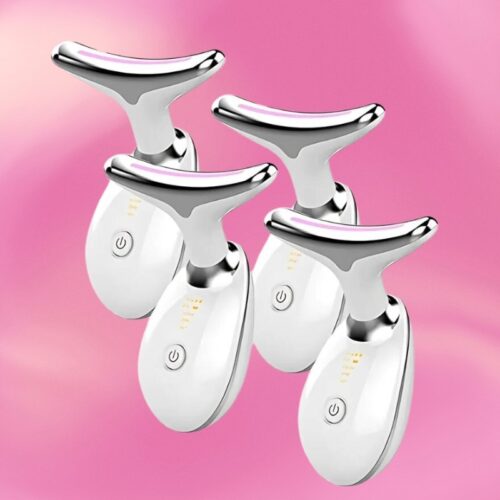
AuraGleam Glow Therapy
Original price was: $109.90.$42.48Current price is: $42.48. Buy From The Official Website -
Sale!

Illuderma
Original price was: $69.00.$49.00Current price is: $49.00. Buy From The Official Website -
Sale!
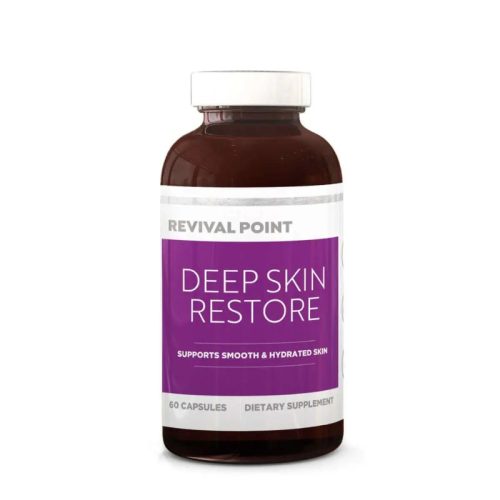
Revival Point Deep Skin Restore
Original price was: $69.95.$49.95Current price is: $49.95. Buy From The Official Website