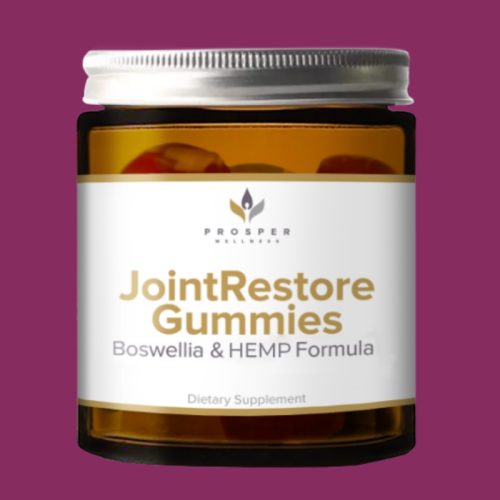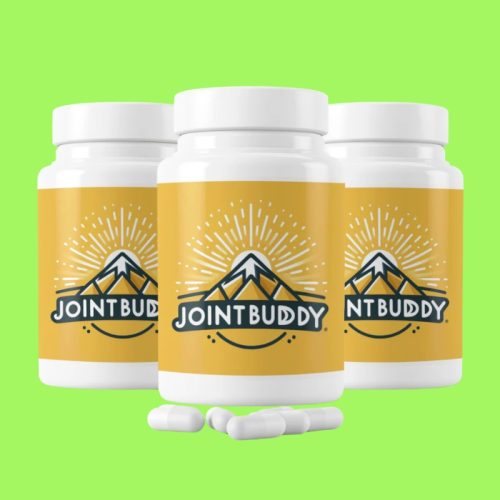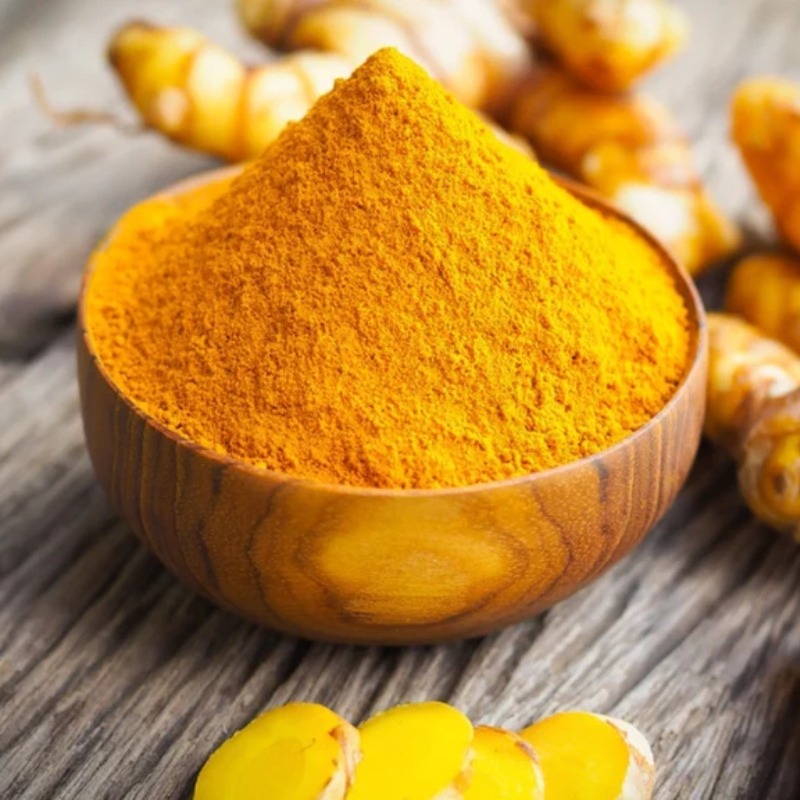
Japanese Honey + Indian Turmeric Golden Root for Joint Health is a thoughtfully crafted blend inspired by traditional wellness practices. Combining antioxidant-rich honey with turmeric’s naturally occurring curcumin, this formula is designed to support a healthy inflammatory response and overall joint comfort. Its smooth, easy-to-use format makes daily wellness routines simple and enjoyable. Ideal for active individuals and those focused on long-term mobility, this blend fits seamlessly into a balanced lifestyle. With its emphasis on quality ingredients and traditional inspiration, it offers a natural approach to supporting joint health as part of your everyday wellness strategy.
Description
Joint-related discomfort is no longer viewed solely as an age-related issue. Increasingly, individuals across a wide range of age groups—from active adults to those with sedentary lifestyles—are exploring ways to maintain joint flexibility, mobility, and comfort over time.
This shift has contributed to rising interest in plant-based and nutrition-centered wellness strategies, particularly those rooted in traditional practices. Among the most discussed combinations is the pairing of turmeric (Curcuma longa) and natural honey, often described in wellness circles as a “golden blend.”
While widely promoted across online platforms, the true value of this combination lies not in marketing claims, but in understanding:
- The biological mechanisms involved
- The quality and limitations of existing research
- How these ingredients may fit into a holistic joint health framework
Joint Health: A Systems-Based Perspective
To understand where turmeric and honey may play a role, it is essential to recognize that joint health is influenced by multiple interconnected systems.
Structural Components
Joints rely on:
- Cartilage for cushioning
- Synovial fluid for lubrication
- Ligaments and tendons for stability
Over time, mechanical stress, aging, and lifestyle factors may contribute to changes in these structures.
Inflammatory Balance
Inflammation is a natural immune response. However, prolonged low-grade inflammation is often discussed in relation to joint stiffness and reduced mobility.
Oxidative Stress
Oxidative stress occurs when there is an imbalance between free radicals and antioxidants. This process has been associated with cellular aging and may influence joint tissues.
Indian Turmeric: The “Golden Root” in Context
Traditional Foundations
Turmeric has been a foundational component of Ayurvedic traditions for centuries, where it has been used in dietary and wellness practices aimed at maintaining internal balance.
Rather than being viewed as a targeted remedy, turmeric has historically been incorporated as part of a broader lifestyle approach to health.
Curcumin and Its Biological Role
The primary compound of interest in turmeric is curcumin, a polyphenol that has been widely studied for its interaction with inflammatory and oxidative pathways.
Research suggests curcumin may:
- Interact with inflammatory signaling molecules
- Contribute to antioxidant activity
- Support cellular defense mechanisms
These properties have led to increased interest in curcumin as a supportive ingredient for joint-related wellness, although findings remain variable across studies.
Bioavailability: The Most Overlooked Factor
One of the most critical considerations in turmeric research is bioavailability.
Curcumin:
- Is poorly absorbed when consumed alone
- Is rapidly metabolized and eliminated
To address this, many formulations include:
- Piperine (black pepper extract)
- Lipid-based delivery systems
Without these enhancements, the amount of curcumin that enters systemic circulation may be limited.
This is a key differentiator between traditional dietary use and modern supplementation approaches.
Japanese Honey: Nutritional and Functional Properties
Composition Overview
Honey is a naturally occurring substance composed of:
- Sugars (primarily fructose and glucose)
- Trace enzymes
- Organic acids
- Polyphenols and flavonoids
These compounds contribute to its role in nutritional and functional food discussions.
Antioxidant Activity
Honey contains antioxidants that may help:
- Neutralize free radicals
- Support cellular health
- Contribute to overall wellness
The antioxidant content can vary depending on:
- Floral source
- Processing methods
- Geographic origin
Context Around “Japanese Honey”
From a compliance standpoint:
- “Japanese honey” refers to sourcing or branding, not a standardized clinical category
- Claims of superiority must be avoided unless supported by direct comparative evidence
Safe framing includes:
- Traditional harvesting methods
- Regional sourcing practices
- Quality and purity considerations
The Combined Use: Tradition Meets Modern Interest
Historical Pairing
The combination of turmeric and honey has roots in traditional practices where it was used as a nutritional preparation rather than a targeted intervention.
In these contexts, the blend was often consumed:
- In small quantities
- As part of daily routines
- Alongside other lifestyle practices
Functional Complementarity
From a modern perspective, the pairing may offer:
- Turmeric → contributes compounds studied for inflammatory balance
- Honey → provides antioxidant support and enhances palatability
Together, they create a formulation that is:
- Easier to consume regularly
- Aligned with whole-food-based approaches
What Current Research Suggests
Evidence on Turmeric
Clinical studies on curcumin have explored its potential role in:
- Supporting inflammatory balance
- Maintaining joint comfort in certain populations
However:
- Results are mixed
- Study designs vary widely
- Dosages and formulations differ significantly
Evidence on Honey
Research on honey primarily focuses on:
- Antioxidant capacity
- General wellness applications
There is limited direct research linking honey specifically to joint health outcomes.
Combined Evidence Gap
There is currently:
- Limited clinical research on turmeric + honey combinations
- No strong evidence confirming enhanced effects when combined
This gap must be clearly acknowledged for compliance and credibility.
Potential Benefits (Evidence-Informed Framing)
Supporting Inflammatory Balance
Curcumin has been studied for its interaction with pathways involved in inflammation, suggesting a potential role in maintaining normal inflammatory responses.
Antioxidant Support
Both turmeric and honey provide compounds that may contribute to reducing oxidative stress.
Daily Wellness Integration
The combination may support:
- General joint comfort
- Routine wellness practices
- Nutritional diversity
Lifestyle Synergy
When used alongside:
- Regular movement
- Balanced nutrition
- Weight management
This blend may contribute to a broader joint health strategy.
Realistic Expectations: Where Most Content Fails
To maintain both compliance and trust:
- Effects are typically gradual, not immediate
- Outcomes vary depending on:
- Individual physiology
- Diet and activity levels
- Product formulation
There is no evidence supporting:
- Rapid joint repair
- Structural regeneration
- Guaranteed results
Safety and Considerations
Potential Interactions
Turmeric may interact with:
- Blood-thinning medications
- Certain metabolic medications
Honey may influence:
- Blood sugar levels
General Guidance
Individuals should:
- Review ingredient use with a healthcare professional
- Consider existing medical conditions
- Avoid excessive intake
Integrating Natural Compounds into a Joint Health Plan
Rather than relying on a single ingredient or blend, a comprehensive approach to joint health typically includes:
Nutrition
- Anti-inflammatory dietary patterns
- Adequate protein intake
- Micronutrient support
Movement
- Strength training
- Flexibility exercises
- Low-impact activities
Weight Management
Maintaining a healthy weight reduces stress on joints.
Sleep and Recovery
Restorative sleep supports overall tissue health and recovery processes.
Strategic Positioning for Meridian Medical Centre
To maximize SEO and authority:
Emphasize Education Over Promotion
- Focus on mechanisms and context
- Avoid exaggerated claims
Reinforce Medical Oversight
- Encourage professional consultation
- Maintain clinical tone
Build Topical Authority
- Link to related topics:
- Inflammation
- Nutrition
- Mobility
Frequently Asked Questions
Can turmeric and honey replace medical treatment?
No. These ingredients are not substitutes for medical care or prescribed treatments.
How long does it take to notice effects?
Some individuals report changes over weeks, but timelines vary and are not guaranteed.
Is this combination suitable for everyone?
Not necessarily. Individuals with medical conditions or those taking medications should consult a healthcare provider.
Final Perspective
The combination of Japanese honey and Indian turmeric golden root reflects a broader shift toward integrative wellness approaches that combine traditional knowledge with modern scientific inquiry.
While these ingredients may contribute to:
- Nutritional support
- Antioxidant intake
- Inflammatory balance
They should be understood as complementary components within a larger health strategy, rather than standalone solutions.
Medical Disclaimer
This content is intended for informational purposes only and does not constitute medical advice. The ingredients discussed are not intended to diagnose, treat, cure, or prevent any disease. Individuals should consult a qualified healthcare professional before making changes to their diet, supplement routine, or health plan.