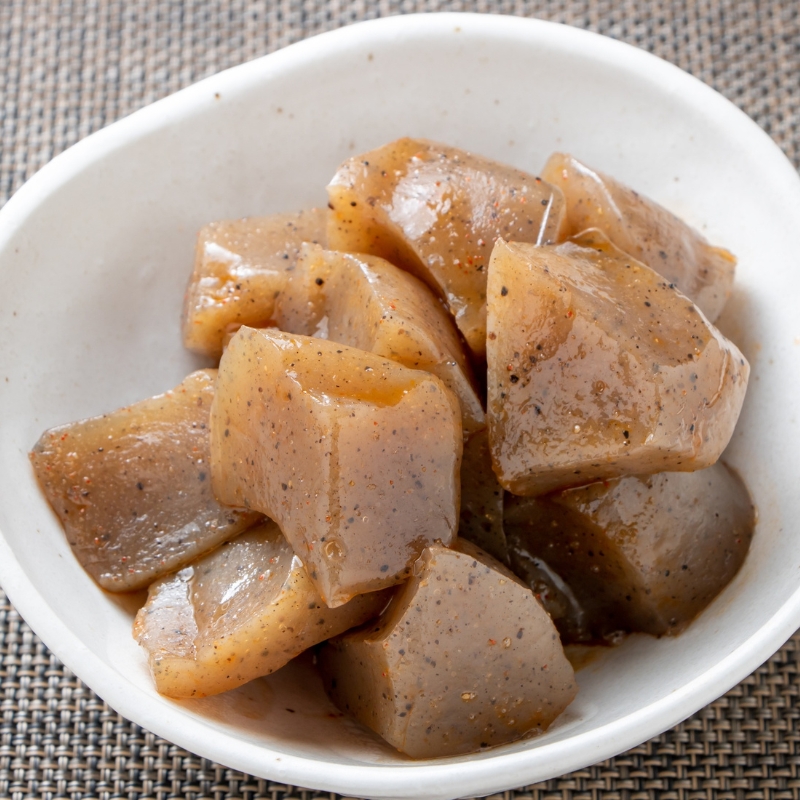
Konjac Jelly for Weight Loss is a delicious, low-calorie snack designed to support healthier eating habits and appetite control. Made with glucomannan-rich konjac root fiber, this chewy jelly helps promote fullness, making it easier to manage cravings between meals. Its refreshing fruit flavors and convenient portable packaging make it perfect for busy lifestyles, post-workout snacking, or guilt-free dessert alternatives. Naturally low in fat and often low in sugar, Konjac Jelly offers a satisfying way to enjoy a sweet treat while staying mindful of your wellness goals. Ideal for health-conscious individuals seeking a tasty, convenient addition to a balanced weight management routine.
Description
Konjac jelly has become one of the fastest-growing low-calorie wellness snacks across Asia, especially in Japan and Korea. Originally consumed for its fiber-rich properties and unique chewy texture, konjac jelly is now widely promoted as a convenient snack for appetite control, digestion support, and weight management. Modern drinkable konjac jelly products have transformed this traditional ingredient into a portable, flavorful option that appeals to health-conscious consumers worldwide.
Unlike sugary desserts or processed snacks, konjac jelly is typically low in calories, low in fat, and rich in glucomannan — a natural water-soluble dietary fiber derived from the konjac root. Many people now use konjac jelly as a healthier alternative to candy, desserts, or high-calorie snacks while dieting.
However, it is important to stay compliant and medically accurate when discussing weight loss products. Konjac jelly is not a miracle fat-burning solution, and no food alone can guarantee weight loss. Instead, konjac jelly may support weight management when combined with a balanced diet, calorie control, hydration, exercise, and healthy lifestyle habits.
According to Bokksu Market, konjac jelly has gained popularity because of its low-calorie profile, high fiber content, satisfying texture, and convenience as a snack or beverage.
What Is Konjac Jelly?
Konjac jelly is a gelatin-like food made from the konjac plant (Amorphophallus konjac), a root vegetable traditionally grown throughout East Asia. The konjac root contains high amounts of glucomannan, a dietary fiber known for its ability to absorb water and expand in the stomach.
Traditional konjac foods have existed for centuries in countries like China and Japan. In Japan, konjac products are known as “konnyaku” and are commonly used in soups, noodles, and snacks.
Modern konjac jelly products are often flavored with fruit extracts such as:
- Peach
- Mango
- Lychee
- Apple
- Grape
- Yuzu
- Lemon
- Muscat grape
Drinkable konjac jelly products have become particularly popular because they combine hydration, sweetness, fiber, and portability in a convenient pouch or bottle.
Why Konjac Jelly Became Popular for Weight Loss
The growing popularity of konjac jelly for weight loss is largely tied to several key characteristics:
- Low calorie content
- High fiber levels
- Minimal fat
- Often low sugar
- Filling texture
- Convenient snacking format
Many traditional snacks are calorie-dense while providing little satiety. Konjac jelly, on the other hand, can help people feel fuller with fewer calories because glucomannan absorbs water and expands inside the digestive system.
Bokksu Market notes that the thick and chewy texture makes konjac jelly “satisfying” and useful as a healthier snack option.
This is especially appealing for people trying to:
- Reduce overeating
- Manage cravings
- Control portion sizes
- Avoid high-calorie desserts
- Replace sugary snacks
- Support calorie deficits
The Science Behind Glucomannan
The primary functional ingredient in konjac jelly is glucomannan.
Glucomannan is a soluble dietary fiber extracted from the konjac root. It can absorb significant amounts of water, forming a thick gel-like substance in the digestive tract.
Because of this property, glucomannan may help:
- Increase feelings of fullness
- Slow gastric emptying
- Reduce hunger between meals
- Support healthy digestion
- Assist with bowel regularity
Some clinical studies have evaluated glucomannan in relation to weight management. Research suggests that soluble fibers may help support modest weight reduction when used alongside calorie restriction.
However, compliant health content must avoid exaggerated claims. There is no reliable evidence that konjac jelly alone causes dramatic fat loss without lifestyle changes.
The most accurate positioning is:
Konjac jelly may support appetite management and calorie control as part of a healthy weight loss plan.
How Konjac Jelly May Support Weight Management
1. Appetite Control
One of the biggest reasons people use konjac jelly while dieting is satiety.
Because glucomannan absorbs water, it creates a feeling of fullness that may help reduce overall calorie intake throughout the day.
This can be especially useful for:
- Afternoon cravings
- Emotional snacking
- Late-night eating
- Dessert replacement
- Portion management
Many consumers report that the chewy texture also helps satisfy the psychological desire to snack.
2. Low-Calorie Snacking
Traditional desserts can contain hundreds of calories per serving.
Many konjac jelly products contain relatively few calories, making them attractive to individuals following calorie-conscious meal plans.
Replacing high-calorie snacks with lower-calorie alternatives may help create a calorie deficit over time.
Again, this does not mean konjac jelly directly “burns fat.” Instead, it may help reduce total caloric intake.
3. Fiber Intake Support
Most people do not consume enough dietary fiber daily.
Fiber plays an important role in:
- Digestive health
- Satiety
- Gut microbiome support
- Blood sugar regulation
- Cholesterol management
Bokksu Market explains that glucomannan acts as a prebiotic fiber that may help support healthy gut bacteria and digestion.
Improving fiber intake may also help people maintain healthier eating patterns.
4. Reduced Sugar Consumption
Many modern desserts and snacks are loaded with refined sugars.
Some konjac jelly products are marketed as low-sugar or sugar-free alternatives. Choosing lower-sugar snacks may help reduce excessive sugar intake.
However, consumers should always read nutrition labels carefully because formulations vary by brand.
5. Convenient Portion Control
Convenience matters in weight management.
Portable konjac jelly pouches make it easier for busy individuals to:
- Carry healthier snacks
- Avoid impulse junk food purchases
- Control serving sizes
- Stay consistent with calorie goals
Bokksu Market emphasizes the portability of drinkable konjac jelly for travel and on-the-go snacking.
Nutritional Profile of Konjac Jelly
Exact nutritional values depend on the brand and flavor, but many konjac jelly products share several characteristics:
- Low calories
- Low fat
- Moderate fiber
- Small serving sizes
- Fruit-based flavoring
- Minimal protein
Some versions also contain:
- Vitamin C
- Fruit extracts
- Electrolytes
- Artificial or natural sweeteners
Consumers should check:
- Added sugar content
- Artificial ingredients
- Calorie totals
- Fiber amounts
- Serving size
Not all konjac jelly products are equally healthy.
Konjac Jelly vs Traditional Diet Snacks
Many diet snacks fail because they are:
- Unsatisfying
- Artificial tasting
- Highly processed
- Difficult to portion control
Konjac jelly stands out because of its unique texture and fiber content.
Compared with conventional snacks, konjac jelly may offer:
| Snack Type | Typical Calories | Satiety | Fiber |
|---|---|---|---|
| Candy | High | Low | Very low |
| Potato chips | High | Moderate | Low |
| Ice cream | High | Moderate | Low |
| Protein bar | Moderate-high | Moderate | Variable |
| Konjac jelly | Often lower | Moderate-high | Higher |
This makes konjac jelly appealing to people seeking lower-calorie snack alternatives.
Drinkable Konjac Jelly: The Modern Trend
Drinkable konjac jelly has exploded in popularity across Asia. These products combine fruit juice flavors with soft jelly textures in resealable pouches.
Popular flavors include:
- Lychee
- Peach
- Mango
- Apple
- Muscat grape
- Yuzu
- Dragon fruit
According to Bokksu Market, the drinkable format offers a “fun and unique drinking experience” while remaining low-calorie and satisfying.
The beverage format is particularly attractive for:
- Gym-goers
- Office workers
- Travelers
- Students
- Diet-conscious consumers
Best Ways to Use Konjac Jelly for Weight Loss
Replace High-Calorie Snacks
One of the easiest strategies is replacing calorie-dense snacks with konjac jelly.
Instead of:
- Candy
- Pastries
- Sugary desserts
- Ice cream
- Chips
Some people choose konjac jelly as a lower-calorie alternative.
Use Between Meals
Because of its fiber content and texture, konjac jelly may help curb hunger between meals.
This may help reduce:
- Mindless snacking
- Binge eating
- Overeating at dinner
Pair with a Balanced Diet
Konjac jelly should not replace nutritious meals.
Healthy weight management still requires:
- Adequate protein
- Vegetables
- Whole foods
- Hydration
- Exercise
- Sleep
Konjac jelly works best as a supportive snack within a balanced nutrition plan.
Stay Hydrated
Fiber absorbs water.
Individuals consuming glucomannan-rich foods should maintain proper hydration.
Drinking enough water may also help improve satiety and digestion.
Potential Health Benefits Beyond Weight Loss
While konjac jelly is mainly marketed for dieting, glucomannan fiber has been studied for additional wellness benefits.
Some research suggests soluble fiber may help support:
- Digestive regularity
- Healthy cholesterol levels
- Blood sugar management
- Gut health
Bokksu Market also references these possible benefits in relation to glucomannan and konjac beverages.
However, compliant health content should avoid disease-treatment claims unless supported by strong regulatory-approved evidence.
Important Safety Considerations
This is where compliance becomes critical.
Konjac products have occasionally raised choking concerns because glucomannan expands when exposed to liquid.
Consumers should:
- Chew thoroughly
- Drink adequate water
- Follow package instructions
- Avoid swallowing large pieces whole
Children and older adults may require additional caution with firmer konjac jelly products.
Some people may also experience digestive side effects, including:
- Bloating
- Gas
- Loose stools
- Abdominal discomfort
Individuals with medical conditions should consult qualified healthcare professionals before making major dietary changes.
Konjac Jelly vs Konjac Noodles
Konjac appears in several diet-focused foods, especially:
- Konjac noodles
- Shirataki noodles
- Konjac rice
- Konjac jelly
While all contain glucomannan fiber, konjac jelly is usually sweeter and snack-oriented.
Konjac noodles are more commonly used as low-calorie meal substitutes.
Many people combine both within lower-calorie eating plans.
How Konjac Jelly Is Made
The konjac root is processed into powder, then mixed with water and heated to form a gel-like texture.
Bokksu Market explains that fruit juices, purees, and flavorings are often added to produce drinkable jelly products.
Manufacturers may also include:
- Sweeteners
- Stabilizers
- Citric acid
- Fruit concentrates
Premium brands often emphasize:
- Simple ingredients
- Low sugar
- Natural flavors
- Clean-label formulations
Why Asian Markets Popularized Konjac Jelly
Japan and Korea played major roles in modernizing konjac jelly into mainstream wellness snacks.
Several cultural factors contributed:
- Strong convenience store culture
- Interest in low-calorie snacks
- Popularity of functional foods
- Portable meal replacements
- Beauty and wellness trends
Drinkable konjac jelly eventually spread into broader international markets as global interest in Asian wellness products increased.
Common Myths About Konjac Jelly
Myth 1: Konjac Jelly Melts Fat
False.
No food directly melts body fat.
Konjac jelly may help support calorie control and appetite management, but sustainable weight loss still depends on overall energy balance.
Myth 2: You Can Lose Weight Without Diet Changes
False.
Konjac jelly is not a substitute for healthy eating habits.
Long-term results typically require:
- Calorie awareness
- Physical activity
- Sleep
- Stress management
- Nutritional consistency
Myth 3: More Fiber Is Always Better
False.
Too much fiber too quickly may cause digestive discomfort.
Gradual increases are generally recommended.
How to Choose a Good Konjac Jelly Product
Not all products are created equal.
Look for:
Lower Sugar Content
Some flavored products contain added sugars despite “healthy” marketing.
Reasonable Ingredient Lists
Shorter ingredient lists are often preferable.
Fiber Content
Check glucomannan or fiber levels.
Portion Size
Small pouches may help support calorie control.
Reputable Brands
Established brands may provide better ingredient transparency and quality control.
Can Konjac Jelly Replace Meals?
Generally, no.
Most konjac jelly products are too low in protein and nutrients to serve as balanced meals.
They are better used as:
- Snacks
- Dessert alternatives
- Appetite-control tools
- Low-calorie additions
Meal replacement strategies should ideally include sufficient:
- Protein
- Healthy fats
- Vitamins
- Minerals
Konjac Jelly and Exercise
Some people consume drinkable konjac jelly:
- Before workouts
- After workouts
- During travel
- Between training sessions
Bokksu Market mentions that the refreshing nature of drinkable konjac jelly makes it appealing as a post-workout snack.
However, athletes may still require more substantial recovery nutrition depending on training intensity.
The Future of Konjac-Based Wellness Foods
The global wellness industry continues to move toward:
- Lower-calorie snacks
- Functional foods
- Fiber-rich products
- Portable nutrition
- Plant-based alternatives
Konjac fits naturally into these trends.
Future innovations may include:
- High-protein konjac snacks
- Functional beverages
- Gut-health formulations
- Clean-label desserts
- Meal-support products
As consumer demand grows, more mainstream retailers may begin offering konjac-based products internationally.
Final Thoughts
Konjac jelly has emerged as one of Asia’s most interesting modern wellness snacks. Its low-calorie profile, fiber-rich composition, chewy texture, and convenient portability make it attractive to consumers looking for healthier snack alternatives.
The key ingredient — glucomannan — may help support satiety, digestion, and appetite management, which can indirectly assist weight loss efforts when combined with a balanced diet and healthy lifestyle habits.
Still, it is important to maintain realistic expectations. Konjac jelly is not a miracle solution, fat burner, or substitute for sustainable nutrition and exercise habits. The best evidence supports its role as a supportive dietary tool rather than a standalone weight loss treatment.
For people seeking a satisfying, lower-calorie snack that may help reduce cravings and support portion control, konjac jelly may be worth exploring as part of a comprehensive wellness strategy.
Bokksu Market highlights the growing popularity of drinkable konjac jelly because of its portability, low-calorie nature, satisfying texture, and fruit flavors that appeal to modern health-conscious consumers.