
Description
Memory concerns affect millions of adults worldwide. As people age, many begin searching for ways to support focus, concentration, recall, and overall cognitive wellness. At the same time, internet advertising surrounding memory supplements has grown dramatically, often mixing legitimate wellness discussions with exaggerated promises, misleading endorsements, and emotionally charged marketing campaigns.
One supplement name that has recently generated attention online is MemoLift. Search activity around the product includes questions such as:
- Is MemoLift legitimate?
- Does MemoLift help memory?
- Is MemoLift FDA approved?
- Does MemoLift reverse dementia?
- Are MemoLift reviews real?
- Did celebrity doctors endorse MemoLift?
These searches reflect growing public interest in cognitive support supplements as well as widespread consumer confusion about how these products are marketed.
At Meridian Medical Centre, our approach is centered on evidence awareness, patient education, responsible wellness discussions, and transparent healthcare communication. This article explores the broader landscape surrounding MemoLift and similar cognitive support supplements while examining the difference between marketing claims, clinical evidence, ingredient research, and consumer safety.
Rather than promoting miracle outcomes or disease-reversal narratives, this review aims to provide a neutral and research-oriented overview of what consumers should know before purchasing any memory support product online.
Why Cognitive Health Supplements Have Become So Popular
The global interest in cognitive wellness has expanded rapidly over the last decade. Several factors contribute to this growing trend:
- Aging populations worldwide
- Increased awareness of cognitive decline
- Greater discussion of brain health in media
- Rising stress and sleep disruption
- Concerns about focus and productivity
- Social media wellness marketing
- Online supplement advertising
Many consumers are looking for nutritional products designed to support:
- Memory retention
- Focus and concentration
- Mental clarity
- Cognitive performance
- Healthy aging
- Stress management
- Brain wellness
This interest has created a massive online marketplace for products often categorized as:
- Nootropics
- Memory supplements
- Brain health formulas
- Cognitive support products
- Neuro wellness supplements
While some products focus on general wellness support, others are marketed using much stronger language involving disease treatment or cognitive restoration. This is where consumers must exercise caution.
Understanding the Difference Between Cognitive Support and Medical Treatment
One of the most important distinctions in the memory supplement industry involves the difference between:
- supporting normal cognitive wellness
and - claiming to treat or reverse disease
This distinction matters because conditions such as Alzheimer’s disease, dementia, and serious neurological disorders are complex medical conditions requiring professional evaluation and evidence-based care.
Legitimate wellness discussions about brain health may involve:
- healthy lifestyle habits
- sleep quality
- nutrition
- stress management
- exercise
- social engagement
- general nutritional support
However, when marketing materials claim a supplement can:
- reverse dementia
- cure Alzheimer’s disease
- permanently restore memory
- eliminate cognitive decline
- regenerate damaged brain tissue
those claims move into extremely high-risk territory from both scientific and regulatory perspectives.
Consumers should understand that dietary supplements are not approved to diagnose, treat, cure, or prevent diseases unless specifically evaluated under rigorous medical and regulatory standards.
The Growing Problem of Online Supplement Scams
The internet has made it easier than ever for consumers to access health information. Unfortunately, it has also made it easier for deceptive marketing campaigns to spread rapidly.
Many online supplement funnels use emotionally driven advertising strategies that target fear, urgency, and vulnerability. This is especially concerning in categories involving:
- memory loss
- aging
- chronic illness
- neurological disorders
- weight loss
- diabetes
- tinnitus
- pain management
Memory-related marketing can be especially sensitive because cognitive decline affects both individuals and families emotionally.
Some warning signs commonly associated with questionable supplement advertising include:
Miracle Cure Language
Claims that a supplement can completely reverse serious conditions should be approached cautiously.
Examples include:
- “Instant memory restoration”
- “Reverse Alzheimer’s naturally”
- “Cure dementia permanently”
- “Erase brain fog overnight”
Healthcare professionals generally encourage skepticism toward absolute claims involving complex neurological conditions.
Fake Celebrity Endorsements
Another common tactic involves using recognizable public figures or physicians without authorization.
Online advertisements may falsely imply endorsements from:
- television doctors
- neurologists
- celebrities
- wellness experts
- researchers
Consumers should independently verify any endorsement claims through official sources.
Fabricated Testimonials
Some websites use unrealistic success stories, stock images, or unverifiable testimonials to create the appearance of widespread effectiveness.
Testimonials alone do not replace clinical evidence.
Fake Review Counts and Ratings
Some marketing pages display:
- inflated review numbers
- suspiciously high ratings
- unverifiable consumer statistics
Consumers should remember that online review systems can sometimes be manipulated.
Aggressive Subscription Billing
Another concern in the supplement industry involves recurring billing structures.
Some checkout pages automatically enroll consumers in monthly subscription programs that may be difficult to cancel.
Consumers should always review:
- billing terms
- refund policies
- recurring charge disclosures
- cancellation instructions
before completing any online purchase.
What Is MemoLift?
MemoLift appears to be marketed online as a cognitive support supplement associated with:
- memory support
- focus enhancement
- mental clarity
- cognitive wellness
However, online discussions surrounding MemoLift have also included allegations involving misleading marketing practices and exaggerated claims promoted through unofficial advertising channels.
Some internet advertisements associated with the MemoLift name reportedly include:
- disease-reversal language
- fake doctor endorsements
- miracle ingredient narratives
- exaggerated before-and-after claims
- misleading FDA approval references
It is important to separate:
- the existence of a supplement product itself
from - unauthorized or misleading affiliate-style advertising that may use the product’s name.
In the online supplement ecosystem, third-party marketers sometimes create sensational advertising campaigns independently of the product manufacturer.
Consumers should therefore evaluate:
- the official company website
- ingredient transparency
- manufacturing standards
- available evidence
- customer support accessibility
- healthcare guidance
rather than relying solely on social media ads or sensational video promotions.
Why Memory-Related Health Claims Require Caution
Cognitive decline is a medically complex topic involving many possible factors.
Memory concerns may be associated with:
- stress
- sleep deprivation
- medication side effects
- nutritional deficiencies
- anxiety
- depression
- neurological conditions
- aging-related changes
Because there are many potential causes, healthcare providers typically recommend proper medical evaluation rather than self-diagnosis through online advertising.
Consumers should also recognize that scientific research involving brain health is still evolving. While some nutrients and lifestyle interventions are being studied for their potential role in supporting cognitive wellness, there is currently no universally accepted dietary supplement proven to reverse Alzheimer’s disease or dementia.
This is why responsible healthcare communication avoids exaggerated promises.
The Difference Between FDA Approval and Supplement Regulation
One recurring source of confusion in supplement advertising involves FDA terminology.
Some online advertisements use phrases such as:
- “FDA approved”
- “doctor certified”
- “clinically proven”
without appropriate context.
Consumers should understand the distinction between:
FDA Approval
Prescription drugs undergo extensive evaluation for:
- safety
- effectiveness
- manufacturing standards
- clinical trial data
before receiving FDA approval.
Dietary Supplement Regulation
Dietary supplements operate under different regulatory frameworks.
Manufacturers are generally responsible for ensuring:
- product safety
- labeling compliance
- manufacturing quality
However, dietary supplements are not typically “FDA approved” in the same manner as prescription medications.
This distinction is important when evaluating supplement advertising.
Common Ingredients Often Found in Memory Support Supplements
While MemoLift ingredient details may vary depending on formulation and sourcing, many cognitive support supplements commonly include ingredients such as:
- Ginkgo biloba
- Bacopa monnieri
- Phosphatidylserine
- Lion’s mane mushroom
- Vitamins B6 and B12
- Magnesium
- L-theanine
- Omega-3 fatty acids
- Acetyl-L-carnitine
- Rhodiola rosea
Research surrounding these ingredients is ongoing and varies considerably in quality and consistency.
Ginkgo Biloba
Ginkgo biloba has long been studied for its potential role in circulation and cognitive support. Research findings have been mixed, and scientists continue evaluating its possible effects.
Bacopa Monnieri
Bacopa is a traditional herbal ingredient often associated with memory and learning support in wellness discussions.
Some studies have explored its role in cognitive performance, though findings remain under investigation.
Lion’s Mane Mushroom
Lion’s mane has gained attention in wellness communities because of preliminary research related to neurological health and nerve growth factors.
However, additional large-scale human studies are still needed.
B Vitamins
Certain B vitamins are important for neurological function and energy metabolism. Deficiencies in some vitamins may contribute to fatigue or cognitive concerns in some individuals.
Omega-3 Fatty Acids
Omega-3 fatty acids are frequently discussed in relation to heart and brain wellness.
Research continues regarding their broader cognitive implications.
Consumers should remember that ingredient research does not automatically mean a finished supplement product has been clinically validated.
Why Clinical Evidence Matters
One of the most important questions consumers can ask about any supplement is:
“Has the finished product itself been studied?”
There is a major difference between:
- research on individual ingredients
and - clinical studies on a final product formulation
Some products rely heavily on ingredient association marketing, meaning they reference general ingredient research while the actual product itself has not undergone meaningful clinical testing.
Responsible healthcare communication should distinguish between:
- ingredient-level discussion
- preliminary research
- observational data
- controlled clinical trials
- established medical evidence
Consumers should be cautious when advertising jumps directly from ingredient discussion to guaranteed health outcomes.
The Psychology Behind Cognitive Supplement Advertising
Memory supplement advertising often uses emotional storytelling.
These campaigns may focus on:
- fear of aging
- fear of losing independence
- concern about family history
- anxiety about forgetfulness
- frustration with concentration difficulties
Some marketing funnels intensify these emotions through:
- countdown timers
- “hidden secret” narratives
- conspiracy-style messaging
- urgent warnings
- emotionally charged testimonials
This style of advertising can create pressure-driven purchasing decisions.
Healthcare professionals generally encourage thoughtful evaluation instead of emotionally reactive buying.
Understanding “Brain Fog” Discussions
The term “brain fog” has become increasingly common online.
Although not a formal medical diagnosis, the phrase is often used to describe symptoms such as:
- mental fatigue
- forgetfulness
- reduced concentration
- lack of clarity
- difficulty focusing
Many factors may contribute to these experiences, including:
- sleep disruption
- chronic stress
- anxiety
- poor nutrition
- medication effects
- hormonal changes
- illness recovery
Because causes vary significantly, consumers should avoid assuming that one supplement can universally address every cognitive concern.
The Importance of Professional Medical Evaluation
Individuals experiencing memory concerns should consider speaking with qualified healthcare professionals.
Medical evaluation may help identify potential contributing factors such as:
- vitamin deficiencies
- medication interactions
- neurological conditions
- cardiovascular issues
- sleep disorders
- thyroid imbalances
- mental health concerns
Early evaluation can be important because some conditions benefit from timely diagnosis and management.
Online advertisements should never replace professional medical guidance.
Why Consumers Search for Natural Cognitive Support
Despite concerns about exaggerated advertising, many consumers remain interested in natural wellness approaches.
This interest often includes:
- nutritional support
- healthy aging strategies
- lifestyle optimization
- stress management
- sleep improvement
- exercise routines
- mindfulness practices
Research in cognitive wellness frequently emphasizes that brain health is multifactorial.
Factors commonly associated with healthy aging discussions include:
- regular physical activity
- balanced nutrition
- social engagement
- cognitive stimulation
- sleep quality
- blood pressure management
- smoking avoidance
- stress reduction
Supplements are often discussed as only one potential part of a broader wellness strategy.
The Role of Sleep in Cognitive Wellness
Sleep is one of the most important yet overlooked aspects of brain health.
Poor sleep quality may affect:
- concentration
- mood
- reaction time
- memory consolidation
- mental performance
Some individuals searching for memory supplements may actually be experiencing symptoms related to:
- sleep deprivation
- sleep apnea
- chronic stress
- irregular sleep schedules
Addressing foundational lifestyle factors may be an important component of cognitive wellness.
Nutrition and Brain Health
Nutrition plays a significant role in overall wellness, including cognitive function.
Research discussions around brain-supportive eating patterns often emphasize:
- fruits and vegetables
- healthy fats
- omega-3-rich foods
- whole grains
- hydration
- reduced ultra-processed foods
Some dietary patterns frequently discussed in cognitive wellness research include:
- Mediterranean-style diets
- plant-forward nutrition approaches
- balanced anti-inflammatory eating patterns
No single food or ingredient has been universally recognized as a cure for cognitive decline.
Consumers should remain cautious of marketing that oversimplifies complex neurological health topics.
Exercise and Cognitive Function
Physical activity is another area frequently associated with cognitive wellness discussions.
Research has explored links between exercise and:
- circulation
- mood regulation
- stress reduction
- healthy aging
- overall brain wellness
Even moderate movement routines may support broader health goals.
Examples include:
- walking
- resistance training
- stretching
- swimming
- balance exercises
Lifestyle approaches are often considered more sustainable and evidence-informed than relying solely on miracle-product marketing.
The Problem With “Secret Ingredient” Marketing
Many questionable supplement campaigns rely on the idea of a hidden or suppressed discovery.
Examples may include:
- ancient secrets
- forbidden remedies
- pantry ingredient cures
- hidden medical breakthroughs
- “doctors hate this trick” messaging
These narratives are designed to:
- spark curiosity
- trigger urgency
- bypass skepticism
- encourage impulse purchases
Responsible health communication generally avoids conspiracy-style framing.
Understanding Affiliate Marketing in the Supplement Industry
Affiliate marketing is widely used in online supplement sales.
In affiliate systems, third-party marketers earn commissions for generating sales.
While many affiliates operate ethically, some use aggressive or misleading tactics such as:
- fake news pages
- fabricated endorsements
- exaggerated claims
- manipulated testimonials
- deceptive advertorials
This can create confusion about whether a company officially authorized certain advertising materials.
Consumers should evaluate:
- official websites
- customer support channels
- published policies
- transparency standards
rather than relying solely on viral ads.
Questions Consumers Should Ask Before Buying Any Memory Supplement
Before purchasing any cognitive support product online, consumers may wish to ask:
Is the ingredient list transparent?
Products should clearly disclose ingredients and serving amounts.
Are there realistic claims?
Be cautious of products promising dramatic disease reversal.
Is there accessible customer support?
Legitimate companies generally provide contact information and transparent policies.
Are there independent reviews?
Look for balanced discussions rather than overwhelmingly perfect testimonials.
Is the website pressuring immediate purchase?
Urgency tactics can sometimes signal aggressive marketing practices.
Are there recurring billing terms?
Always review subscription disclosures carefully.
Has the product itself been clinically studied?
Ingredient research alone is not the same as product validation.
Why Vulnerable Populations Are Often Targeted
Memory-related advertising can disproportionately affect:
- older adults
- caregivers
- families facing cognitive decline concerns
Fear-based advertising may create emotional pressure during already stressful situations.
Healthcare professionals often encourage families to:
- verify information carefully
- discuss concerns with clinicians
- avoid rushing into expensive purchases
- remain skeptical of miracle claims
The Importance of Evidence-Based Healthcare Communication
At Meridian Medical Centre, we believe healthcare communication should prioritize:
- transparency
- realism
- patient education
- scientific nuance
- responsible wellness guidance
Cognitive health is an important area of research, but it is also an area vulnerable to misinformation.
Consumers deserve accurate information that distinguishes:
- possibility from proof
- wellness support from disease treatment
- preliminary research from established evidence
Online Health Information Requires Careful Evaluation
Not all online health content is created equally.
Consumers should consider:
- source credibility
- scientific references
- transparency of claims
- regulatory language
- financial incentives
Potential warning signs include:
- exaggerated promises
- fake urgency
- emotional manipulation
- lack of evidence
- hidden billing practices
- unverifiable endorsements
Developing critical evaluation skills can help consumers make more informed decisions.
Can Lifestyle Habits Support Healthy Cognitive Aging?
Many healthcare discussions surrounding healthy aging focus on long-term wellness habits rather than miracle interventions.
Areas frequently explored include:
- sleep quality
- exercise
- cardiovascular health
- nutrition
- stress management
- lifelong learning
- social connection
While no strategy can guarantee prevention of neurological disease, healthy routines may contribute to overall well-being.
The Future of Cognitive Wellness Research
Research involving brain health continues evolving rapidly.
Scientists are exploring numerous areas related to:
- neuroinflammation
- aging processes
- metabolic health
- circulation
- sleep science
- nutrition
- neurological resilience
As research advances, consumers may continue encountering increasing numbers of products marketed for cognitive support.
This makes evidence literacy more important than ever.
Final Thoughts on MemoLift and Memory Supplement Marketing
MemoLift has become part of a broader online conversation surrounding memory support supplements, cognitive wellness, and internet health marketing.
The growing attention surrounding the product also highlights larger concerns involving:
- exaggerated advertising
- fake endorsements
- miracle cure narratives
- misleading health claims
- consumer vulnerability
Individuals interested in cognitive wellness should approach online supplement marketing thoughtfully and critically.
While some supplements may contain ingredients studied for general wellness support, consumers should remain cautious of products claiming to:
- reverse Alzheimer’s disease
- cure dementia
- restore memory instantly
- eliminate cognitive decline permanently
Brain health is complex, and meaningful healthcare decisions should ideally involve evidence-based guidance and qualified medical support.
At Meridian Medical Centre, we encourage patients and readers to prioritize:
- informed decision-making
- professional healthcare consultation
- realistic expectations
- balanced wellness strategies
- careful evaluation of online health claims
Consumers deserve accurate information grounded in transparency rather than fear-based marketing.
Medical Disclaimer
This article is intended for informational and educational purposes only and does not constitute medical advice, diagnosis, or treatment. Dietary supplements are not intended to diagnose, treat, cure, or prevent disease. Individuals experiencing memory concerns, cognitive symptoms, or neurological changes should consult qualified healthcare professionals for appropriate evaluation and guidance. Product availability, formulations, claims, pricing, and marketing practices may change over time. Always review official product information and consult healthcare providers before beginning any supplement regimen.
Related products
-
Sale!

Memory Lift
Original price was: $179.00.$49.00Current price is: $49.00. Buy From This Official Website -
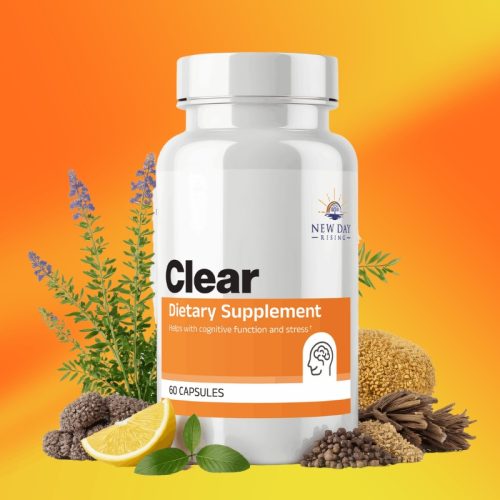
Clear Supplement
$59.00 Buy From This Official Website -
Sale!
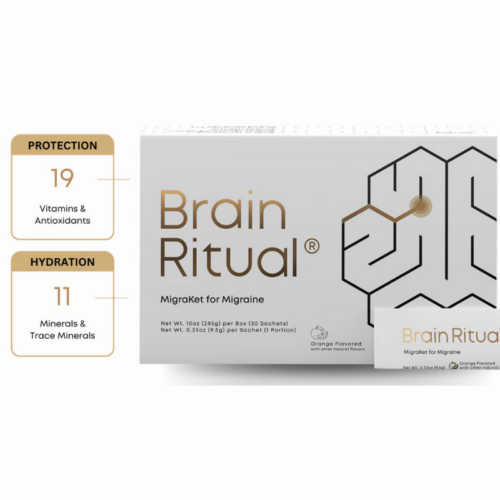
Brain Ritual
Original price was: $129.00.$99.00Current price is: $99.00. Buy From The Official Website -
Sale!
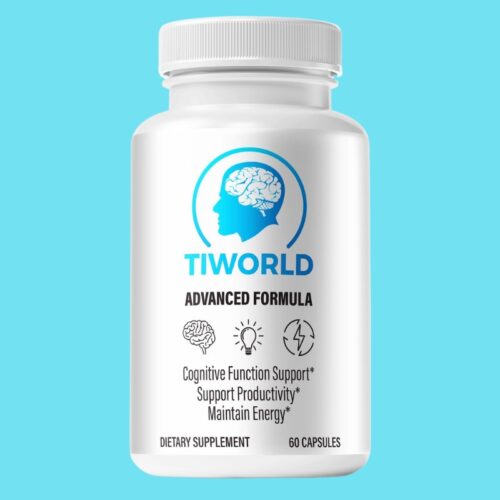
Tiworld Advanced Cognitive Formula
Original price was: $19.95.$16.96Current price is: $16.96. Buy From The Official Website