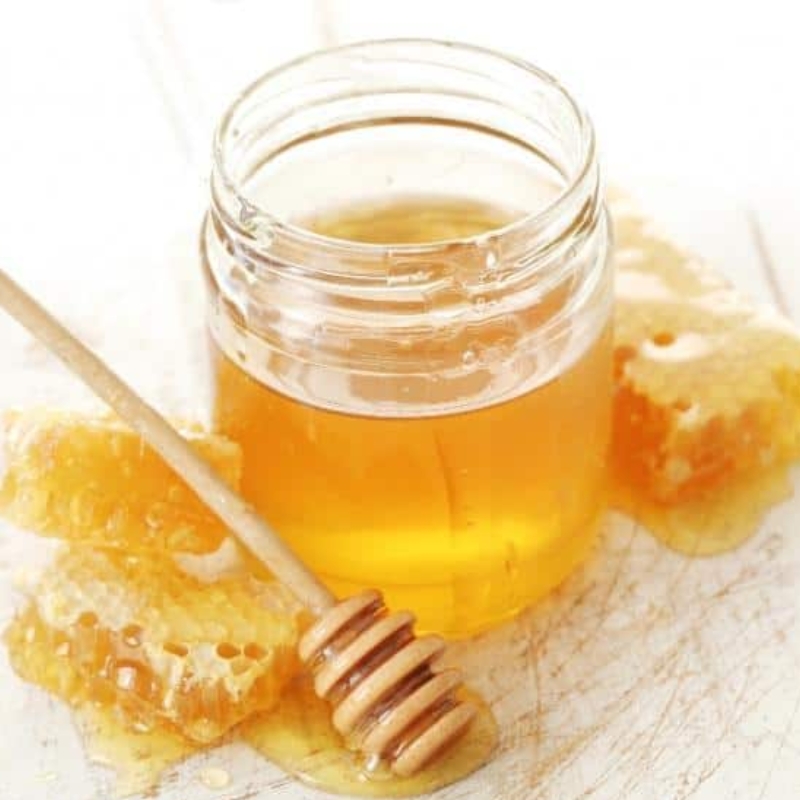
Discover the Neuropathy Honey Remedy, a research-based digital guide exploring the growing interest in honey and its potential role in supporting overall nerve wellness. This educational resource examines the science behind honey’s natural antioxidant compounds, healthy lifestyle strategies for nerve health, and practical wellness approaches that may complement professional care. Easy to read and backed by evidence-informed insights, the guide helps readers better understand peripheral neuropathy while separating facts from common myths. Ideal for individuals seeking natural wellness information, the Neuropathy Honey Remedy offers balanced, accessible guidance designed to support informed health decisions and long-term well-being.
Description
Peripheral neuropathy affects millions of adults worldwide and is often associated with symptoms such as tingling, burning sensations, numbness, sensitivity, weakness, and discomfort that can interfere with daily life. While medical evaluation and evidence-based treatment remain the foundation of neuropathy care, many individuals are increasingly interested in complementary wellness approaches that may support overall nerve health.
One topic that has recently gained attention online is the concept of a “Neuropathy Honey Remedy.” Advocates suggest that certain varieties of honey, particularly raw honey, may offer wellness benefits due to their naturally occurring antioxidants, polyphenols, and other bioactive compounds. Although honey should never be viewed as a replacement for professional medical care, understanding the science behind honey and its potential role in a healthy lifestyle can help individuals make more informed decisions.
At Meridian Medical Centre, our goal is to provide balanced, evidence-informed health education that empowers patients to explore wellness strategies responsibly while maintaining realistic expectations.
Understanding Peripheral Neuropathy
Peripheral neuropathy refers to damage or dysfunction affecting nerves outside the brain and spinal cord. These nerves play critical roles in transmitting sensory information, controlling muscle movement, and regulating certain automatic bodily functions.
Symptoms can vary widely depending on the type and severity of nerve involvement.
Common symptoms may include:
- Tingling sensations
- Burning discomfort
- Numbness
- Increased sensitivity to touch
- Muscle weakness
- Difficulty with balance
- Reduced coordination
- Changes in sensation in the hands or feet
Peripheral neuropathy is not a single disease but rather a condition with many possible underlying causes.
Common Causes of Neuropathy
Several health conditions and lifestyle factors have been linked to nerve damage, including:
Diabetes
Diabetic neuropathy remains one of the most common forms of peripheral neuropathy. Long-term elevations in blood glucose may contribute to nerve damage over time.
Vitamin Deficiencies
Deficiencies in vitamin B12 and other essential nutrients can negatively affect nerve function.
Autoimmune Conditions
Certain autoimmune disorders may involve immune system activity that affects peripheral nerves.
Chronic Inflammation
Persistent inflammatory processes may contribute to nerve dysfunction and discomfort.
Alcohol Misuse
Excessive alcohol consumption may interfere with nutrient absorption and directly impact nerve health.
Certain Medications
Some medications, including specific chemotherapy treatments, have been associated with neuropathic symptoms.
Because neuropathy can arise from numerous causes, accurate diagnosis is essential. Effective management often begins by identifying and addressing the underlying contributing factors.
Why Are People Talking About Honey and Neuropathy?
Interest in honey as a wellness ingredient is not new. Honey has been used for centuries across many cultures as both a food and a traditional health-supporting substance.
Recently, social media and wellness websites have popularized various “honey tricks” for neuropathy, often suggesting that consuming honey daily may support nerve health.
While some online claims are exaggerated, there is legitimate scientific interest in honey because of its naturally occurring antioxidant and anti-inflammatory compounds. Researchers have investigated honey’s biological properties in various health contexts, including neurological wellness.
The important distinction is that scientific interest does not automatically translate into proof of clinical effectiveness for neuropathy symptoms.
What Makes Honey Unique?
Unlike refined sugar, natural honey contains a complex mixture of compounds beyond simple carbohydrates.
These include:
- Polyphenols
- Flavonoids
- Organic acids
- Trace minerals
- Amino acids
- Naturally occurring antioxidants
The exact composition varies depending on the floral source, environmental conditions, and processing methods.
Researchers have noted that these compounds may contribute to honey’s biological activity and its potential role as part of a healthy dietary pattern.
The Role of Oxidative Stress in Nerve Health
To understand why honey attracts attention in neuropathy discussions, it helps to understand oxidative stress.
Oxidative stress occurs when the body produces more free radicals than it can effectively neutralize. Excessive oxidative stress has been associated with cellular damage throughout the body, including nerve tissues.
Many researchers believe that oxidative stress plays a role in several chronic health conditions and may contribute to the progression of nerve dysfunction.
Antioxidants help neutralize free radicals and support normal cellular protection mechanisms.
Because honey naturally contains antioxidant compounds, some researchers have explored whether it may contribute to overall antioxidant intake as part of a balanced diet.
However, consuming antioxidant-rich foods should be viewed as one component of a broader health strategy rather than a standalone solution.
Anti-Inflammatory Properties of Honey
Inflammation serves an important purpose in the body’s defense systems, but chronic inflammation can contribute to various health challenges.
Research has identified several naturally occurring compounds in honey that may influence inflammatory pathways. These compounds include flavonoids and phenolic acids that have demonstrated biological activity in laboratory studies.
Some researchers believe that dietary patterns emphasizing anti-inflammatory foods may support overall wellness.
This does not mean honey directly treats neuropathy. Rather, it highlights why honey continues to attract scientific interest as part of nutritional research.
Can Honey Support Healthy Circulation?
Healthy circulation plays an important role in delivering oxygen and nutrients throughout the body.
Some discussions surrounding honey and neuropathy suggest that honey may support healthy blood flow. While there is ongoing interest in how certain dietary compounds influence cardiovascular health, the relationship between honey consumption and nerve-related outcomes remains an area requiring further investigation.
Maintaining healthy circulation generally involves a combination of factors, including:
- Regular physical activity
- Balanced nutrition
- Weight management
- Blood pressure control
- Smoking avoidance
- Medical management of chronic conditions
Honey should be viewed within this broader lifestyle context rather than as a singular solution.
What Does Current Research Actually Say?
One of the biggest challenges surrounding natural remedies is separating scientific evidence from marketing claims.
Current research suggests that honey possesses:
- Antioxidant activity
- Anti-inflammatory properties
- Potential neuroprotective characteristics
- Nutritional compounds that may support overall health
However, current evidence does not establish honey as a proven treatment or cure for peripheral neuropathy.
Researchers continue to explore how naturally occurring compounds found in foods may influence neurological health, but more high-quality clinical trials are needed before definitive conclusions can be made regarding neuropathy-specific outcomes.
Raw Honey vs. Processed Honey
Not all honey products are identical.
Raw Honey
Raw honey undergoes minimal processing and generally retains more naturally occurring enzymes and compounds.
Processed Honey
Commercial processing may involve heating and filtration, which can alter certain characteristics of honey.
Many wellness advocates prefer raw honey because they believe it preserves a broader range of naturally occurring compounds.
While research continues in this area, selecting quality honey products may help maximize the nutritional value obtained from consumption.
Traditional Neuropathy Honey Beverage
Many wellness enthusiasts use simple honey-based beverages as part of their daily routine.
A common approach includes:
Ingredients
- 1 teaspoon raw honey
- 1 cup warm water
- Optional squeeze of lemon
Preparation
- Warm the water gently.
- Add honey and stir thoroughly.
- Add lemon if desired.
- Consume as part of a balanced diet.
This type of beverage should be viewed as a nutritional habit rather than a therapeutic intervention.
Honey and Cinnamon: A Popular Combination
Honey is frequently paired with cinnamon in wellness communities.
Cinnamon has been studied for its antioxidant content and potential role in supporting healthy metabolic function.
Some individuals combine:
- One teaspoon of honey
- A small pinch of cinnamon
- Warm water
While this combination remains popular, current evidence does not support claims that it cures or reverses neuropathy.
Honey and Turmeric
Turmeric contains curcumin, a compound extensively studied for its antioxidant and anti-inflammatory properties.
Combining honey and turmeric is another common wellness practice.
Supporters appreciate the combination because both ingredients contain naturally occurring bioactive compounds.
As with other natural approaches, it should be considered part of a healthy lifestyle rather than a substitute for professional care.
Nutrition Strategies That May Support Nerve Health
Individuals concerned about nerve health may benefit from focusing on overall nutrition rather than relying on any single ingredient.
Key nutrients often discussed in relation to nervous system function include:
B Vitamins
Particularly:
- Vitamin B1
- Vitamin B6
- Vitamin B12
Omega-3 Fatty Acids
Found in:
- Fatty fish
- Walnuts
- Flaxseed
Magnesium
Present in:
- Leafy greens
- Nuts
- Seeds
- Whole grains
Antioxidant-Rich Foods
Examples include:
- Berries
- Colorful vegetables
- Green tea
- Cocoa
- Honey in moderation
A comprehensive dietary approach typically offers greater potential benefits than focusing on a single food item.
Lifestyle Habits That Complement Nerve Wellness
Beyond nutrition, several lifestyle factors may support overall health and quality of life.
Physical Activity
Regular movement helps support circulation, mobility, and general wellness.
Sleep Quality
Adequate sleep is essential for overall health and recovery processes.
Stress Management
Chronic stress can influence many physiological systems.
Helpful strategies may include:
- Meditation
- Mindfulness practices
- Gentle yoga
- Breathing exercises
Smoking Avoidance
Smoking has been associated with negative effects on circulation and overall health.
Important Considerations for Individuals with Diabetes
Because honey contains naturally occurring sugars, people living with diabetes should exercise caution.
Anyone considering regular honey consumption should:
- Monitor blood glucose levels appropriately
- Discuss dietary changes with their healthcare provider
- Consider overall carbohydrate intake
- Follow individualized nutrition recommendations
Even natural sweeteners should be consumed thoughtfully within a diabetes management plan.
Beware of Online “Miracle Cure” Claims
Consumers should remain cautious when encountering advertisements claiming that honey can:
- Reverse neuropathy
- Regrow nerves instantly
- Repair myelin completely
- Eliminate symptoms permanently
Health misinformation remains common online, and some viral advertisements have used misleading tactics and unverified claims to promote products.
Evidence-based healthcare decisions should be guided by qualified healthcare professionals and reliable scientific sources.
When to Seek Medical Attention
Individuals experiencing symptoms such as:
- Persistent numbness
- Burning sensations
- Muscle weakness
- Loss of balance
- Progressive sensory changes
should seek medical evaluation promptly.
Early assessment may help identify underlying causes and facilitate timely management.
Natural wellness practices may complement professional care, but they should not delay appropriate diagnosis or treatment.
Final Thoughts: Is the Neuropathy Honey Remedy Worth Considering?
The growing interest in a Neuropathy Honey Remedy reflects a broader desire for natural approaches that support overall wellness.
Current evidence suggests that honey contains antioxidant and anti-inflammatory compounds that contribute to its nutritional value and scientific interest. Researchers continue to investigate how these compounds may interact with neurological health and cellular protection mechanisms.
However, honey is not a proven cure for neuropathy, nor should it replace medical evaluation or treatment.
For individuals who enjoy honey and can consume it safely, incorporating moderate amounts into a balanced diet may be a reasonable component of an overall wellness strategy. Combined with proper medical care, nutritious eating habits, regular physical activity, and management of underlying health conditions, honey may serve as one small piece of a comprehensive approach to supporting long-term health.
Medical Disclaimer
This article is intended for educational and informational purposes only and does not constitute medical advice, diagnosis, or treatment. Always consult a qualified healthcare professional regarding any medical condition, symptom, dietary change, or treatment decision.