
Pepper Trick for Nerve Pain explores the growing interest in natural wellness strategies involving cayenne pepper, black pepper, and capsaicin-rich ingredients traditionally used to support comfort and circulation. This informative digital guide explains the science behind pepper-based remedies, how they may interact with pain-signaling pathways, and practical ways people incorporate them into everyday wellness routines. Designed for readers seeking evidence-informed lifestyle support, the article highlights potential benefits, safety considerations, and realistic expectations without overpromising results. Ideal for wellness-conscious individuals interested in holistic approaches, Pepper Trick for Nerve Pain delivers easy-to-understand research and actionable insights to support informed self-care decisions and overall nerve wellness awareness.
Description
Nerve pain can be one of the most frustrating forms of discomfort to live with. Unlike temporary soreness after exercise or a mild headache that fades with rest, nerve-related discomfort often lingers, fluctuates, and interferes with everyday activities. People dealing with tingling, burning sensations, numbness, or shooting pain frequently search for supportive lifestyle strategies that may complement their existing care plans.
One wellness trend attracting growing online attention is the “pepper trick for nerve pain.” This approach usually involves compounds found in cayenne pepper, chili peppers, or black pepper that may help support circulation, sensory signaling, and overall comfort. While social media often exaggerates natural remedies, there is legitimate scientific interest in specific pepper-derived compounds such as capsaicin and piperine.
This article explores what the pepper trick actually is, how it may interact with pain pathways, what current research suggests, and the important safety considerations individuals should understand before trying it.
Understanding Nerve Pain
Nerve pain, often referred to as neuropathic pain, differs from ordinary pain caused by muscle strain or injury. It occurs when nerves themselves become irritated, damaged, compressed, or dysfunctional.
Common symptoms may include:
- Burning sensations
- Pins and needles
- Tingling
- Numbness
- Electric shock-like discomfort
- Sensitivity to touch
- Weakness in affected areas
Neuropathic symptoms can be associated with several factors, including:
- Diabetes-related nerve complications
- Injuries
- Chronic inflammation
- Nutritional deficiencies
- Autoimmune conditions
- Certain medications
- Alcohol overuse
- Spinal compression issues
Many individuals seek complementary wellness practices because conventional approaches do not always fully address chronic discomfort. This has contributed to the popularity of natural strategies such as heat therapy, stretching, anti-inflammatory nutrition plans, and pepper-based remedies.
What Is the “Pepper Trick” for Nerve Pain?
The phrase “pepper trick” is not a formal medical term. Instead, it generally refers to using active compounds from peppers to support temporary relief from nerve-related discomfort.
The two most commonly discussed compounds are:
- Capsaicin from chili or cayenne peppers
- Piperine from black pepper
These compounds may be used in several ways:
- Topical creams
- Warm pepper drinks
- Dietary additions
- Herbal salves
- Nutritional supplement formulations
Capsaicin has received the most scientific attention because of its interaction with pain-signaling receptors.
Why Peppers Feel “Hot”
The sensation associated with spicy peppers is linked to capsaicin’s interaction with TRPV1 receptors. These receptors normally respond to heat and physical irritation. When capsaicin activates them, the brain interprets the sensation as warmth or burning.
Over time, repeated exposure may temporarily reduce the sensitivity of those receptors. Researchers believe this desensitization process may explain why capsaicin is studied for pain-support applications.
The Science Behind Capsaicin and Nerve Signaling
Researchers have investigated capsaicin for decades because of its unique interaction with sensory nerves.
According to published discussions on capsaicin and chronic pain, the compound may temporarily affect the transmission of pain-related signals.
Several proposed mechanisms include:
Temporary Receptor Desensitization
Repeated exposure to capsaicin may reduce receptor responsiveness over time. This can potentially decrease the intensity of certain pain sensations.
Substance P Reduction
Some research suggests capsaicin may influence levels of Substance P, a neurochemical involved in transmitting pain signals.
Circulation Support
Warm peppers may encourage localized blood flow and warming sensations, which some individuals find soothing.
Sensory Distraction
The warming effect itself may temporarily shift focus away from underlying discomfort.
It is important to note that these mechanisms do not mean peppers “cure” nerve conditions. Current evidence mainly focuses on symptom support and temporary relief.
Black Pepper and Piperine
Black pepper contains piperine, a bioactive compound often discussed in nutrition research.
Piperine has been studied for several reasons:
- Nutrient absorption support
- Antioxidant properties
- Circulation-related effects
- Digestive support
Some wellness approaches combine black pepper with turmeric because piperine may help improve curcumin bioavailability.
While black pepper is less intense than cayenne pepper, many individuals prefer it because it may be gentler on the stomach.
Common Versions of the Pepper Trick
Online discussions describe several different methods people use.
Warm Pepper Tonic
One common approach combines:
- Warm water
- Black pepper or cayenne
- Lemon juice
- Optional honey
- Optional apple cider vinegar
Some people drink this mixture in the morning as part of a wellness routine.
Topical Capsaicin Creams
Capsaicin creams are widely available and have been studied more extensively than homemade remedies.
These creams are applied directly to areas of discomfort and may produce a warming sensation for a short period.
Medical-grade capsaicin patches have also been studied in clinical settings for certain nerve-related conditions.
Homemade Pepper Salves
DIY topical blends often include:
- Coconut oil
- Beeswax
- Cayenne powder
People typically massage small amounts onto affected areas.
However, homemade formulations can vary significantly in concentration and may irritate sensitive skin.
Why Some People Are Interested in Natural Remedies
Natural wellness approaches continue gaining popularity for several reasons:
- Desire to reduce reliance on medications
- Interest in holistic self-care
- Growing awareness of anti-inflammatory nutrition
- Preference for lifestyle-based support strategies
- Accessibility of kitchen-based ingredients
Still, natural does not automatically mean safe or effective for everyone. Any wellness trend should be approached thoughtfully and responsibly.
What Current Research Actually Suggests
Research involving capsaicin is ongoing, and findings remain nuanced.
Some studies involving topical capsaicin products have shown temporary support for certain forms of neuropathic discomfort.
However, several important limitations exist:
- Results vary significantly between individuals
- Some people experience irritation
- Stronger capsaicin formulations are typically administered under professional supervision
- Natural remedies should not replace medical evaluation
There is also a major difference between:
- Commercially standardized formulations
and - Viral internet “pepper tricks”
This distinction matters because standardized products undergo testing for concentration and consistency.
The Role of Inflammation and Lifestyle
Nerve-related discomfort is often complex and multifactorial.
Some individuals focus on broader wellness strategies alongside natural remedies, including:
- Balanced nutrition
- Sleep optimization
- Gentle movement
- Stress management
- Blood sugar support
- Hydration
- Smoking cessation
Many experts emphasize that long-term wellness habits may matter more than any single trendy ingredient.
Potential Benefits People Report
Anecdotal reports commonly mention:
- Warming sensations
- Temporary comfort support
- Improved relaxation
- Better circulation perception
- Reduced awareness of discomfort
However, personal experiences should not be interpreted as guaranteed outcomes.
Important Safety Considerations
Before trying any pepper-based remedy, individuals should understand the potential risks.
Skin Irritation
Capsaicin may cause:
- Burning
- Redness
- Irritation
- Eye discomfort if transferred accidentally
Hands should always be washed thoroughly after topical use.
Digestive Sensitivity
Internal pepper remedies may aggravate:
- Acid reflux
- Gastritis
- Stomach irritation
- IBS symptoms
Medication Interactions
Pepper compounds may interact with certain medications, including blood-thinning therapies.
Underlying Conditions
Persistent numbness, weakness, or severe pain should always be medically evaluated.
When to Seek Professional Medical Advice
Natural wellness practices should never delay appropriate medical care.
A healthcare professional should evaluate symptoms such as:
- Sudden numbness
- Loss of balance
- Muscle weakness
- Severe burning pain
- Progressive symptoms
- Diabetes-related complications
- Loss of coordination
These symptoms may indicate underlying conditions requiring clinical management.
Can Diet Influence Nerve Wellness?
Nutrition may play a supportive role in overall nerve health.
Some nutrients commonly associated with nervous system function include:
- Vitamin B12
- Omega-3 fatty acids
- Magnesium
- Vitamin D
- Antioxidant-rich foods
Black pepper and chili peppers are sometimes included within broader anti-inflammatory dietary patterns.
Still, no single food should be viewed as a standalone solution.
The Difference Between Viral Claims and Evidence
Online wellness content often exaggerates simple remedies with dramatic promises.
Consumers should remain cautious about claims suggesting:
- Instant cures
- Permanent reversal
- Guaranteed relief
- “Secret hacks”
- Miracle outcomes
Evidence-based wellness content focuses on realistic expectations and individualized responses.
Capsaicin in Clinical Interest
One reason the pepper trick continues attracting attention is because capsaicin itself has legitimate scientific relevance.
Researchers continue exploring:
- Sensory nerve modulation
- Pain receptor signaling
- Topical applications
- Chronic pain pathways
This does not validate every internet claim, but it does explain why peppers remain a topic of scientific curiosity.
A Balanced Perspective on Natural Pain-Support Strategies
The pepper trick may represent one small piece of a larger wellness conversation.
For some individuals, warming topical approaches and dietary spices may provide temporary comfort support. Others may experience minimal benefit or sensitivity.
A balanced approach often includes:
- Medical guidance
- Movement
- Nutrition
- Sleep support
- Stress reduction
- Healthy circulation habits
- Evidence-informed wellness practices
Tips for Trying Pepper-Based Remedies Responsibly
Those interested in experimenting with pepper-based wellness approaches may consider the following:
Start Small
Begin with minimal amounts to evaluate tolerance.
Patch Test Topicals
Test a small skin area before broader application.
Avoid Sensitive Areas
Keep pepper products away from eyes and mucous membranes.
Monitor Symptoms
Discontinue use if irritation or worsening symptoms occur.
Use as Complementary Support
Natural remedies should complement — not replace — professional care.
The Growing Popularity of Functional Foods
The pepper trick also reflects a broader cultural trend toward functional foods and ingredient-based wellness routines.
Consumers increasingly seek foods associated with:
- Antioxidants
- Circulation support
- Inflammatory balance
- Metabolic wellness
Spices like cayenne, turmeric, ginger, cinnamon, and black pepper are frequently included in these discussions.
Could Heat Therapy Be Part of the Appeal?
Some experts believe part of the pepper trick’s popularity may involve the soothing effect of warmth itself.
Warmth may help some individuals feel temporarily more comfortable by:
- Encouraging relaxation
- Supporting circulation
- Providing sensory distraction
This may explain why warming creams and heated therapies remain popular for temporary symptom management.
The Psychological Component of Self-Care
Chronic discomfort can significantly affect emotional well-being.
For many individuals, self-care rituals — including warm drinks, massage, stretching, and calming routines — may contribute to a greater sense of control and comfort.
The pepper trick may partly function within this broader wellness context.
Final Thoughts on the Pepper Trick for Nerve Pain
The pepper trick for nerve pain has gained widespread attention because it combines accessibility, natural wellness trends, and emerging scientific interest in compounds like capsaicin and piperine.
Current evidence suggests that pepper-derived compounds may interact with pain-signaling pathways and support temporary symptom relief for some individuals.
However, it is equally important to separate realistic expectations from exaggerated internet claims.
Natural remedies are not universal solutions, and persistent nerve-related symptoms deserve professional medical evaluation. Individuals considering pepper-based wellness approaches should prioritize safety, moderation, and informed decision-making.
For those exploring supportive lifestyle strategies, the pepper trick may serve as one component within a broader wellness-focused approach that includes nutrition, movement, sleep, stress management, and evidence-based medical guidance.
Disclaimer: This article is for educational and informational purposes only and does not constitute medical advice. Individuals experiencing persistent pain, numbness, or neurological symptoms should consult a qualified healthcare professional before starting any new wellness practice or supplement routine.
Related products
-
Sale!
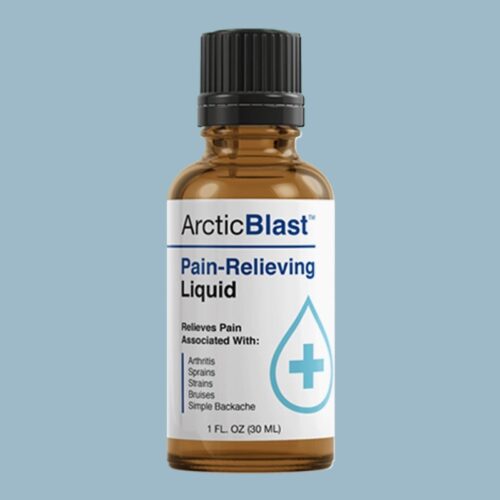
Arctic Blast
Original price was: $89.95.$59.95Current price is: $59.95. Buy From The Official Website -
Sale!

Feel Good Knees
Original price was: $30.00.$20.00Current price is: $20.00. Buy From The Official Website -
Sale!

Kailo
Original price was: $49.99.$39.99Current price is: $39.99. Buy From The Official Website -
Sale!

TheraPal Pro
Original price was: $99.95.$49.95Current price is: $49.95. Buy From The Official Website