
Discover the Peruvian Ginger Trick, a wellness-inspired formula designed to complement healthy lifestyle habits with the natural goodness of ginger, lemon, cinnamon, and apple cider vinegar. This trending wellness blend is crafted for individuals seeking a refreshing daily routine that supports hydration, digestive comfort, and mindful nutrition practices. Featuring carefully selected ingredients known for their traditional wellness uses, Peruvian Ginger Trick offers a simple and convenient way to add a warming, flavorful tonic to your day. Ideal for health-conscious individuals looking for a natural wellness companion, this formula fits easily into balanced routines without relying on extreme claims or complicated regimens.
Description
Social media wellness trends come and go quickly, but some attract attention because they combine ingredients already associated with long-standing traditional health practices. One of the latest examples is the “Peruvian Ginger Trick,” a warming tonic built around ginger root, lemon, apple cider vinegar, cinnamon, and other kitchen staples that wellness influencers claim may support digestion, reduce bloating, and complement healthy weight-management habits.
At Meridian Medical Centre, we believe wellness conversations should remain grounded in evidence, transparency, and realistic expectations. That is especially important when discussing trending natural remedies online. While the Peruvian Ginger Trick has generated viral attention across TikTok, YouTube, and wellness blogs, it is essential to separate anecdotal experiences from established medical science.
The good news is that several ingredients commonly used in the Peruvian Ginger Trick have individually been studied for digestive support, metabolic function, appetite regulation, and inflammatory balance. The less exciting truth is that no drink alone can “melt fat overnight,” reverse chronic disease, or replace evidence-based medical care.
This article explores what the Peruvian Ginger Trick actually is, where the trend originated, what science says about the ingredients involved, and how individuals can approach wellness beverages responsibly.
What Is the Peruvian Ginger Trick?
The Peruvian Ginger Trick is a homemade wellness tonic typically prepared using:
- Fresh ginger root
- Lemon juice
- Apple cider vinegar
- Cinnamon
- Warm water
- Optional additions such as cayenne pepper or raw honey
Many online recipes position the drink as part of a morning or nighttime wellness routine intended to support digestion and appetite awareness. Viral variations often describe it as a “metabolism-support” beverage or “fat-burning” tonic.
Although the name “Peruvian Ginger Trick” sounds exotic and medically authoritative, there is currently no recognized clinical protocol or formal medical treatment under this name. The label appears to be largely internet-driven marketing terminology connected to wellness culture and social media trends.
Still, the ingredients themselves are not random. Many have histories within traditional nutrition practices and complementary wellness systems around the world.
Why Ginger Became the Star Ingredient
Ginger has been used for centuries in culinary and traditional wellness practices throughout Asia, South America, and the Middle East. Modern research continues to investigate ginger’s active compounds, particularly gingerols and shogaols, for their biological effects.
Research has explored ginger’s potential relationship with:
- Digestive comfort
- Gastric emptying
- Nausea reduction
- Inflammatory pathways
- Appetite signaling
- Thermogenesis
Several wellness-focused publications discussing viral ginger recipes reference these properties when explaining why ginger drinks became popular online.
Importantly, researchers generally describe these effects as modest and supportive rather than transformative. Ginger is not considered a cure for obesity, diabetes, or metabolic disease.
The Cultural Appeal Behind the Trend
Part of the Peruvian Ginger Trick’s popularity comes from its simplicity.
Unlike highly processed supplements marketed with aggressive promises, this recipe uses familiar household ingredients. That simplicity makes the drink feel approachable and inexpensive.
Many people are also drawn to wellness rituals that feel sustainable. Drinking warm ginger tea in the morning may encourage hydration, mindfulness around eating habits, and reduced consumption of sugary beverages. Those indirect behavioral effects may contribute more to wellness outcomes than any “secret fat-burning hack.”
The social media environment also plays a role. Viral wellness content often promotes dramatic transformations, before-and-after stories, and simplified explanations for complex health issues. That emotional storytelling can make ordinary ingredients appear almost medicinal.
Meridian Medical Centre encourages readers to approach these narratives carefully and avoid interpreting anecdotal internet testimonials as medical evidence.
Breaking Down the Core Ingredients
Ginger Root
Ginger contains naturally occurring bioactive compounds including:
- Gingerol
- Shogaol
- Zingerone
Researchers have investigated these compounds for possible antioxidant and anti-inflammatory effects.
Some studies suggest ginger may contribute to:
- Improved digestion
- Temporary appetite regulation
- Reduced bloating sensations
- Mild thermogenic activity
However, the magnitude of these effects varies significantly between individuals.
A ginger drink should not be viewed as a substitute for balanced nutrition, physical activity, sleep quality, or professional medical guidance.
Lemon Juice
Lemon juice is frequently added for flavor and acidity, but it also provides vitamin C and antioxidant compounds.
People often associate lemon water with “detoxification,” though medically speaking, the body already possesses highly sophisticated detoxification systems involving the liver, kidneys, lungs, and gastrointestinal tract.
Hydration itself may help people feel more energized and reduce unnecessary snacking patterns. The inclusion of lemon can make water more appealing and encourage consistency.
Apple Cider Vinegar
Apple cider vinegar (ACV) has become one of the most discussed wellness ingredients online.
Research surrounding ACV primarily focuses on acetic acid and its possible relationship with:
- Appetite signaling
- Gastric emptying
- Blood sugar response
- Satiety
Some small studies suggest ACV may help certain individuals feel fuller after meals.
However, exaggerated internet claims often go far beyond available evidence.
Medical sources emphasize that apple cider vinegar is not comparable to prescription metabolic medications and should never replace physician-directed care.
Cinnamon
Cinnamon is commonly included for taste and warmth, but it has also been studied for potential metabolic effects.
Some research has explored cinnamon’s possible role in:
- Blood sugar regulation
- Insulin sensitivity
- Appetite management
Results remain mixed and inconsistent across clinical studies.
It is also important to recognize that excessive cinnamon intake may carry risks depending on the cinnamon type consumed. Cassia cinnamon contains coumarin, which can become problematic in large quantities over time.
Cayenne Pepper
Some Peruvian Ginger Trick recipes include cayenne pepper because capsaicin has been studied for temporary thermogenic effects.
Capsaicin may modestly increase heat production and influence satiety signals in some individuals. However, effects are typically small and highly variable.
For people with gastrointestinal sensitivity, spicy ingredients may cause discomfort rather than wellness benefits.
Does the Peruvian Ginger Trick Actually Support Weight Loss?
This is where realism matters most.
There is currently no high-quality evidence proving that the Peruvian Ginger Trick itself causes substantial or sustained weight loss.
That said, some ingredients within the drink have individually been researched for modest supportive effects related to appetite awareness, digestion, hydration, and metabolic function.
A more accurate interpretation would be:
The drink may complement healthy lifestyle behaviors for some individuals, particularly when replacing higher-calorie beverages or becoming part of a mindful wellness routine.
That is very different from claiming it “burns belly fat overnight” or “melts pounds while sleeping.”
Meridian Medical Centre strongly discourages exaggerated claims surrounding any natural wellness trend.
The Role of Morning Rituals in Wellness
One overlooked reason these wellness drinks gain traction is behavioral psychology.
Structured morning routines can support consistency in healthy habits.
For example, someone who begins the day with:
- Hydration
- Intentional nutrition
- Reduced sugary beverage intake
- Mindful eating practices
may naturally make healthier decisions throughout the day.
In that context, the Peruvian Ginger Trick may function less as a miracle beverage and more as a ritual that encourages healthier patterns.
That distinction matters.
A Research-Based Perspective on “Detox” Claims
The word “detox” appears constantly in online discussions surrounding ginger drinks, ACV tonics, and viral wellness recipes.
From a medical standpoint, detoxification is not something a single beverage performs independently.
The human body already includes sophisticated detoxification systems involving:
- The liver
- Kidneys
- Gastrointestinal tract
- Skin
- Lungs
No evidence currently supports claims that ginger drinks “flush toxins” in a medically measurable way.
However, staying hydrated, eating nutrient-dense foods, supporting digestive health, and limiting ultra-processed foods can contribute to overall wellness and organ function.
That is a far more accurate interpretation than social media detox marketing.
Potential Digestive Benefits
Many people who enjoy ginger-based wellness drinks report:
- Reduced bloating sensations
- Greater digestive comfort
- Feeling lighter after meals
These experiences may be connected to ginger’s relationship with gastric motility and digestive stimulation.
Warm beverages themselves may also encourage relaxation and slower eating patterns.
Still, digestive symptoms can stem from many underlying causes. Chronic bloating, abdominal discomfort, unexplained weight changes, or persistent gastrointestinal symptoms should be evaluated by a qualified healthcare professional.
Could the Drink Affect Blood Sugar?
Some studies involving apple cider vinegar and cinnamon have explored potential blood sugar-related effects.
However:
- Results remain inconsistent
- Effects are typically modest
- Individual responses vary greatly
- Interactions with medications are possible
People with diabetes, hypoglycemia, insulin resistance, or those using blood sugar medications should speak with their healthcare provider before routinely consuming concentrated vinegar drinks.
No home beverage should replace prescribed diabetes management plans.
Safety Considerations
Although the ingredients are common kitchen staples, “natural” does not automatically mean risk-free.
Potential concerns may include:
Acidic Erosion
Apple cider vinegar and lemon juice are acidic and may contribute to:
- Tooth enamel erosion
- Throat irritation
- Gastrointestinal discomfort
Using a straw and rinsing with water afterward may help reduce exposure.
Medication Interactions
Apple cider vinegar may interact with:
- Diabetes medications
- Diuretics
- Potassium-altering medications
People with medical conditions should seek individualized guidance before introducing concentrated vinegar drinks regularly.
Digestive Sensitivity
Some individuals may experience:
- Acid reflux
- Nausea
- Stomach irritation
- Bloating from acidic ingredients
Starting with smaller quantities may help assess tolerance.
A Balanced Recipe Approach
For individuals interested in trying the Peruvian Ginger Trick responsibly, moderation matters.
A simple preparation may include:
- 1 cup warm water
- 1 teaspoon grated fresh ginger
- Juice from half a lemon
- 1 teaspoon apple cider vinegar
- Optional cinnamon sprinkle
Some people also add honey for taste.
The drink should be viewed as a wellness beverage rather than a therapeutic treatment.
The Psychology of “Secret Tricks” in Wellness Marketing
Terms like:
- “Japanese secret”
- “Peruvian trick”
- “ancient fat-burning formula”
- “one weird ingredient”
are commonly used in online wellness marketing because they generate emotional curiosity.
Consumers should remain cautious whenever content relies heavily on:
- Miracle language
- Urgency
- Fear-based messaging
- Claims of effortless transformation
Evidence-based wellness typically looks far less dramatic than social media advertising.
Long-term health improvements generally involve consistent habits rather than hidden shortcuts.
The Importance of Sustainable Health Strategies
The most meaningful wellness outcomes usually stem from:
- Balanced nutrition
- Adequate sleep
- Physical activity
- Stress management
- Preventive healthcare
- Sustainable routines
A ginger tonic may fit into that larger picture for some individuals, but it should never become the center of a wellness strategy.
At Meridian Medical Centre, we encourage readers to focus on long-term health behaviors rather than chasing viral promises.
Social Media Trends vs. Clinical Evidence
One challenge with viral wellness trends is the speed at which anecdotal experiences spread online.
Anecdotes can feel compelling because they are emotional and personal. However, scientific evaluation requires:
- Controlled studies
- Reproducibility
- Peer review
- Population analysis
- Long-term safety data
Currently, the Peruvian Ginger Trick lacks direct clinical evidence as a distinct protocol.
What exists instead is limited research on individual ingredients.
That distinction is important for responsible health communication.
Can Wellness Drinks Replace Medical Treatment?
No.
This point cannot be emphasized enough.
Natural wellness beverages should never replace:
- Physician-directed treatment
- Prescribed medications
- Diagnostic evaluations
- Nutritional counseling
- Chronic disease management plans
Individuals experiencing persistent fatigue, unexplained weight gain, digestive symptoms, metabolic concerns, or blood sugar abnormalities should seek personalized medical evaluation.
Why Many People Still Enjoy the Peruvian Ginger Trick
Despite the exaggerated marketing often surrounding the trend, there are understandable reasons why people continue enjoying ginger-based wellness drinks.
Many individuals appreciate that the beverage:
- Encourages hydration
- Provides a comforting routine
- Uses recognizable ingredients
- May support digestion
- Can replace sugary beverages
- Feels warming and energizing
Those practical benefits may explain the trend more accurately than dramatic internet claims.
Meridian Medical Centre’s Perspective
At Meridian Medical Centre, our approach to wellness focuses on informed decision-making and realistic expectations.
The Peruvian Ginger Trick is best understood as:
- A wellness beverage
- A hydration-supporting routine
- A potentially digestion-friendly drink
- A complementary lifestyle habit
It should not be interpreted as:
- A cure
- A medically proven fat-burning treatment
- A replacement for clinical care
- A guaranteed weight-loss strategy
Some ingredients involved may offer modest supportive wellness effects, but long-term health outcomes still depend on broader lifestyle patterns and individualized healthcare guidance.
Final Thoughts
The Peruvian Ginger Trick reflects a broader cultural interest in natural wellness routines and kitchen-based health practices. Ginger, lemon, cinnamon, and apple cider vinegar have all earned attention in nutrition discussions because they contain biologically active compounds that researchers continue studying.
Still, responsible wellness communication requires honesty.
No drink alone can override the complexity of metabolism, chronic disease, nutrition, sleep, stress, and human physiology.
For individuals who enjoy the taste and ritual of ginger tonics, the Peruvian Ginger Trick may serve as a refreshing addition to a balanced wellness lifestyle. But sustainable health improvements continue to come from evidence-based habits practiced consistently over time.
Readers considering significant dietary or wellness changes—especially those with chronic health conditions or medication use—should consult qualified healthcare professionals for personalized guidance.
Natural wellness trends can be interesting and enjoyable, but informed choices remain the strongest foundation for long-term health.
Related products
-
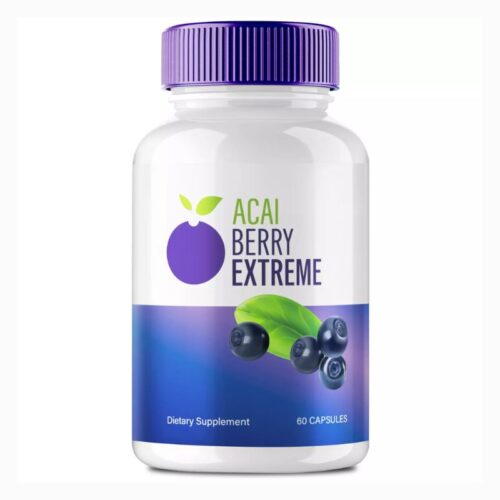
Acai Berry Extreme
$19.95 Buy From The Official Website -
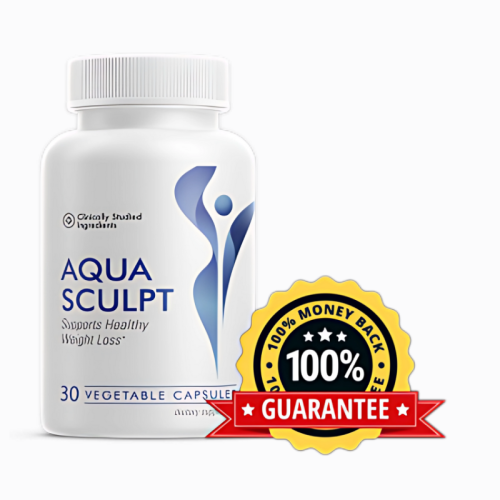
AquaSculpt
$39.00 Buy From The Official Website -
Sale!
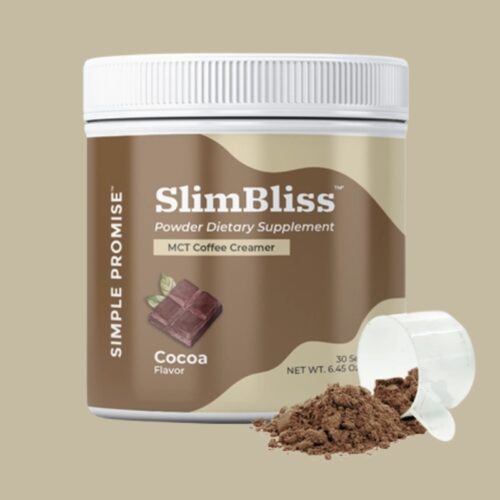
SlimBliss
Original price was: $59.00.$33.00Current price is: $33.00. Buy From The Official Website -
Sale!
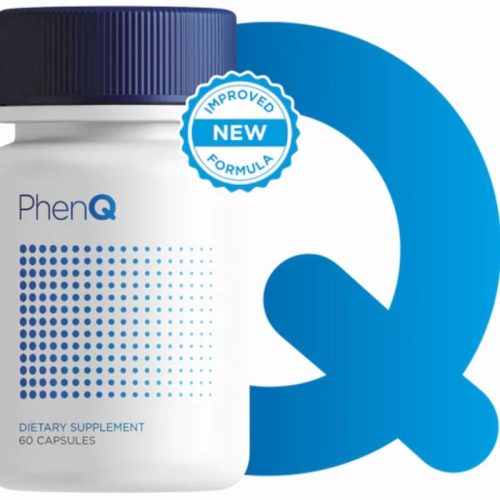
PhenQ
Original price was: $69.99.$59.49Current price is: $59.49. Buy From The Official Website