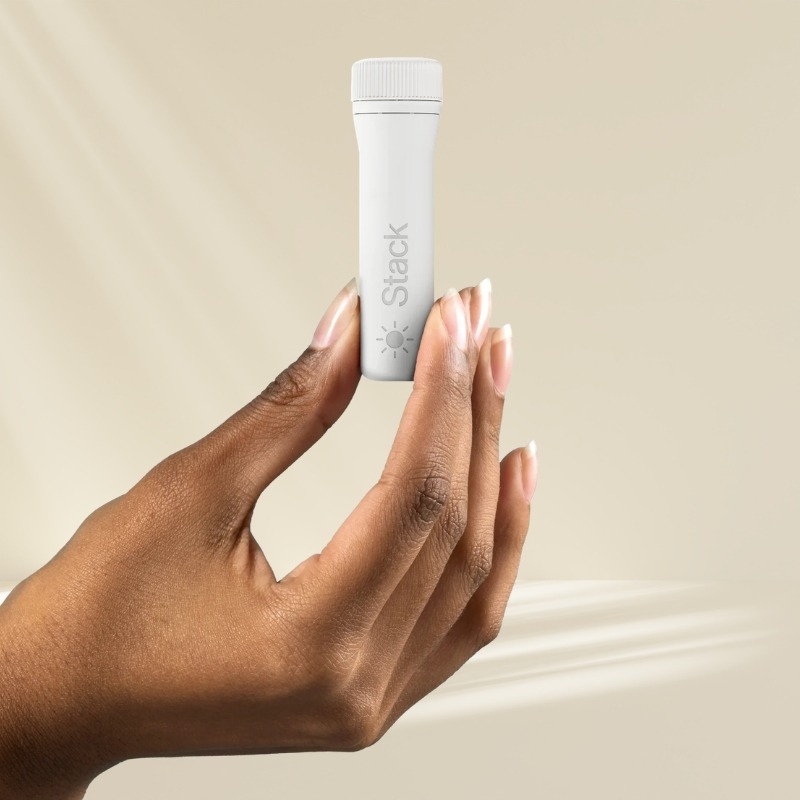
Original price was: $80.00.$70.00Current price is: $70.00.
Description
Healthcare is entering a phase where personalization, data, and daily habit integration are becoming central to how individuals approach wellness. Traditional models—reactive, clinic-based, and episodic—are gradually being complemented by tools that operate continuously in the background of everyday life.
Within this shift, PHI Health has emerged as a platform attempting to bridge two previously separate domains:
- Digital health intelligence (AI-driven insights, journaling, tracking)
- Physical supplementation (vitamin and mineral delivery systems)
Rather than positioning itself solely as a supplement brand or a digital health app, PHI Health presents an integrated ecosystem designed to support ongoing lifestyle optimization.
This article explores the structure, scientific positioning, and practical implications of the PHI Health model—particularly its AI health journal and its supplement system known as Stack™.
Understanding PHI Health: Platform Overview
PHI Health is a wellness-focused company combining AI-powered health journaling with a structured supplement system.
At its core, the platform consists of two main components:
1. Phi AI Health Journal
A mobile-based system that allows users to:
- Track daily health inputs and behaviors
- Interact with an AI assistant
- Generate personalized insights based on patterns and data
According to the App Store listing, the AI system can:
- Help users set goals and track progress
- Suggest fitness or lifestyle adjustments
- Provide conversational guidance based on user inputs
This aligns with the broader category of personal health records (PHRs)—tools that allow individuals to collect and manage their own health data outside clinical environments .
2. Stack™ Supplement System
The second pillar is a vitamin system designed around timing and absorption.
Key characteristics:
- Divided into Day Stack™ and Night Stack™
- Uses micro-encapsulated nutrients
- Employs phase-release delivery over several hours
The goal, according to the company, is to:
- Align nutrient delivery with circadian rhythms
- Reduce competition between nutrients
- Improve consistency of nutrient availability throughout the day
The Problem PHI Health Attempts to Solve
1. Fragmented Health Data
Most individuals:
- Track some behaviors (steps, sleep, diet)
- Ignore others
- Lack a unified system to interpret patterns
AI journaling attempts to solve this by:
- Aggregating inputs
- Creating contextual memory over time
2. Supplement Inefficiency
Traditional multivitamins often:
- Deliver nutrients simultaneously
- Ignore interactions between compounds
- Rely on high doses to compensate for absorption variability
Scientific literature suggests:
- Certain nutrients compete for absorption pathways
- Timing and combinations influence bioavailability
PHI Health’s approach focuses on sequencing and separation of nutrients rather than simply increasing dosage.
The Science Behind Stack™
Phase-Release Micropill Technology
The system uses micro-encapsulation, where nutrients are enclosed in small beads that dissolve at different times.
According to PHI:
- Nutrients are released in two phases over ~9 hours
- Competing nutrients are separated
- Synergistic nutrients are paired
This approach is designed to address:
- Nutrient competition (e.g., calcium vs magnesium)
- Short-lived absorption spikes
- Inconsistent nutrient availability
Circadian Alignment: Day vs Night
The system is divided into two functional phases:
Day Stack™
Positioned to support:
- Energy metabolism
- Focus and cognitive function
- Daily physiological processes
Includes nutrients such as:
- B-complex vitamins (energy metabolism)
- Iron (oxygen transport)
- Vitamin C (immune function)
These nutrients are described as supporting cellular processes like ATP production and neurotransmitter synthesis .
Night Stack™
Positioned to align with:
- Sleep cycles
- Recovery processes
- Overnight physiological regulation
Includes minerals commonly associated with relaxation pathways:
- Magnesium
- Zinc
- Calcium
The nighttime release is designed to extend across sleep cycles.
Compliance note: These are supportive roles, not treatment claims.
AI Health Companion: Role and Limitations
The Phi AI system is presented as:
- A listener
- A pattern recognizer
- A longitudinal memory system
Unlike clinical tools, it does not:
- Diagnose conditions
- Replace medical advice
- Provide regulated medical recommendations
Instead, it functions similarly to:
- Behavioral coaching tools
- Reflective journaling systems
- Data-driven habit trackers
This distinction is critical for compliance and user expectations.
Personalization: The Core Value Proposition
The most compelling aspect of PHI Health is not the supplement or the app individually—but the feedback loop between them.
How the Loop Works:
- User logs data (sleep, mood, habits)
- AI detects patterns
- User continues supplement protocol
- AI refines recommendations over time
This creates a system of:
- Input (nutrients)
- Observation (data tracking)
- Adaptation (AI insights)
Ingredient Quality and Formulation Approach
According to the brand:
- Ingredients are pharmaceutical-grade
- Designed to be:
- Allergen-conscious (no gluten, dairy, etc.)
- Consistently dosed
From a regulatory standpoint:
- “Pharmaceutical-grade” is not a regulated term in supplements
- Must be treated as brand-level quality positioning
Potential Advantages
1. Structured Routine
A two-capsule system simplifies:
- Morning vs evening supplementation
- Habit formation
2. Timing-Based Delivery
May address:
- Nutrient interaction timing
- Sustained availability vs single-dose spikes
3. Integrated Data Awareness
AI journaling can:
- Encourage consistency
- Improve user awareness of habits
Limitations and Considerations
1. Lack of Independent Clinical Trials
While ingredients are researched individually:
- System-level outcomes are not widely published
2. AI Interpretation Risks
- Insights depend on user input quality
- Not equivalent to clinical evaluation
3. Supplement Variability
- Individual response to nutrients varies
- Absorption can depend on diet, gut health, and lifestyle
Safety and Usage Considerations
- Supplements may interact with medications
- Nutrient needs vary by:
- Age
- Health status
- Existing deficiencies
Users should consult a licensed professional before:
- Starting new supplement regimens
- Replacing existing protocols
Final Assessment
PHI Health represents a modern attempt to unify:
- Behavioral awareness (AI)
- Nutritional support (supplements)
- Long-term habit tracking
Its differentiation lies not in any single feature, but in how these elements are combined into a continuous system.
However, from a clinical and compliance perspective:
- It should be viewed as a wellness support tool, not a medical solution
- Its claims should be interpreted as brand positioning, not established outcomes
Bottom Line
PHI Health introduces a structured, technology-driven approach to daily wellness that combines AI-guided insights with a phased supplement system.
For users interested in:
- Tracking health behaviors
- Building consistent routines
- Exploring structured supplementation
It may offer a cohesive framework.
For medical decision-making or treatment:
- It should not replace professional care.
Related products
-

Moon Juice Sleepy Girl Mocktail
Buy From The Official Website -
Sale!
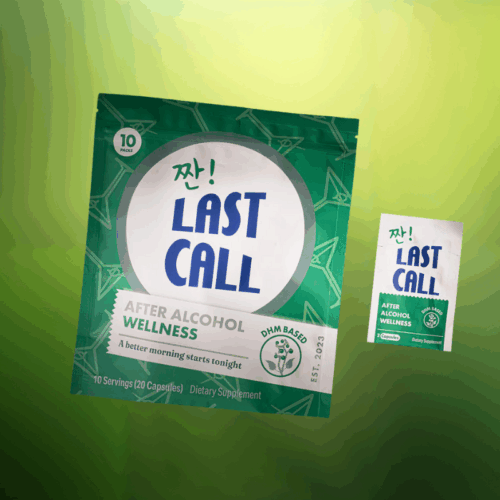
Last Call Hangover Supplement
Original price was: $34.99.$29.74Current price is: $29.74. Buy From The Official Website -
Sale!
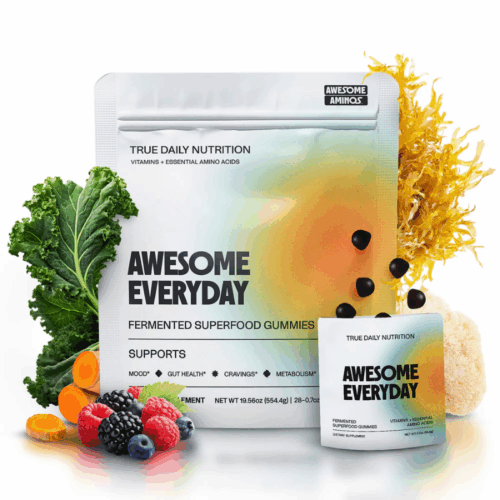
Awesome Aminos Awesome Everyday
Original price was: $70.00.$59.00Current price is: $59.00. Buy From The Official Website -
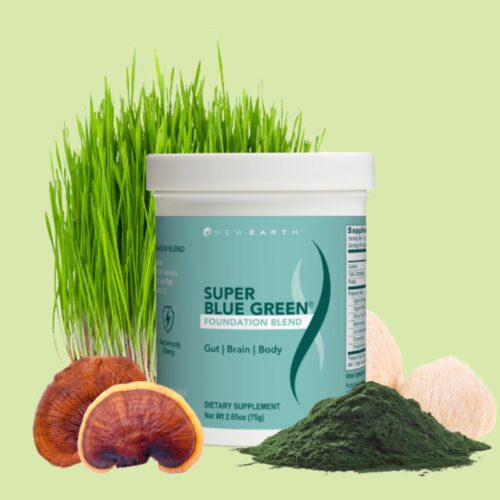
New Earth Super Blue Green
$39.99 Buy From This Website