Description
In a digital landscape saturated with complex diet protocols, pharmaceutical weight-loss discussions, and biohacking routines, a surprisingly simple concept has resurfaced: the pink gelatin trick.
This minimalist approach—often presented as a colorful pre-meal drink or snack—has gained traction across social media platforms, where short-form videos amplify its visual appeal and perceived simplicity. However, beneath the viral buzz lies a much more grounded explanation rooted in basic nutrition science.
At its core, the pink gelatin trick is not a breakthrough intervention. It is a variation of a long-standing dietary behavior: consuming a small amount of protein before meals to support satiety and portion awareness.
For a medical audience, the relevance is not in the trend itself—but in understanding:
- Why such rituals gain traction
- What mechanisms (if any) support their use
- How they should be interpreted within evidence-based care
This article explores the pink gelatin trick morning ritual through that lens.
What Is the Pink Gelatin Trick Morning Ritual?
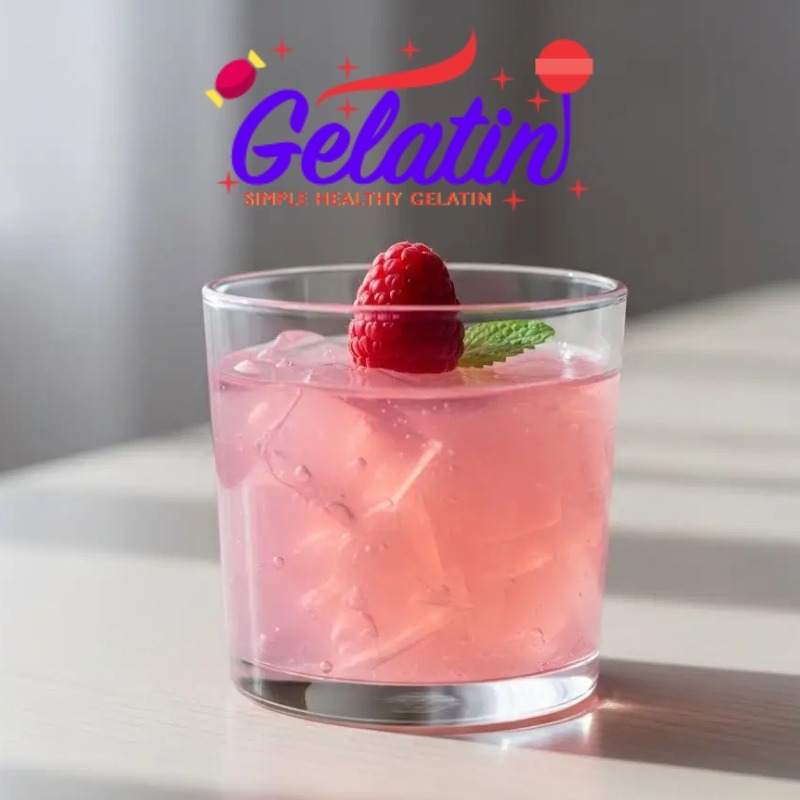
The pink gelatin trick refers to a pre-meal consumption routine involving gelatin dissolved in liquid, often enhanced with color or flavor.
Core Concept
The foundational structure remains consistent:
- Unflavored gelatin (protein source)
- Liquid (water, tea, or juice)
- Optional flavor/color (e.g., berry extract, hibiscus, or sugar-free mix)
It is typically consumed:
- 15–30 minutes before a meal
- Often in the morning or before the largest meal
Why “Pink”?
The pink variation is purely aesthetic and sensory:
- Derived from fruit-based liquids or added flavoring
- Improves taste and adherence
- Enhances visual appeal for social media
Importantly:
- The color does not change physiological function
The Morning Ritual Framework
The “morning ritual” version is where this trend becomes clinically interesting.
Rather than focusing on the gelatin itself, the structure introduces:
- A pause before eating
- A preload of protein
- A behavioral cue for mindful eating
Typical Routine Structure
- Wake and hydrate
- Prepare gelatin mixture
- Consume slowly
- Wait 15–30 minutes
- Eat breakfast
This sequence introduces a time buffer, which may influence:
- Hunger perception
- Meal pacing
- Portion selection
The Science Behind It: What Actually Happens
1. Protein and Satiety
Gelatin is a protein derived from collagen. Protein intake before meals is associated with increased satiety signals.
Some research suggests gelatin may produce higher short-term fullness compared to other proteins.
Possible mechanisms:
- Delayed gastric emptying
- Hormonal signaling (e.g., GLP-1, though not equivalent to medications)
- Reduced immediate hunger cues
2. Behavioral Preloading
From a clinical standpoint, the most relevant mechanism is not biochemical—it is behavioral.
Consuming something before a meal can:
- Reduce impulsive eating
- Lower total calorie intake indirectly
- Increase awareness of hunger vs. habit
3. Structured Eating Patterns
Morning rituals—regardless of content—can:
- Stabilize eating timing
- Reduce chaotic snacking
- Improve adherence to dietary goals
What It Does NOT Do (Critical Clarification)
To maintain medical integrity:
The pink gelatin trick does NOT:
- Burn fat directly
- Replace medications
- Alter metabolism independently
- Produce guaranteed weight loss
Any observed weight change is likely due to:
- Reduced calorie intake
- Improved eating structure
- Behavioral consistency
Common Variations of the Pink Gelatin Ritual
Because there is no standardized recipe, variations are widespread.
1. Classic Version
- Gelatin + water
- Neutral taste
2. Pink Drink Version
- Gelatin + flavored liquid (berry, hibiscus)
- Improved palatability
3. Electrolyte Version
- Gelatin + water + mineral salt
- Positioned for hydration support
4. Chilled Cube Version
- Gelatin set into cubes
- Used as snack replacement
All versions share the same functional principle: pre-meal intake for satiety support
Why This Trend Went Viral
Understanding virality is critical for medical communication.
1. Visual Simplicity
Bright pink gelatin is visually distinctive and repeatable across platforms.
2. Low Barrier to Entry
- Few ingredients
- Minimal preparation
- Low cost
3. Misinterpretation of Mechanism
Short-form content often compresses explanations, leading to:
- Overstated claims
- Misleading comparisons
- Lack of nuance
Safety and Clinical Considerations
Generally Low Risk (For Healthy Individuals)
Gelatin is widely consumed and generally considered safe as a food ingredient.
However, caution is advised for:
- Patients with dietary protein restrictions
- Individuals with digestive sensitivities
- Post-bariatric surgery patients (requires clinician guidance)
Additional Considerations
- Flavored versions may contain artificial sweeteners
- Juice-based versions may increase sugar intake
- Overuse may displace balanced meals
Clinical Interpretation for Healthcare Settings
From a provider perspective, the pink gelatin ritual can be reframed as:
A Behavioral Tool
- Encourages structured eating
- Supports appetite awareness
A Compliance Strategy
- Easy to follow
- Low cognitive load
Not a Treatment Protocol
- Should not replace medical advice
- Should not be positioned as therapy
The Psychology of “Simple Rituals” in Wellness
The popularity of this trend reflects a broader phenomenon:
Patients and consumers are drawn to:
- Simple, repeatable actions
- Tangible routines
- Low-effort interventions
These rituals often succeed not because of biochemical power, but because they:
- Reduce decision fatigue
- Increase consistency
- Create perceived control
How to Present This Safely on Meridian Medical Centre
Recommended Framing
Use language such as:
- “May support satiety”
- “Can be used as a structured eating routine”
- “A behavioral approach to meal timing”
Avoid:
- “Weight loss hack”
- “Fat-burning trick”
- “Doctor-approved solution”
Practical Implementation
For individuals interested in trying structured pre-meal routines:
- Start with one daily use
- Observe tolerance and satiety response
- Maintain balanced meals
- Avoid replacing core nutrition
Consistency—not intensity—is the relevant factor.
Final Medical Perspective
The pink gelatin trick morning ritual is best understood not as a breakthrough, but as a simplified expression of established nutritional principles.
Its value lies in:
- Structure
- Simplicity
- Behavioral reinforcement
Its limitations are equally important:
- No direct fat-loss mechanism
- No substitute for comprehensive care
- No universal effectiveness
For clinicians and informed readers, the key takeaway is clear:
This is not a solution—but it may serve as a tool within a broader, evidence-based approach to nutrition and lifestyle management.
Frequently Asked Questions About the Pink Gelatin Trick Morning Ritual
What is the pink gelatin trick morning ritual?
The pink gelatin trick morning ritual refers to consuming a gelatin-based drink or snack—often colored or flavored—before a meal, typically in the morning. It is commonly used as a structured eating habit to support feelings of fullness prior to breakfast or other meals.
Does the pink gelatin trick help with weight loss?
There is no clinical evidence showing that gelatin directly causes weight loss. However, consuming a small amount of protein before meals may help some individuals feel fuller, which could indirectly support reduced calorie intake as part of a broader nutrition plan.
How does gelatin affect appetite?
Gelatin is a protein derived from collagen, and protein intake is generally associated with increased satiety. Some individuals may feel less hungry after consuming gelatin before a meal, though responses can vary.
Why is it called the “pink” gelatin trick?
The “pink” label typically comes from added ingredients such as berry juice, hibiscus, or flavored mixes that give the gelatin a pink color. The color itself does not influence how the body processes gelatin.
When should you take the pink gelatin drink?
Most variations suggest consuming it about 15 to 30 minutes before a meal, often in the morning. This timing is intended to allow the body to register fullness signals before eating.
Can the pink gelatin trick replace meals?
No. The pink gelatin trick is not designed to replace meals. It is intended to be used alongside a balanced diet, not as a substitute for proper nutrition.
Is the pink gelatin trick safe?
For generally healthy individuals, gelatin is widely used as a food ingredient and is typically considered safe in moderate amounts. However, individuals with specific dietary restrictions or medical conditions should consult a qualified healthcare professional before making changes to their routine.
Are there any side effects of using gelatin daily?
Some people may experience mild digestive discomfort depending on the amount consumed and individual tolerance. Additionally, flavored versions may contain added sugars or artificial ingredients that should be considered.
Does the pink gelatin trick work the same for everyone?
No. Individual responses to dietary routines can vary based on metabolism, eating habits, and overall lifestyle. What works for one person may not produce the same results for another.
Is this similar to medical weight loss treatments?
No. The pink gelatin trick is a dietary habit, not a medical treatment. It should not be compared to prescription therapies or used as a replacement for professional medical care.
Can you use flavored gelatin instead of unflavored?
Some people use flavored gelatin for convenience, but it may contain added sugars, artificial sweeteners, or additives. Unflavored gelatin allows more control over ingredients.
What is the main benefit of this morning ritual?
The primary potential benefit is structure. Establishing a consistent pre-meal routine may help some individuals become more mindful of their eating patterns and portion sizes.
Can this ritual improve digestion or gut health?
There is limited evidence to support specific digestive benefits from this routine alone. Any perceived improvements are likely related to overall dietary patterns rather than gelatin itself.
How long does it take to see results?
There is no standardized timeline, as outcomes depend on overall lifestyle, diet, and consistency. The ritual should be viewed as a supportive habit rather than a results-driven intervention.
Should you consult a doctor before trying this?
If you have underlying health conditions, dietary restrictions, or are following a medical treatment plan, it is advisable to consult a licensed healthcare provider before introducing new dietary habits.