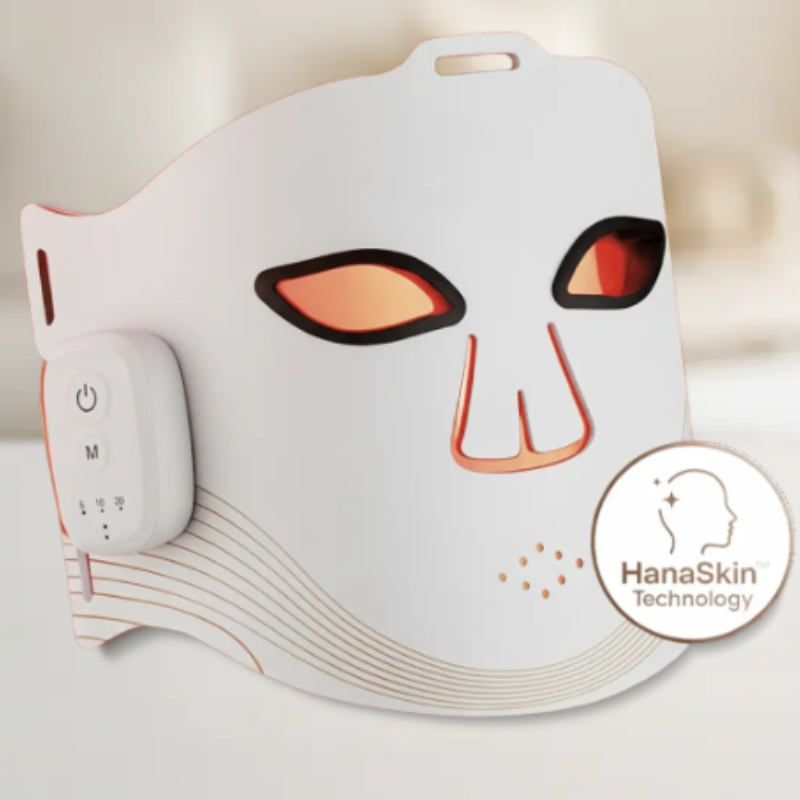
$89.00
Achieve a radiant, youthful complexion from the comfort of home with the Qinux LumiAri Red Light Therapy Mask, your ultimate skincare solution for professional-grade rejuvenation. Tired of dull skin, fine lines, and stubborn blemishes that traditional creams cannot seem to fix? This advanced mask utilizes targeted LED light wavelengths to stimulate collagen production, reduce the appearance of wrinkles, and improve overall skin texture. Featuring a comfortable, hands-free design and simple controls, it fits effortlessly into your daily routine. Choose Qinux LumiAri to restore your natural glow, boost your confidence, and elevate your skincare game!
Description
At-home LED skin care has moved from a niche beauty trend into one of the more recognizable categories in modern beauty technology. Instead of scheduling appointments or building an increasingly complicated collection of serums, consumers are looking for convenient devices that can become part of an ordinary evening skin-care routine. Qinux LumiAri – Red Light Therapy Mask enters this market as a wearable LED facial mask designed around multiple wavelengths of light, short treatment sessions, and hands-free home use.
According to the Qinux product page, LumiAri combines red, blue, infrared, and violet light through what the brand calls HanaSkin™ Technology. The company positions the mask primarily around cosmetic concerns such as the appearance of fine lines, uneven-looking tone, dullness, blemishes, firmness, and overall skin radiance. The product is also promoted as lightweight and wireless enough to wear while relaxing, reading, or watching television.
Those characteristics make Qinux LumiAri particularly interesting for consumers researching an at-home red light therapy mask, LED face mask for skin care, red light facial mask, or convenient alternative to recurring professional LED appointments.
It is important, however, to distinguish marketing language from established medical claims. The LumiAri website itself states that the product is not intended to diagnose, treat, cure, or prevent disease and describes it as not intended for medical use. Results can also vary substantially between individuals.
With that distinction in mind, LumiAri offers an appealing concept: make multi-wavelength LED skin care accessible enough that users can integrate it into their existing routine rather than treating skin care like another appointment on the calendar.
What is Qinux LumiAri – Red Light Therapy Mask?
Qinux LumiAri – Red Light Therapy Mask is a wearable LED facial device intended for cosmetic and personal skin-care use at home. Rather than applying an active cream or topical ingredient to the skin, the mask uses LEDs that emit different wavelengths of light toward the face.
The official product page describes four categories of light: red, blue, infrared, and violet. Qinux markets this combination as HanaSkin™ Technology and says the different wavelengths allow one mask to address several appearance-related skin concerns rather than concentrating on a single cosmetic goal.
The concept belongs to the broader field commonly known as photobiomodulation or LED light therapy. The FDA describes photobiomodulation in general as the use of very low doses of visible light that generally do not heat tissue in the way thermal technologies do. The effects and intended uses depend significantly on the individual device, wavelength, output, treatment parameters, and regulatory status.
For that reason, the general science surrounding light-based devices should not automatically be interpreted as proof that every commercially available LED mask produces identical outcomes.
What makes LumiAri attractive from a practical standpoint is its emphasis on simplicity. Qinux describes the mask as wireless and lightweight and offers selectable sessions of 5, 10, 15, or 20 minutes. The brand specifically suggests that users can wear it while performing low-effort activities such as reading or watching television.
The current ordering page also offers the mask in black or white, giving buyers at least some ability to choose the appearance of the device.
In other words, LumiAri is best understood as a home beauty-tech device rather than a replacement for dermatological assessment or treatment. Its strongest proposition is convenience: an LED skin-care routine that can take place without leaving home.
How Does Qinux LumiAri – Red Light Therapy Mask Work?
Qinux LumiAri works by positioning multiple LEDs close to the facial skin so that light can be delivered across a broad portion of the face during a timed session.
The brand says its HanaSkin™ Technology combines red, blue, infrared, and violet light. Qinux attributes different cosmetic purposes to these wavelengths and markets the combination around concerns such as dull-looking skin, uneven tone, blemishes, fine lines, firmness, and general skin appearance.
The basic principle behind LED phototherapy is relatively straightforward. Different wavelengths interact with tissue differently because different wavelengths penetrate and are absorbed in different ways. Red and near-infrared wavelengths, for example, are widely investigated within photobiomodulation research, while blue light is used in certain dermatological and cosmetic applications.
That does not mean a consumer should assume every red or blue LED device will provide the same outcome. Wavelength, irradiance, treatment distance, exposure duration, total dose, design, and consistency of use all matter.
Qinux says LumiAri uses comparatively high light density to create even coverage and promote efficient sessions, although the company does not provide enough comparative technical evidence on the public-facing page to independently validate broader superiority claims against every competing LED mask.
The user chooses a treatment duration, places the mask over the face, activates the desired session and allows the LEDs to operate for the selected period. Qinux lists 5-, 10-, 15-, and 20-minute options, and its promotional materials commonly discuss sessions in the 10-to-20-minute range.
No needles, exfoliating acids, abrasive surfaces, or topical medications are necessary for the light-delivery process itself. That helps explain why LED masks appeal to consumers who want a low-effort beauty routine.
Still, light-based devices are not appropriate for every person. Photosensitivity, photosensitizing medications, eye concerns, certain medical conditions, pregnancy, active skin problems, and other individual circumstances can affect suitability. Anyone with those concerns should consult a qualified healthcare professional before using an LED light device.
Qinux LumiAri – Red Light Therapy Mask Features
Qinux LumiAri combines several features that help distinguish it from extremely basic single-color LED masks. The emphasis is not simply on red light, but on creating a multi-mode facial skin-care device that can be incorporated into everyday life.
HanaSkin™ Multi-Light Technology
The defining feature is what Qinux calls HanaSkin™ Technology. According to the brand, the system combines red, blue, infrared, and violet light rather than relying on only one visible wavelength.
This gives LumiAri a broader cosmetic positioning. Someone primarily interested in the appearance of fine lines may be drawn to red-light functionality, while a user who also experiences occasional blemish-prone skin may appreciate having multiple light modes available within one device.
Consumers should nevertheless view these modes as cosmetic skin-care features rather than guaranteed treatment outcomes.
Advanced LED Phototherapy Design
Qinux describes LumiAri as using a relatively dense LED arrangement intended to distribute light evenly across the face. Even illumination matters because an LED mask is most useful when it can expose the desired facial area consistently rather than concentrating the output into only a few small spots.
The company promotes this arrangement as providing effective coverage within comparatively short sessions.
Multiple Session Lengths
Convenience can make or break an at-home beauty device. A product that requires a complicated half-hour procedure every night can quickly end up abandoned in a drawer.
LumiAri offers selectable sessions of 5, 10, 15, or 20 minutes, according to the official FAQ.
That flexibility allows users to build LED sessions around their schedules instead of restructuring an entire evening around the device.
Wireless, Hands-Free Use
The brand specifically promotes LumiAri as a wireless, lightweight mask that allows users to move around rather than remain physically connected to a stationary machine. Qinux suggests users can read, watch television, relax, or perform simple activities while wearing it.
That is potentially one of the mask’s most meaningful practical advantages. Skin-care products generally work best as routines when they are easy enough for people to use consistently.
Face-Fitting Wearable Design
Qinux says the mask is designed to fit closely and comfortably against the face. The brand also describes its materials as hypoallergenic and positions the device as suitable for different skin types.
Individuals with particularly sensitive skin or known material allergies should still check the product information carefully and discontinue use if irritation develops.
Red, Blue, Infrared and Violet Light Options
The inclusion of several light categories makes LumiAri more versatile than a straightforward red-light-only face mask.
Qinux associates the combined system with a variety of appearance-focused objectives, including smoother-looking skin, more even-looking tone, enhanced radiance, firmer appearance and support for blemish-prone skin.
Again, those are manufacturer-positioned cosmetic benefits rather than guaranteed results.
At-Home Format
Professional LED services require travel, appointment scheduling and repeated visits. LumiAri shifts the routine into the home.
That does not make a consumer mask equivalent to every professional system. Professional devices can differ considerably in wavelength accuracy, irradiance, treatment protocols and clinical oversight. The value proposition of LumiAri is instead accessibility and repeatability.
Users own the device and can incorporate it into their routine without booking another session.
Choice of Color
The live LumiAri ordering interface currently allows buyers to select black or white versions of the mask.
It is a small feature, but worthwhile for a wearable product that customers may use frequently.
Taken together, these features make Qinux LumiAri less about adding another complicated treatment to a beauty routine and more about making light-based skin care reasonably easy to repeat.
Benefits of Qinux LumiAri – Red Light Therapy Mask
Potential benefits should be considered in terms of the product’s intended cosmetic use, and individual results will differ.
- Convenient at-home skin care: LumiAri can be used without booking appointments or regularly traveling to a clinic or spa. For busy users, convenience may be the biggest benefit of owning a wearable LED face mask.
- Multiple light modes in one product: The combination of red, blue, infrared, and violet light gives users more versatility than a basic single-light mask. Qinux markets these modes around different cosmetic skin concerns.
- Short sessions: Selectable 5-, 10-, 15-, and 20-minute sessions make the device easier to fit around an existing morning or evening routine.
- Hands-free operation: Because the mask is designed to remain positioned over the face, users do not have to continuously hold a wand or handheld applicator.
- Wireless convenience: Qinux promotes LumiAri as a wireless device that can be used while relaxing or doing simple activities around the home.
- No topical treatment required for operation: LumiAri delivers light rather than depending on creams, peels, needles, or exfoliating compounds.
- Potential addition to an anti-aging skin-care routine: Qinux positions red and infrared light around the appearance of fine lines, firmness, and skin radiance. Those remain cosmetic goals rather than promises of reversing biological aging.
- Useful for people who dislike complicated routines: Once the mask is prepared and positioned properly, using it is largely a matter of selecting a session and allowing it to run.
- Potential long-term convenience compared with repeated appointments: Buying an at-home device involves an upfront cost, but users can subsequently perform sessions without paying for an appointment every time. Actual savings depend on how frequently the product is used and what alternative treatments someone would otherwise purchase.
- Routine-friendly format: A skin-care device that can be used while reading or relaxing may be easier to use consistently than something requiring active manipulation.
These benefits explain why at-home LED face masks have attracted increasing attention. LumiAri is ultimately most compelling for someone who wants convenient LED beauty technology, not someone seeking a substitute for medical dermatology.
Qinux LumiAri – Red Light Therapy Mask vs. Other Brands
The LED face-mask market now includes inexpensive entry-level products, premium beauty-tech masks and professionally oriented light systems. Consequently, the most useful way to compare LumiAri with other brands is not to declare one universal winner but to consider what each buyer actually needs.
One distinction is multi-wavelength capability. Some products concentrate predominantly on red and near-infrared light. LumiAri instead combines red, blue, infrared, and violet modes, giving it broader cosmetic positioning.
Another distinction is portability. LumiAri is promoted as lightweight and wireless, whereas some LED systems depend on wired controllers or larger panels. Consumers who want to read or move around during a session may value the wearable configuration.
Session flexibility also helps. LumiAri’s selectable 5-, 10-, 15-, and 20-minute options provide more scheduling flexibility than products locked to a single treatment duration.
Price should be compared carefully. A less expensive LED mask is not automatically a better value, while a more expensive mask is not automatically more effective. Important factors include wavelength specifications, output, facial coverage, comfort, warranty, return policy, build quality and regulatory documentation.
Qinux itself advertises LumiAri as substantially more powerful than competing masks and labels it the “#1 LED mask,” but the public product page does not provide sufficient head-to-head evidence to independently substantiate broad market-wide superiority claims. Those statements should therefore be understood as brand marketing claims, not established comparative findings.
A shopper comparing Qinux LumiAri vs. other red light therapy masks should therefore focus on confirmed features: four light categories, wearable construction, wireless use, multiple session lengths, the current promotional offer and the stated return period.
How to Use Qinux LumiAri – Red Light Therapy Mask
Using Qinux LumiAri is designed to be relatively straightforward, although purchasers should always follow the instructions supplied with the actual device.
Start with clean, dry skin unless the manufacturer instructions included with the product specify otherwise. Removing makeup, sunscreen and heavy cosmetic products beforehand gives the mask an unobstructed surface over which to deliver light.
Position LumiAri comfortably over the face and adjust the fit so that it remains secure without creating excessive pressure. Make sure the eye area is used exactly as instructed.
Next, choose the desired light setting and treatment duration. The LumiAri website lists options of 5, 10, 15, and 20 minutes. New users may prefer to begin conservatively and follow the manufacturer’s recommended schedule rather than assuming longer exposure automatically produces better results.
Once the session begins, relax and allow the device to run. Because LumiAri is marketed as wireless and hands-free, Qinux says users can read, watch television, or simply unwind during treatment.
When the session has finished, remove the mask and continue with an ordinary skin-care routine if desired.
Consistency is generally more sensible than excessive exposure. Do not extend sessions beyond the instructions in an attempt to accelerate cosmetic changes.
Anyone taking medication associated with photosensitivity, experiencing unusual skin sensitivity, managing a significant skin condition, or having medical concerns should discuss LED use with an appropriate healthcare professional before beginning.
The FDA also notes generally that light-based procedures may pose eye-related risks and identifies photosensitivity and photosensitizing medications among circumstances requiring particular caution.
Pros and Cons of Qinux LumiAri – Red Light Therapy Mask?
Qinux LumiAri has several appealing qualities, but consumers should look at both strengths and limitations before purchasing.
Pros
LumiAri combines red, blue, infrared, and violet light, which gives the mask more versatility than products offering only one light mode. The wearable format is convenient, and adjustable 5-to-20-minute sessions should make the device relatively easy to incorporate into daily life. Qinux also promotes wireless operation, allowing users to perform low-effort activities during a session.
Home ownership eliminates the need to book an appointment every time someone wants an LED skin-care session. The current sales page additionally promotes free shipping and a temporary discount.
Cons
LumiAri should not be treated as a medical therapy or as a replacement for professional dermatological care. The company itself states that it is not intended to diagnose, treat, cure, or prevent disease.
The public marketing page also makes some aggressive claims concerning relative power, skin results, acne, sleep and broader wellness outcomes without providing enough product-specific evidence on the page to independently verify all of them. Consumers should therefore keep expectations centered on cosmetic skin care rather than guaranteed transformations.
Results may take time, vary by person, or be subtle. Some people may also find wearing any facial mask uncomfortable.
Finally, certain users – including those with photosensitivity or who take photosensitizing medications – should seek professional guidance before using light-based technology.
How to Order Qinux LumiAri – Red Light Therapy Mask?
Qinux LumiAri is sold through the product’s online ordering system.
Begin by visiting the Qinux LumiAri website and selecting the order option. The checkout page currently allows shoppers to choose among packages containing one, two, three, or five LumiAri masks. Larger bundles may reduce the effective per-unit price depending on the current promotion and country-specific pricing.
Customers can then select the desired product color. At the time this article was researched, the checkout displayed black and white options.
The checkout may also display optional extras or extended warranty products. Review these carefully before submitting payment so that the final order contains only the products and services you actually want.
Next, enter the required shipping information, including the buyer’s name, contact information and delivery address. The current checkout page shows standard card payment along with several digital-payment options, although available methods may differ by market.
Review the final total before authorizing payment. This step matters because currencies, discounts, taxes, shipping arrangements, bundle pricing and optional add-ons can change according to location and current promotional campaigns.
For the most reliable transaction, purchase through the current Qinux LumiAri sales page rather than relying on outdated prices reproduced on third-party review sites.
Qinux LumiAri – Red Light Therapy Mask Included
The central item in a LumiAri order is the Qinux LumiAri LED facial mask itself. The ordering system currently allows buyers to choose packages of one, two, three, or five devices, meaning customers can purchase a single unit or obtain multiple masks for a household or as gifts.
Buyers can also choose between black and white versions at checkout.
The product incorporates the lighting system described by Qinux as HanaSkin™ Technology, with red, blue, infrared, and violet light functionality. The device also incorporates controls for choosing treatment sessions.
Exact accessories included in every regional package should be confirmed on the checkout page or packaging because bundles and package contents can change.
The current ordering interface also promotes optional items including additional beauty accessories and extended warranty coverage. Those appear as separate order enhancements rather than something consumers should automatically assume is included with every base LumiAri purchase.
That distinction matters when evaluating value. A product photograph may show accessories or additional items, but consumers should rely on the actual checkout description for the package being purchased.
Before completing an order, verify the quantity selected, color, optional products, warranty additions, shipping details, and final purchase total.
Qinux LumiAri – Red Light Therapy Mask Pricing and Money-Back Guarantee
At the time of research, Qinux is promoting LumiAri with up to 50% off and free shipping, while its official promotional page states that purchases come with a 14-day money-back guarantee.
The checkout offers quantities of 1x, 2x, 3x, and 5x Qinux LumiAri, with the effective per-unit cost decreasing on larger bundles in the localized checkout reviewed for this article.
One international version of the ordering page has displayed a single-unit promotional price equivalent to $114, down from a displayed reference price of $228, with the two-unit option shown at approximately $108 each. Because the Qinux system dynamically localizes currencies and offers, these figures should not be treated as universal pricing.
Important pricing correction: the $89 / $70 / $60 / $50 pricing supplied in the original article brief was labeled Qinux VibeSlim, not Qinux LumiAri. Those amounts therefore have not been presented here as verified LumiAri prices.
The guarantee should also be reviewed directly before purchase for eligibility requirements, deadlines, return authorization requirements, shipping obligations, and other terms.
Pricing disclaimer: Prices, discounts, bundle structures, shipping offers, currency conversions, availability, and guarantee terms are subject to change at any time. Always check the official Qinux LumiAri website and final checkout page for the most current pricing and terms before ordering.
Conclusion for Qinux LumiAri – Red Light Therapy Mask
Qinux LumiAri – Red Light Therapy Mask is an intriguing option for consumers who want to experiment with LED facial skin care without turning the process into another recurring appointment.
The device’s strongest qualities are practical. It combines red, blue, infrared, and violet light, provides multiple session lengths, uses a wearable hands-free format, and is promoted as wireless enough to fit into an evening at home. These characteristics address one of the biggest problems with beauty technology: even a sophisticated product has limited value when it is too inconvenient to use consistently.
LumiAri is especially likely to appeal to shoppers searching for an at-home LED face mask, red light therapy mask for cosmetic skin care, multi-color LED facial mask, anti-aging light therapy mask, or a convenient device for maintaining a modern skin-care routine.
Expectations nevertheless matter. Some of Qinux’s marketing language is stronger than the publicly available product-specific evidence supports. Claims about dramatically outperforming competitors, eliminating skin problems, or delivering broader health effects should not be interpreted as independently proven outcomes.
The most defensible reason to consider LumiAri is simpler: it provides several LED light modes in a user-friendly device designed for repeated cosmetic use at home.
Consumers seeking diagnosis or treatment for acne, persistent redness, changing pigmentation, painful lesions, significant skin disease, or other medical concerns should consult an appropriate healthcare professional rather than relying on a consumer beauty mask.
For buyers whose goal is instead to add convenient LED technology to an established beauty routine, Qinux LumiAri offers a combination of multi-wavelength light, short sessions and wearable convenience that makes it worth considering alongside other home LED masks.
Qinux LumiAri – Red Light Therapy Mask FAQs
1. What is Qinux LumiAri?
Qinux LumiAri is an at-home LED facial mask that uses red, blue, infrared, and violet light. Qinux markets it for cosmetic skin-care goals involving appearance, tone, radiance, blemishes, fine lines and firmness.
2. Is Qinux LumiAri a medical device?
The Qinux sales page specifically states that the product is not for medical use and is not intended to diagnose, treat, cure, or prevent disease. Consumers should therefore treat it as a cosmetic/personal-care device rather than a substitute for medical treatment.
3. What colors of light does LumiAri use?
According to Qinux, LumiAri combines red, blue, infrared, and violet light through the brand’s HanaSkin™ Technology.
4. How long should a LumiAri session last?
The official FAQ lists session options of 5, 10, 15, and 20 minutes. Users should follow the manufacturer’s instructions rather than assuming that longer exposure produces better results.
5. Can Qinux LumiAri be used every day?
Qinux’s marketing discusses regular use and refers to short daily sessions. Users should follow the frequency recommendations supplied with the device and reduce or discontinue use if unexpected irritation or sensitivity develops.
6. Is LumiAri painful?
Qinux says the mask is not intended to be painful, although some users may notice mild warmth. Individual experiences can differ.
7. Is LumiAri wireless?
Yes. Qinux promotes LumiAri as a lightweight, wireless mask that can be worn while reading, watching television, or relaxing.
8. Can men use Qinux LumiAri?
Yes. The brand specifically states that the device is intended for anyone interested in improving the appearance of their skin rather than being limited to one gender.
9. Does red light therapy remove wrinkles?
It is more accurate to discuss the appearance of fine lines and wrinkles rather than claiming that an LED mask permanently removes wrinkles. Qinux markets LumiAri around smoother- and firmer-looking skin, but individual results vary.
10. Can LumiAri treat acne?
LumiAri should not be described as a substitute for medical acne treatment. Qinux markets its blue and multi-light functionality toward blemish-prone skin, but persistent or significant acne should be evaluated by a qualified healthcare professional.
Related products
-
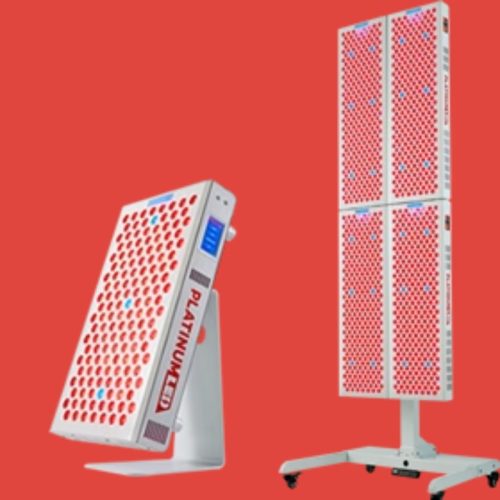
PlatinumLED Red Light Therapy
$499.00 Buy From The Official Website -
Sale!

HydraGlo
Original price was: $39.95.$26.50Current price is: $26.50. Buy From The Official Website -
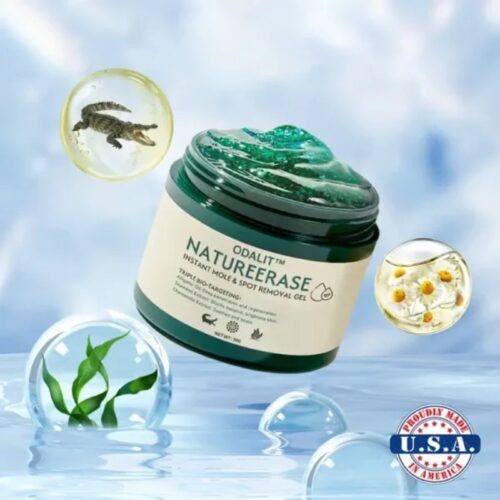
NatureErase Instant Mole & Spot Removal Gel
$14.78 Buy From The Official Website -
Sale!

Total Neck Cream
Original price was: $59.00.$36.50Current price is: $36.50. Buy From The Official Website