
$79.95
Upgrade your driving experience and stay safe on the road with the Qinux Visorix Digital Speedometer. Designed to minimize distractions, this innovative 3D head-up display projects vital driving data right into your line of sight. Featuring a crystal-clear, easy-to-read screen with high-precision tracking, it eliminates the need to constantly glance down at your dashboard. Perfect for any vehicle, its hassle-free, plug-and-play installation lets you set it up in seconds. Choose Qinux Visorix for a smarter, more secure commute, reduced accident risk, and modern convenience on every journey.
Description
Modern vehicles increasingly place useful driving information where it is easier for the driver to see, but millions of cars on the road still rely on conventional instrument clusters positioned below the driver’s primary field of view. For motorists who want a more modern display without replacing their car, Qinux Visorix – Digital Speedometer is marketed as a simple aftermarket solution designed to display key driving information more prominently. Instead of requiring an expensive dashboard overhaul or a new vehicle, Qinux Visorix is promoted as a plug-in digital car speedometer that presents information including speed, driving time, and distance traveled in front of the driver. The manufacturer also advertises speed alerts, fatigue reminders, automatic brightness adjustment, and wide vehicle compatibility.
The underlying appeal is straightforward. Drivers routinely check their speed, particularly on unfamiliar roads, during highway travel, or in areas where speed limits change. A digital speedometer placed closer to the normal line of sight may reduce how often a driver needs to glance down at a traditional instrument panel. Qinux markets Visorix around precisely that convenience, particularly for people who drive older vehicles without built-in head-up display technology.
This Qinux Visorix review examines how the device works, its advertised features, potential benefits, setup process, strengths and limitations, pricing, ordering procedure, and warranty terms. It also considers what separates this type of aftermarket car head-up display from more complex dashboard upgrades.
It is important to keep the safety claims in perspective. A head-up display can make selected vehicle information easier to view, but no electronic accessory eliminates distraction, prevents accidents, guarantees compliance with speed limits, or substitutes for attentive driving. Drivers remain responsible for monitoring road conditions, traffic signs, vehicle instruments, and local traffic laws at all times.
What is Qinux Visorix – Digital Speedometer?
Qinux Visorix – Digital Speedometer is an aftermarket automotive display designed to give drivers a more visible readout of useful driving information without requiring a permanent dashboard modification. Qinux describes it as a digital speedometer for cars and promotes it primarily as a way of positioning information closer to the driver’s natural field of vision. The device is aimed particularly at people driving vehicles that do not already include a modern digital display or factory-installed head-up display.
According to Qinux’s current product information, Visorix displays vehicle speed, driving time, and distance traveled. The product page additionally advertises automatic speed alerts, driving-time or fatigue reminders, automatic brightness adjustment, frontal information display, and straightforward installation.
The concept sits somewhere between a conventional dashboard speedometer and a fully integrated factory HUD. A traditional instrument cluster requires the driver to move their gaze downward to check the gauges. Qinux Visorix instead places important information where it can be viewed more easily while keeping attention directed generally toward the road ahead.
That does not mean the driver literally never needs to look away from the road, despite stronger wording sometimes appearing in promotional material. Drivers still need to check mirrors, surrounding traffic, navigation instructions, dashboard warning indicators, signs, pedestrians, cyclists, and other information. The practical advantage is narrower: Visorix can make frequently checked data such as speed easier to access visually.
Qinux’s official page says the device is compatible with 99% of vehicles, making broad compatibility one of its main selling points. The company also emphasizes that no expensive vehicle modifications are required and describes the installation process as something that can be completed in minutes.
For owners of older vehicles, that proposition may be particularly appealing. Replacing an entire instrument cluster, installing a sophisticated infotainment system, or purchasing a newer vehicle solely to obtain updated display technology would be considerably more involved. A compact aftermarket digital speedometer offers a less intrusive way to modernize one aspect of the driving experience.
Qinux Visorix therefore makes the most sense as a convenience-focused automotive accessory rather than a replacement for the vehicle’s original instruments or safety systems.
How Does Qinux Visorix – Digital Speedometer Work?
The Qinux Visorix system is designed around a simple idea: receive driving information, place the device in an appropriate position, and present selected data in a clearer location within the driver’s viewing area.
Qinux’s own setup instructions are deliberately simple. The company tells users to connect the Visorix to the vehicle’s power source, adjust the display so it sits appropriately within the driver’s field of vision, and then begin using the unit. The product page specifically emphasizes plug-in installation without complicated tools or permanent vehicle modifications.
Once operating, the unit provides a digital speed readout as well as additional driving data that Qinux says can include travel time and distance traveled. This can be particularly useful in an older vehicle where the original speedometer uses small analog markings or where the driver simply prefers a large numerical display.
The speed-alert function is another prominent part of the system. According to Qinux, Visorix can alert the driver when a predetermined speed threshold is exceeded. That feature may act as an additional reminder to check speed, although it should never be considered a guarantee against speeding tickets. Posted traffic signs and applicable law always determine the legal limit, and drivers remain responsible for knowing and observing those limits.
Visorix also incorporates what Qinux calls fatigue warnings. The product page describes these as alerts issued after the driver has been on the road for an extended period. These should be understood as time-based reminders rather than a medical or physiological fatigue-detection system. A reminder can prompt a driver to consider taking a break, but no accessory can determine with certainty whether a person is sufficiently alert to drive.
Another practical part of the system is its automatic brightness adjustment. Qinux states that the screen adapts to changing lighting conditions to remain readable during daytime and nighttime driving.
Together, these functions make Visorix a relatively simple car-display upgrade: connect it, position it correctly, configure it if necessary according to the accompanying instructions, and use it as a supplementary display alongside the vehicle’s factory instruments.
Qinux Visorix – Digital Speedometer Features
At first glance, Qinux Visorix has a relatively focused purpose: make important driving information easier to see. Its value, however, comes from several individual features working together. The current Qinux product page highlights frontal information display, speed monitoring, driving-time reminders, adaptive brightness, simple setup, and broad vehicle compatibility.
Digital Speed Display
The primary feature is the large digital speedometer display. Rather than interpreting the position of a needle across an analog gauge, drivers can view speed as a numerical value.
That may be particularly useful for drivers whose existing speedometer is small, dim, positioned unusually low, or simply more difficult to read quickly. Digital numerical displays can also make it easier to recognize small changes in speed at a glance.
The Visorix display should still be treated as supplemental information. The factory speedometer remains part of the vehicle’s original instrumentation, and drivers should become familiar with both.
Frontal Information Display
Qinux describes Visorix as providing a frontal projection or forward-facing display intended to keep relevant driving data in a more convenient viewing position.
This design concept mirrors one of the advantages associated with built-in head-up displays found in newer cars: frequently checked information does not have to be buried deep within the center console or conventional instrument panel.
The benefit is primarily ergonomic. Keeping a speed reading nearer the road ahead may reduce the amount of downward eye movement required during routine speed checks.
Speed Alerts
Qinux Visorix includes an overspeed warning feature. According to the company, the unit can alert users when their speed exceeds the configured limit.
For drivers who unintentionally allow their speed to creep upward during long highway journeys, a configurable reminder can be useful.
However, the feature cannot know or guarantee compliance with every posted speed limit unless it has the correct threshold configured. Road limits can change from one area to another. Drivers must always follow posted signage and local regulations rather than relying exclusively on an accessory.
Driving-Time and Fatigue Reminders
The product also includes what Qinux markets as fatigue warnings. In practical terms, the device can issue reminders related to prolonged driving time.
Long journeys often benefit from planned rest breaks, and a time-based reminder may encourage drivers to reassess whether they should stop and rest.
The term “fatigue warning” deserves sensible interpretation. Visorix should not be treated as a diagnostic system capable of determining neurological alertness or physical fitness to drive. If someone feels sleepy, unfocused, or impaired, the correct response is to stop driving safely regardless of whether the unit has issued an alert.
Automatic Brightness Adjustment
Displays that look clear at night can become difficult to see in bright daylight, while screens optimized for sunshine can be excessively bright after dark.
Qinux addresses this issue with automatic brightness adjustment. The official product page says the display changes brightness according to ambient lighting conditions so information remains visible during day and night use.
This feature removes some of the hassle of manually changing display brightness every time conditions change and may be particularly convenient for drivers who commute around sunrise or sunset.
Driving Time and Distance Information
Beyond speed, Qinux states that Visorix can show driving time and distance traveled.
These additional metrics can make the device more useful during road trips, commuting, or general vehicle use. Drivers can obtain a quick reference for how long they have been traveling and how far they have gone without relying entirely on another screen.
Simple Installation
One of Qinux Visorix’s strongest selling points is installation simplicity.
The official instructions describe plugging the device into the vehicle’s power source and positioning the display appropriately. Qinux says installation can be completed within minutes and does not require prior technical experience or special tools.
That stands in contrast with permanent aftermarket dashboard modifications, which may require trim removal, wiring work, specialist installation, or compatibility checks.
Broad Vehicle Compatibility
Qinux currently states that Visorix is compatible with 99% of vehicles.
That is a substantial compatibility claim, but it is still better to verify a particular vehicle before purchase, particularly if the car has unusual electronics, power connections, a specialized windshield configuration, or other non-standard equipment.
The overall feature package is deliberately uncomplicated. Qinux Visorix is not trying to replace a full infotainment system. Instead, it focuses on giving drivers speed and related information in a more convenient location, supplemented by alerts and adaptive visibility.
Benefits of Qinux Visorix – Digital Speedometer
Qinux Visorix is most appealing to drivers who want a relatively simple upgrade rather than an extensive vehicle modification. Its potential benefits include:
- Easier-to-see speed information: The main advantage is a prominent digital speed readout positioned closer to the driver’s normal field of vision. For anyone who finds an older analog instrument cluster awkward to read, this alone can be useful.
- Less dependence on downward dashboard glances: Positioning commonly checked information higher can reduce the need to look down toward a conventional cluster as frequently. That does not remove all driving distractions, but it can improve information accessibility.
- Useful speed reminders: The overspeed alert can act as an additional prompt when the vehicle exceeds a configured threshold. Drivers remain responsible for observing current posted limits.
- Long-drive reminders: Driving-time alerts may be useful during extended journeys by reminding the driver that substantial time has passed and that a break may be appropriate.
- Day-and-night visibility: Automatic brightness adjustment helps the screen adapt to different lighting conditions instead of requiring repeated manual changes.
- Potentially useful for older vehicles: Cars lacking modern digital dashboards can gain a more contemporary numerical speed display without the expense of replacing the factory instrument cluster.
- No major dashboard renovation: Qinux promotes Visorix as a plug-in product requiring no complicated installation or expensive structural modification.
- Multiple driving metrics: Speed, driving time, and distance traveled can be presented through one accessory rather than requiring the driver to use several devices.
- Broad advertised compatibility: The company says Visorix works with 99% of vehicles, potentially making it suitable for a wide range of cars.
- Accessible entry price compared with permanent upgrades: At the current promotional price, a single unit is advertised at $79.95, making it considerably less expensive than many extensive dashboard retrofits.
Taken together, these benefits position Qinux Visorix as a relatively straightforward technology upgrade for drivers who want clearer access to everyday vehicle data.
Qinux Visorix – Digital Speedometer vs. Other Brands
The aftermarket digital speedometer and car HUD market includes everything from inexpensive single-purpose numerical displays to sophisticated units capable of presenting navigation data, engine information, RPM readings, diagnostic codes, and multiple customizable interfaces.
Qinux Visorix occupies the simpler side of that spectrum.
Its primary competitive advantage is ease of use. Instead of emphasizing complicated menus or extensive vehicle diagnostics, Qinux focuses on speed, driving time, distance, alerts, automatic brightness, and quick installation.
That can be an advantage for buyers who do not want an accessory that requires extensive calibration. More complex HUD systems may offer significantly more data, but extra functions can also mean extra menus, wiring, setup steps, compatibility questions, and screen clutter.
Visorix’s automatic brightness adjustment is another useful feature because visibility is one of the central challenges facing any vehicle display. A digital speedometer that becomes unreadable in sunlight or distracting after dark loses much of its value.
On the other hand, shoppers should avoid assuming that Qinux Visorix automatically outperforms every competing HUD. Qinux’s official sales page uses promotional language describing the product as the “best option on the market,” but the page does not provide controlled comparative testing against every major competitor.
Consumers comparing options should therefore examine practical questions instead:
Does the alternative work with their particular vehicle? Does it require OBD integration, GPS, USB power, or another connection? How large is the display? Which metrics are available? Is automatic brightness included? Can alert thresholds be changed? What warranty and return rights apply? How much installation work is required?
For people who want a straightforward car digital speedometer with a limited learning curve, Qinux Visorix has a compelling feature mix. Drivers who want extensive diagnostic information or deep customization may prefer a more elaborate automotive display.
How to Use Qinux Visorix – Digital Speedometer
Using Qinux Visorix is intended to be relatively uncomplicated, but installation should still be performed carefully before beginning a journey.
First, unpack the unit and review the instructions included with the specific product supplied. Qinux’s seller terms explicitly advise buyers to consult the actual manual because product components and specifications can occasionally change.
Next, connect Qinux Visorix to the vehicle’s appropriate power source as directed by the supplied instructions. Qinux’s published setup guide describes this initial step simply as plugging the product into the car’s power source.
Once the device is powered, position the screen so that it can be read conveniently while driving. The objective is to place the information in an accessible location without blocking a meaningful portion of the driver’s view through the windshield.
Do this while the vehicle is safely parked.
After positioning the display, check its settings. If the unit allows the overspeed threshold or other warnings to be configured, set them appropriately before moving the vehicle.
Then start with a short test drive in a safe environment. Compare the displayed speed with the vehicle’s original instrument cluster and become familiar with where information appears.
Drivers should avoid manipulating the device while the vehicle is moving. If settings need adjustment, stop somewhere safe first.
During everyday use, Visorix should be treated as supplementary instrumentation. Continue paying attention to the vehicle’s factory gauges, warning indicators, traffic signs, road conditions, mirrors, and surrounding road users.
Finally, remember that the driving-time alert does not determine whether a person is medically fit or sufficiently rested to drive. If fatigue is noticeable, stop and rest regardless of what the unit displays.
Pros and Cons of Qinux Visorix – Digital Speedometer
Like most automotive accessories, Qinux Visorix has both appealing strengths and practical limitations.
Pros
One of the clearest advantages is its simple concept. Qinux Visorix is built around information drivers commonly want to check quickly: speed, distance, and journey time. It avoids turning the display into an overly complicated secondary dashboard.
Installation is another strength. Qinux says the device can be installed within minutes by connecting it to the vehicle and positioning it correctly, with no specialized tools required.
Automatic brightness is also valuable. A car display needs to work across changing light conditions, and the advertised adaptive brightness feature reduces the need to repeatedly adjust the screen manually.
The speed-warning and driving-time reminders add functionality beyond simply duplicating the factory speedometer.
Broad advertised compatibility is another positive point. Qinux states that Visorix works with approximately 99% of vehicles.
Current multi-unit pricing also reduces the cost per device significantly for buyers purchasing several units.
Cons
Visorix does not replace the vehicle’s factory instrument cluster and should not be treated as a standalone safety system.
The product’s marketing occasionally uses absolute-sounding statements about safer driving, avoiding fines, or reducing accidents. Real-world outcomes depend primarily on driver behavior, road conditions, correct setup, and compliance with traffic law. No speedometer can guarantee accident prevention or prevent a speeding citation.
The official landing page also does not publish every technical specification a technically minded buyer may want before ordering. Buyers looking for exact dimensions, detailed sensor architecture, update frequency, cable specifications, or advanced compatibility information should obtain those details directly from Qinux before purchase.
Finally, buyers should distinguish between the included legal warranty rights and the optional one- or two-year commercial protection plans sold at checkout.
How to Order Qinux Visorix – Digital Speedometer
The ordering process is handled online through the Qinux Visorix sales page.
According to Qinux, the process begins by selecting the desired quantity of Visorix units and adding the selection to the cart. Current checkout options include one, two, three, or five units, with progressively lower advertised per-unit pricing for larger packages.
After selecting the package, buyers proceed to the shipping section. The checkout requests standard information including name, email address, telephone number, country, street address, postal code, city, and state or province where applicable.
The checkout then presents available payment methods. The current page displays card payment as well as PayPal, Google Pay, and Apple Pay options where available. The page also states that checkout uses 256-bit SSL encryption.
Before completing an order, review optional extras carefully. The current Qinux checkout offers additional automotive products as well as separate one-year and two-year commercial warranty options for an added charge. These options should not be confused with the purchaser’s underlying statutory warranty rights.
It is also worth double-checking the quantity because the seller’s terms state that orders are generally processed very quickly and usually cannot be cancelled or changed after placement.
Once an order is processed, Qinux’s terms state that tracking information is normally provided within approximately 48 to 72 hours. The seller’s terms allow a maximum delivery period of 30 calendar days, although actual shipping time may be shorter depending on destination and logistics.
Before submitting payment, buyers should save their order confirmation and review the final total, applicable shipping terms, optional additions, and current return conditions.
Qinux Visorix – Digital Speedometer Included
When ordering Qinux Visorix, the central item is naturally the Qinux Visorix digital speedometer unit itself.
Qinux’s current sales materials show and describe the device along with the hardware required to connect it to the vehicle’s power source. The company’s setup instructions tell customers to plug the unit into the car’s power connection and then adjust the display to the appropriate viewing position.
A buyer should also expect the applicable setup or operating information needed to use the device. However, the current official landing page does not provide a sufficiently detailed itemized box-content specification to responsibly claim every cable, bracket, film, pad, adapter, or accessory that may be supplied.
That matters because online third-party reviews sometimes publish additional technical details that are not present on Qinux’s current official sales page. Rather than treating those descriptions as definitive, purchasers should use the documentation and contents supplied with their particular order.
The seller’s own terms reinforce this point. Cablelinker Electronics Limited states that it is not the manufacturer of the products offered through the portal and cautions that product packaging, materials, components, or specifications can contain additional or different information from what is presented online. Customers are specifically advised to review the instructions supplied with the product.
Optional accessories shown during checkout are not necessarily part of the base Qinux Visorix package. Current checkout offers such extras as a scratch-removal product, an ice scraper, and optional additional commercial warranty coverage. These are separately priced add-ons rather than features that should be assumed to accompany every Visorix order.
Upon delivery, purchasers should compare the received items with their invoice and instructions. If anything appears absent, damaged, or different from the purchased configuration, contact Qinux customer support before installing or using the unit.
Qinux Visorix – Digital Speedometer Pricing and Money-Back Guarantee
At the time this article was researched, Qinux was advertising a promotional pricing structure in which the per-unit cost decreases as the number of Visorix devices ordered increases. The current checkout lists the same prices provided for this article.
Current advertised Qinux Visorix pricing:
- 1 x Qinux Visorix – $79.95 each
- 2 x Qinux Visorix – $64.98 each
- 3 x Qinux Visorix – $53.32 each
- 5 x Qinux Visorix – $43.99 each
The two-unit package is currently labeled “Most Popular” on the checkout page. The single-device offer is also presented as a 50% promotional discount from an advertised reference price of $159.90.
There is an important distinction regarding the guarantee. Qinux’s current legal terms provide a 14-calendar-day right of withdrawal from receipt of eligible goods, subject to the applicable conditions, including return requirements. Return shipping is generally borne by the customer under those terms.
The seller’s terms also describe applicable legal warranty protection and offer optional one-year commercial warranty coverage for $9 or two-year additional commercial warranty coverage for $14 at checkout. Those optional plans provide supplementary coverage and do not replace applicable consumer rights.
Pricing disclaimer: Prices, discounts, availability, shipping promotions, optional warranty fees, return conditions, taxes, and promotional offers may change at any time. Always check the official Qinux Visorix website and final checkout page for current pricing and terms before purchasing.
Conclusion for Qinux Visorix – Digital Speedometer
Qinux Visorix addresses a surprisingly common problem in a straightforward way. Many perfectly serviceable vehicles lack the clear digital instrumentation found in newer models, yet replacing a car or carrying out an extensive dashboard conversion simply to obtain a better speed display makes little financial sense.
That is where an aftermarket digital car speedometer such as Qinux Visorix can be attractive.
Its feature set is focused rather than extravagant. The device presents speed along with information such as driving time and distance traveled, provides speed and extended-driving reminders, automatically adjusts brightness, and is designed to be installed without complex vehicle modifications. Qinux currently advertises compatibility with 99% of vehicles.
For owners of older cars, drivers who prefer a prominent numerical speed display, frequent road-trip travelers, or anyone interested in a relatively inexpensive dashboard technology upgrade, those characteristics give Visorix a clear use case.
The current pricing also becomes considerably more attractive on multi-unit purchases, falling from $79.95 for a single device to an advertised $43.99 each when five are purchased.
There are sensible limitations to keep in mind. Visorix does not replace attentive driving, factory instrumentation, traffic signs, or sound judgment. Its speed warnings cannot guarantee avoidance of fines, and its driving-time reminders should not be interpreted as a genuine fatigue-detection medical system.
Consumers should also verify compatibility, current package contents, and return terms before ordering.
Within those boundaries, Qinux Visorix represents a practical idea executed around simplicity: take information drivers regularly check and place it somewhere easier to see. For motorists who want a digital speedometer for an older car, aftermarket head-up display, easy car technology upgrade, or simple driving-information display, Qinux Visorix is a product worth considering alongside competing HUD solutions.
Qinux Visorix – Digital Speedometer FAQs
1. What is Qinux Visorix?
Qinux Visorix is an aftermarket digital car speedometer designed to display speed and other driving information in a more visible forward position. Qinux says it can show speed, driving time, and distance traveled.
2. Does Qinux Visorix work with every car?
Qinux’s current FAQ states that the device is compatible with 99% of vehicles. Buyers with unusual or highly specialized vehicles should confirm compatibility before ordering.
3. What information does Qinux Visorix display?
The official product page identifies speed, driving time, and distance traveled among the information presented by Visorix.
4. Does Qinux Visorix have a speeding alert?
Yes. Qinux advertises an alert that warns the driver when a configured speed threshold is exceeded. Drivers must still follow posted limits and should not rely on the device to determine the legal limit automatically.
5. Does Qinux Visorix detect driver fatigue?
Qinux describes a fatigue-warning function associated with prolonged driving. It is best understood as a driving-time reminder rather than a medical system capable of determining whether a driver is physically fatigued.
6. Can Qinux Visorix be seen during daytime driving?
Qinux states that Visorix automatically adjusts screen brightness according to surrounding lighting conditions for improved day and night visibility.
7. Is Qinux Visorix difficult to install?
The manufacturer markets Visorix as a plug-in device that can be set up within minutes without special tools or professional installation.
8. How much does Qinux Visorix cost?
Current advertised pricing starts at $79.95 for one unit. Larger bundles currently lower the per-unit price to $64.98, $53.32, or $43.99 depending on quantity. Prices are subject to change.
9. Which Qinux Visorix package is marked most popular?
The current checkout labels the two-unit package at $64.98 per unit as the “Most Popular” selection.
10. Does Qinux Visorix come with free shipping?
The current promotional sales page advertises free shipping with the offer displayed at the time of research. Shipping promotions can change, so confirm the final checkout before ordering.
Related products
-
Sale!
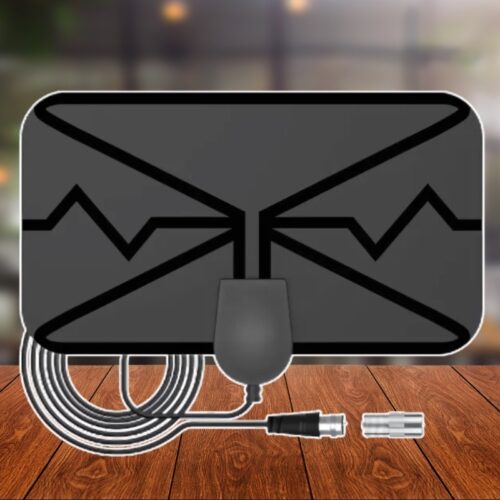
WaveLyte Digital TV Antenna
Original price was: $111.08.$49.99Current price is: $49.99. Buy From The Official Website -
Sale!

RFID Armor Wallet
Original price was: $49.99.$24.99Current price is: $24.99. Buy From The Official Website -

Haworth Fern Chair
$1,242.00 Buy From This Official Website -
Sale!
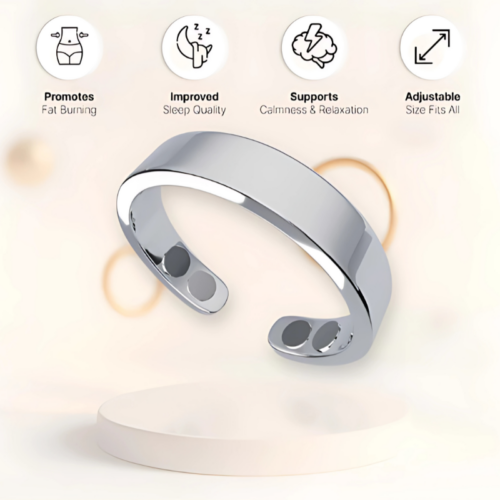
Calmara Magnetic Ring
Original price was: $45.95.$22.95Current price is: $22.95. Buy From The Official Website